The Philosophy of Zero Waste in Japanese Washoku Cuisine: Ancient Wisdom for Modern Sustainability
Every time you toss vegetable peels into the trash or pour leftover broth down the drain, you’re missing out on centuries of culinary wisdom. Japanese washoku cuisine has been practicing zero waste long before it became a trendy hashtag—not out of environmental activism, but as a natural expression of deep cultural values. This ancient approach to cooking treats every ingredient as precious, transforming what we’d call “scraps” into delicious dishes and honoring the life that became our food. The beauty of washoku zero waste practices? They’re surprisingly practical for modern kitchens, offering not just sustainability but richer flavors and a more meaningful relationship with what we eat.
Understanding Washoku: More Than Just Japanese Food
When UNESCO recognized washoku as Intangible Cultural Heritage, they weren’t just celebrating sushi and ramen. They were honoring an entire philosophy that views food as a bridge between humans and nature. The washoku philosophy rests on four fundamental pillars: respect for fresh, seasonal ingredients; nutritional balance through variety; expression of natural beauty; and connection to annual events and changing seasons.
What makes traditional Japanese cooking inherently sustainable is its roots in Buddhist and Shinto beliefs. Buddhism taught compassion for all living things, making every grain of rice sacred. Shintoism saw divinity in nature itself, demanding gratitude and mindfulness toward ingredients. These spiritual foundations created the framework for washoku principles that naturally minimize waste—not as a separate goal, but as an automatic outcome of respect.
The ichiju sansai structure (one soup, three dishes) perfectly demonstrates this harmony. Each element complements the others nutritionally and aesthetically, using different parts of similar ingredients across dishes. Nothing is superfluous; nothing is wasted. This approach shares philosophical ground with other mindful culinary traditions, much like kaiseki dining elevates these principles to an art form, or how Nordic smørrebrød embraces minimalist intentionality.
Mottainai: The Cultural Foundation of Washoku Zero Waste
At the heart of washoku zero waste practices lies mottainai—a word so rich with meaning that it resists simple translation. It expresses regret over waste, gratitude for resources, and respect for the effort behind every object or ingredient. When a Japanese grandmother scolds you with “mottainai!” for leaving rice in your bowl, she’s channeling centuries of cultural wisdom about scarcity, gratitude, and interconnectedness.
The mottainai concept emerged from Japan’s historical resource constraints and Buddhist teachings about impermanence. In a country where arable land is scarce and natural disasters common, nothing could be taken for granted. This created a culture that found value in everything—from using bathwater to irrigate gardens to transforming the tiniest vegetable scraps into delicious dishes. It’s this mindset that makes Japanese sustainable cuisine so effective: waste reduction isn’t a sacrifice but an expression of gratitude.
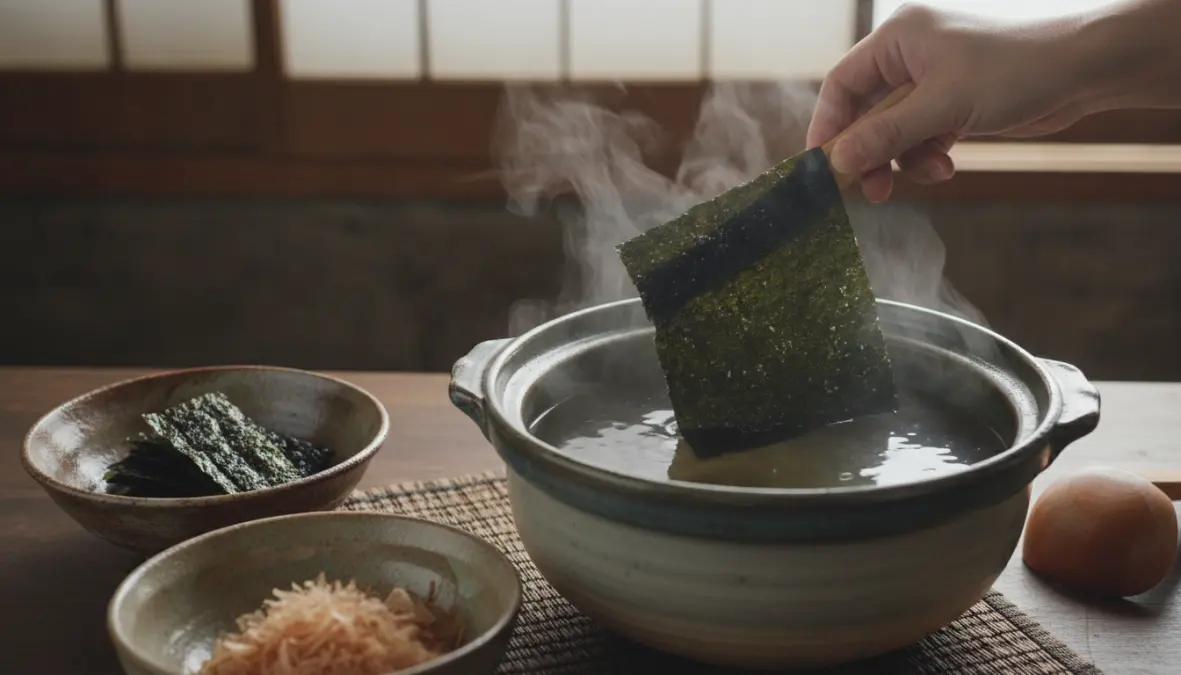
In daily cooking, mottainai manifests in countless ways. Kombu used for dashi stock gets sliced into salads or simmered in soy sauce as tsukudani. Fish bones become a secondary stock for miso soup. Stale rice transforms into ochazuke (rice with tea) or onigiri. Even the water used to rinse rice feeds the garden plants. These aren’t special techniques reserved for skilled chefs—they’re everyday practices passed down through generations, as natural as breathing.
Practical Zero Waste Techniques in Traditional Washoku
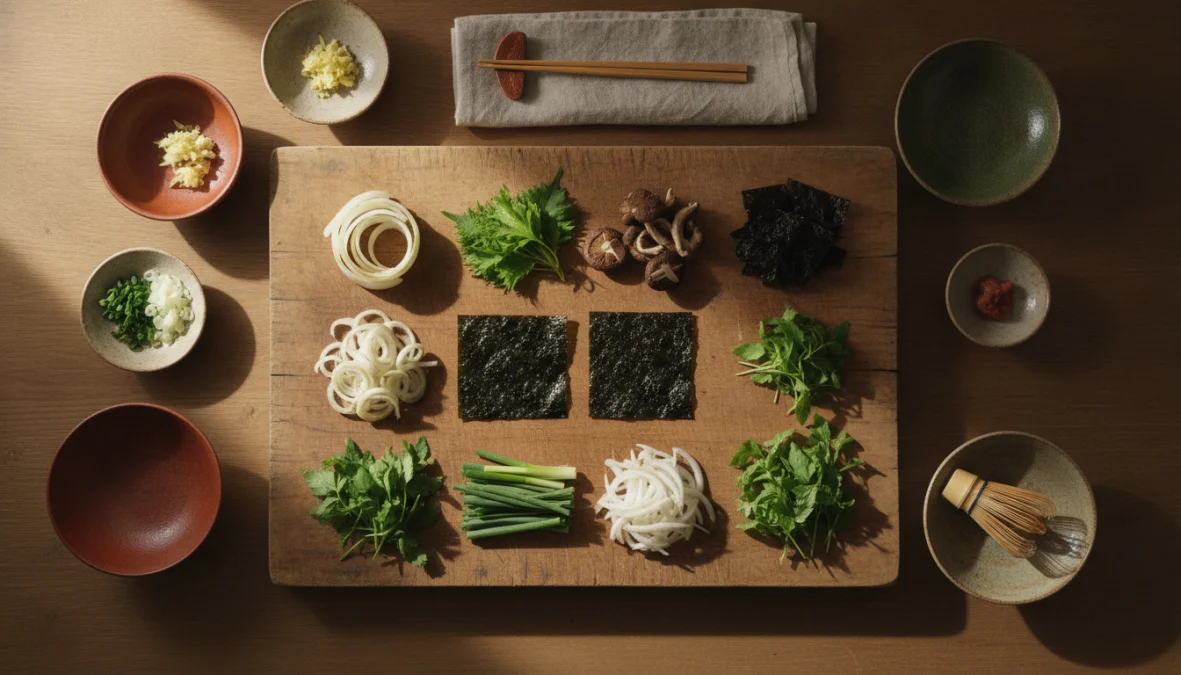
The genius of zero waste practices in washoku cuisine lies in their simplicity. Take daikon radish: the root becomes the main dish, the peel gets pickled into tsukemono, the leaves go into tempura or miso soup, and even the stems can be chopped for furikake seasoning. Nothing enters the compost bin until every possible use is exhausted.
Kombu reuse exemplifies this resourcefulness. After making dashi, most Western cooks would discard the seaweed. In washoku, it’s just getting started. Slice it thinly for salads, simmer it with vegetables, candy it with sugar and soy, or dry it again for a second, gentler broth. The same principle applies to bonito flakes (katsuobushi)—after their first use in dashi, they’re squeezed dry and sautéed with soy sauce and mirin to make a rice topping.
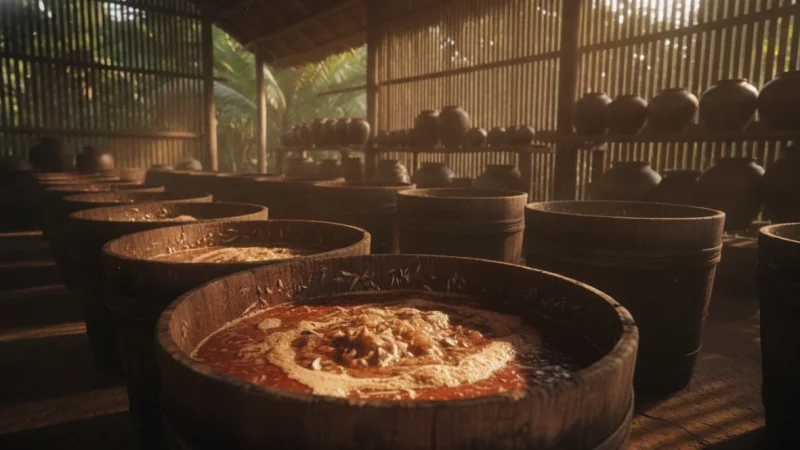
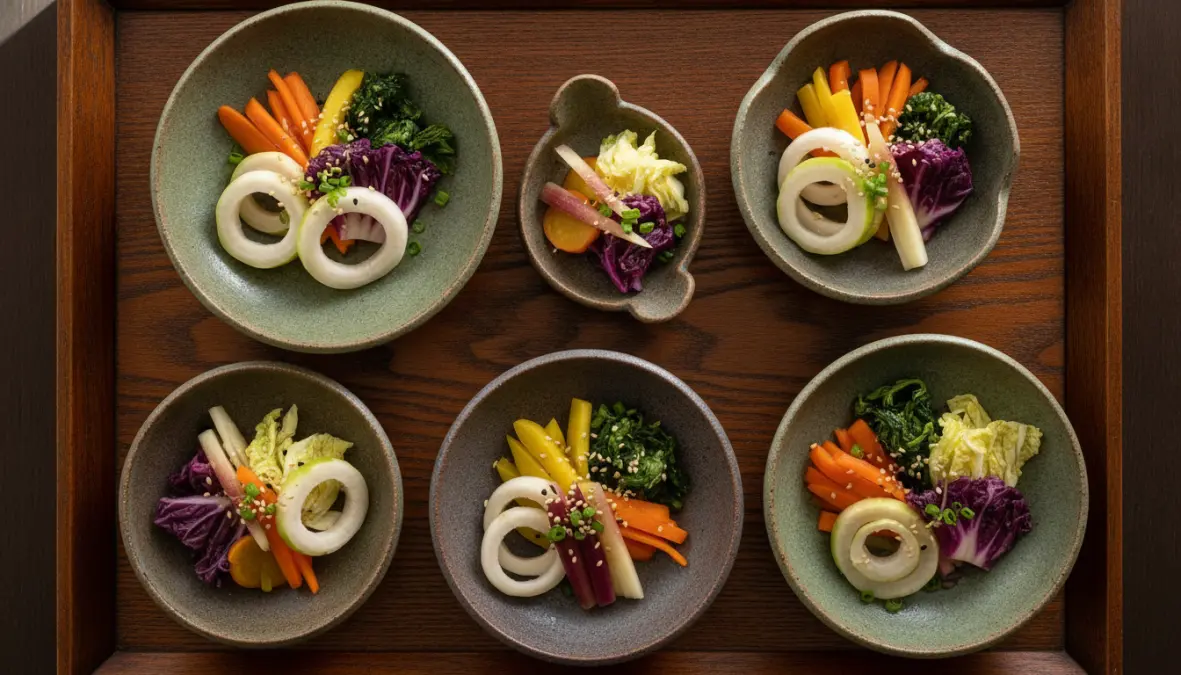
Fermentation and pickling serve double duty as both preservation and vegetable scraps usage strategies. Nukazuke (rice bran pickling) and various tsukemono methods transform wilting vegetables, tough stems, and aging produce into probiotic-rich side dishes that last months. This isn’t just about avoiding waste—fermentation actually increases nutritional value and creates the complex umami utilization that defines Japanese flavor profiles.
Seasonal Eating and Food Preservation as Zero Waste Strategies
The Japanese concept of shun—eating ingredients at their seasonal peak—is perhaps the most elegant zero waste cooking strategy ever devised. When you eat strawberries in June or mushrooms in autumn, you’re consuming them at maximum flavor and nutrition, reducing the energy needed for storage or transport, and supporting the natural agricultural cycle. Ingredients at their peak require less manipulation, generating less waste.
Traditional preservation methods extend this seasonal wisdom throughout the year. Umeboshi (preserved plums) transform June’s harvest into a condiment that lasts years. Hoshimono (dried foods) concentrate flavors while preventing spoilage of daikon, persimmons, and fish. Misozuke and shiozuke (miso and salt pickling) turn abundant summer vegetables into winter staples. These techniques don’t just reduce waste—they create entirely new flavors and textures that enrich the cuisine, similar to how slow-cooked preparations in other cultures transform simple ingredients into complex dishes.
Applying Washoku Zero Waste Principles in Modern Kitchens
You don’t need a Japanese grandmother or traditional fermentation crocks to embrace washoku principles in your cooking. The mindset shift matters more than specific techniques. Start by viewing ingredients as whole entities rather than their “usable” parts. That shift alone transforms how you shop, prep, and cook.
Practical applications for modern Western kitchens abound. Save vegetable scraps in the freezer for weekly stock-making—onion peels, carrot tops, mushroom stems, and herb stems create deeply flavorful broths. Learn simple quick pickles using salt, vinegar, and sugar to preserve wilting vegetables. Cook rice deliberately in larger batches, knowing leftover rice becomes fried rice, congee, or rice balls. Embrace the Japanese practice of using different parts of the same ingredient across multiple dishes in one meal.
The benefits extend far beyond environmental virtue-signaling. Sustainable Japanese food practices save serious money—home cooks report reducing grocery bills by 20-30% when they stop discarding “scraps” that are actually ingredients. Flavors deepen when you make stocks from bones and peels rather than buying commercial bases. Most importantly, this approach creates a more conscious, grateful relationship with food, much like how intentional food traditions in other cultures reconnect us with what matters.
Planning is key to how washoku reduces food waste. Shop with specific meals in mind, but maintain flexibility to use what you have. Buy whole chickens and fish rather than pre-cut portions—you’ll use bones for stock, cook the less-popular parts in stews, and save money. Store ingredients properly to extend freshness. Most crucially, cultivate creativity with leftovers. The Japanese don’t see yesterday’s rice as “leftovers” but as tomorrow’s breakfast or lunch component.
The ancient wisdom of washoku zero waste offers modern cooks something invaluable: a time-tested system that makes sustainability delicious, practical, and deeply satisfying. By embracing mottainai—that sense of regret over waste and gratitude for abundance—we transform our kitchens from places of mindless consumption into spaces of mindful creation. Start small: save your next vegetable scraps for stock, pickle those wilting cucumbers, or squeeze extra use from your tea leaves. Each small practice connects you to centuries of culinary wisdom and a more sustainable, flavorful future. After all, the most sustainable cuisine isn’t about sacrifice—it’s about discovering the abundance hiding in what we thought was waste.