The Sacred Use of Wine in Religious Ceremonies: From Ancient Dionysus to Modern Sacraments
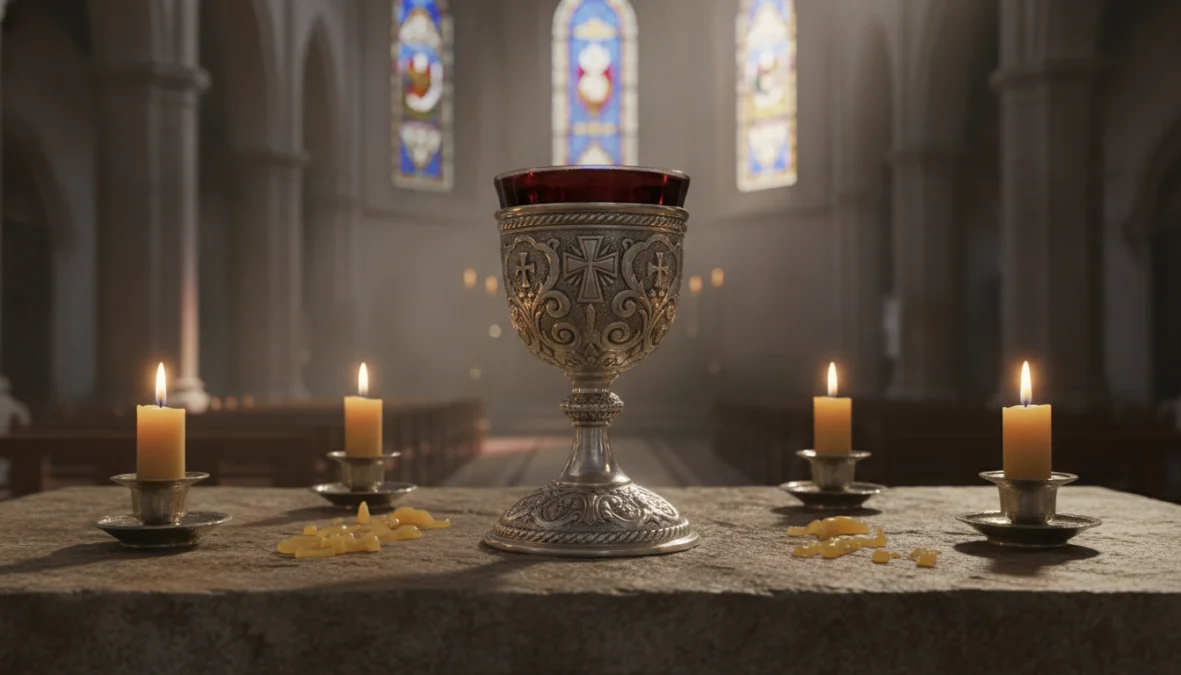
Pour a glass and let’s talk about something humans have been doing for millennia: using wine to connect with the divine. From the ecstatic rituals of ancient Dionysus to the solemn consecration in modern churches, wine religious symbolism has flowed through human spiritual experience like, well, wine through a chalice. This fermented grape juice isn’t just a beverage—it’s been a bridge between mortals and gods, a symbol of blood and covenant, and a liquid prayer offered across cultures and centuries.
Wine in Ancient Religious Traditions: The Dionysian Origins
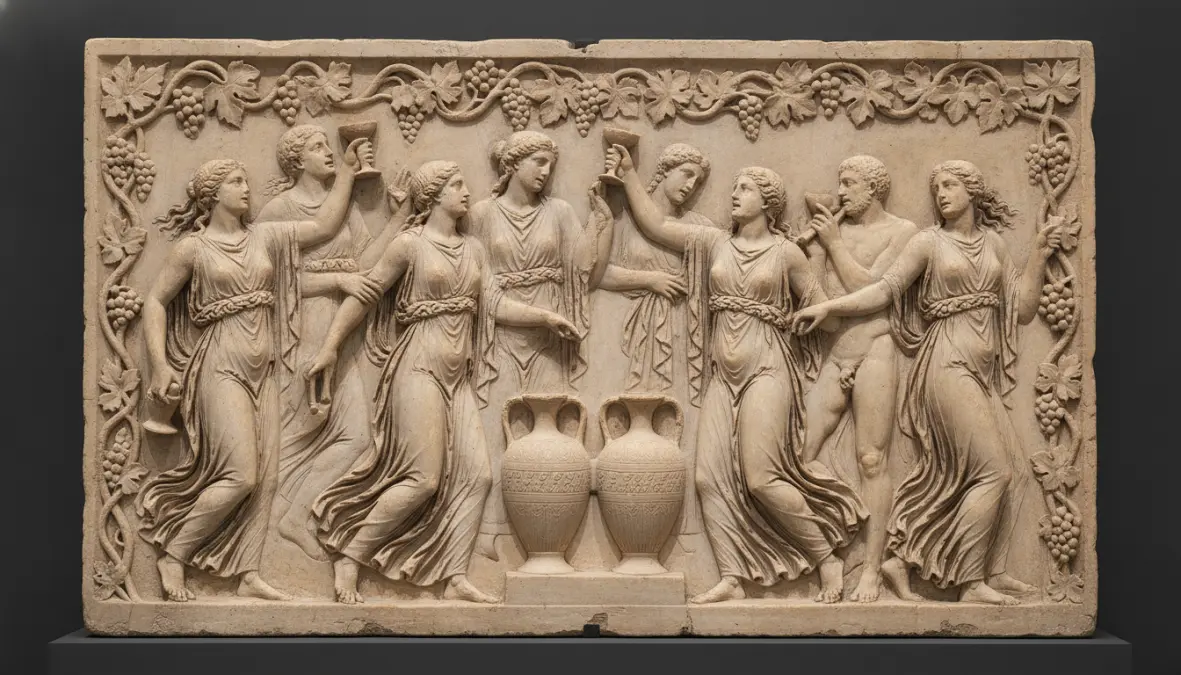
Long before Christianity transformed wine into sacred sacrament, ancient civilizations were already getting spiritual with their grapes. The most famous example? The wild, ecstatic worship of Dionysus in Greece and his Roman counterpart, Bacchus. These weren’t your polite Sunday services—Dionysian wine rituals were intense affairs involving music, dance, and copious amounts of wine consumed to achieve religious ecstasy.
For the ancient Greeks, wine in religious rituals served as a divine gift that could temporarily dissolve the boundaries between human and god. Worshippers believed that through intoxication, they could experience communion with Dionysus himself, the god of wine, fertility, and transformation. The famous Bacchanalia festivals in Rome became so wild that the Senate eventually restricted them in 186 BCE—apparently, religious enthusiasm has always needed some crowd control.
But wine religious symbolism extended far beyond Greece and Rome. In ancient Egypt, wine was offered to gods like Osiris and Ra, poured as libation onto altars and into the earth. Mesopotamian cultures incorporated wine into their temple rituals, believing fermented beverages contained divine properties. The transformation of simple grapes into wine mirrored spiritual transformation—death and rebirth, the mundane becoming sacred. This symbolism of metamorphosis would echo through religious wine use for thousands of years.
Wine in Christianity and the Evolution of Sacramental Practice
The history of wine in religious ceremonies took a profound turn at the Last Supper, when Jesus shared wine with his disciples and declared it his blood, shed for humanity’s salvation. This moment transformed wine in Christianity from simple beverage to sacred symbol, creating what would become the central ritual of Christian worship: the Eucharist.
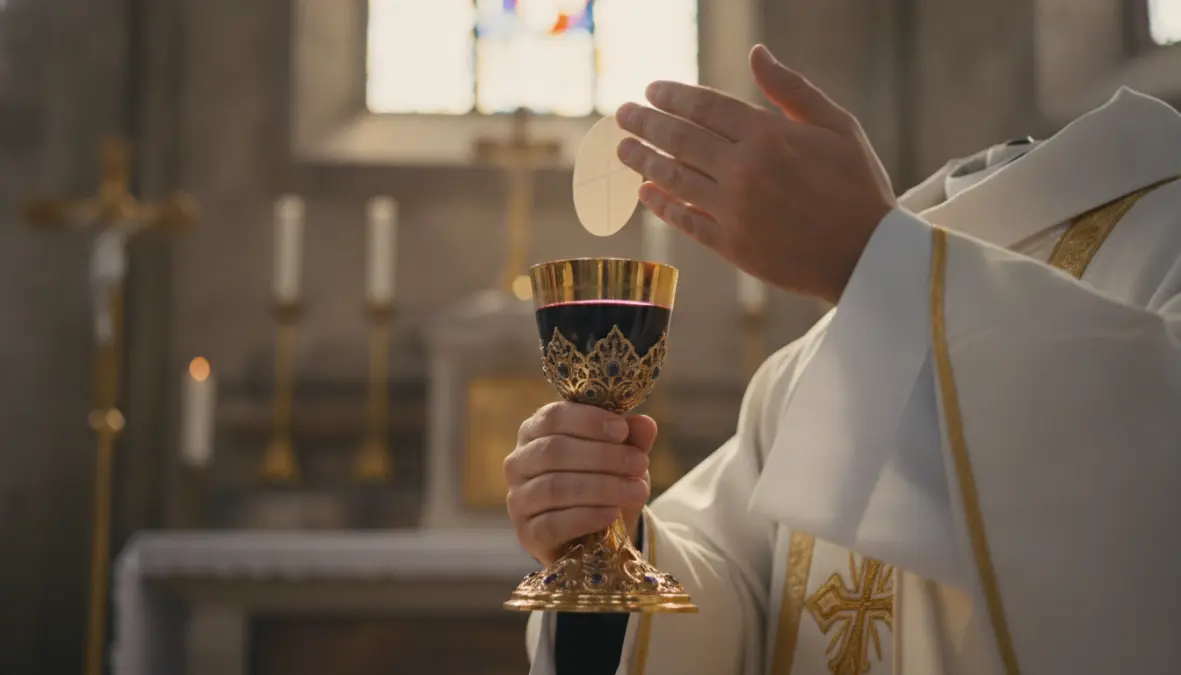
The development of sacramental wine history reveals fascinating diversity. In Catholic tradition, the doctrine of transubstantiation teaches that the wine literally becomes the blood of Christ during consecration—not symbolically, but substantially. When the priest elevates the chalice, believers understand they’re witnessing a miracle. Eastern Orthodox churches share similar beliefs about the real presence of Christ in the consecrated wine, though they avoid defining the exact mechanism.
Protestant denominations developed varied interpretations. Lutherans embrace consubstantiation—Christ is present “in, with, and under” the wine. Many other Protestant churches view communion as memorial or symbolic, making the difference between sacramental and regular wine less about supernatural transformation and more about sacred intention and communal remembrance.
Sacred wine ceremonies in Christianity aren’t just about theology—there are practical considerations too. The Catholic Church traditionally required natural grape wine for valid Eucharist, though low-alcohol and mustum (barely fermented grape juice) are now permitted for those with medical conditions. The wine must be pure, unadulterated, and specifically blessed through liturgical practices.
The Symbolism of Wine as Blood and Covenant
But why is wine used in communion specifically? The answer threads through both Testaments. In the Old Testament, wine accompanied covenant ceremonies and sacrificial offerings. During Passover, the Jewish people drank four cups of wine representing God’s promises of redemption—a tradition Jesus himself would have observed.
When Jesus proclaimed the wine as his blood of the “new covenant,” he was connecting to deep scriptural roots. Blood represented life itself in ancient Hebrew understanding, and covenant blood sealed sacred agreements between God and humanity. The religious significance of wine as blood symbol carries profound meaning: sacrifice, life poured out, and the sealing of a new relationship between divine and human. This symbolism resonates across Christian denominations, whether they interpret it literally or metaphorically.
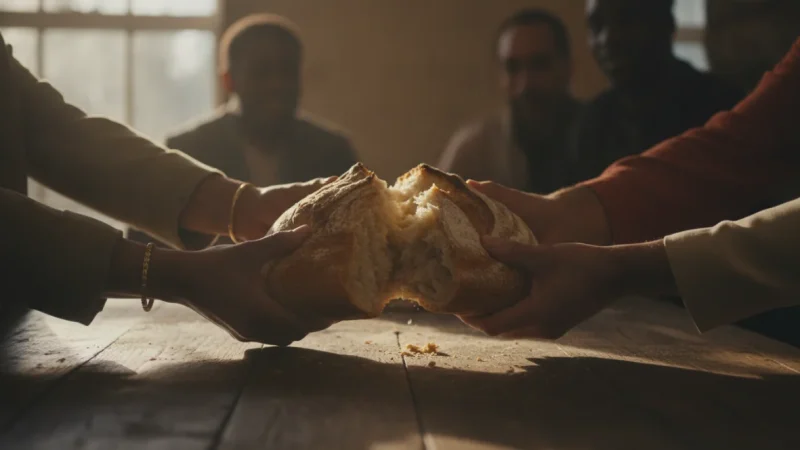
The connection to Jewish tradition remains strong. In the Kiddush blessing over wine on Shabbat and the four cups during Pesach (Passover), wine sanctifies time and celebrates freedom. Much like bread carries sacred meaning across cultures, wine in Jewish tradition transforms ordinary moments into holy ones.
Sacred Wine Across World Religions and Modern Ceremonial Practice
Exploring wine symbolism in different religions reveals both commonalities and fascinating divergences. In Judaism, wine remains central to celebration and sanctification. Every Sabbath begins with wine blessed in a special cup, and major life events—weddings, circumcisions, Passover—incorporate ritual wine drinking. This isn’t about intoxication but about marking sacred time and community.
Islam’s relationship with wine is complex. While mainstream Islamic practice prohibits alcohol consumption, historical Sufi poetry is filled with wine metaphors representing divine love and spiritual intoxication. Persian mystic poets like Rumi and Hafiz wrote extensively about the “wine” of God’s presence, though whether they meant literal wine remains debated. These mystical traditions show how wine symbolism religion can transcend literal consumption.
Modern sacred wine traditions around the world face contemporary challenges. Some churches now offer grape juice alternatives for recovering alcoholics or children, sparking theological debates about authenticity versus inclusion. Others have adapted liturgical practices to allow individual cups instead of shared chalices—a shift accelerated by health concerns.
Interestingly, the question of how wine became religious symbol connects to humanity’s ancient relationship with fermentation itself. Across cultures, the mysterious transformation of fruit juice into something more potent seemed magical, even divine. Similar to how sacred breads mark holy seasons, wine’s transformation made it perfect for marking spiritual transformation and divine presence.
FAQ: Wine Religious Symbolism
Why is wine used in religious ceremonies?
Wine’s use in religious ceremonies stems from its transformative nature—grapes fermenting into wine symbolized spiritual transformation and divine mystery. Ancient cultures viewed it as a gift from the gods, capable of inducing altered states that brought humans closer to the divine. Its red color also made it a natural symbol for blood, life, and sacrifice across many traditions.
What does wine symbolize in Christianity?
In Christianity, wine primarily symbolizes the blood of Christ, representing his sacrifice and the new covenant between God and humanity. During communion or Eucharist, wine becomes a powerful symbol (or literal substance, depending on denomination) of redemption, salvation, and the believer’s union with Christ. It represents both death and new life.
Did ancient Greeks use wine in worship?
Absolutely! Ancient Greek wine rituals, particularly those honoring Dionysus, were central to religious life. These ceremonies used wine to achieve religious ecstasy and divine communion. Worshippers believed drinking wine allowed them to temporarily transcend mortal limitations and experience unity with the god. Wine was also poured as libation to honor various deities throughout Greek religious practice.
Can grape juice replace wine in communion?
This depends on the denomination. Many Protestant churches accept grape juice as a valid substitute, viewing communion as primarily symbolic memorial. However, Catholic and Orthodox traditions traditionally require actual wine for valid sacrament, though low-alcohol options now exist for those with medical needs. The debate reflects different theological understandings of what makes the sacrament authentic and effective.
From the frenzied celebrations of ancient Bacchus worship to the quiet reverence of modern communion services, wine has carried humanity’s spiritual aspirations for thousands of years. Whether you see it as literally transformed or symbolically meaningful, there’s no denying that this fermented beverage occupies a unique place in religious history—a liquid bridge between earth and heaven, between the ordinary and the sacred. Next time you encounter wine in a religious context, you’re participating in one of humanity’s oldest continuous spiritual practices.