Raclette: The Swiss Alpine Cheese Tradition and Communal Dining Ritual
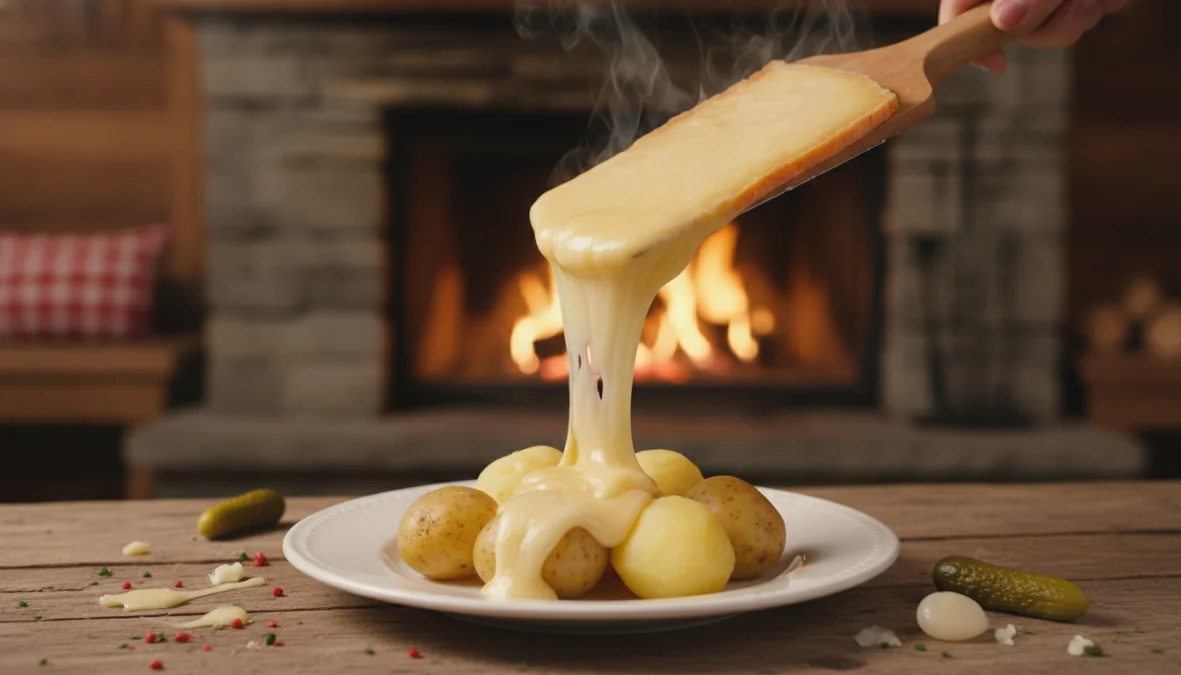
Picture this: a cozy Swiss chalet, snow falling gently outside, friends gathered around a table where a wheel of cheese slowly melts, releasing its intoxicating aroma. Someone scrapes the bubbling, golden layer onto their plate, adding boiled potatoes and tangy pickles. This is raclette swiss tradition at its finest—a communal dining experience that transforms a simple meal into a celebration of togetherness, warmth, and alpine heritage.
The Origins and History of Traditional Raclette Cheese
The story of raclette swiss tradition begins in the rugged mountains of the Valais region, where shepherds tending their flocks needed hearty, warming meals during cold alpine nights. These resourceful herders would place a wheel of cheese near the fire, scraping off the melted layer as it softened—a practice that gave raclette its name, derived from the French verb “racler,” meaning “to scrape.” What started as humble peasant food has evolved into one of Switzerland’s most cherished culinary traditions.
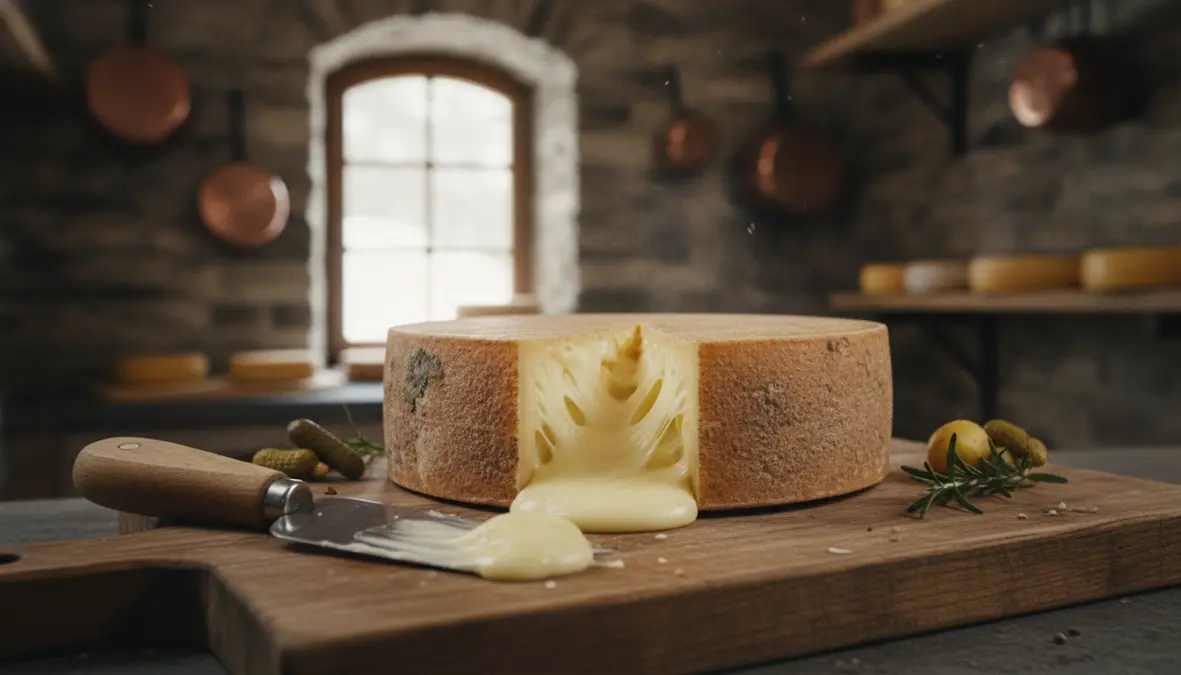
Traditional raclette cheese is a semi-hard cow’s milk cheese with a distinctive creamy texture and nutty, slightly sweet flavor that intensifies when melted. Authentic Raclette du Valais holds protected designation of origin (PDO) status, guaranteeing it comes from specific regions in the Valais canton and follows traditional production methods. The cheese wheels typically weigh between 6-7 kilograms and require at least three months of aging. While Valais remains the heartland of production, other Swiss cantons and even neighboring France produce their own variations, though purists insist the original Valais version remains unmatched in flavor and tradition.
The Raclette Ritual: From Alpine Fireside to Modern Raclette Grill
At its heart, the raclette communal meal is about more than just melted raclette cheese—it’s a swiss cheese ritual that brings people together. The traditional method involves cutting a wheel of cheese in half and placing it near an open fire or special heater. As the surface melts, diners take turns scraping the gooey cheese directly onto their plates, typically over boiled potatoes still in their skins. The classic accompaniments include cornichons (small pickles), pickled onions, and a generous grinding of black pepper.
The beauty of the raclette grill tradition lies in its unhurried pace. Unlike rushed modern meals, raclette demands you slow down, savor each scraping, and engage in conversation between bites. This leisurely dining style typically extends over two to three hours, creating an atmosphere of conviviality that’s distinctly Swiss. While traditionally enjoyed during winter months, many Swiss families now embrace raclette year-round for birthdays, holidays, and casual gatherings. The meal’s flexibility makes it perfect for groups of any size, though it truly shines with four to eight people.
Traditional vs. Modern Raclette Equipment
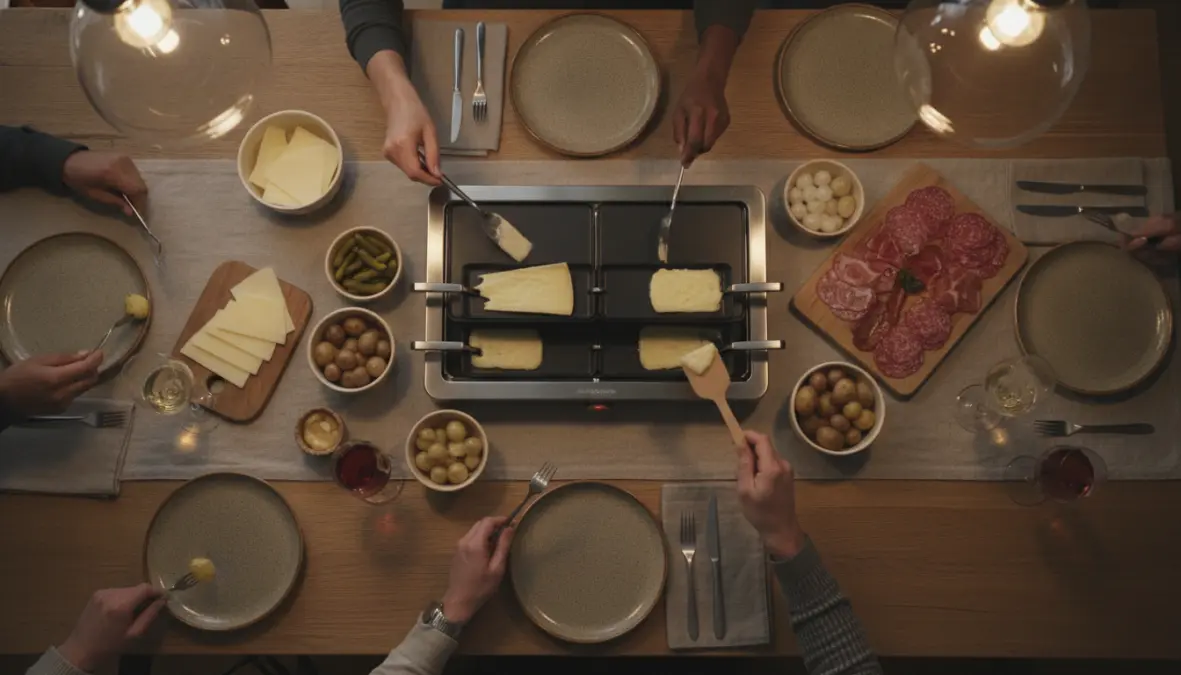
The most authentic experience involves the classic method: a half-wheel of cheese placed in a special raclette melter or held near a wood fire, with each person scraping their own portion. This theatrical presentation adds drama to the meal, though it requires the proper equipment and a full wheel of cheese. Modern raclette grill tradition adaptations include electric tabletop grills with individual trays (called “coupelles”) where each diner melts their own cheese slices. These convenient appliances often feature a top grill for cooking vegetables, charcuterie, or seafood while the cheese melts below.
Candle-powered raclette sets offer a middle ground—more intimate than electric versions while requiring less cheese than the traditional half-wheel method. For an authentic raclette recipe experience at home, electric grills with individual pans work wonderfully, though investing in a proper raclette melter for half-wheels creates an unforgettable centerpiece if you’re hosting larger gatherings.
Essential Accompaniments for an Authentic Raclette Experience
While the cheese is the star, traditional raclette accompaniments and sides play crucial supporting roles. Small, firm-fleshed potatoes (ideally fingerling or Charlotte varieties) form the foundation—boiled with skins on until just tender. The acidity of cornichons and pickled pearl onions cuts through the cheese’s richness, while dried meat (charcuterie) like viande des Grisons or prosciutto adds savory depth.
Swiss tradition dictates drinking either dry white wine (particularly Fendant from Valais) or hot tea with raclette. This isn’t mere preference—the Swiss believe cold beverages cause the cheese to solidify in your stomach, leading to discomfort. The crisp acidity of Fendant complements the melting cheese perfectly, making it the classic pairing. Some regions add fresh vegetables like cherry tomatoes, mushrooms, or bell peppers, though purists might argue these modern additions stray from tradition. Much like Sweden’s fika tradition, raclette represents a cultural pause that prioritizes connection over convenience.
How to Prepare an Authentic Raclette Meal at Home
Ready to host your own swiss alpine raclette dinner party? Here’s how to make traditional swiss raclette that would make a Valais shepherd proud. First, source quality cheese—plan for 200-250 grams per person (roughly half a pound), as raclette is wonderfully filling. The best raclette cheese from switzerland will be labeled “Raclette du Valais AOP” or simply “Raclette Suisse,” available at specialty cheese shops or online.
Prepare about 4-5 small potatoes per person, boiling them 20-30 minutes until tender but not falling apart. Set out bowls of cornichons, pickled onions, and sliced charcuterie. Slice your raclette cheese into pieces about 2-3mm thick if using an electric grill, or prepare your half-wheel if using traditional equipment. Room temperature cheese melts more evenly, so remove it from refrigeration 30 minutes before serving.
Create the right atmosphere: dim the lights slightly, light candles, and set the table with individual plates and the raclette grill as the centerpiece. As the meal progresses, encourage guests to experiment with their combinations—some prefer cheese directly on potatoes, others create little assembled bites with all accompaniments. Common mistakes include slicing cheese too thick (it won’t melt properly), overcrowding the grill, or rushing the experience. Remember, raclette is about the journey, not the destination.
For beverages, serve that crisp white wine or hot tea, and consider ending the meal with a small glass of schnapps or kirsch—the Swiss swear this aids digestion after such a rich feast. This approach to communal raclette dining experience mirrors other food traditions that emphasize togetherness, much like Moroccan tagine gatherings or West African fufu meals.
FAQ
What cheese is used for traditional raclette?
Authentic raclette uses Raclette du Valais AOP, a semi-hard Swiss cow’s milk cheese from the Valais region. This traditional raclette cheese has a creamy texture and nutty flavor that becomes wonderfully smooth when melted. While other Swiss raclette varieties exist, Valais cheese remains the gold standard.
How do you eat raclette in Switzerland?
The cheese is melted and scraped onto your plate over boiled potatoes, then accompanied by cornichons, pickled onions, and black pepper. Diners take turns melting and eating at a leisurely pace, making it a social experience lasting 2-3 hours. It’s typically paired with dry white wine or hot tea.
What is the difference between raclette and fondue?
While both are Swiss melted cheese traditions, fondue involves dipping bread into a communal pot of melted cheese, whereas raclette involves scraping melted cheese onto individual plates. Raclette uses a single cheese variety and includes substantial accompaniments like potatoes, while fondue typically blends multiple cheeses and focuses on bread.
Can you use other cheeses for raclette?
While authentic raclette requires Raclette cheese, you can substitute Gruyère, Emmental, or Fontina in a pinch. However, these won’t melt with the same creamy consistency or deliver the characteristic flavor. For an authentic raclette recipe, stick with proper Raclette cheese.
What wine pairs with raclette?
Fendant, a crisp white wine from Valais, is the traditional pairing. Other dry white wines like Chasselas, Sauvignon Blanc, or unoaked Chardonnay also work well. The acidity cuts through the cheese’s richness and aids digestion.
How much raclette cheese per person?
Plan for 200-250 grams (7-9 ounces) of cheese per person for a full raclette meal. This might seem generous, but the melted raclette cheese is the main protein and fat source of the meal, making it surprisingly filling alongside the potatoes and accompaniments.
Whether you’re discovering this swiss alpine dining tradition for the first time or perfecting your technique, raclette offers something increasingly rare in our fast-paced world—a meal that forces you to slow down, connect with others, and savor the simple pleasure of good cheese, good company, and good conversation. So gather your friends, fire up the grill, and let the cheese bring everyone together.