The Philosophy of Italian Aperitivo: Understanding Italy’s Sacred Pre-Dinner Ritual
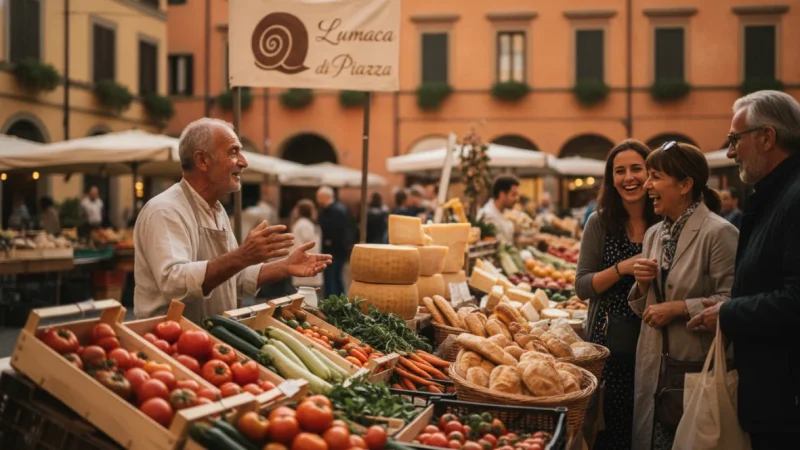
Picture this: it’s 7 PM on a warm evening in Milan. The workday has ended, but dinner is still hours away. Instead of rushing home, locals gather at their favorite bars, standing elbow-to-elbow with friends and strangers alike, sipping bright orange Spritzes and nibbling on olives. This isn’t just another happy hour—it’s the italian aperitivo tradition, a daily ritual that transforms the mundane transition between work and leisure into something approaching an art form. In a world obsessed with productivity, aperitivo represents a radical act: the deliberate choice to pause, connect, and savor the moment before the evening truly begins.
What Makes Italian Aperitivo More Than Just a Drink
When people ask what is the Italian aperitivo tradition, they often expect a simple answer about pre-dinner drinks. But reducing aperitivo to its literal components—alcohol and snacks—misses the entire philosophy. The aperitivo culture Italy has perfected isn’t about drinking; it’s about transitioning. It’s the sacred pause that separates the demands of work from the intimacy of home, creating a third space where Italians decompress, reconnect, and remember there’s more to life than deadlines.
Unlike the American happy hour, which often feels like a race to consume discounted drinks before returning to obligations, the aperitivo social ritual operates on an entirely different frequency. There’s no rush, no pressure to order another round, no obligation to stay or leave. You might linger for twenty minutes or two hours. The point isn’t efficiency—it’s the opposite. It’s the deliberate act of staccare, literally “detaching” from the day’s stresses.
The tradition traces its roots to eighteenth-century Turin, where vermouth was created as a medicinal tonic to stimulate the appetite before meals. But modern aperitivo has evolved far beyond its digestive origins into something resembling a social contract. Just as Swedish fika creates community through coffee breaks, aperitivo serves as the glue holding Italian social fabric together. It’s where business deals are discussed informally, where new friendships begin, where the day’s gossip gets exchanged. In a culture that values relationships above almost everything, this daily ritual isn’t frivolous—it’s essential.

The Unwritten Rules: Timing, Drinks, and Aperitivo Etiquette
Understanding when is aperitivo time in Italy is non-negotiable: the sacred window runs from approximately 6:00 PM to 8:30 PM. Arrive earlier and you’ll find empty bars; come later and you’ve missed the point entirely—you’re now in dinner territory. This aperitivo hour tradition aligns perfectly with Italian work schedules and the late dining culture, creating a natural buffer zone in the evening’s rhythm.
The aperitivo etiquette surrounding what to drink matters more than you’d think. This is the domain of bitter liqueurs and low-alcohol cocktails specifically designed to stimulate appetite rather than satisfy it. The classic choices signal you understand the tradition: a Spritz (Aperol or Campari with prosecco), a Negroni, an Americano, a simple vermouth with soda. Ordering a strong spirit like whiskey or a full glass of wine suggests you’ve confused aperitivo with actual drinking. Similarly, asking for a beer might work in some casual settings, but it’s not quite capturing the spirit.
The physical aperitivo etiquette is equally important. Standing is perfectly acceptable—even preferred in many establishments. Italians dress casually but intentionally; you won’t see gym clothes or pajama-adjacent loungewear. There’s an unspoken understanding that aperitivo deserves a certain presentation, a nod to the dolce vita principle that life’s pleasures deserve proper respect. As for payment, splitting bills down to the last cent isn’t common. Usually, someone offers to pay, with the understanding it’ll balance out over time—aperitivo operates on social credit, not transactional precision.
Classic Aperitivo Drinks and What They Represent
The Italian cocktail culture surrounding aperitivo drinks reveals fascinating regional identities. The Spritz—that luminous orange beacon of aperitivo hour—dominates northern Italy, particularly Venice where it originated. Whether you choose Aperol (sweeter, gentler) or Campari (bitter, more assertive) says something about your palate and perhaps your personality. The Negroni, equal parts gin, Campari, and sweet vermouth, signals sophistication and a preference for complexity. The Americano (Campari, sweet vermouth, soda) offers a lighter alternative with historical cachet.
Regional preferences run deep. Turin natives often opt for straight vermouth with a twist, honoring their city’s legacy as the drink’s birthplace. In Milan, the Negroni Sbagliato (“wrong” Negroni, made with prosecco instead of gin) has cult status. These aren’t arbitrary choices—they’re cultural markers, tiny declarations of identity served in chilled glasses.
The Food Component: From Stuzzichini to Apericena
The relationship between aperitivo and food has evolved dramatically, creating two distinct experiences. Traditional aperitivo offers simple stuzzichini (nibbles)—olives, chips, nuts, perhaps some cheese or salami. These aren’t meant to fill you up; they’re appetite teasers, something to occupy your hands while you talk.
Then there’s apericena (aperitivo + cena/dinner), a phenomenon that exploded in Milan and spread throughout northern Italy. For a fixed price or with your drink, you gain access to elaborate buffets featuring pasta, pizza, salads, and more. It’s enough to constitute dinner, which is precisely the point for budget-conscious locals and students. Traditional purists argue this bastardizes the concept—aperitivo should prepare you for dinner, not replace it. But the evolution reflects changing lifestyles and economics. Much like Turkish meze culture celebrates shared small plates, apericena emphasizes communal grazing and convivial dining, even if it’s shifted the original purpose.
Regional Variations and How to Experience Authentic Aperitivo Culture
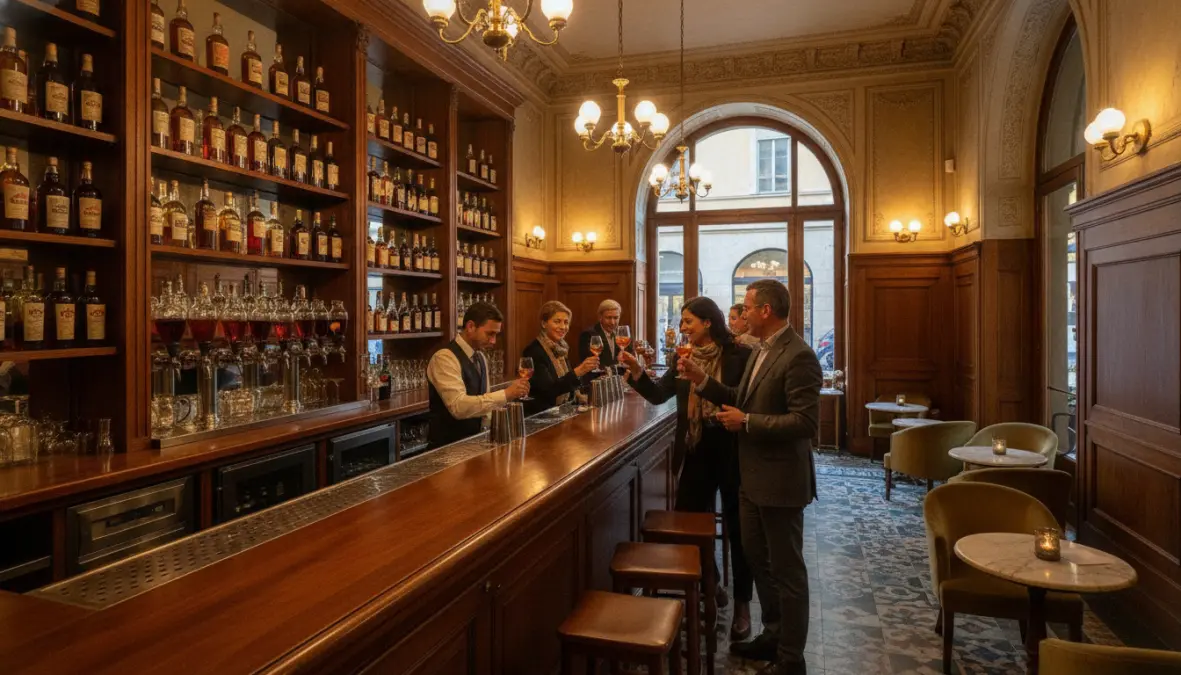
When exploring how to experience authentic Italian aperitivo, understanding regional nuances transforms tourists into informed participants. Milan embodies aperitivo’s most evolved (or corrupted, depending on perspective) form. The Navigli district overflows with bars offering elaborate apericena spreads. Locals arrive around 7 PM, plate piled strategically high, making this their evening meal before perhaps continuing to the night’s actual activities.
Turin, aperitivo’s birthplace, maintains a more formal approach befitting its elegant architecture. Here, northern Italy traditions lean toward quality over quantity—exceptional vermouth in refined settings, perhaps accompanied by gourmet antipasti rather than all-you-can-eat buffets. Venice owns Spritz culture completely; trying to order anything else almost feels disrespectful. Romans approach aperitivo more casually, often incorporating it into their evening passeggiata (ritual stroll) through centro storico.
Southern Italy presents an interesting contrast. While the concept exists, it’s less formalized, often blending into the general café culture. The rigid timing relaxes, the drinks vary more widely, and the social ritual integrates more fluidly into the extended family networks that dominate southern social life.
For visitors wanting to understand Italian aperitivo culture explained through experience rather than observation, follow these guidelines: choose bars where locals outnumber tourists; don’t arrive before 6:30 PM or after 8:00 PM; order one of the classic drinks rather than inventing your own cocktail; don’t rush; engage in conversation if you’re with others; observe how Italians balance drinking with snacking. The difference between aperitivo and happy hour becomes visceral when you’re actually participating—it’s the difference between consuming and experiencing, between efficiency and enjoyment.
Ultimately, understanding why is aperitivo important in Italian culture requires recognizing it as philosophy disguised as happy hour. In a world that increasingly blurs work-life boundaries, aperitivo draws a firm line: work has ended, home hasn’t begun, and this liminal space belongs to pleasure, connection, and the radical act of being present. Like Argentina’s asado ritual that builds community through shared meals, aperitivo reminds us that the best moments in life often happen in the margins, when we’re deliberate about creating space for joy. It’s not about the Spritz in your hand—it’s about remembering that efficiency isn’t life’s highest goal, and that sometimes the most productive thing you can do is absolutely nothing at all.