
The Ethiopian Coffee Ceremony: A Sacred Journey Through Jebena Buna Tradition
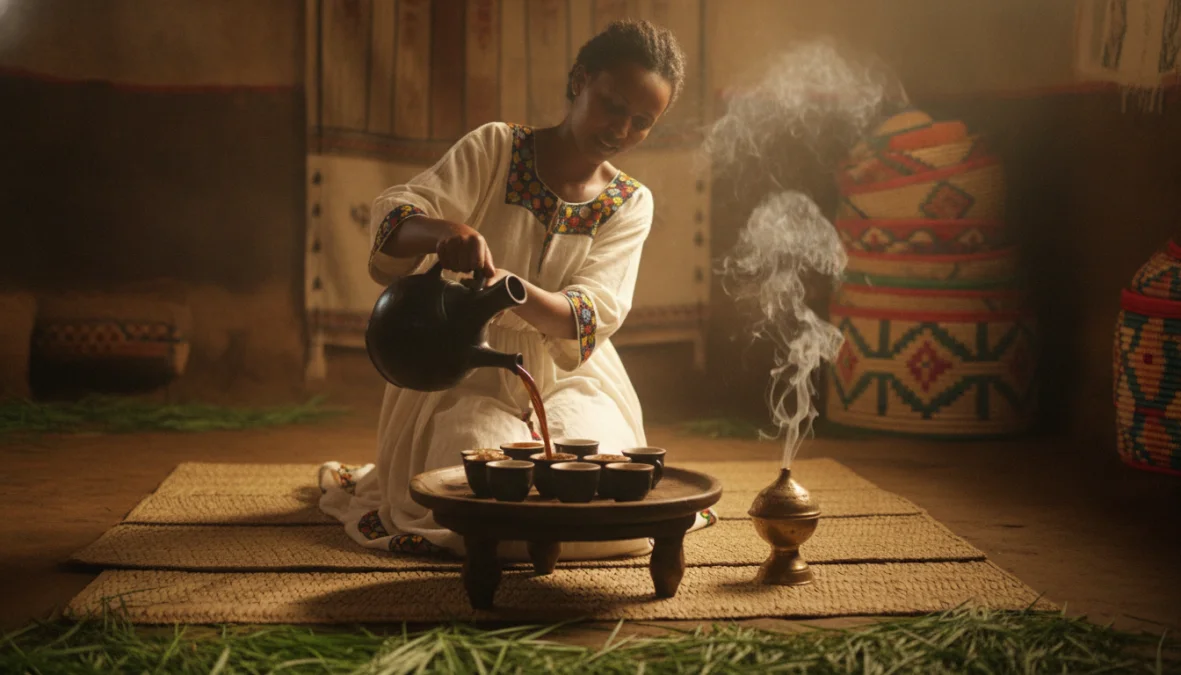
Picture this: you’re invited into an Ethiopian home, and before you know it, you’re not just getting coffee—you’re embarking on a spiritual journey that’s been practiced for centuries. The Ethiopian coffee ceremony, known as jebena buna, isn’t just about caffeine; it’s a sacred ritual that binds communities, honors guests, and connects people to something deeper. This ancient tradition, recognized as UNESCO intangible cultural heritage, transforms the simple act of brewing coffee into a multisensory experience that engages all your senses and feeds your soul.
What is the Ethiopian Coffee Ceremony?
The Ethiopian coffee ceremony is far more than just making coffee—it’s a cornerstone of Ethiopian hospitality and social life. Known as the buna ceremony (“buna” meaning coffee in Amharic), this traditional coffee ceremony is performed to welcome guests, celebrate special occasions, or simply bring family and community together during daily life. In Ethiopia, if someone invites you for coffee, expect to clear your schedule for at least an hour, because rushing through this ritual would be considered deeply disrespectful.
The meaning of Ethiopian coffee ceremony extends beyond the beverage itself. It’s a spiritual practice that creates sacred space for conversation, storytelling, and connection. The ceremony serves as social glue, strengthening bonds between family members, neighbors, and even strangers. Women traditionally lead the ceremony, passing down this knowledge through generations, though anyone can learn and participate. The ritual typically happens three times a day in many Ethiopian households—morning, noon, and evening—making it as essential to daily life as meals themselves.
This ethiopian coffee tradition holds particular significance because Ethiopia is widely considered the birthplace of coffee, where the legendary goat herder Kaldi first discovered the energizing beans centuries ago. The ceremony represents cultural identity, spiritual reflection, and communal unity all rolled into one fragrant, aromatic experience. Much like the Swedish fika tradition, it emphasizes that the ritual and connection matter more than speed or convenience.
The Three Sacred Rounds: Jebena Buna Process Step-by-Step
Understanding how to perform ethiopian coffee ceremony reveals the meticulous care embedded in every step. The ritual begins with preparing the space—fresh grasses or flowers are scattered across the floor, creating a natural carpet that fills the room with earthy scents. Frankincense incense is burned, its aromatic smoke purifying the space and signaling that something sacred is about to unfold.
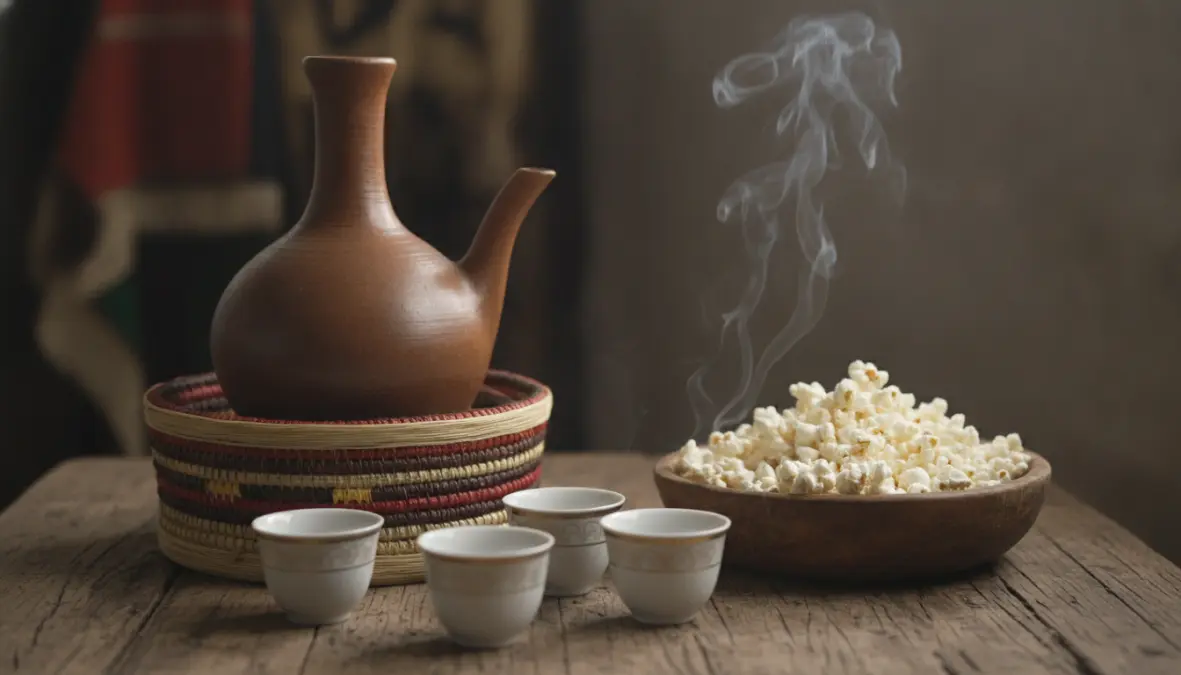
The ceremony centers around the jebena coffee pot, a distinctive clay coffee pot with a spherical base, narrow neck, and spout. This traditional vessel is essential to the entire process. Here’s how the ethiopian coffee ceremony steps unfold:
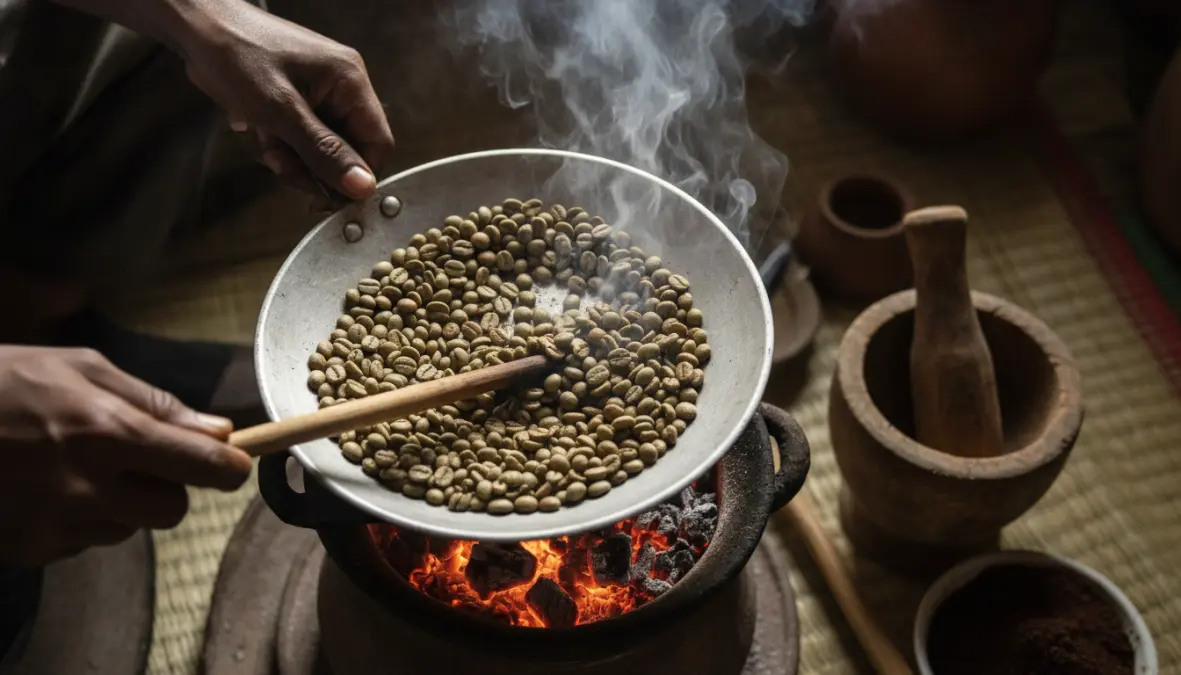
First, the host washes the green coffee beans in water, inspecting them carefully. Then comes the most theatrical part—roasting green coffee beans in a flat pan over an open flame or charcoal. The beans are constantly stirred and shaken until they turn dark brown and release their intoxicating aroma. The host walks around the room with the roasting pan, allowing everyone to inhale the rich fragrance—this sensory blessing is considered an integral part of the experience.
Once roasted, the beans are ground using a traditional mortar and pestle called a “mukecha,” producing a coarse powder. The grounds are then added to the jebena filled with water and placed over the fire to brew. As the coffee boils and froths, the host skillfully pours it from a height into small handleless cups called “sini,” demonstrating both artistry and precision.
The coffee ceremony ethiopia tradition includes three rounds of coffee, each with distinct spiritual significance:
- Abol (first round): The strongest brew, representing transformation and awakening
- Tona (second round): Made by adding more water to the same grounds, symbolizing balance and reflection
- Baraka (third round): The weakest but most spiritually significant, meaning “blessing” in Amharic
Throughout the ceremony, popcorn snacks or traditional bread are served as accompaniments—the popcorn itself carries symbolic meaning, representing the transformation of the raw into something greater. The entire coffee ritual spiritual experience can take anywhere from 30 minutes to three hours, depending on the occasion and number of participants. Similar to the Japanese matcha ceremony, every movement holds intention and meaning.
The Cultural Significance and Modern Practice of Ethiopian Coffee Tradition
The ethiopian coffee culture places women at the heart of this tradition. Mothers teach daughters the intricate steps, passing down not just technique but cultural wisdom. The ceremony embodies feminine spiritual authority and domestic artistry, though in modern times, anyone interested can learn and perform it. This gender association isn’t about exclusion but about honoring the traditional knowledge keepers who’ve preserved this practice.
The traditional coffee ceremony serves as a cornerstone of Ethiopian social fabric. Important conversations happen during these gatherings—families resolve conflicts, communities make decisions, and friendships deepen. Refusing an invitation to coffee is considered offensive because you’re not just declining a beverage; you’re rejecting an opportunity for genuine human connection. The ethiopian coffee ceremony etiquette requires patience, respect, and full presence—checking your phone or rushing would violate the spirit of the gathering.
Coffee holds profound economic and cultural importance for Ethiopia, where it accounts for a significant portion of the nation’s export revenue. The country produces some of the world’s finest coffee varieties, with regions like Yirgacheffe, Sidamo, and Harrar renowned among coffee connoisseurs globally. For Ethiopians, coffee isn’t just a crop—it’s identity, heritage, and daily spiritual practice rolled into one.
Today, the traditional ethiopian coffee ceremony at home continues in both urban and rural Ethiopia, though modern life has introduced variations. In the diaspora, Ethiopians maintain this tradition as a way to preserve cultural identity and teach younger generations their heritage. Coffee houses in Addis Ababa and beyond still perform ceremonies for tourists and locals alike, though these commercial versions often condense the timeline. Despite adaptations, the core elements remain: the jebena, the three rounds, the incense, and most importantly, the communal spirit.
Much like injera unites Ethiopians through shared meals, the coffee ceremony creates bonds that transcend time and distance. In an increasingly fast-paced world, this ancient practice reminds us that some things—connection, mindfulness, hospitality—shouldn’t be rushed. The ceremony stands alongside other sacred food traditions like the symbolism of rice in Asian cultures and bread traditions worldwide as testament to how food and beverage rituals carry profound cultural meaning.
Preserving the ethiopian coffee tradition means more than maintaining a quaint custom—it’s about protecting a living link to ancestry, spirituality, and communal values that modern society desperately needs. Whether performed in a rural Ethiopian village or an apartment in New York, the ceremony offers the same gift: the radical act of slowing down and truly being present with others.
FAQ
How long does an Ethiopian coffee ceremony take?
A complete ethiopian coffee ceremony typically takes between 30 minutes to three hours, depending on the formality of the occasion and the number of participants. The three rounds of coffee require time to roast, grind, brew, and serve properly—this isn’t something you can rush.
What does jebena mean?
Jebena refers to the traditional clay or pottery coffee pot used in the ceremony. This distinctive vessel with its round bottom, long neck, and spout is essential to the authentic jebena buna experience and has been used for centuries.
Why is the Ethiopian coffee ceremony important?
The ceremony is crucial for social bonding, spiritual connection, and cultural identity. It creates space for meaningful conversation, demonstrates respect for guests, and maintains living connections to Ethiopian heritage and the spiritual dimensions of daily life.
Can anyone perform the ceremony?
While traditionally performed by women who learned from their mothers and grandmothers, anyone can learn and perform the traditional coffee ceremony. The key is approaching it with respect, patience, and understanding of its cultural and spiritual significance rather than treating it as mere entertainment.