Cacio e Pepe: The History and Tradition Behind Rome’s Iconic Three-Ingredient Pasta
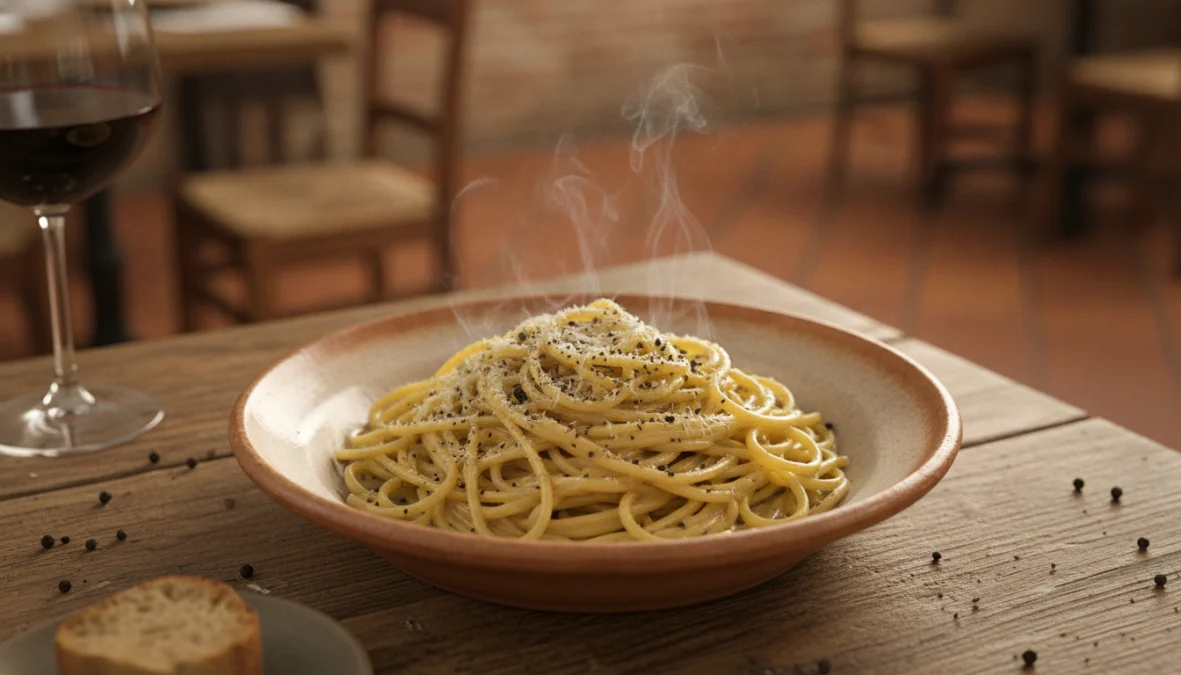
In the heart of Rome, where cobblestone streets whisper centuries of stories, a simple pasta dish has captivated food lovers worldwide with just three humble ingredients. Cacio e pepe – literally “cheese and pepper” – represents the quintessential paradox of Italian cuisine: extraordinary complexity born from radical simplicity. This dish’s journey from the rugged mountains of Lazio to Michelin-starred tables across continents reveals a fascinating tale of cacio e pepe history tradition that continues to inspire chefs and home cooks alike.
The Ancient Origins: From Roman Shepherds to Trattorias
The cacio e pepe history begins not in Rome’s elegant restaurants, but in the windswept pastures of the Lazio countryside. For centuries, pecorari – Lazio’s sheep herders – traversed the Apennine Mountains during seasonal transhumance, moving their flocks between summer and winter grazing grounds. These journeys, sometimes spanning hundreds of kilometers, required provisions that could withstand weeks without refrigeration.
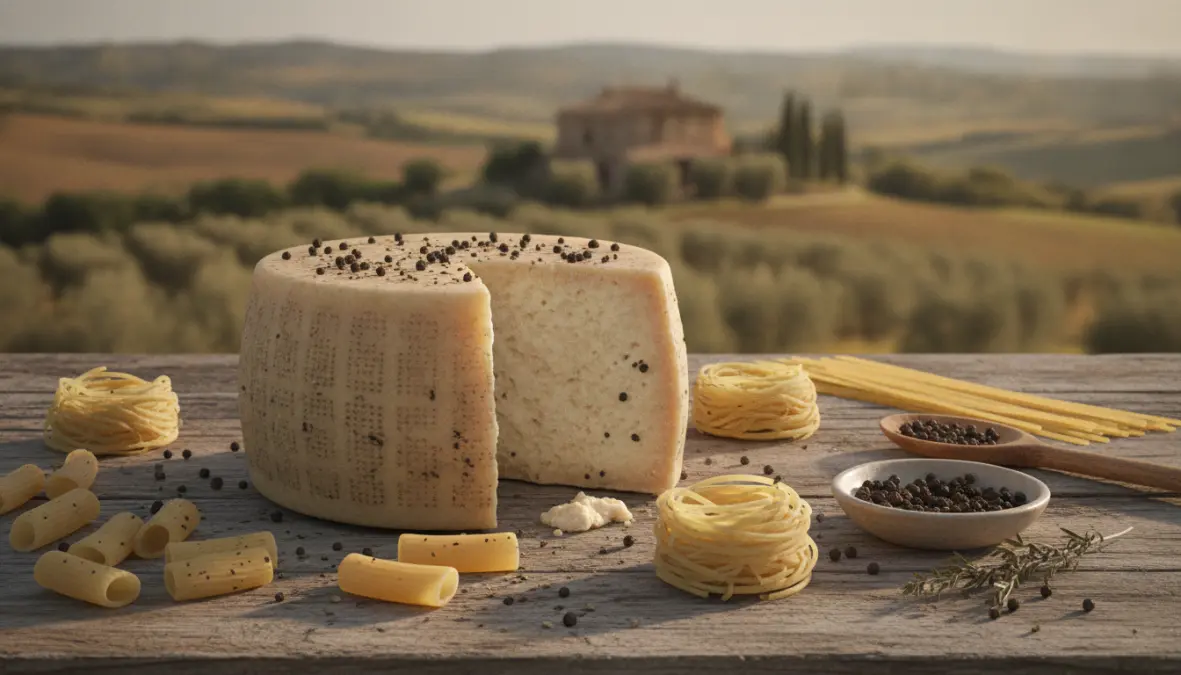
The genius of this Roman pasta tradition lies in its pastoral origins. Shepherds carried dried pasta, wheels of aged pecorino romano (made from their own sheep’s milk), and peppercorns – three ingredients that could survive the arduous journey while providing substantial nourishment. Around campfires under starlit skies, they would boil pasta in minimal water, creating a creamy emulsion with grated cheese and the starchy cooking liquid, then finish with a generous grinding of black pepper.
Documentary evidence of cacio e pepe remains elusive before the 20th century, primarily because it was considered cucina povera – peasant food unworthy of aristocratic recipe collections. However, oral traditions passed down through generations of Roman families confirm its deep roots in pastoral culture. By the early 1900s, the dish had migrated from mountain camps to Roman trattorias, where it became a beloved staple of the city’s working-class neighborhoods. Much like how risotto alla Milanese represents Milan’s culinary identity, cacio e pepe evolved into an emblem of Roman gastronomy.
Why These Three Ingredients? The Genius of Simplicity
The selection of pecorino romano, black pepper, and dried pasta wasn’t arbitrary – it was brilliant survival strategy. Pecorino romano, aged for months, develops a hard, salty rind that preserves the cheese naturally without refrigeration. Its intense, sharp flavor means a little goes a long way, essential when every ounce carried mattered.
Black pepper, beyond its flavor, served as both preservative and status symbol. Though more affordable than exotic spices traveling the same routes as those that shaped curry traditions, peppercorns still represented valuable currency. Their antimicrobial properties helped preserve food, while their pungent heat disguised any off-flavors in aging provisions.
Dried pasta, particularly tonnarelli or the thicker spaghetti variants, could last indefinitely when kept dry. The transhumance lifestyle demanded foods that were lightweight, calorie-dense, and virtually indestructible – criteria these three ingredients met perfectly.
The Sacred Technique: Tradition Meets Chemistry
Understanding cacio e pepe tradition means recognizing that this dish is as much about technique as ingredients. The hallowed method involves creating a perfect emulsion – a stable suspension of cheese in starchy pasta water that coats each strand with creamy, peppery sauce. This process, called mantecatura, represents culinary alchemy that has frustrated countless cooks.
Traditional preparation demands precise temperature control. If the pasta water is too hot, the pecorino seizes into grainy clumps. Too cold, and the cheese won’t melt properly. Roman nonnas developed an intuitive feel for this sweet spot, typically removing the pan from direct heat before adding cheese, tossing vigorously to create friction-generated heat while the residual warmth melts the pecorino into silk.
The most common mistakes reveal why mastery takes years: adding cheese directly to boiling water creates rubbery strings; insufficient pasta water means inadequate starch for emulsification; over-tossing can break the emulsion. These pitfalls explain why even experienced chefs approach cacio e pepe with respect bordering on reverence.
A vibrant debate divides purists from innovators. Traditionalists insist on only pecorino romano, freshly ground tellicherry black pepper, and tonnarelli or rigatoni. Some modern chefs add a touch of butter for insurance, or blend in parmigiano for milder flavor – modifications that scandalize Roman grandmothers but illustrate the dish’s evolution. This tension between preservation and innovation mirrors the broader story of how traditional foods maintain cultural significance while adapting to new contexts.
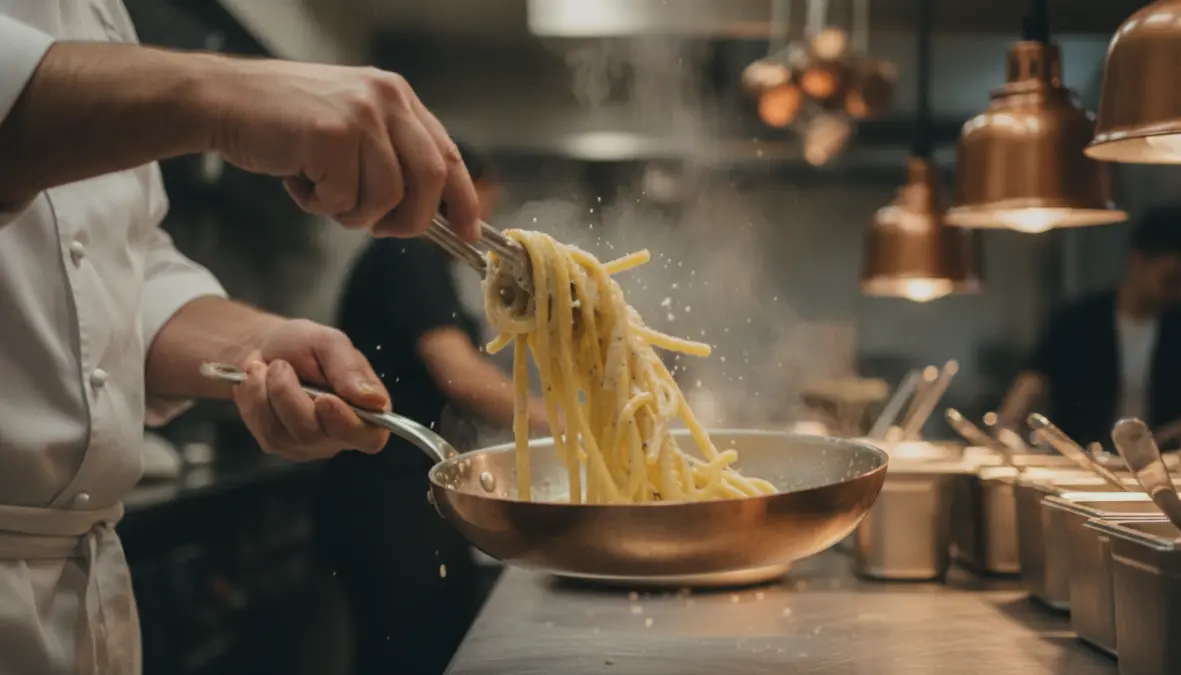
The Global Conquest: How Cacio e Pepe Became an International Phenomenon
Cacio e pepe’s international explosion began in the early 2000s, accelerated by celebrity chefs showcasing Roman cuisine on television. The dish’s Instagram-worthiness – glossy pasta enrobed in creamy sauce, dramatic pepper showers – made it perfect for social media’s visual culture. Food tourism to Rome surged, with visitors seeking “authentic” cacio e pepe experiences, ironically often finding simplified versions in tourist-trap restaurants.
Michelin-starred establishments from New York to Tokyo now feature cacio e pepe, sometimes with luxury additions like truffle or prepared tableside in hollowed pecorino wheels. While these theatrical presentations stray from shepherds’ simplicity, they’ve introduced millions to Roman culinary tradition. The dish’s adaptability – similar to how dumplings have traveled globally – allows reinterpretation while maintaining core identity.
What facilitates this global success? Unlike complex dishes requiring obscure ingredients, cacio e pepe’s components are internationally available. The technique, though challenging, is teachable. Most importantly, it delivers maximum flavor impact with minimal pretension – a democratic dish that feels simultaneously rustic and refined.
FAQ: Common Questions About Cacio e Pepe
What does cacio e pepe mean?
“Cacio” is Roman dialect for cheese (specifically pecorino), while “pepe” means pepper. The name literally translates to “cheese and pepper,” perfectly describing this minimalist pasta dish.
Is cacio e pepe really only three ingredients?
Traditionally, yes: pasta, pecorino romano, and black pepper. Some modern versions add butter or olive oil, though purists consider these unnecessary if the technique is properly executed. Salt comes from pasta water and the cheese itself.
What type of pasta is traditional for cacio e pepe?
Tonnarelli (square-cut spaghetti) is most traditional, though rigatoni and regular spaghetti are common. The key is choosing pasta with enough surface area to hold the sauce, typically long or tube-shaped varieties.
Why is cacio e pepe so hard to make?
The difficulty lies in creating a stable emulsion. Temperature control is critical – too hot and the cheese clumps, too cool and it won’t melt smoothly. Mastering the mantecatura technique requires practice and understanding the chemistry behind it.
How old is the cacio e pepe recipe?
While exact dating is impossible, the dish likely originated centuries ago among Lazio shepherds during transhumance. It became documented as a Roman staple in the early 20th century, though its pastoral roots extend much further back in the region’s history.
From mountain campfires to global menus, cacio e pepe’s journey embodies how authentic tradition can thrive without rigid boundaries. This three-ingredient miracle reminds us that true culinary greatness doesn’t demand complexity – just respect for ingredients, mastery of technique, and the wisdom of generations who perfected simplicity itself. Next time you twirl those creamy, peppery strands, you’re not just eating pasta; you’re tasting centuries of Roman history, one delicious bite at a time.