The Art of Spanish Jamón: Understanding Ibérico vs Serrano and the Cured Ham Tradition
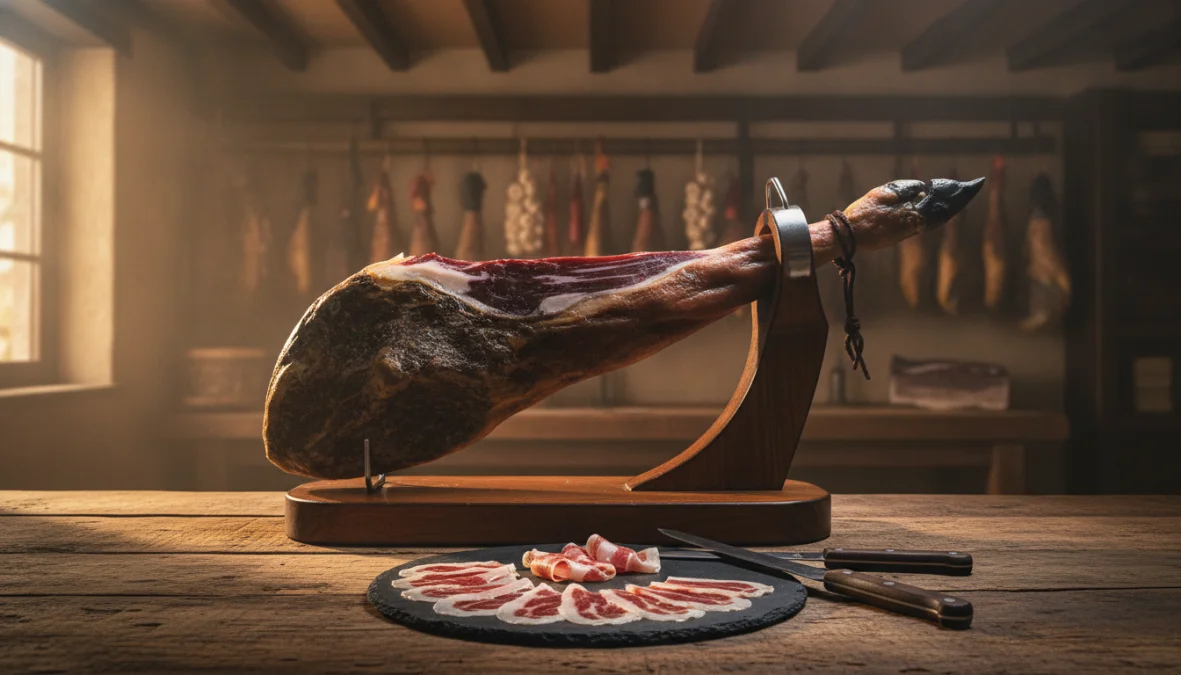
Picture this: a dimly lit bodega in Andalusia, where whole legs of cured ham dangle from the ceiling like edible chandeliers. The cortador de jamón approaches with his long, flexible knife, and with surgical precision, begins carving paper-thin slices that practically melt on your tongue. This isn’t just food—it’s centuries of Spanish heritage wrapped in marbled, ruby-red perfection. Welcome to the world of jamon spanish tradition, where patience, craftsmanship, and a bit of porcine magic come together to create one of the world’s most revered delicacies.
Much like the Argentine asado tradition brings people together around fire and meat, Spanish jamón serves as a cultural centerpiece that transforms ordinary moments into celebrations. But understanding Spanish ham means diving deep into a world where not all jamón is created equal.
The Rich Heritage of Spanish Jamón Tradition
The roots of spanish ham culture stretch back over two millennia, when Romans first introduced salt-curing techniques to the Iberian Peninsula. What began as a practical preservation method evolved into an art form that defines Spanish gastronomy today. The jamon spanish tradition isn’t just about food—it’s woven into the fabric of Spanish life, appearing at weddings, festivals, Sunday family gatherings, and even as the star of impromptu tapas nights.
In Spain, jamón transcends social classes. You’ll find it gracing Michelin-starred tasting menus and humble neighborhood bars with equal reverence. The spanish cured ham tradition reflects the Mediterranean diet’s emphasis on quality fats, minimal processing, and time-honored techniques. Different regions have developed their own specialties: Extremadura with its vast dehesas (oak forests), Guijuelo in Salamanca, the mountains of Huelva near Jabugo, and Teruel in Aragon each stake their claim to jamón excellence. The denominacion de origen (protected designation of origin) system ensures that these regional traditions maintain their integrity and quality standards.
Ibérico vs Serrano: Understanding the Two Kings of Spanish Ham
Ask any Spaniard about iberico vs serrano ham, and you’ve opened a conversation that could last hours. While both represent the pinnacle of spanish ham types, they’re as different as Champagne and Prosecco—both sparkling wines, but worlds apart in character, production, and price point. Understanding the difference between iberico and serrano ham is essential for any jamón enthusiast.
Jamón Ibérico: The Premium Black Label Experience
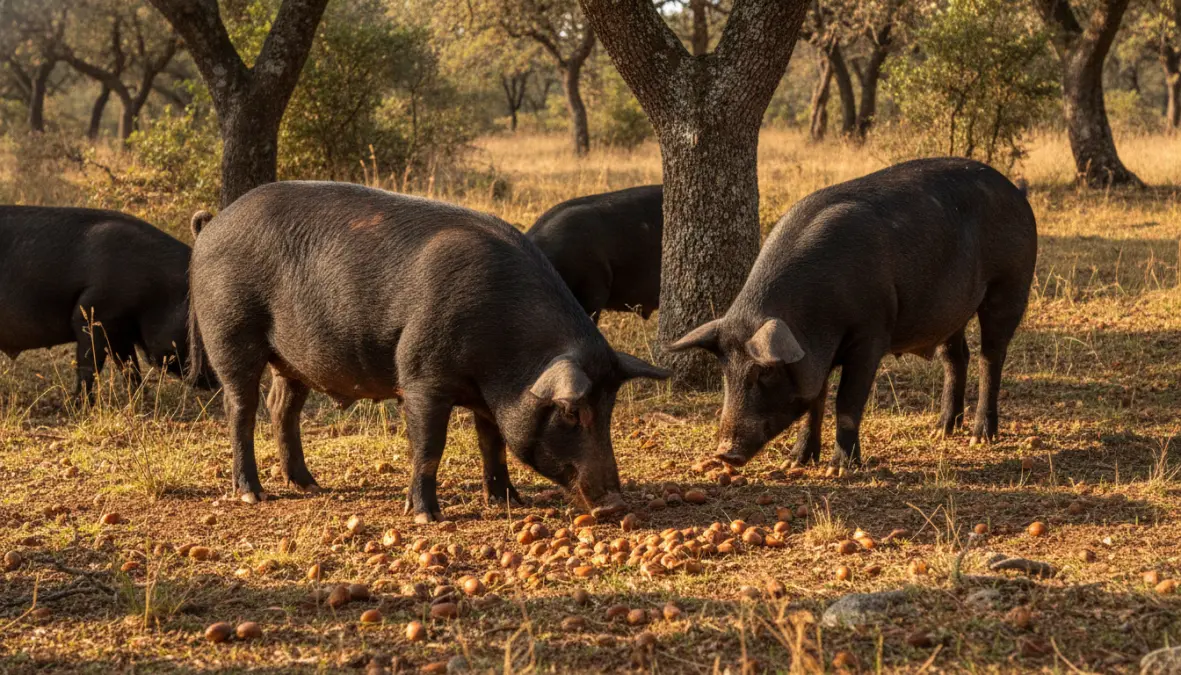
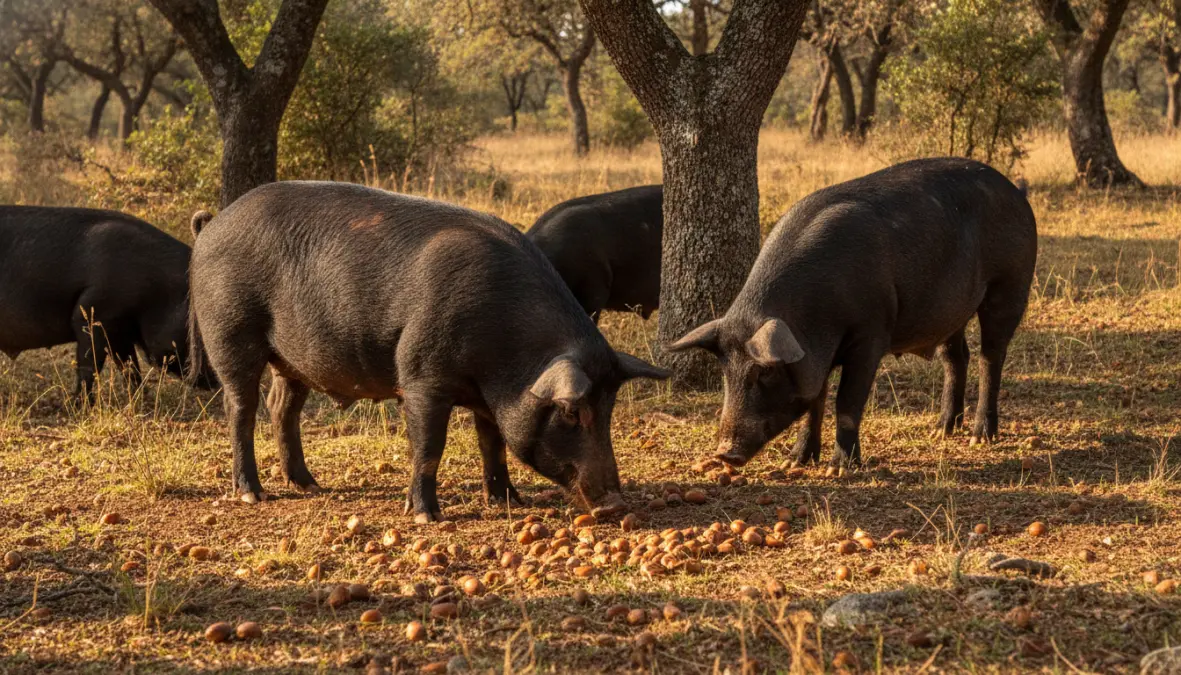
When people ask what makes iberico ham so expensive, the answer starts in the dehesa. Jamón iberico tradition revolves around indigenous Iberian black pigs—recognizable by their dark hooves, hence the nickname pata negra (black foot). These aren’t your ordinary pigs; they’re descended from wild Mediterranean boar and possess a unique ability to infiltrate fat into their muscle tissue, creating that gorgeous marbling.
The classification system for Ibérico ham reads like a luxury goods catalog. At the top sits Jamón Ibérico de Bellota, from pigs that roam freely through oak forests during the montanera season (October to March), gorging on bellota acorns. These dehesa acorn-fed pigs can gain up to 80 kilos during this period, and the acorn diet infuses the meat with nutty, complex flavors and heart-healthy oleic acid. Below that sits cebo de campo (field-raised with supplemental feed) and cebo (grain-fed in barns).
The iberian ham aging process for premium Bellota can extend 36 to 48 months. The meat develops an intense, nutty sweetness with a buttery texture that literally dissolves on your palate. Protected regions like Dehesa de Extremadura, Guijuelo, Los Pedroches, and Jabugo maintain strict quality controls. Prices? A single leg of top-tier Bellota can cost €600-1,000 or more—but for devotees, it’s worth every euro.
Jamón Serrano: The Everyday Spanish Delicacy
Don’t let the word “everyday” fool you—jamón serrano production yields spectacularly delicious ham, just with a different profile. Serrano comes from white domestic pigs (Duroc, Landrace, or Large White breeds) raised on conventional feed. The name “serrano” references the sierra (mountain ranges) where traditional curing takes place in cool, dry climates.
The production timeline moves faster than Ibérico—typically 9 to 18 months depending on the leg’s size and desired intensity. The flavor profile leans cleaner and more straightforward: salty, savory, and satisfying without Ibérico’s complex nuttiness. The texture is slightly firmer, and the fat presents as white rather than Ibérico’s creamy ivory with golden undertones.
Regions like Teruel and Trevélez have earned their own denominacion de origen status for Serrano excellence. Trevélez, perched in Granada’s Sierra Nevada mountains at over 1,200 meters elevation, produces remarkably delicate Serrano thanks to its microclimate. Price-wise, quality Serrano costs a fraction of Ibérico—making it perfect for sharing plates and everyday enjoyment, cooking applications, or introducing newcomers to spanish charcuterie tradition.
The Curing Process: From Farm to Table
Understanding how is spanish jamon made traditionally reveals why this spanish cured ham commands such respect. The curado curing process follows four distinct phases that haven’t changed fundamentally in centuries. First comes salting: legs are buried in sea salt for about one day per kilo of weight, drawing out moisture. After washing off the salt, legs enter a cold room (3-6°C) for several weeks to let salt distribute evenly throughout the meat.
Next comes the drying phase, where temperature gradually increases and humidity decreases, prompting more moisture loss. Finally, aging in bodegas or cellars allows the magic to happen. Why is spanish ham hung to cure? Hanging promotes even air circulation and gradual enzymatic breakdown that develops complex flavors. The iberian ham aging process can extend beyond three years for premium products, while Serrano typically completes in under two years.
How long does jamon iberico age? The answer depends on classification and desired flavor intensity—Bellota Gran Reserva can age 48 months or longer. Master jamoneros assess readiness by inserting a thin bone needle into specific points, sniffing it to detect proper aroma development. Temperature and humidity fluctuations in natural cellars contribute distinctive regional characteristics.
When it comes to the best way to slice and serve jamon, technique matters enormously. A proper jamón leg holder secures the ham at the correct angle. The cortador de jamon uses a long, flexible knife to carve paper-thin slices perpendicular to the bone, adjusting angle as they work through different muscle groups. Serve at room temperature—cold dulls the flavor. Once opened, cover the cut surface with the ham’s own fat or cloth to prevent drying, and consume within a few weeks for optimal quality, similar to how you’d treat other artisanal products like those featured in our Spanish culinary traditions.
FAQ: Common Questions About Spanish Jamón
What’s the difference between Ibérico and Serrano ham?
Ibérico comes from indigenous black Iberian pigs, often acorn-fed, with intense marbling and nutty flavors, while Serrano uses white domestic pigs with cleaner, straightforward taste. Ibérico ages longer (up to 48 months) versus Serrano’s 9-18 months, resulting in significant price differences.
How long does Spanish jamón last?
An unopened whole leg can last months in proper conditions. Once cut, consume within 3-4 weeks, keeping the exposed surface covered with the ham’s own fat layer and cloth. Vacuum-sealed sliced jamón lasts several months refrigerated, but consume within days after opening.
Why is jamón Ibérico so expensive?
Premium Ibérico, especially Bellota, requires rare heritage pigs, extensive free-range acorn feeding during montanera, and aging up to 48 months. Limited production, strict quality controls, and labor-intensive artisanal methods drive costs—it’s literally years of investment per leg.
How do you properly slice jamón?
Secure the leg in a holder, use a long flexible knife, and carve paper-thin slices perpendicular to the bone at a slight angle. Work systematically through different muscle groups, adjusting technique as needed. Professional cortadores train for years to master this art.
Whether you’re savoring the nutty complexity of acorn-fed Ibérico or enjoying the straightforward deliciousness of mountain-cured Serrano, Spanish jamón represents something increasingly rare: food that demands patience, respects tradition, and rewards those willing to slow down and savor. In our fast-food world, the jamon spanish tradition reminds us that some things simply cannot—and should not—be rushed. Next time you encounter a leg of jamón, remember: you’re not just tasting cured pork, you’re experiencing centuries of Spanish culture, one translucent slice at a time.