The Sacred Tradition of Breaking Bread: Cross-Cultural Symbolism of Shared Loaves
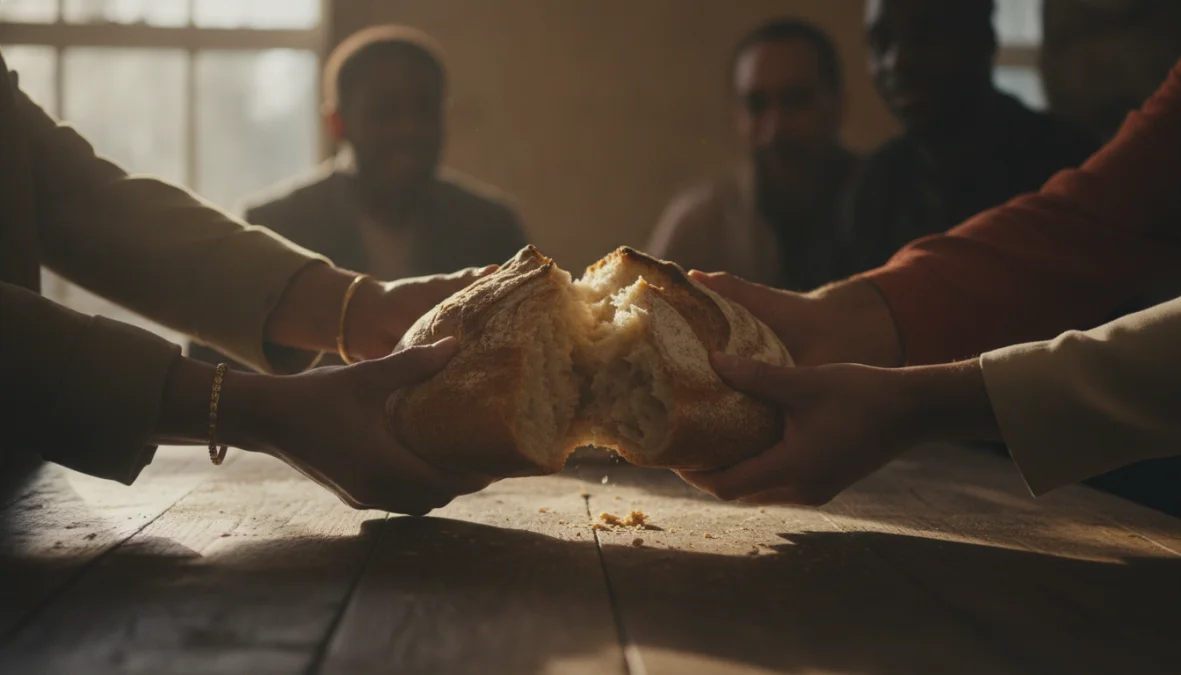
There’s something profoundly human about tearing a loaf apart and passing it around a table. Whether it’s a Sunday dinner with family, a religious ceremony, or a simple gathering of friends, the breaking bread tradition transcends language, geography, and time. This ancient practice—so simple yet so symbolic—has woven itself into the fabric of human civilization, representing everything from divine communion to everyday hospitality. But what makes this gesture so universal? The answer lies in bread itself: humble, essential, and shared. Understanding the breaking bread meaning reveals layers of shared bread symbolism that continue to nourish our souls as much as our bodies.
Sacred Bread Customs Across World Religions and Cultures
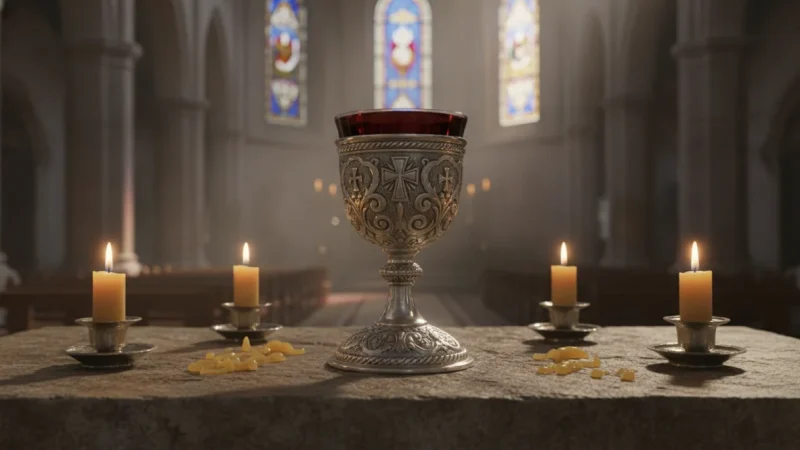
The bread breaking ceremony manifests in countless forms across the globe, each culture adding its own spiritual and social dimensions. In Christianity, the practice reaches its most sacred expression in the Eucharist and communion bread tradition, where believers commemorate Jesus’s Last Supper. The act of breaking the communion wafer or loaf symbolizes Christ’s broken body, transforming an ordinary food into a vehicle for divine presence. This liturgical practice has remained central to Christian worship for two millennia, making it one of the most enduring bread sharing rituals in human history.
In Jewish tradition, the braided challah bread graces Shabbat tables every Friday evening. The ritual involves covering the loaves, reciting blessings, and then tearing—never cutting—the bread to distribute among family members. This distinction matters: cutting with a knife suggests division, while tearing with hands emphasizes unity and sharing. During Passover, unleavened bread (matzah) commemorates the Israelites’ hasty exodus from Egypt, connecting modern Jewish communities to their ancestors through taste and tradition. These sacred bread customs demonstrate how bread in different cultures serves as a temporal bridge between past and present.
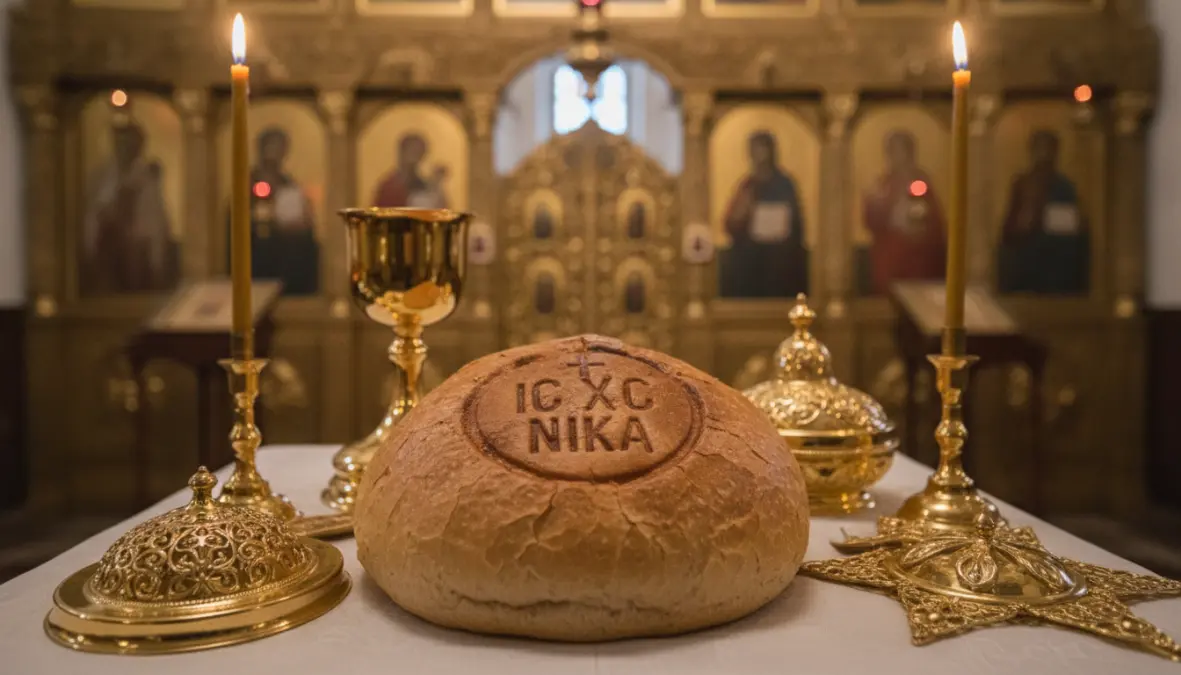
Islamic tradition embraces bread sharing during Ramadan’s iftar meals, when families and communities gather to break their daily fast. The practice of sharing bread with neighbors, regardless of their faith, embodies the Islamic principles of generosity and community care. In Eastern Orthodox Christianity, prosphora—specially baked altar bread—undergoes elaborate preparation and blessing before being distributed to congregants, transforming it from mere sustenance into sanctified offering.
Mediterranean cultures have long practiced hospitality rituals centered on bread. In rural Greece and Italy, offering bread and salt to guests remains a gesture of welcome and trust. These table fellowship traditions remind us that bread’s cultural significance extends far beyond nutrition—it’s about building bonds. Similarly, Lithuanian rye bread holds such spiritual importance that it’s blessed before eating, a practice explored in Lithuanian bread traditions, showing how regional customs preserve ancient reverence.
The Deeper Symbolism: Why We Still Break Bread Together
Understanding what does breaking bread symbolize in different cultures requires looking beyond the physical act. At its core, this tradition embodies unity. When multiple hands reach into the same loaf, individual portions become part of a shared whole. This wasn’t just metaphorical in ancient times—it was practical. One loaf, one community, one purpose. The breaking bread meaning thus becomes inseparable from concepts of equality and belonging.
The tradition also carries profound implications for peace and reconciliation. In conflict-torn regions, enemies who share bread together engage in an act of vulnerability. You don’t poison bread you’ll eat yourself, making the shared meal an implicit peace treaty. This is why the religious significance of breaking bread together often emphasizes forgiveness and renewed relationships. Sacred meals create safe spaces where differences can be acknowledged but temporarily set aside in favor of common humanity.
Hospitality represents another crucial dimension. Throughout history, offering bread to strangers transformed them into guests, extending community protection. The shared bread symbolism here speaks to openness and generosity—qualities every society claims to value but most fully express at the dinner table. This connects to broader cultural food symbolism, much like the sacred role of rice in Asian cultures, where staple foods become vessels for cultural identity.
In our digital age, where meals are often solitary and screens replace conversation, the breaking bread tradition persists precisely because it addresses something we’re losing: authentic human connection. Whether it’s European Easter bread traditions, hot cross buns, or the communal aspect of Turkish meze culture, these rituals remind us that eating together is fundamentally different from eating alone. Even practices like Swedish fika demonstrate how deliberate pauses for communal eating sustain social fabric.

FAQ: Common Questions About Breaking Bread Traditions
What does breaking bread mean spiritually?
Spiritually, breaking bread represents communion with the divine and with one another. It symbolizes shared life, mutual dependence, and sacred covenant. In Christian tradition, it commemorates Christ’s sacrifice, while in other faiths it represents gratitude, community bonds, and the sanctification of ordinary life through intentional ritual and blessing.
Why is bread used in religious ceremonies?
Bread serves as a universal staple, making it accessible and symbolically powerful. It requires cultivation, harvest, milling, and baking—representing human labor transformed into sustenance. Its simplicity makes it an ideal vessel for complex spiritual meanings, while its necessity for survival connects earthly needs with transcendent experiences of the divine.
What cultures practice bread breaking?
Virtually every culture with wheat cultivation practices some form of bread breaking. This includes Christian denominations worldwide, Jewish communities, Islamic societies, Orthodox traditions, Mediterranean cultures, European nations, and many indigenous communities. Each adapts the practice to local ingredients, beliefs, and social structures, demonstrating remarkable cultural flexibility.
How did the communion bread tradition start?
The communion tradition originated from Jesus’s Last Supper, a Passover meal where he broke bread with disciples, asking them to repeat this act in his memory. Early Christians continued this practice, which evolved into the formal Eucharist ceremony. It merged Jewish Passover symbolism with new Christian theological meaning, creating one of Christianity’s central sacraments.
What is the difference between breaking bread and simply sharing food?
While all shared meals build community, breaking bread involves intentional ritual, symbolic meaning, and often spiritual significance. It transforms eating from biological necessity into sacred act. The deliberate breaking—rather than cutting—emphasizes unity, while accompanying prayers, blessings, or ceremonies elevate the moment beyond casual dining to meaningful communion.
The breaking bread tradition endures because it addresses our deepest needs: belonging, meaning, and connection. In a world increasingly fragmented, the simple act of tearing a loaf and passing it around remains one of our most powerful rituals. Next time you share bread—whether at a formal religious service or an informal gathering—pause to recognize the ancient lineage you’re joining. You’re participating in something far older and more profound than dinner. You’re practicing an art that has sustained communities, sealed covenants, and reminded countless generations that we are, fundamentally, better together than apart.