Salmorejo: Córdoba’s Creamy Cold Soup and Andalusian Summer Tradition
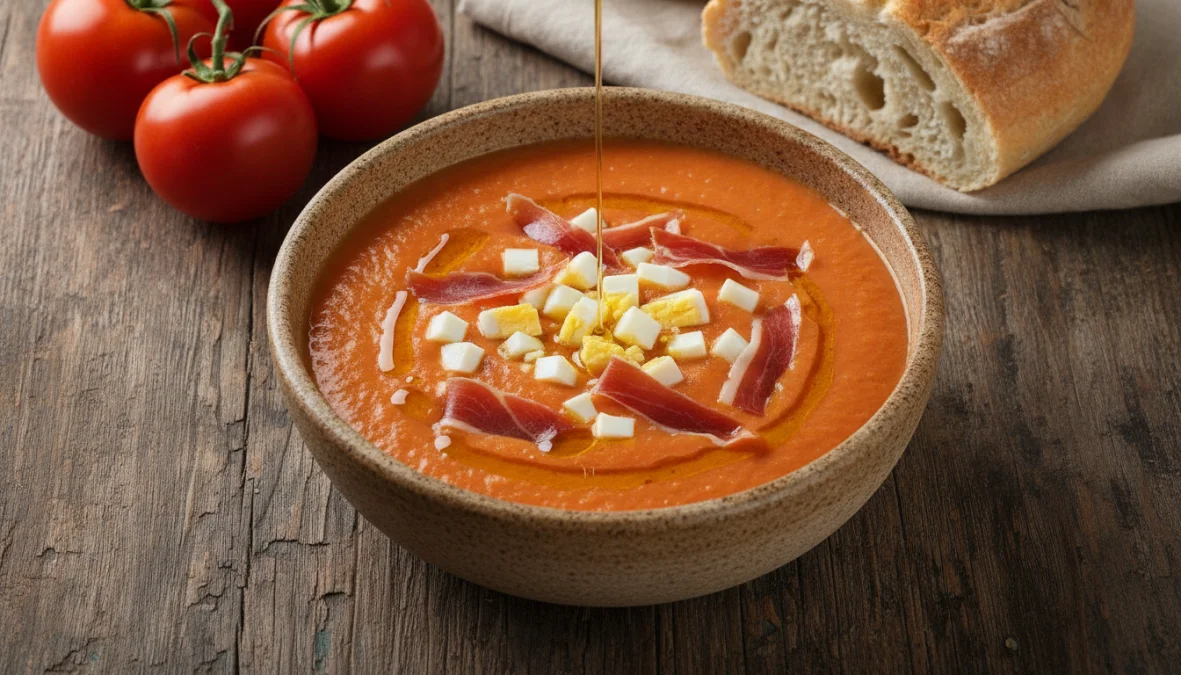
Picture this: you’re sitting in a whitewashed courtyard in Córdoba, the Andalusian sun blazing overhead, and a waiter places before you a bowl of vibrant orange-red cream, topped with glistening cubes of jamón and hard-boiled egg. That first spoonful is pure refreshment—cool, silky, and intensely tomatoey. This is salmorejo, and it’s not just another cold soup. It’s a centuries-old tradition that defines summer in Córdoba and captures the essence of Andalusian culinary heritage in every velvety bite.
What Is Salmorejo and Why Córdoba Owns This Tradition
The salmorejo Córdoba tradition runs deep in the veins of this historic city. Unlike the more internationally famous andalusian gazpacho, salmorejo is thicker, creamier, and unapologetically rich. This Cordoba cold soup originated as humble peasant food—a clever way to use stale bread, ripe tomatoes, and the liquid gold of Spanish cuisine: extra virgin olive oil. The exact origins remain debated, but food historians trace traditional salmorejo back several centuries, when Andalusian workers needed sustaining, portable meals that could withstand the scorching heat.
What makes salmorejo uniquely Cordoban? The city’s strategic position in the fertile Guadalquivir valley provided abundant tomatoes, while its olive groves supplied exceptional oil. Over generations, Córdoba cuisine perfected the balance of these ingredients into what locals simply call “salmorejo cordobés.” Today, you’ll find it served in virtually every bar and restaurant throughout the city, from humble tabernas to Michelin-starred establishments. It’s typically enjoyed as a starter or tapa, especially during the punishing summer months when temperatures regularly exceed 40°C (104°F). The soup’s cooling properties and nutrient density made it the original functional food—long before that term became trendy.
Salmorejo vs Gazpacho: Understanding the Difference
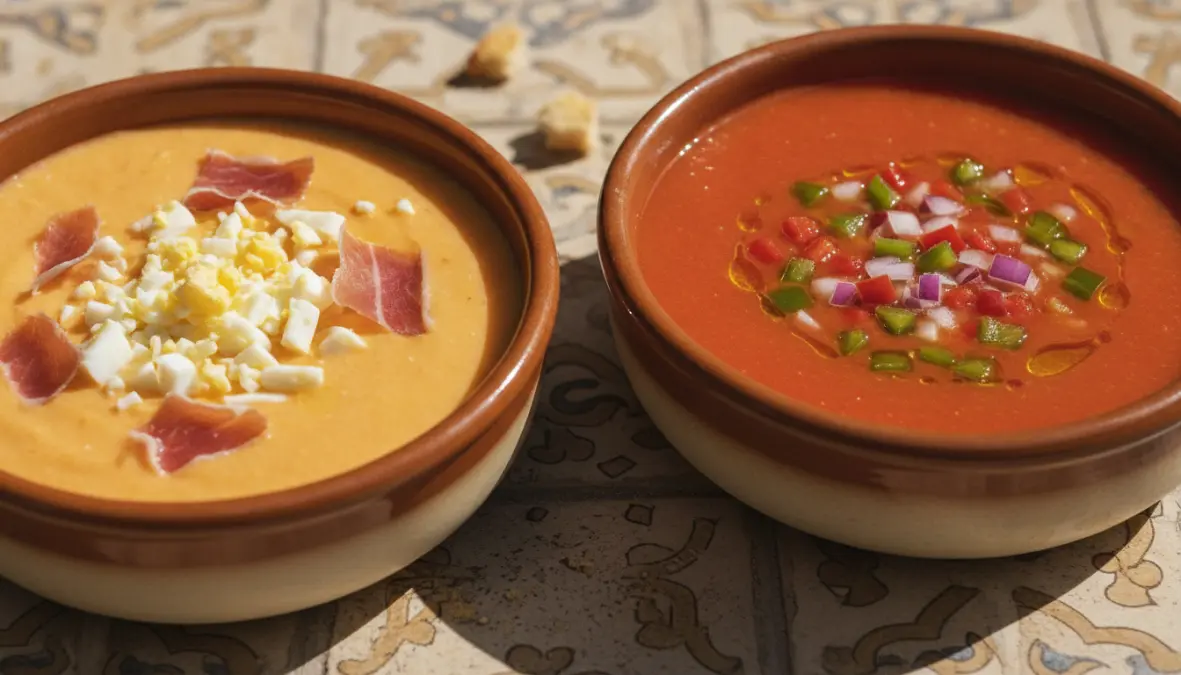
Many visitors confuse these two iconic spanish cold soup varieties, but Cordobans will quickly set you straight. While both belong to the family of Andalusian chilled soups, they’re distinctly different. Gazpacho is thinner, almost drinkable, and traditionally includes cucumbers, green peppers, and sometimes onions. Salmorejo, by contrast, contains only tomatoes, bread, garlic, olive oil, and salt—that’s it. The result is a luxuriously thick, almost mousse-like consistency that coats the spoon.
The garnishes also differ significantly. Andalusian gazpacho is often served with small diced vegetables on the side, while authentic salmorejo comes crowned with chopped jamón ibérico or serrano and finely diced hard-boiled eggs. These toppings aren’t just decorative—they add textural contrast and protein that transforms the soup into a complete meal. Think of gazpacho as a refreshing vegetable drink, and salmorejo as a creamy tomato bread soup that satisfies on a deeper level, much like how different cultures honor food traditions in unique ways, similar to Swedish fika or Turkish meze culture.
Traditional Salmorejo Recipe: Ingredients and Preparation
Ready to learn how to make authentic salmorejo cordobes? The beauty lies in its simplicity. For a traditional salmorejo recipe from Córdoba, you’ll need: 1 kg of ripe, flavorful tomatoes (preferably pear or Roma varieties), 200g of day-old white bread (crusts removed), 1-2 garlic cloves (adjust to taste), 100ml extra virgin olive oil, and salt to taste. For garnish, prepare 2 hard-boiled eggs and 100g of jamón serrano or ibérico.
The salmorejo ingredients must be quality-driven—there’s nowhere to hide inferior products in such a minimalist recipe. Start by roughly chopping the tomatoes and soaking the bread in a bit of water until softened. Blend the tomatoes, squeezed bread, garlic, and salt until completely smooth. Here’s the crucial step: with the blender running, slowly drizzle in the olive oil to create an olive oil emulsion. This technique gives salmorejo its signature creamy texture without any dairy. The mixture should be thick enough to hold the garnishes on top without them sinking.
Once blended, refrigerate for at least two hours—overnight is even better. The flavors meld and intensify during this rest period. When ready to serve, ladle into shallow bowls, drizzle with additional olive oil, and top generously with diced hard boiled eggs topping and strips of jamon iberico garnish. Some modern variations include a sprinkle of cumin or a dash of sherry vinegar, but purists insist these adulterations mask the pure tomato-bread-oil trinity. This dish exemplifies the mediterranean diet philosophy: simple ingredients, expertly combined, celebrating seasonal abundance.
Tips for Authentic Salmorejo Texture and Flavor
The difference between salmorejo and gazpacho becomes most apparent in texture. To achieve that perfect creamy consistency, use stale bread rather than fresh—it absorbs liquid better and creates a smoother emulsion. The bread-to-tomato ratio is critical: too much bread makes it pasty, too little leaves it watery. Traditional recipes call for roughly 200g bread per kilo of tomatoes, but adjust based on your bread’s density.
Garlic is the wildcard in salmorejo recipe discussions. Cordobans debate the proper amount endlessly—some prefer just a hint, others want a pronounced punch. Start conservatively with one small clove; you can always add more, but you can’t remove it. The olive oil quality matters tremendously. Use the best extra virgin you can afford, preferably a fruity Andalusian variety. The oil doesn’t just add flavor—it creates the emulsion that gives salmorejo its body. Blend slowly and steadily; rushing creates separation. Finally, always serve it cold, but not ice-cold—around 10-12°C preserves the flavors optimally.
Salmorejo in Andalusian Culture: More Than Just a Summer Dish
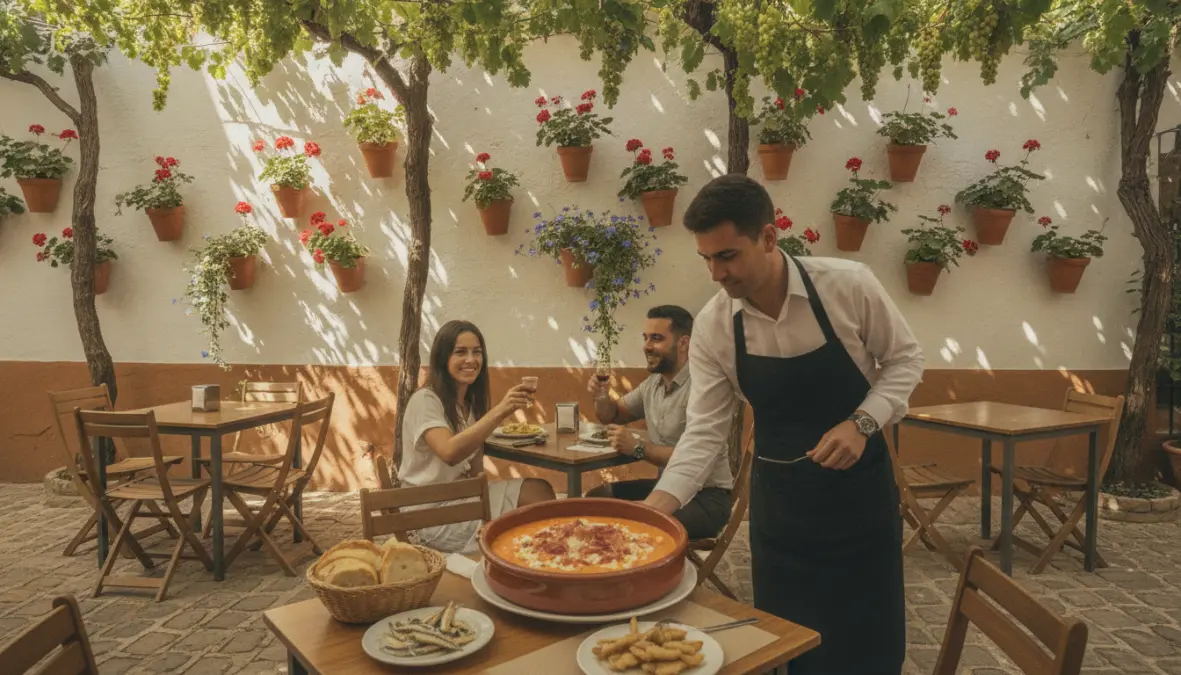
While tourists might see salmorejo as just another appetizer on the menu, for Cordobans, this spanish cold soup represents identity, heritage, and seasonal rhythm. Walk through Córdoba’s historic center during summer, and you’ll spot locals enjoying bowls of salmorejo at outdoor tables, often paired with a cold beer or fino sherry. It’s one of the quintessential spanish tapas, though substantial enough to be a light lunch on scorching days.
The salmorejo Córdoba tradition extends beyond restaurants. Home cooks prepare large batches weekly during tomato season, storing it in the fridge for quick meals. Families gather around tables laden with salmorejo, fresh bread, and olives—simple fare that fosters connection, not unlike Moroccan tagine traditions that bring people together through food.
Looking for the best salmorejo in Córdoba Spain? Head to the taverns around the Judería (Jewish Quarter) or the Mercado Victoria. Every establishment claims their version is most authentic, and honestly, the variations are subtle but passionate. Some add a touch of cumin, others insist on specific tomato varieties. What remains constant is the pride Cordobans take in this dish—it’s featured prominently during the city’s gastronomic festivals and has even earned Protected Geographical Status recognition efforts.
Salmorejo embodies sustainability before it became fashionable—using bread that might otherwise be discarded, celebrating peak-season tomatoes, and requiring no cooking energy beyond refrigeration. It’s a perfect example of how andalusian culinary heritage values resourcefulness and seasonality, principles that align beautifully with contemporary concerns about food waste and environmental impact. As one of the most beloved summer refreshing dishes, it proves that the best traditions often arise from necessity, refined over centuries into something sublime.
FAQ About Salmorejo
Can I make salmorejo ahead of time?
Absolutely! Salmorejo actually improves after resting in the refrigerator for several hours or overnight. The flavors meld together beautifully, making it perfect for meal prep or entertaining. It keeps well for 2-3 days when properly stored in an airtight container.
What bread is best for salmorejo?
Traditional recipes call for day-old white bread with the crusts removed—typically a simple rustic loaf or “pan de telera.” Avoid whole grain or heavily seeded breads, as they alter the classic flavor and color. The bread should be slightly stale for optimal absorption and texture, as explained in bread traditions worldwide.
Is salmorejo healthy?
Yes! This authentic andalusian cold soup recipe is packed with lycopene from tomatoes, heart-healthy fats from olive oil, and provides sustained energy from bread. The garnish adds protein, making it nutritionally balanced and aligned with Mediterranean diet principles.
Can salmorejo be frozen?
While technically possible, freezing isn’t recommended. The emulsion can break upon thawing, creating a grainy, separated texture. Since it keeps well refrigerated for several days, make smaller batches instead.
What can I serve with salmorejo?
Traditionally, salmorejo is substantial enough to stand alone as a first course. However, it pairs beautifully with grilled fish, tortilla española, or simply crusty bread for dipping. For a full tapas spread, serve alongside olives, manchego cheese, and other Spanish small plates.
Whether you’re planning a trip to Córdoba or bringing a taste of Andalusia to your own kitchen, salmorejo offers more than refreshment—it’s an invitation to slow down, savor simplicity, and connect with centuries of culinary wisdom. This creamy, tomatoey bowl of tradition proves that sometimes the most memorable dishes require nothing more than exceptional ingredients, time-honored technique, and the willingness to let summer’s bounty shine.