The Sacred Ritual of Turkish Tea: Understanding Çay Culture and Social Bonding
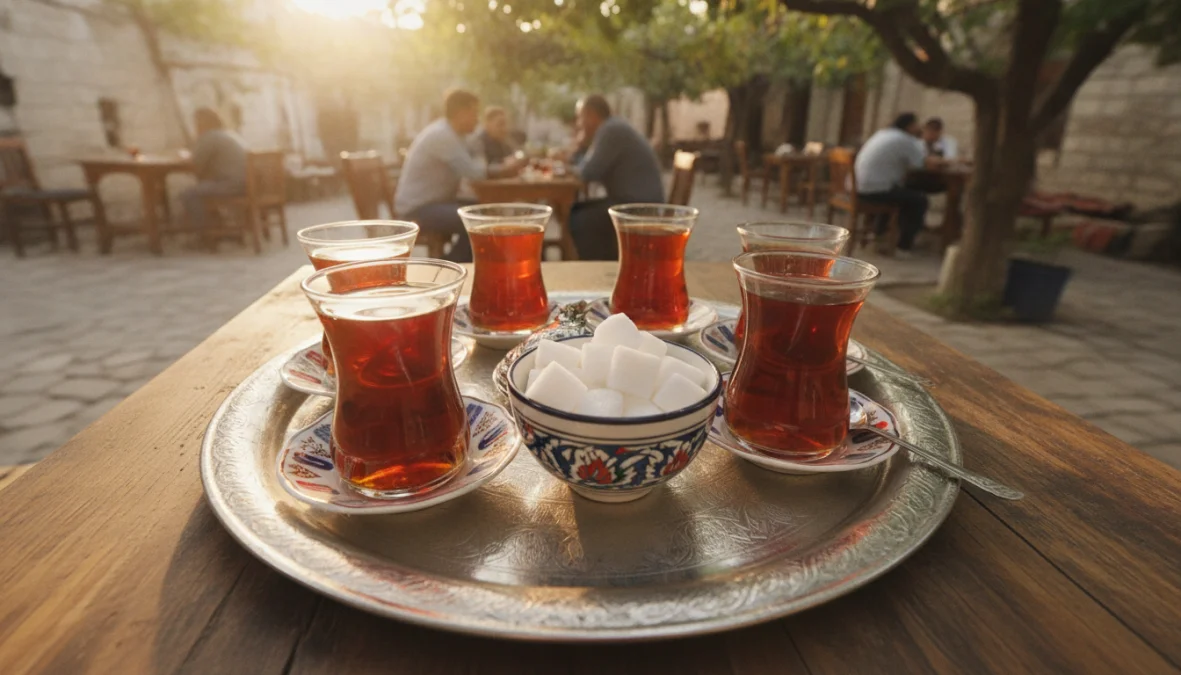
In Turkey, tea isn’t just a drink—it’s a conversation starter, a symbol of welcome, and the invisible thread that weaves through every social interaction. From bustling bazaars to quiet mountain villages, the curved silhouette of tulip-shaped glasses and the gentle clink of spoons against delicate rims create a soundtrack to daily life. Turkish tea culture represents far more than a caffeine fix; it’s a living tradition that transforms simple leaves into moments of genuine human connection.
The Heart of Turkish Tea Culture: More Than Just a Beverage
Turkey ranks among the world’s top tea consumers, with the average Turk drinking an astonishing 3-4 kilograms of tea annually—more than almost any other nation. This love affair with çay culture began relatively recently in historical terms, gaining momentum in the 1930s when the government promoted tea cultivation in the lush, humid Rize region along the Black Sea coast. Today, black tea Rize has become synonymous with quality, and the turkish tea tradition has evolved into an essential marker of cultural identity.
Walk into any Turkish home, office, or shop, and within minutes someone will offer you a glass of tea. It’s present at business negotiations and family gatherings, served on ferries crossing the Bosphorus and in remote village squares. The turkish tea culture permeates every corner of society, creating ritualized pauses throughout the day that prioritize human interaction over efficiency. This beverage has become the social lubricant that keeps Turkish society running smoothly, facilitating everything from casual chats to serious discussions about marriage proposals.
Similar to how rice holds sacred significance in Asian cultures, çay has transcended its role as mere sustenance to become a cultural cornerstone that defines Turkish identity and values.
Turkish Tea Customs: The Art of Preparation and Presentation
Understanding how to prepare traditional turkish tea requires familiarity with the iconic çaydanlık—a unique double-stacked teapot that creates the perfect brew. The bottom kettle boils water while the top pot steeps strong black tea leaves. This traditional turkish tea brewing method allows drinkers to customize their tea’s strength by adjusting the ratio of concentrated tea to hot water.
The ideal color, affectionately called tavşan kanı or “rabbit’s blood,” should be a deep reddish-amber that glows when held to the light. Achieving this perfect hue is considered an art form, and experienced tea makers take pride in their consistency. The turkish tea ceremony may be less formalized than Japanese traditions—you can explore the sacred ritual of matcha here—but it carries its own set of unwritten rules and çay rituals that everyone understands.
Tea is always served with cube sugar on the side (never milk, which would be considered sacrilege), typically on small metal trays that can carry multiple glasses. The turkish tea serving etiquette and customs dictate that the host constantly monitors guests’ glasses, offering refills before they’re even asked. An empty glass is seen as a hosting failure, not a drinking preference.

The Iconic Tulip-Shaped Glasses and Their Significance
The distinctive turkish tea glasses, known as ince belli (thin waist), feature a curves that resemble tulips—a flower deeply symbolic in Ottoman culture. These tulip shaped tea glasses turkey uses aren’t just aesthetically pleasing; they serve multiple practical functions that enhance the tea-drinking experience.
The narrow waist allows drinkers to hold the hot glass comfortably between thumb and forefinger without burning themselves. The transparent glass showcases the tea’s perfect amber color, allowing both server and drinker to appreciate the brew’s quality at a glance. The wide rim releases aromatic steam while the curved shape helps retain heat longer than a straight-sided glass would. Every design element has been refined over generations to create the optimal tea-drinking vessel, proving that turkish tea customs consider both form and function equally important.
Çay as the Language of Turkish Hospitality and Social Connection
In Turkey, offering tea is the most fundamental expression of turkish hospitality. Whether you’re visiting a carpet shop with no intention to buy, meeting your future in-laws for the first time, or simply asking for directions, someone will likely offer you çay. This turkish hospitality tea tradition creates immediate social bonds and signals trust and respect.
The cultural significance of çay in turkey becomes especially apparent in çay bahçesi (tea gardens), outdoor gathering spaces where people of all ages congregate. These tea gardens serve as democratic spaces where social barriers temporarily dissolve over shared glasses of tea. The turkish tea house culture and traditions create environments where men gather to play backgammon, discuss politics, and maintain community bonding that might otherwise fray in modern urban life.
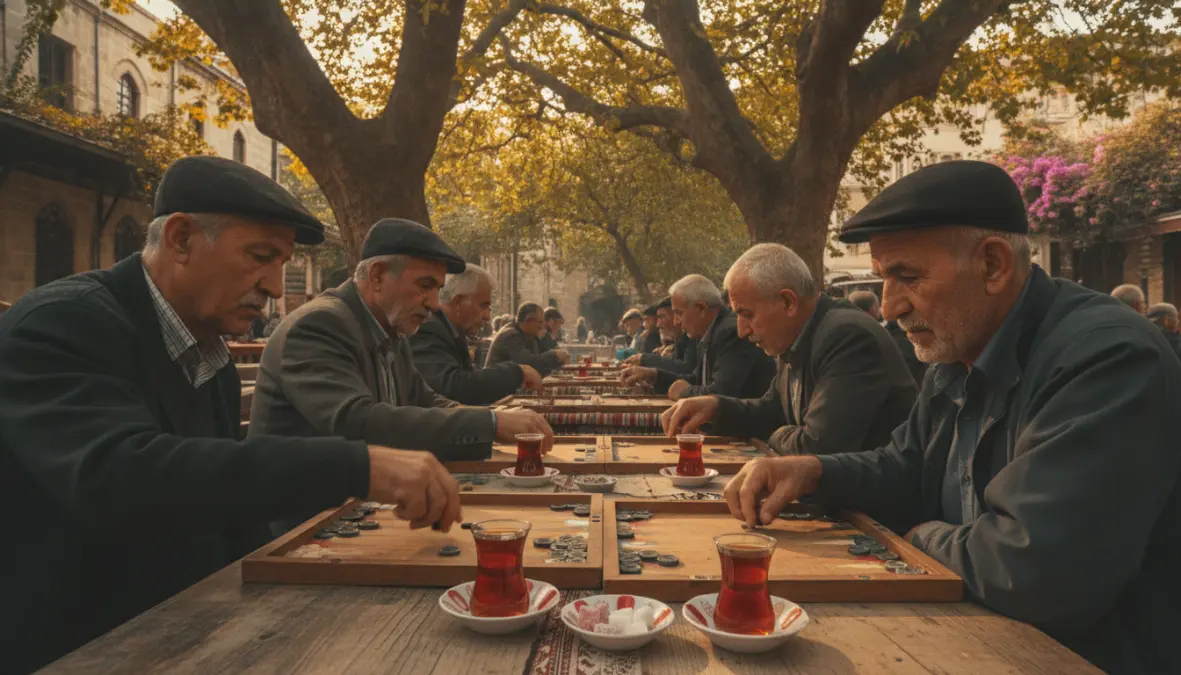
Similar to how Turkish meze culture emphasizes shared beginnings, the turkish tea social bonding rituals create frameworks for meaningful interaction. Refusing tea can be interpreted as rejecting hospitality itself, though politely explaining you’ve already had several glasses is usually acceptable. The act of sharing tea transforms strangers into acquaintances and acquaintances into friends.
Just as asado brings Argentines together and pho defines Vietnamese morning rituals, çay culture provides the rhythmic structure around which Turkish social life organizes itself. It’s present at celebrations and funerals, business deals and lazy afternoons, creating continuity across generations and circumstances.
FAQ: Common Questions About Turkish Tea Culture
How do you prepare traditional Turkish tea?
Use a çaydanlık (double teapot) with water boiling in the bottom pot and loose black tea steeping in the top. Once the water boils, pour some over the tea leaves and let it steep for 10-15 minutes. Serve by pouring concentrated tea first, then diluting with hot water to desired strength.
Why do Turkish people drink so much tea?
Tea became popular after coffee became expensive and tea cultivation succeeded in Rize. It’s now central to turkish hospitality and social gathering traditions, consumed throughout the day as a social ritual rather than just for caffeine.
What’s the difference between Turkish tea culture and other tea traditions?
While cultures like Japanese tea ceremonies emphasize meditative formality, turkish tea tradition focuses on spontaneous hospitality and continuous community bonding. It’s less about ritual perfection and more about creating connection through generous, frequent sharing.
When do Turkish people drink çay?
Essentially anytime! Breakfast, mid-morning, after lunch, afternoon breaks, evening gatherings—tea punctuates the entire day. Many Turks drink 10-20 glasses daily without thinking twice about it.
Can you refuse tea in Turkey?
While technically possible, repeatedly refusing can seem rude since offering tea expresses respect and welcome. It’s better to accept at least one glass, or politely explain you’ve already had several if you truly can’t drink more.
The next time you find yourself holding a delicate tulip-shaped glass filled with amber liquid, remember you’re not just drinking tea—you’re participating in a living tradition that has shaped a nation’s social fabric. The turkish tea culture reminds us that the most meaningful connections often happen over the simplest pleasures, one glass at a time.