Souvlaki vs Gyros: Understanding the Real Difference Between Greece’s Iconic Street Foods
Picture this: you’re strolling through the bustling streets of Athens at midnight, stomach growling, surrounded by the irresistible aroma of grilled meat and warm pita bread. You spot a food stand, but the menu leaves you puzzled—souvlaki or gyros? If you’ve ever stood there wondering about the souvlaki gyros difference, you’re not alone. These two beloved dishes are often confused, even by seasoned travelers, yet understanding what sets them apart is key to experiencing authentic greek street food like a true local.
What Is Souvlaki and What Is Gyros? Breaking Down the Basics
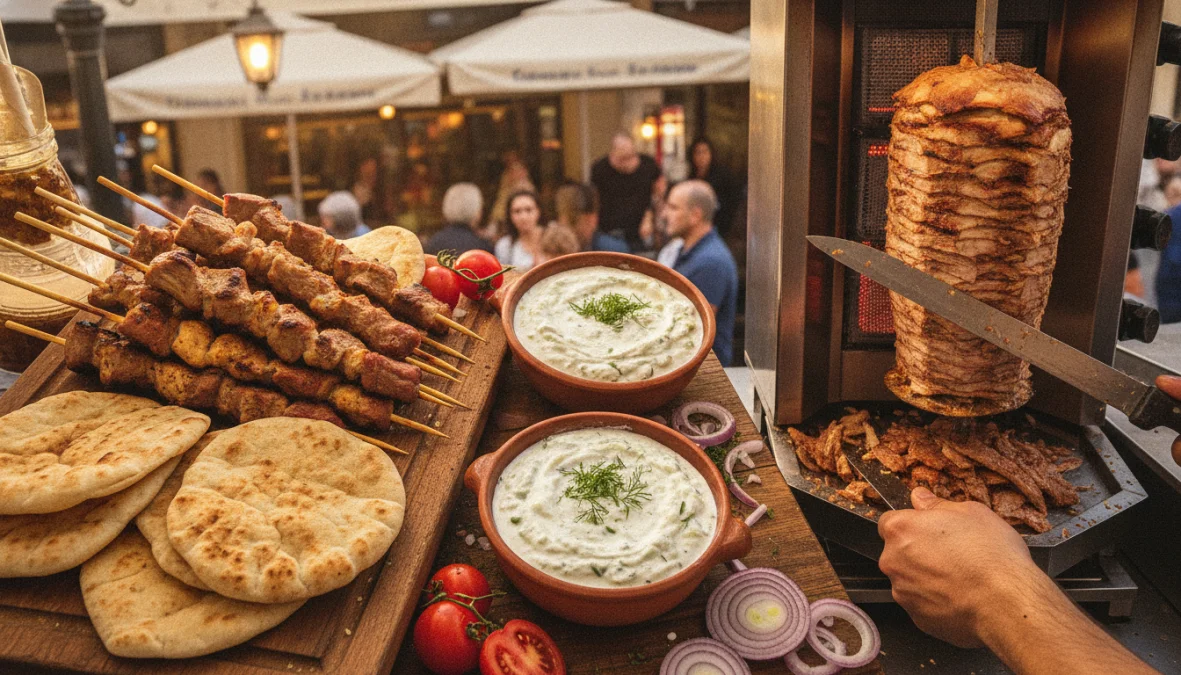
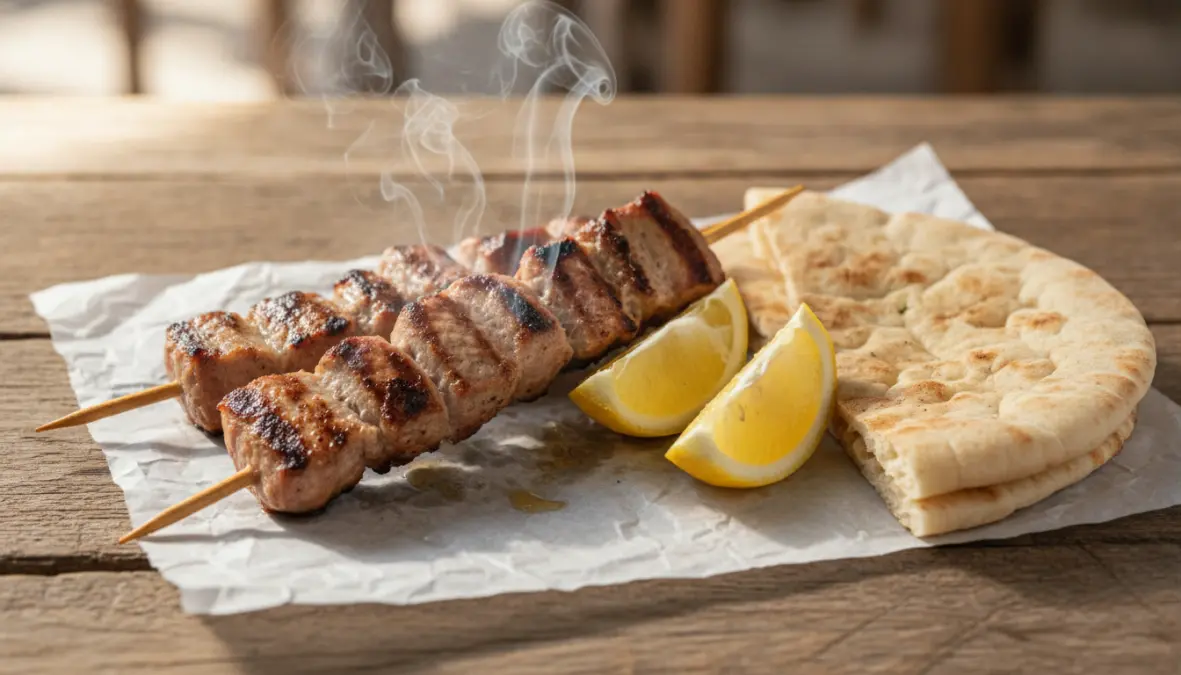
Let’s start with the fundamentals. What is souvlaki? The word comes from the Greek “souvla,” meaning skewer. Traditional souvlaki consists of small cubes of meat—typically pork, chicken, or lamb—threaded onto wooden or metal skewers and grilled over an open flame. The result is tender, charred pieces of meat with a smoky flavor that’s simply addictive. You’ll often find souvlaki served on the stick itself, with a slice of lemon and perhaps some bread on the side, though it can also be wrapped in pita bread with tomatoes, onions, and tzatziki sauce.
Now, what is gyros? This iconic dish takes its name from the Greek word for “turn” or “rotate.” Gyros features seasoned meat—usually pork, chicken, or sometimes lamb—stacked on a tall vertical rotisserie that slowly spins in front of heating elements. As the outer layer cooks to crispy perfection, it’s shaved off in thin, succulent slices. Gyros is almost always served wrapped in soft pita bread, loaded with tomatoes, onions, french fries (yes, inside the wrap!), and generous dollops of tzatziki sauce. The combination of rotisserie meat and fresh ingredients creates a complete meal in your hand.
The confusion between these two stems partly from international adaptations and partly from regional terminology within Greece itself. Many tourists assume they’re ordering the same thing, but understanding the distinction enhances your appreciation of greek cuisine and ensures you get exactly what you’re craving.
The Key Differences Between Souvlaki and Gyros
When examining the difference between souvlaki and gyros, several factors distinguish these beloved street foods. The cooking method is perhaps the most obvious: souvlaki involves skewered meat grilled directly over charcoal or gas flames, while gyros relies on the slow rotation of stacked meat on a vertical spit. This fundamental difference affects everything from texture to flavor profile.
The meat preparation varies significantly too. For souvlaki, meat is cut into roughly one-inch cubes, marinated with olive oil, lemon, oregano, and garlic, then threaded onto skewers. The souvlaki vs gyros meat preparation differs because gyros meat is thinly sliced before cooking, seasoned with a spice blend, then compressed and stacked to form a large cone that can weigh up to 100 pounds in busy establishments.
Presentation differs dramatically. Traditional greek souvlaki vs gyros presentation shows that souvlaki can be served simply on the skewer with accompaniments on the side, while gyros is predominantly a wrapped sandwich. Price points vary too—souvlaki skewers typically cost between €2-3 each, while a complete gyros wrap runs €3-5, making both incredibly affordable options for satisfying hunger.
The meat types also show variation. While pork dominates both categories in Greece (unlike the lamb-heavy versions found elsewhere), chicken souvlaki is increasingly popular, and you’ll occasionally find beef or lamb gyros. The seasoning profiles differ subtly, with souvlaki emphasizing the marinade’s herbal notes and gyros showcasing a more complex spice blend that might include cumin, paprika, and coriander.
Regional Variations Across Greece
The gyros vs souvlaki greece debate gets even more interesting when you consider regional variations. In Athens, locals often use the term “kalamaki” (little reed) instead of souvlaki when referring to the skewered meat, reserving “souvlaki” for the pita-wrapped version. This linguistic quirk can confuse visitors who’ve learned standard Greek food terminology. Meanwhile, in Thessaloniki and northern Greece, “souvlaki” consistently refers to the skewered version.
Sauce preferences vary regionally too. While tzatziki reigns supreme in most areas, some regions favor different accompaniments—spicy tirokafteri (whipped feta with hot peppers) in certain areas, or simple yogurt sauce in others. The pita bread itself varies, with some regions using thicker, chewier versions and others preferring thin, crispy flatbreads that better showcase the meat.
How to Order Like a Local
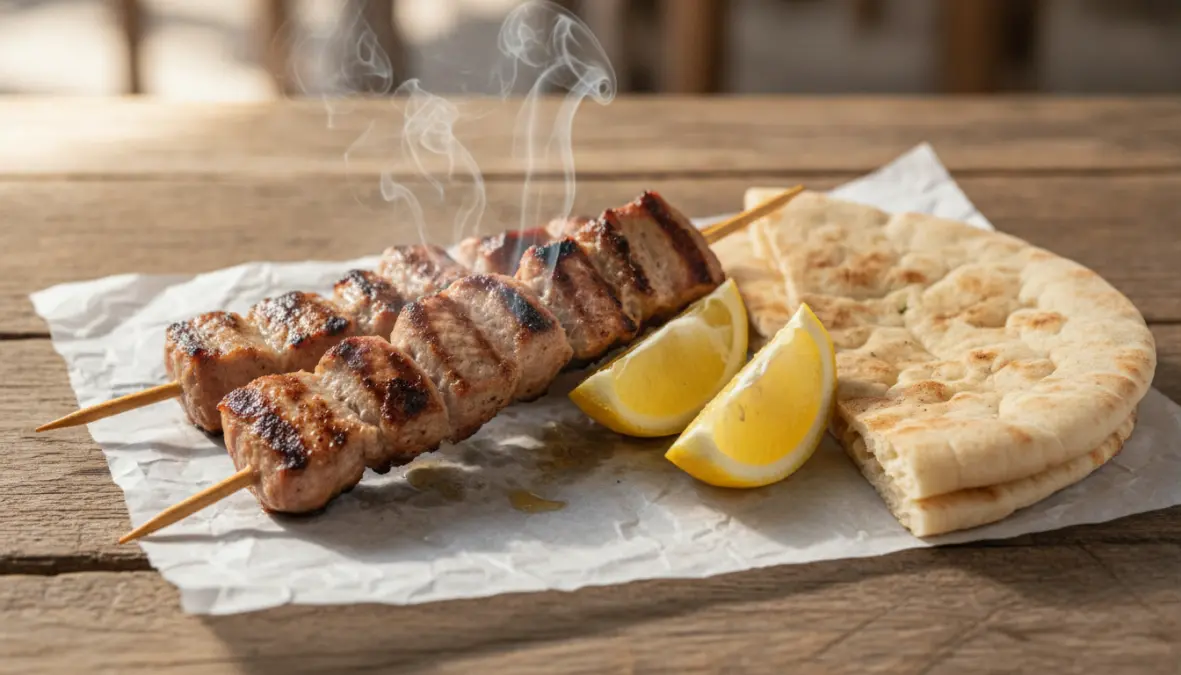
Understanding how to tell souvlaki from gyros when ordering prevents disappointment and marks you as someone who respects the culture. In Athens, ask for “kalamaki” if you want meat on a stick, or specify “gyros” for the wrapped sandwich. Clarify whether you want your order “ap’ ola” (with everything) or customize your toppings. Traditional accompaniments include tomatoes, onions, parsley, and tzatziki, but don’t hesitate to request additions or omissions.
Common tourist mistakes include expecting beef or lamb as the default (pork is king in Greece), refusing the french fries in gyros (they’re traditional, not a gimmicky addition), and comparing Greek gyros too closely to Turkish döner kebab—while related, they’re distinct preparations. When exploring athens street food, locals typically grab souvlaki skewers as a quick snack and gyros when they want a full meal. Similar to how food cultures develop distinct identities worldwide—much like Vietnamese pho culture or dumpling traditions—Greek street food carries specific meanings and rituals worth respecting.
FAQ: Common Questions About Souvlaki and Gyros
Are souvlaki and gyros the same thing? No, they’re fundamentally different dishes. Souvlaki is grilled skewered meat cubes, while gyros is thinly sliced meat from a vertical rotisserie. The cooking method, meat preparation, and traditional serving style all differ significantly.
Can you get souvlaki in a pita? Absolutely! While purists might serve souvlaki on the skewer, it’s commonly available wrapped in pita bread with the same toppings as gyros. In fact, outside Athens, this wrapped version is often what’s meant by “souvlaki.”
Souvlaki vs gyros which is better? This depends entirely on personal preference. Souvlaki offers a smokier, char-grilled flavor with distinct meat pieces, while gyros provides a softer texture with crispy edges and a more complex seasoning profile. Many Greeks love both for different occasions.
What’s the difference between Greek gyros and döner kebab? While both use vertical rotisserie cooking, döner kebab is Turkish, typically uses different spice blends, and often features beef or lamb. Greek gyros in Greece predominantly uses pork, has distinct seasoning, and traditionally includes french fries in the wrap—something you won’t find in authentic döner.
Are souvlaki and gyros gluten-free? The meat itself can be gluten-free, but the pita bread contains gluten. Some modern establishments offer gluten-free pita alternatives, or you can order souvlaki without bread or request your gyros meat in a bowl with salad instead of wrapped.
Whether you’re team souvlaki or team gyros, understanding the greek souvlaki and gyros difference enriches your culinary journey through Greece. Next time you’re wandering those aromatic streets, you’ll order with confidence, savor each bite with deeper appreciation, and perhaps spark a friendly debate with locals about which version reigns supreme. The beautiful truth? You don’t have to choose—Greece offers room in your stomach (and heart) for both these magnificent creations.