The Ancient Art of Noma-Style Fermentation: Nordic Preservation Techniques Revived
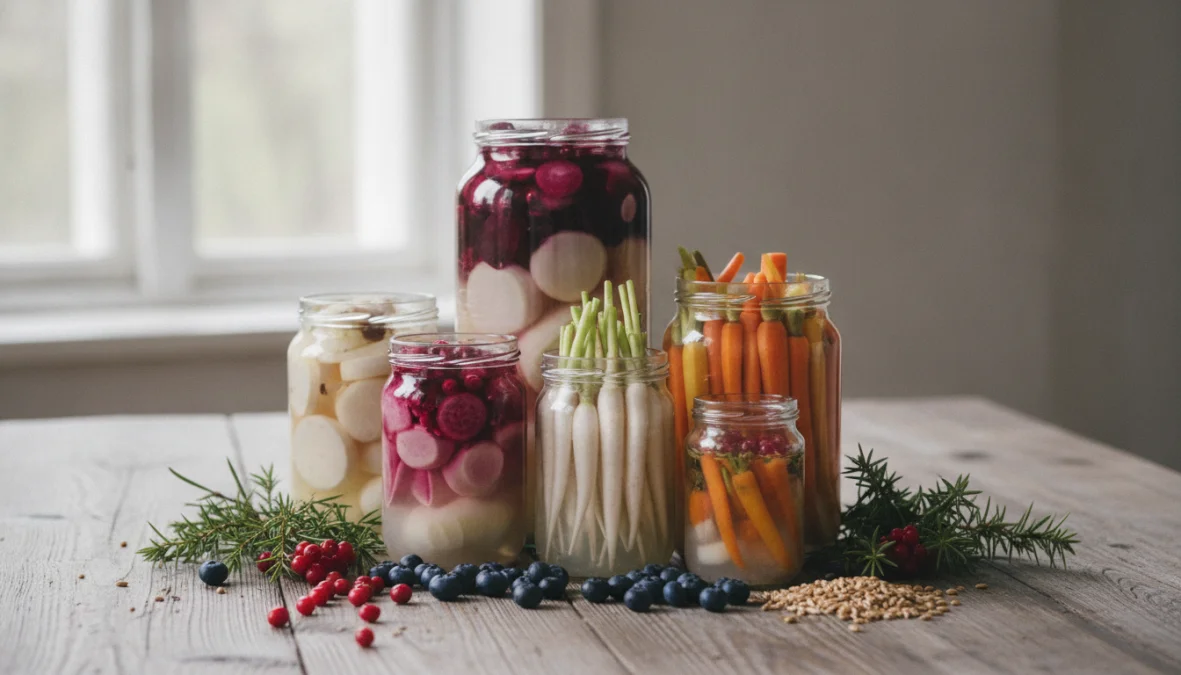
Picture a Scandinavian winter, stretching endlessly with its frozen landscapes and short, dim days. For centuries, Nordic communities couldn’t just pop to the supermarket for fresh produce—they needed to be clever. Their survival depended on transforming summer’s bounty into something that could last through those brutal months. Enter fermentation: not just a preservation method, but an art form that created complex, umami-rich flavors from simple ingredients. Today, thanks to Copenhagen’s revolutionary restaurant Noma, these nearly-forgotten nordic fermentation techniques have exploded onto the global culinary stage, transforming how chefs worldwide think about preservation and flavor.
Understanding Nordic Fermentation: From Ancient Practice to Noma’s Innovation
The story of nordic fermentation techniques begins with necessity. When your growing season lasts merely a few months and winter temperatures plummet well below freezing, traditional preservation becomes a matter of life and death. Ancient Scandinavians mastered various fermentation methods—from burying fish in the ground to creating sour porridges from grains—techniques passed down through generations before refrigeration existed.
What sets Nordic fermentation apart from other fermentative traditions is its adaptation to extreme climate conditions. Unlike the warm, humid environments ideal for Asian ferments or the temperate zones where European wine and cheese flourish, Nordic fermentation works with cold. This means slower fermentation processes, often resulting in more delicate, nuanced flavors. Think of the subtle complexity in fermented birch sap versus the punch of Korean kimchi.
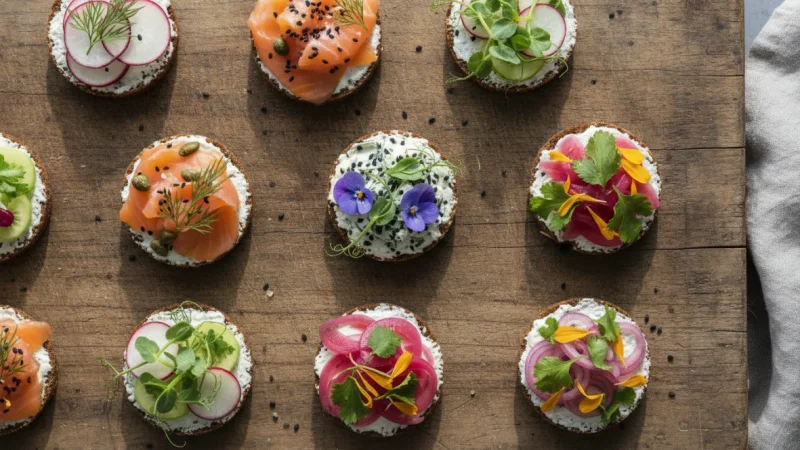
Then came Noma. Chef René Redzepi and his team didn’t just revive these methods—they revolutionized them. By treating traditional preservation as a jumping-off point rather than a rigid recipe book, they created entirely new flavor territories. Much like how Nordic smørrebrød celebrates minimalist artistry, Noma’s fermentation approach respects tradition while fearlessly innovating.
The Philosophy Behind Noma’s Fermentation Lab
In 2016, Noma opened its dedicated Fermentation Lab under the guidance of David Zilber, creating what would become ground zero for modern Nordic fermentation. Their philosophy? Every ingredient has fermentation potential. They experimented with everything from grasshoppers to rose petals, always asking: “How can we coax out flavors that honor Nordic terroir?”
The duo’s research culminated in “The Noma Guide to Fermentation,” a book that democratized professional fermentation knowledge. Unlike traditional cookbooks, it explains the why behind each process, empowering home cooks to experiment confidently. Their lab became a living archive, documenting forgotten techniques from elderly Scandinavians while simultaneously pushing boundaries with scientific precision.
Essential Nordic Fermentation Techniques and Methods
Let’s dive into the core preservation techniques that define Nordic fermentation. These methods share common threads—patience, simplicity, and respect for raw ingredients—but each creates distinctly different results.
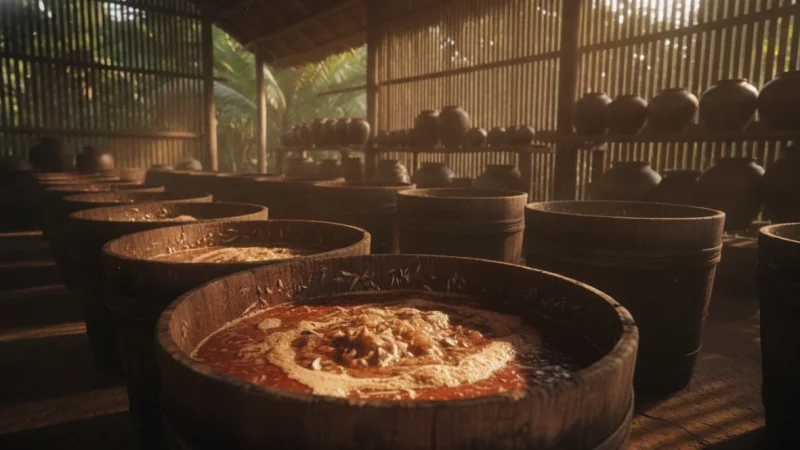
Lacto-fermentation forms the foundation. This is where vegetables are submerged in brine, allowing naturally-present Lactobacillus bacteria to convert sugars into lactic acid. Nordic practitioners ferment root vegetables like turnips, carrots, and celeriac, creating tangy, crunchy accompaniments. The cooler fermentation temperatures (typically 15-18°C) mean the process takes longer—sometimes weeks—but produces cleaner, less aggressive acidity than warmer ferments.
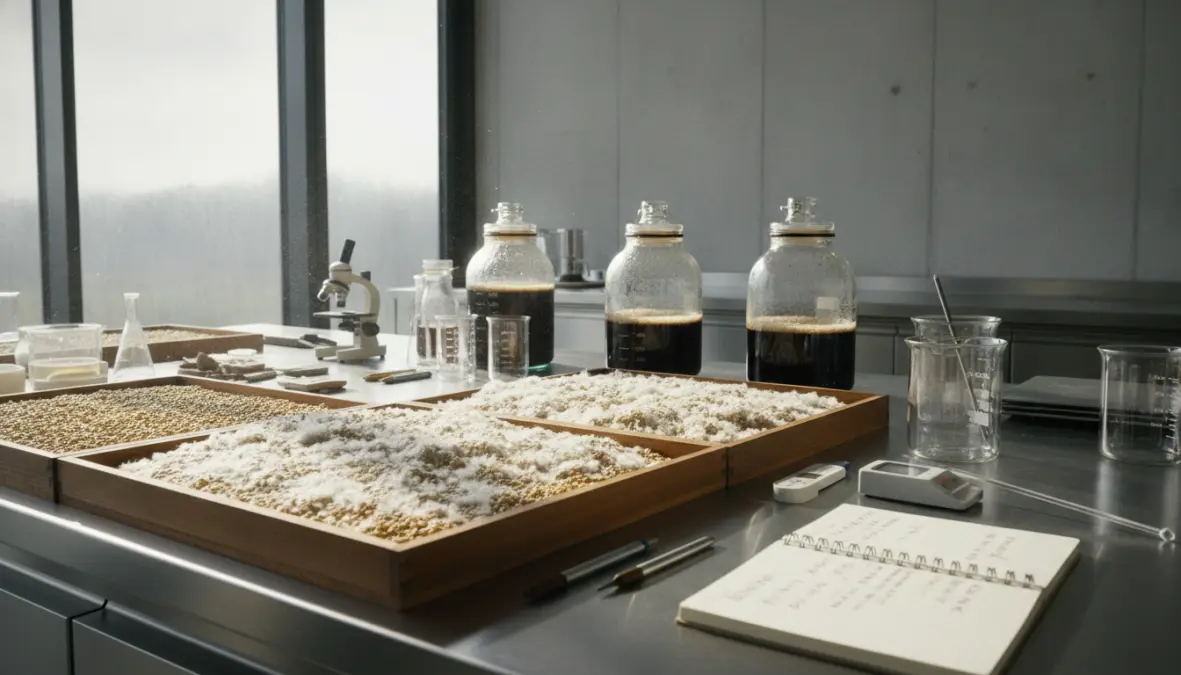
Koji fermentation represents Noma’s most radical innovation. This Japanese technique, traditionally used for sake and miso, was adapted to Nordic grains and legumes. By inoculating barley, rye, or even roasted grains with Aspergillus oryzae, they create powerful umami bombs. Nordic koji made from peas or fava beans, for instance, develops earthy, almost meaty depths perfect for plant-based cuisine.
Nordic garum reimagines ancient Roman fish sauce using local ingredients. Rather than tropical fish, Nordic versions might use grasshoppers, beef, or mushrooms combined with koji and fermented for months. The result? Liquid umami that captures the essence of Nordic forests and fields. Similarly, ancient preservation methods like those in Peruvian ceviche show how different cultures solved similar challenges.
Fruit vinegars and fermented juices utilize Nordic berries—lingonberries, sea buckthorn, cloudberries—transforming them into complex acidic elements. These aren’t just condiments; they’re flavor-building blocks that add brightness and depth to dishes.
Key Ingredients in Nordic Fermentation
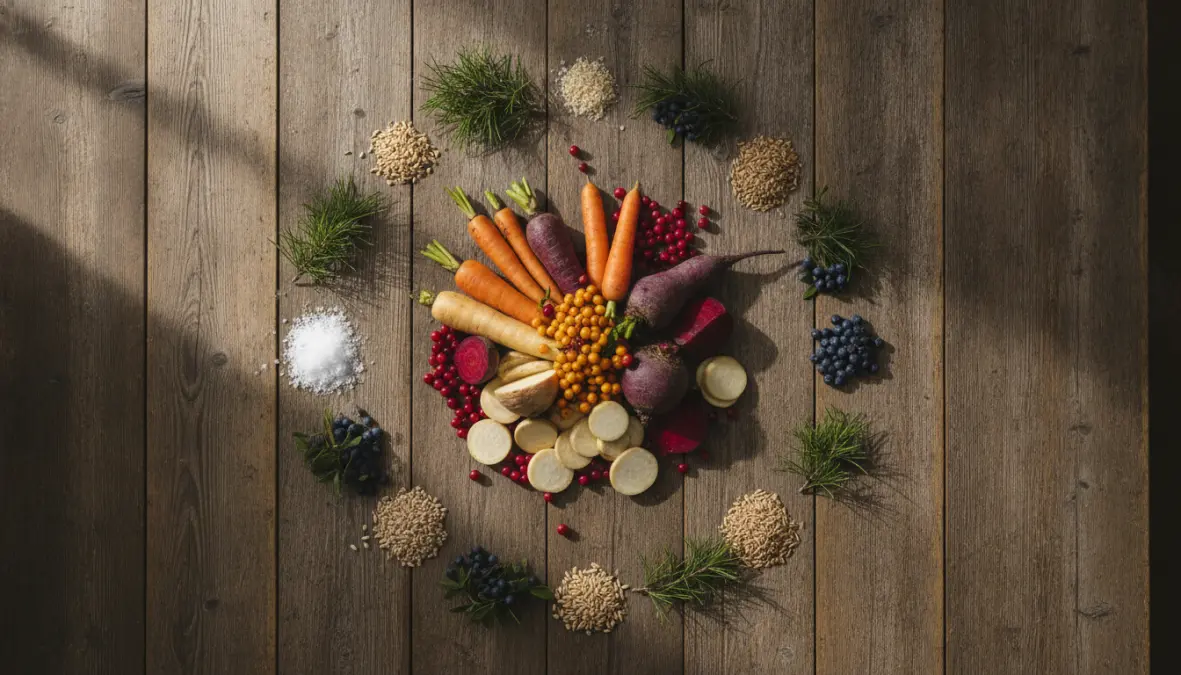
The magic of nordic fermentation techniques lies partly in the unique ingredient palette. Root vegetables—beetroot, parsnips, rutabaga—thrive in Nordic climates and ferment beautifully, developing sweet-sour profiles. Wild berries like black currant and hawthorn bring tart complexity, while juniper berries and pine needles infuse ferments with resinous, forest-floor aromatics.
Ancient grains deserve special mention. Barley and rye, staples of Nordic agriculture, create the base for countless ferments. Rye’s sacred traditions in Lithuanian baking parallel its importance in Scandinavian fermentation culture. When fermented, these grains develop nutty, slightly sour notes that anchor heavier dishes.
Getting Started: Practical Guide to Home Nordic Fermentation
Ready to experiment with these preservation methods yourself? Good news: you don’t need fancy equipment or a Scandinavian zip code.
Essential equipment includes clean glass jars (Mason jars work perfectly), fermentation weights to keep vegetables submerged, and optionally, airlocks for longer ferments. A kitchen thermometer helps monitor conditions, though Nordic fermentation’s forgiving temperature range (15-20°C) means most kitchens work fine.
Start with a basic root vegetable ferment. Slice carrots, turnips, or beetroot thinly. Create a 2-3% salt brine (20-30g salt per liter of water). Pack vegetables into jars, cover with brine, weight them down, and leave at room temperature. Within 3-7 days, you’ll notice bubbling—that’s the Lactobacillus doing its work. Taste after a week; ferment longer for stronger flavor.
Common troubleshooting: If you see white film on top, it’s likely kahm yeast—harmless but undesirable. Simply skim it off. Truly moldy ferments (fuzzy, colored growth) should be discarded. Always trust your nose; good ferments smell pleasantly sour, never rotten.
The health benefits are substantial. Fermented foods contain probiotics supporting gut health, increased vitamin content (especially B vitamins and vitamin K2), and improved nutrient bioavailability. Plus, these techniques embody sustainability—extending food life without refrigeration or energy-intensive preservation.
Temperature matters more than geography. While Nordic fermentation developed in cold climates, anyone can practice it by finding cooler spots (basements, unheated rooms) or fermenting during autumn and winter months.
FAQ
What makes Nordic fermentation different from other fermentation traditions?
Nordic fermentation techniques adapted to extreme cold, resulting in slower processes and more delicate flavors. They emphasize wild ingredients (berries, forest herbs, roots) and historically relied on ambient temperatures rather than controlled warm environments. The flavor profiles tend toward subtle earthiness rather than the bold funk of tropical ferments.
How long does Nordic fermentation take?
It varies widely by technique. Simple vegetable lacto-ferments take 1-4 weeks. Koji fermentation requires 48-72 hours of initial culturing. Nordic garums can ferment for 3-6 months or longer. The cooler temperatures mean patience is essential—rushing produces inferior results.
Can I practice Nordic fermentation techniques outside Scandinavia?
Absolutely! While you might not access identical ingredients (substitute local roots for Nordic varieties, domestic berries for cloudberries), the fundamental techniques work anywhere. Focus on cooler fermentation temperatures and seasonal timing. Adapt the philosophy—using local, seasonal ingredients—rather than copying recipes exactly.
What are the health benefits of Nordic fermented foods?
They’re probiotic-rich, supporting digestive health and immunity. Fermentation increases nutrient availability, reduces antinutrients in grains and legumes, and creates beneficial compounds like short-chain fatty acids. The diverse microbial cultures in traditionally fermented foods offer greater benefits than commercial probiotics.
The revival of nordic fermentation techniques reminds us that innovation often comes from looking backward. These ancient preservation methods, refined over millennia, offer modern cooks not just flavors but a philosophy: work with nature’s rhythms, embrace patience, and trust in transformation. Whether you’re fermenting turnips in a Copenhagen kitchen or experimenting with local roots halfway across the world, you’re participating in humanity’s oldest culinary tradition—one bubble at a time.