Swiss Fondue Tradition: The Alpine Cheese Ritual That Brings People Together
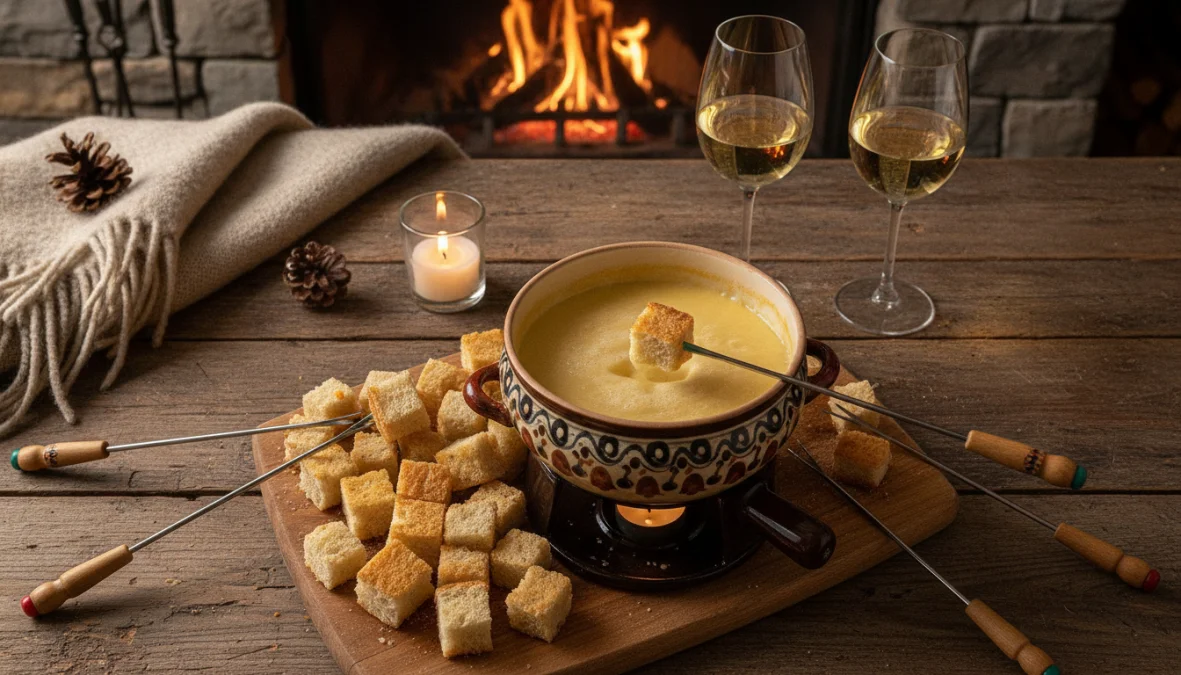
Picture this: a bubbling pot of golden, molten cheese sitting at the center of a wooden table, surrounded by friends or family dipping crusty bread cubes into the creamy mixture. This is the Swiss fondue tradition, an alpine ritual that transforms a simple meal into a social celebration. More than just melted cheese, fondue represents centuries of Swiss heritage, mountain ingenuity, and the timeless joy of sharing food from a common pot. In the cozy warmth of a mountain chalet or a modern dining room, this cheese melting pot continues to bring people together, one dip at a time.
The Origins and Evolution of Swiss Cheese Fondue
The swiss fondue history begins not in fancy restaurants, but in the humble farmhouses scattered across the Swiss Alps. During harsh winters, when fresh food was scarce, resourceful peasants discovered that combining hardened cheese with wine could create a nourishing, warming meal. Stale bread, which would otherwise go to waste, became the perfect vessel for this melted treasure. The word “fondue” itself comes from the French “fondre,” meaning “to melt,” a fitting description for this practical mountain solution.
What started as a survival dish gradually evolved into something much more significant. The cheese fondue tradition remained regional and relatively unknown outside Switzerland until the early twentieth century. Then came a marketing stroke of genius: the Swiss Cheese Union (Schweizerische Käseunion) promoted fondue as Switzerland’s national dish, positioning it as an essential part of alpine identity. Tourism boards picked up the narrative, and suddenly swiss cheese fondue became synonymous with Swiss culture itself, featured in ski resort menus and tourist brochures worldwide.
By mid-century, fondue had transformed from a peasant’s necessity to a symbol of Swiss prosperity and tradition. The 1964 New York World’s Fair showcased it to American audiences, sparking an international craze. Today, while its popularity has ebbed and flowed globally, in Switzerland it remains a cherished tradition, especially during winter months when the swiss winter traditions call for warming, communal meals. Much like bread traditions across cultures, fondue has become deeply intertwined with national identity.
Alpine Fondue Culture: The Art of Communal Cheese Sharing
At the heart of alpine fondue culture lies a simple yet profound concept: sharing. Unlike individual plated meals, fondue demands that diners gather around a single pot—the traditional caquelon, a wide, shallow ceramic dish designed to distribute heat evenly. This fondue sharing ritual creates an intimacy that separate plates cannot match. Everyone’s fork enters the same pot, everyone contributes to keeping the cheese moving, and everyone participates in the slow, deliberate pace that fondue requires.
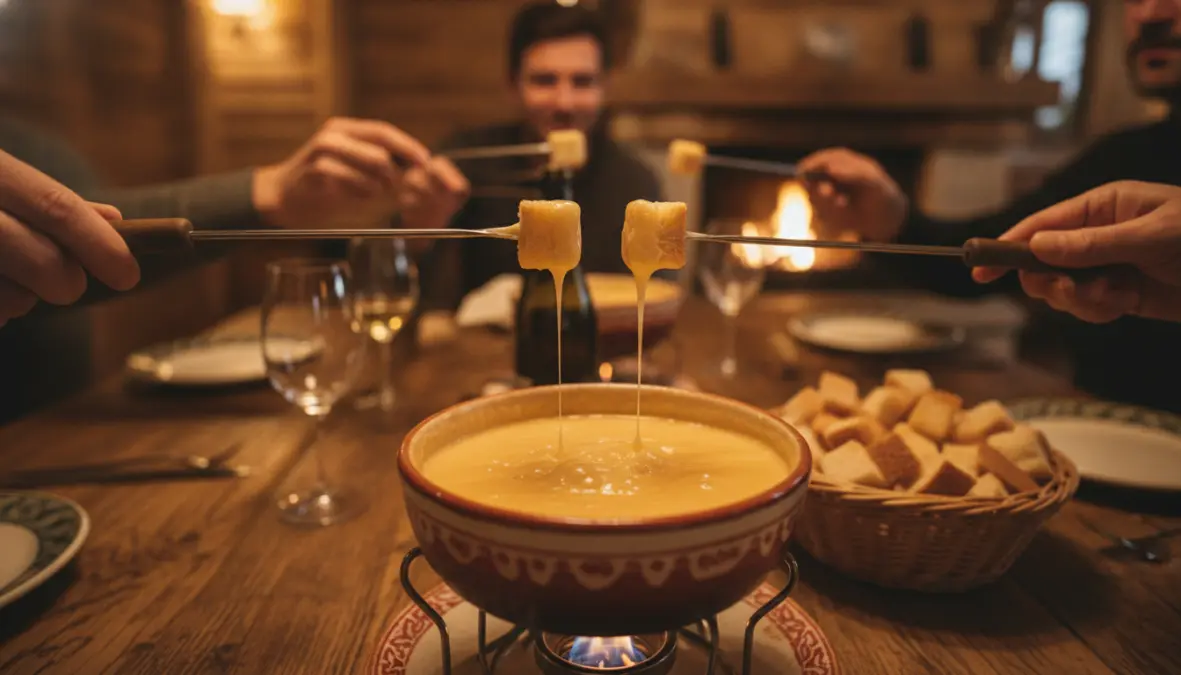
In mountain chalet food culture, fondue represents more than sustenance—it’s a pause button on modern life’s hectic pace. The meal naturally encourages conversation, laughter, and connection, as diners must stay engaged with both the food and each other. This philosophy of communal dining switzerland shares similarities with other cultural food traditions, such as Turkish meze sharing or Moroccan tagine gatherings.
Regional variations add delicious diversity to the tradition. In Fribourg, the best cheese combination for swiss fondue typically emphasizes Gruyère, while Vaud residents might prefer a mix of Gruyère and Vacherin. Neuchâtel claims to have invented fondue as we know it, favoring equal parts gruyere emmental cheese. Each region guards its recipe with pride, creating friendly debates about authenticity that mirror the passionate discussions found in Italian pasta traditions.
Traditional accompaniments extend beyond bread cubes. Boiled potatoes, cornichons (small pickled cucumbers), pickled pearl onions, and cured meats often surround the caquelon. As for beverages, Swiss wisdom dictates drinking white wine or kirsch wine fondue accompaniments—the same kirsch cherry brandy used in the fondue itself. Many Swiss believe that cold water causes the melted cheese to solidify in the stomach, though this remains more folklore than science. Some prefer warm tea as a digestive aid, continuing the ritual long after the last bread cube disappears.
Traditional Fondue Recipe and Preparation Secrets
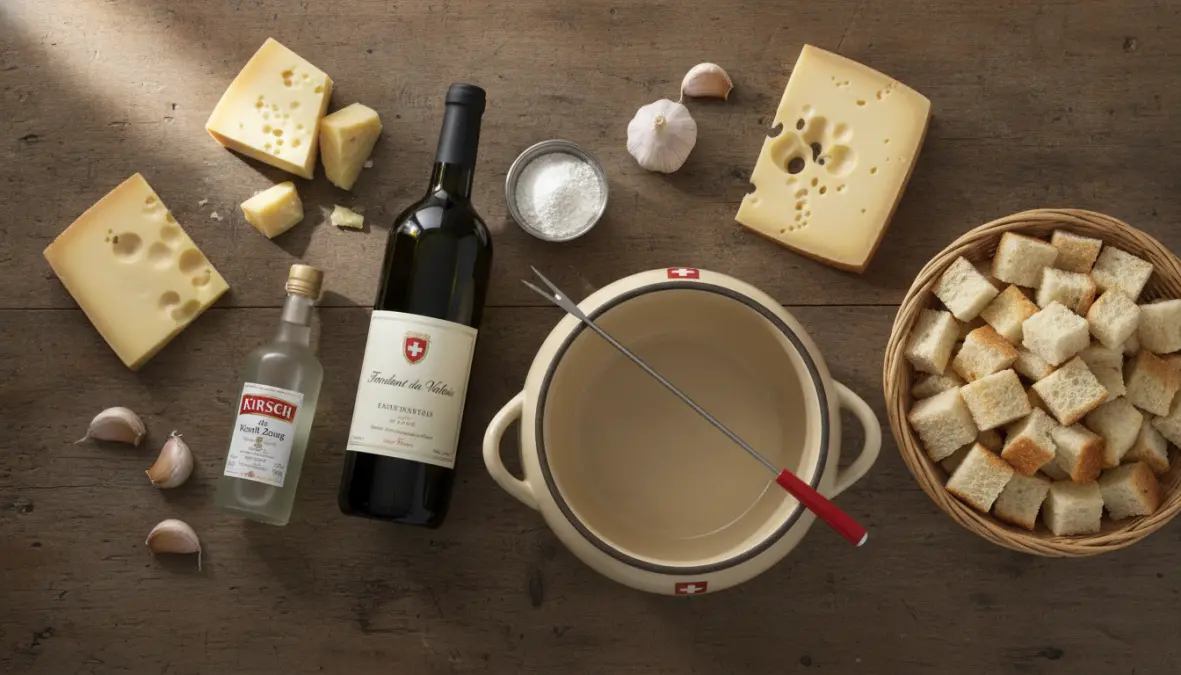
Understanding how to make authentic swiss fondue requires respecting both ingredients and technique. The traditional swiss fondue recipe gruyere typically combines Gruyère and Emmental in roughly equal proportions—about 200 grams of each cheese per person. The cheese should be freshly grated, not pre-shredded, as anti-caking agents prevent smooth melting.
The traditional fondue recipe process begins by rubbing a cut garlic clove inside the caquelon, infusing subtle flavor. Next comes dry white wine—usually a crisp Swiss variety—heated until just simmering. Gradually add the cheese in handfuls, stirring constantly in a figure-eight pattern to incorporate air and prevent separation. Once smooth, add a shot of kirsch and cornstarch (dissolved in wine) to stabilize the emulsion. The result should be creamy and flowing, coating bread without clumping.
Temperature control distinguishes good fondue from great fondue. Too hot, and the cheese becomes grainy and separates; too cool, and it solidifies into an unappealing mass. A fondue burner or rechaud maintains gentle, consistent heat throughout the meal, keeping the alpine cuisine masterpiece at its perfect consistency.
Fondue Etiquette and Swiss Customs
The fondue etiquette switzerland observes includes both practical rules and playful traditions. First, always stir in a circular or figure-eight motion when dipping—this keeps the cheese mixed and prevents burning at the bottom. Use only your designated fondue fork, never a regular fork or the one you’re eating with (double-dipping concerns aside, fondue forks get extremely hot).
The most famous swiss fondue dining customs and traditions involves losing your bread in the pot. This culinary mishap triggers traditional consequences: men must buy the next round of drinks, while women must kiss all the men at the table (in modern, co-ed gatherings, penalties vary from buying wine to doing dishes). These penalties add humor and stakes to what might otherwise be a simple meal.
Never drink cold water during fondue—this Swiss rule remains steadfast, even if scientifically questionable. Stick to white wine, kirsch, or warm tea. At meal’s end, a golden crust called la religieuse (the nun) forms at the bottom of the caquelon. This crispy, caramelized cheese layer is considered a delicacy, often divided among diners as a special treat. Understanding why is fondue a swiss tradition means appreciating these small rituals that transform eating into an experience, much like Swedish fika philosophy elevates a coffee break into cultural practice.
FAQ About Swiss Fondue Tradition
What cheeses are used in authentic Swiss fondue?
Authentic swiss cheese fondue traditionally uses Gruyère and Emmental, though regional variations exist. Fribourg prefers more Gruyère, while some recipes include Vacherin or Appenzeller. The traditional fondue pot and equipment caquelon works best with these Alpine cheeses that melt smoothly.
Why is fondue considered a sharing ritual?
The fondue sharing ritual stems from its communal nature—everyone dips into one pot, creating physical and social connection. This swiss fondue alpine mountain tradition encouraged cooperation and conversation during long winter nights in isolated mountain communities.
What is the proper etiquette when eating fondue?
Fondue etiquette switzerland includes stirring while dipping, never losing bread in the pot, using only fondue forks, and avoiding cold water. Respect the pace, take turns, and enjoy the la religieuse crust at the end.
Can you drink water with fondue?
Swiss tradition strongly discourages cold water during fondue, suggesting it solidifies cheese in your stomach. Instead, enjoy white wine, kirsch, or warm tea—beverages that complement the rich alpine cuisine and aid digestion according to mountain wisdom.
The swiss fondue tradition endures because it offers something increasingly rare: an excuse to slow down, gather closely, and share not just food but time and attention. Whether you’re in a rustic mountain chalet or your own dining room, the bubbling caquelon invites you to participate in a ritual that has warmed Swiss hearts for generations. So grab your fondue fork, remember the etiquette, and discover why this melted cheese ceremony remains one of the world’s most beloved communal dining experiences.