Paella Valenciana Authentic: The Traditional Recipe and Ingredients Debate Explained
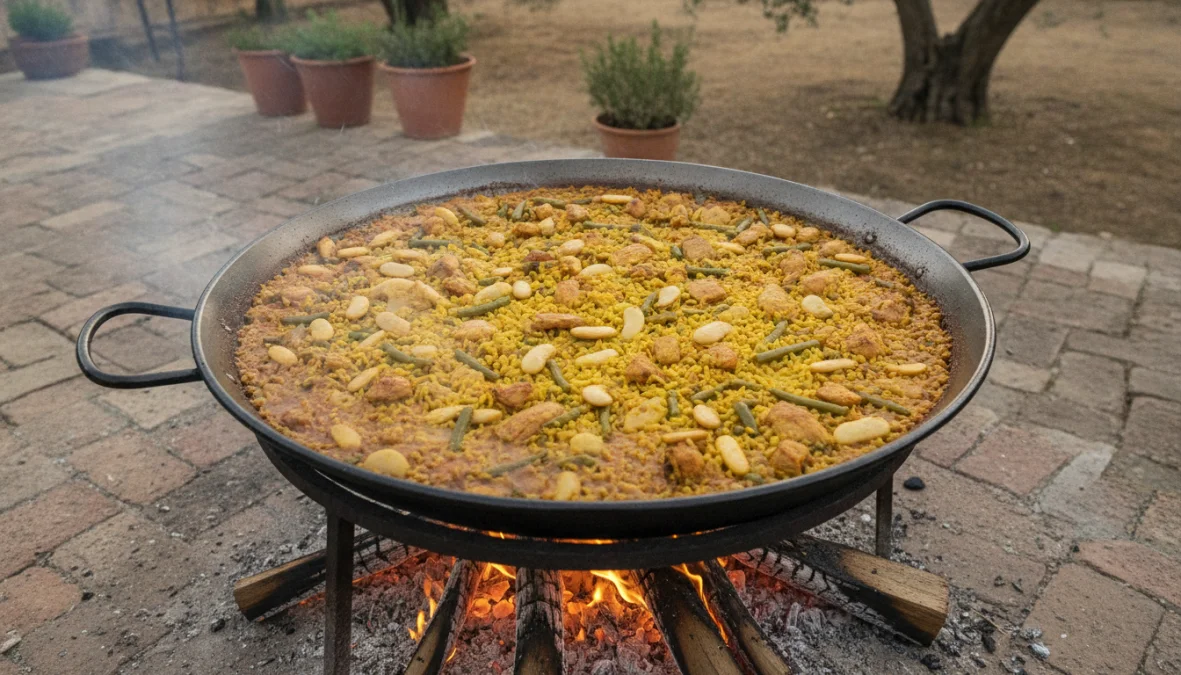
Walk into any restaurant from Tokyo to New York claiming to serve “authentic paella,” and there’s a good chance a Valencian chef would have a heart attack looking at the menu. Chorizo in the rice? Seafood mixed with chicken? These aren’t just culinary preferences—they’re fighting words in Valencia, Spain, where paella valenciana authentic is treated with the reverence of a sacred ritual. But what truly makes this iconic spanish rice dish authentic, and why does the debate around its ingredients get so heated?
What Makes Paella Valenciana Authentic: Origins and Traditional Ingredients
The story of traditional paella valenciana begins in the mid-1800s around the Albufera lagoon near Valencia Spain, where farmers and laborers would cook rice over open fires using whatever ingredients the land provided. This wasn’t fancy restaurant food—it was a working-class meal cooked in the fields, combining locally available proteins with rice grown in the surrounding wetlands.
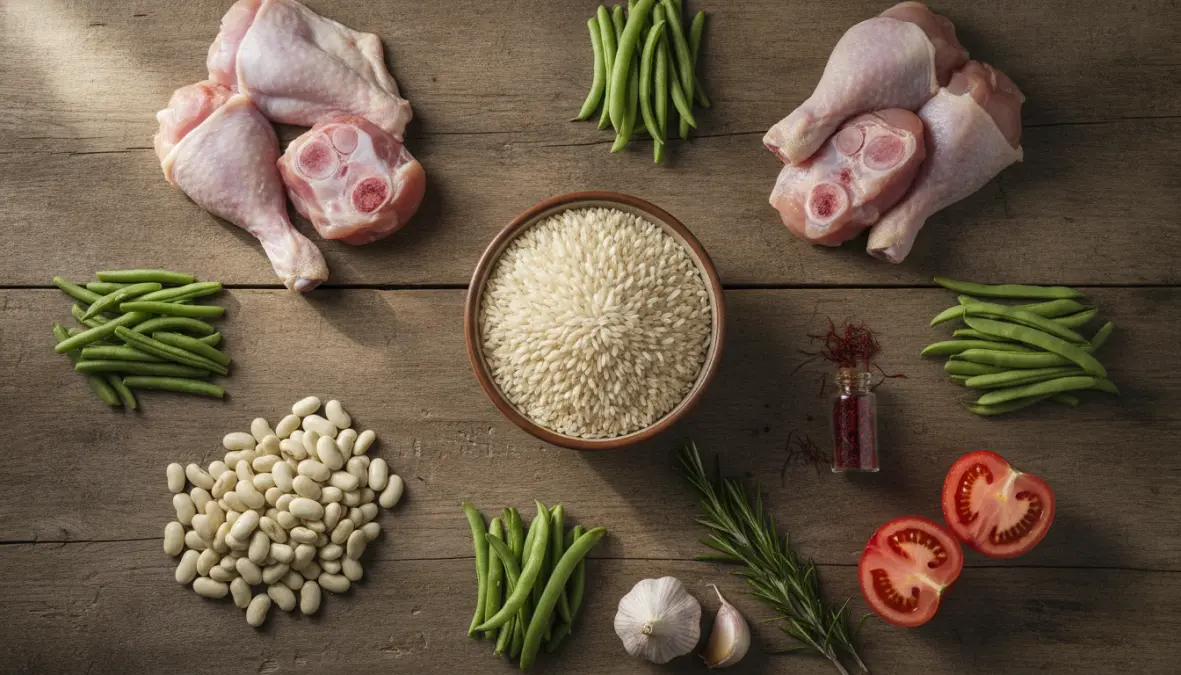
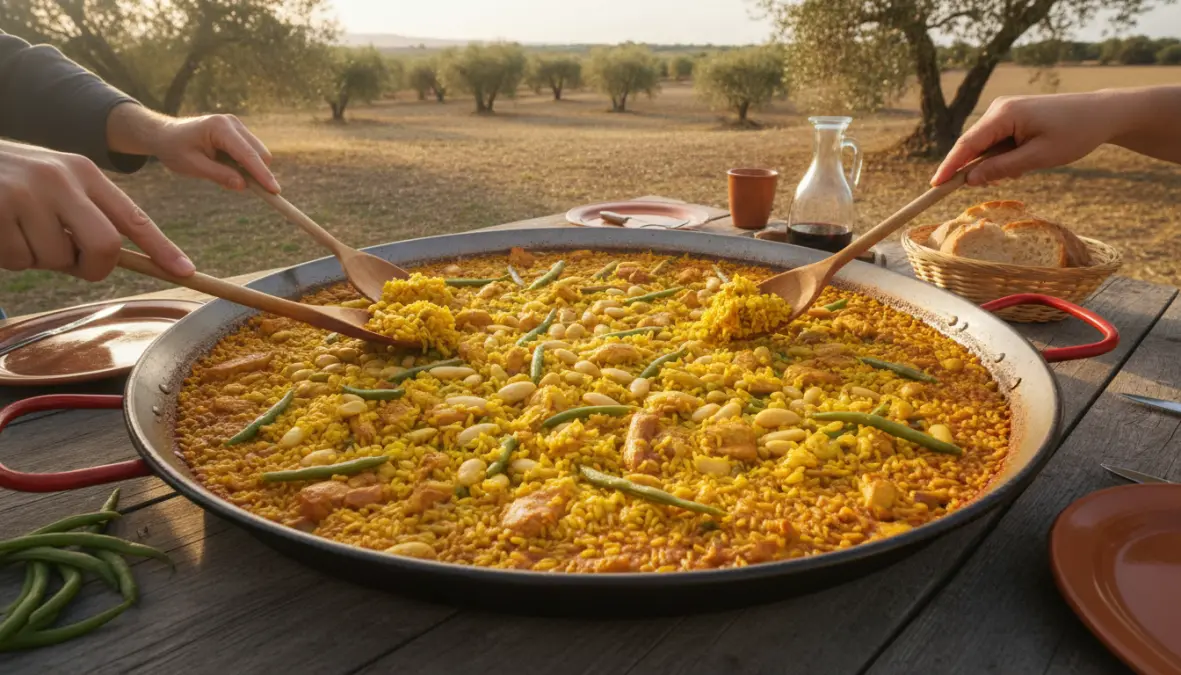
So what makes paella valenciana authentic? The answer lies in a surprisingly specific list of ingredients that reflect this agricultural heritage. The original paella valenciana contains: Bomba rice (or Senia variety), chicken, rabbit, garrofó beans (large flat lima beans native to Valencia), ferradura (flat green beans), fresh tomatoes, garlic, saffron, rosemary, olive oil, and sweet paprika. That’s it. No exceptions.
Each ingredient serves a purpose beyond flavor. Bomba rice, grown in the Albufera region, absorbs liquid without becoming mushy—essential for achieving the perfect texture. The combination of rabbit and chicken paella proteins reflects what farmers could hunt or raise. Garrofó beans add creaminess and are unique to the Valencia region, making them irreplaceable in the traditional ingredients for paella valenciana.
The cooking technique matters as much as the ingredients. Everything happens in the paellera pan—a wide, shallow pan that allows rice to cook in a thin layer, maximizing surface contact and enabling the formation of socarrat, the coveted crispy rice crust on the bottom. The sofrito (base) is built carefully: proteins browned first, vegetables added, then rice toasted before liquid goes in. Understanding this process is crucial for anyone learning how to make authentic valencian paella. Much like the precise techniques required for risotto alla Milanese, authentic paella demands respect for traditional methods.
The Great Paella Ingredients Debate: What Belongs and What Doesn’t
Few dishes provoke as much passionate argument as paella, and the paella ingredients debate has become legendary. The confusion starts with terminology: many people think “paella” means any Spanish rice dish, when in reality, paella valenciana authentic is one specific recipe among many rice preparations.
The biggest misconception? That authentic paella ingredients include seafood. While paella de marisco (seafood paella) is delicious and traditional to coastal regions, it’s a completely different dish from paella valenciana. Mixing seafood with the land-based proteins of valenciana is considered culinary blasphemy by purists. This isn’t snobbery—it’s about preserving distinct regional identities in Spanish cuisine.
Then there’s the chorizo controversy. Adding chorizo to paella has become common in international restaurants, but ask any Valencian and you’ll hear the same response: absolutely not. The smoky paprika in chorizo overwhelms the delicate saffron and changes the dish’s fundamental character. Celebrity chefs have been publicly shamed on social media for this violation, with one famous incident involving Jamie Oliver sparking international outrage among Spaniards.
The quest to preserve authenticity has even led to official efforts. While paella valenciana doesn’t have protected denomination status like some foods, the Valencian government and culinary organizations have published official recipes and hosted conferences defining what ingredients go in authentic paella valenciana. They’re fighting against decades of global adaptation that have created “paellas” bearing little resemblance to the original.
Understanding the difference between authentic and modern paella helps explain why Valencians get defensive. For them, it’s not just about taste—it’s about cultural identity and historical accuracy. Similar passionate debates exist around other culturally significant dishes, like the proper preparation of plov across Central Asia or biryani in India—rice dishes that also carry deep regional pride.
Common Non-Traditional Ingredients and Why They’re Controversial
Let’s clarify why is there debate about paella ingredients by examining the most contested additions:
- Seafood in valenciana: Belongs in paella de marisco, not the land-based original. Mixing ocean and farm proteins violates the dish’s agricultural roots.
- Chorizo: Never traditional. Its strong flavor masks saffron’s subtlety and turns the rice an unappetizing orange-red.
- Peas: Sometimes debated even among Valencians, though generally considered acceptable in spring variations.
- Bell peppers: Common in other Spanish rice dishes but not part of the authentic paella valenciana recipe step by step.
- Onions: Surprisingly controversial—traditional recipes use garlic but not onions, which some say make the rice too sweet.
How to Make Traditional Paella Valenciana: Essential Techniques and Tips
Achieving an authentic spanish paella at home requires understanding technique as much as ingredients. First, invest in a proper paellera pan—the wide, shallow design isn’t just aesthetic. It ensures even heat distribution and allows the rice to cook in a thin layer, typically no more than two fingers deep when liquid is added.
The cooking process for a valencian paella recipe follows a precise sequence. Start by heating olive oil over medium-high heat (traditionally over wood fire, though gas works). Brown the chicken and rabbit pieces thoroughly, then remove. In the same oil, sauté the green beans and garrofó beans. Add grated tomato and garlic to create the sofrito base, cooking until the liquid evaporates and the mixture caramelizes slightly.
Return the meat to the pan, add water or broth (the ratio is typically three parts liquid to one part rice, though this varies with rice type and heat intensity), and season with saffron, paprika, and salt. Bring to a boil, then distribute the rice evenly across the pan. Here’s the critical rule: once the rice goes in, never stir it again. Stirring releases starch and creates mushiness—paella rice should remain separate and al dente.
The final magic happens in the last few minutes. After the liquid is absorbed (about 18-20 minutes total cooking time for the rice), increase the heat slightly to create the socarrat—that golden, crispy layer on the bottom. Listen for a faint crackling sound; smell for a toasted (not burned) aroma. This technique, like achieving the perfect crust in other revered dishes, separates good paella from transcendent paella.
Let the finished paella rest for five minutes before serving, traditionally straight from the pan with everyone eating from the edges toward the center. This communal aspect reflects paella’s origins as a shared meal among workers, emphasizing that paella valenciana traditional recipe is as much about the experience as the ingredients.
The fierce protection of paella valenciana’s authenticity isn’t culinary snobbery—it’s cultural preservation. Just as rice holds sacred significance in Asian cultures, paella represents Valencian identity and agricultural heritage. Whether you follow the paella valenciana original ingredients list to the letter or experiment with variations, understanding what makes the authentic version authentic deepens your appreciation for this iconic dish. Next time you encounter a “paella” menu, you’ll know exactly what questions to ask—and whether that chorizo has any business being there.