Cevapi: The Balkan Skinless Sausages That Unite the Former Yugoslavia
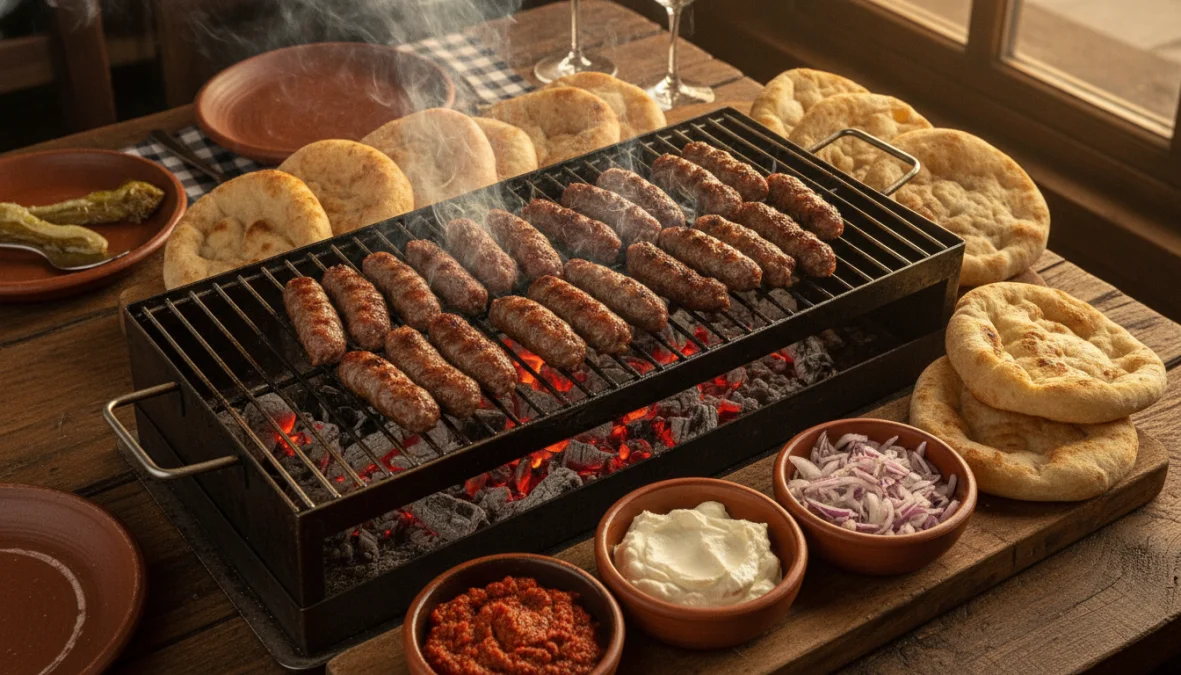
The aroma of sizzling grilled meat wafts through the streets of Sarajevo, Belgrade, and Zagreb alike. Despite decades of political division and conflict, there’s one thing that still unites the people of the former Yugoslavia: their love for cevapi. These finger-sized, skinless sausages represent more than just balkan street food—they’re a symbol of shared heritage, a culinary bridge connecting nations that once belonged to the same country. Whether you call them cevapi or cevapcici, these grilled minced meat cylinders served with fluffy somun bread, raw onions, and creamy kajmak remain the ultimate expression of cevapi balkan tradition.
What Are Cevapi and Why They Matter in Balkan Tradition
At first glance, cevapi might seem simple: small, finger-shaped skinless sausages balkans made from ground meat, grilled to perfection over hot coals. Typically measuring about two to three inches long, these juicy cylinders are formed without any casing—unlike traditional sausages—which gives them their distinctive charred exterior and tender, flavorful interior.
What makes cevapi truly special isn’t just their taste, but how they’re served and enjoyed. The classic presentation involves five to ten pieces nestled in a pillowy somun bread or lepinja (a similar flatbread), accompanied by finely chopped raw onions, creamy kajmak (a clotted cream similar to clotted cream), and often a generous dollop of ajvar—the beloved red pepper relish. This combination creates a harmony of flavors and textures that’s become synonymous with traditional balkan food.
Beyond their deliciousness, cevapi serve as a powerful symbol of cultural unity in a region marked by division. From Bosnia and Herzegovina to Serbia, Croatia, Montenegro, Slovenia, and North Macedonia, these yugoslav sausages are eaten and celebrated with equal passion. They’re found everywhere—from high-end restaurants to humble street vendors—making them accessible to everyone regardless of social status. In this way, cevapi function similarly to other unifying dishes around the world, much like plov unites Central Asian nations or borscht defines Eastern European identity.
From Ottoman Roots to Yugoslav Icon: The History and Origin of Cevapi
Understanding cevapi origin requires a journey back to the Ottoman Empire’s centuries-long influence over the Balkans. The word “cevapi” itself derives from the Turkish “kebap,” reflecting the dish’s clear connection to Middle Eastern grilled meat traditions. During Ottoman rule (roughly 15th to 19th centuries), kebab-making techniques spread throughout the region, eventually evolving into the distinctive Balkan style we know today.
The transformation from Turkish kebab to yugoslav sausages happened gradually. While the Ottomans introduced the concept of grilled minced meat, Balkan cooks adapted it to local tastes and ingredients. They made the pieces smaller, removed the skewers, eliminated the casing, and developed regional spice blends that set cevapi apart from their Turkish ancestors.
During the Yugoslav period (1918-1992), cevapi transcended their Ottoman origins to become a truly national dish—perhaps the most beloved in the entire federation. They were served at family gatherings, celebrations, and everyday meals across all republics. This shared culinary passion helped create a sense of Yugoslav identity that crossed ethnic and religious boundaries.
The cevapi history includes spirited debates about which region makes them best. Bosnian cevapi, particularly from Sarajevo and Banja Luka, are typically smaller and made from a beef-lamb mixture. Serbian versions from Leskovac often include pork and are slightly larger. Croatian variations add their own twists. These regional differences, rather than dividing people, actually enrich the tradition—each area takes pride in their recipe while respecting others’ versions.
Remarkably, even after Yugoslavia’s dissolution in the 1990s, cevapi maintained their popularity across all successor states. They became one of the few elements of shared culture that survived the conflicts, proving that food can sometimes transcend politics in ways nothing else can.
How to Make Authentic Balkan Cevapi at Home
Wondering how to make authentic balkan cevapi? The balkan cevapi recipe varies by region, but certain principles remain constant across the former Yugoslavia. The key to exceptional cevapi lies in the quality of your ingredients and respecting traditional techniques.
The Meat Mixture: Traditional recipes use a combination of ground meats. The most common best cevapi recipe from yugoslavia calls for equal parts beef and lamb, though Serbian versions often include pork. The fat content matters—aim for meat that’s about 20% fat to ensure juiciness. In Bosnia, butchers often grind the meat twice for a finer texture.
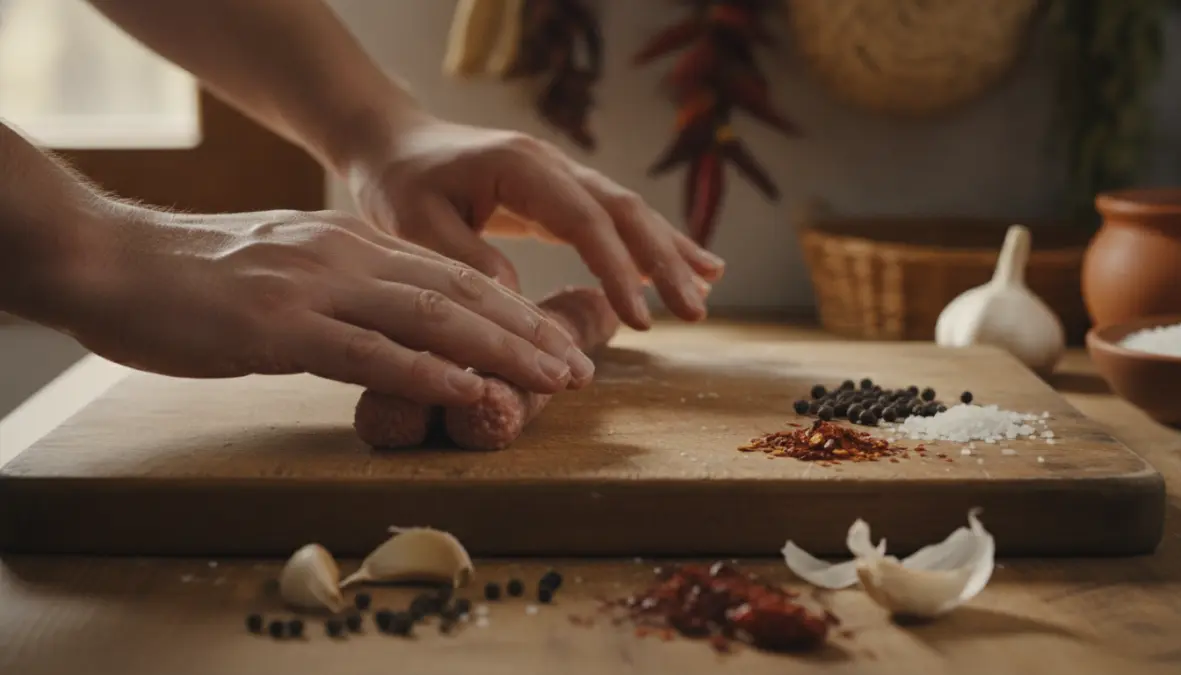
Essential Seasonings: Keep it simple but precise. The base includes minced garlic, salt, freshly ground black pepper, and sweet paprika. Many recipes include a tiny amount of baking soda (bicarbonate), which helps tenderize the meat and creates that characteristic slightly bouncy texture. Some cooks add mineral water to the mixture for extra tenderness.
Preparation Technique: Mix the meat and seasonings thoroughly, then let the mixture rest in the refrigerator for at least a few hours, preferably overnight. This allows flavors to meld and makes shaping easier. When ready, wet your hands and form the meat into finger-sized cylinders, roughly half an inch in diameter and two to three inches long. Roll them smooth—no cracks.
Grilling: Authentic cevapi must be grilled over charcoal or wood fire—this isn’t negotiable for true balkan cuisine enthusiasts. The high heat creates a beautiful char while keeping the interior moist. Cook them for about 8-10 minutes, turning frequently for even browning. They’re done when nicely browned outside and just cooked through inside.
Serving the Traditional Way: To serve traditional cevapi with ajvar sauce, warm your somun bread or lepinja, split it open, and fill it with the hot cevapi. Add chopped raw onions, a generous spread of kajmak, and a spoonful of ajvar. Some regions also serve sour cream or add a sprinkle of salt. The contrast between the smoky meat, creamy kajmak, sweet-tangy ajvar, and sharp onions is what makes this dish unforgettable.
Regional variations exist: Bosnian cevapi tend to be smaller (you might serve 10 pieces), while Serbian ones are larger (5-6 pieces). Some areas mix in finely chopped onions directly into the meat. Experiment to find your preference, but start with the basics first.
FAQ
What’s the difference between cevapi and cevapcici?
Essentially, there’s no difference—”cevapcici” is simply the diminutive form meaning “little cevapi.” Both terms refer to the same dish, though “cevapcici” is more commonly used in some regions like Croatia and Slovenia, while “cevapi” is preferred in Bosnia and Serbia. The difference between cevapi and cevapcici is purely linguistic.
Why are cevapi made without skins?
These skinless sausages balkans evolved differently from European sausage traditions. The absence of casing allows for better charring and caramelization on all sides, creating more surface area for that delicious grilled flavor. It also makes them easier to eat in bread and gives them their distinctive texture—slightly crispy outside, tender inside.
What type of meat should I use for authentic cevapi?
The traditional combination is beef and lamb in equal parts, which is most common in Bosnia. Serbian versions often include pork alongside beef. Avoid meat that’s too lean—you need about 20% fat content for proper juiciness and flavor. Never use pre-ground meat that’s been sitting; have your butcher grind it fresh for best results.
Where to eat cevapi in the Balkans?
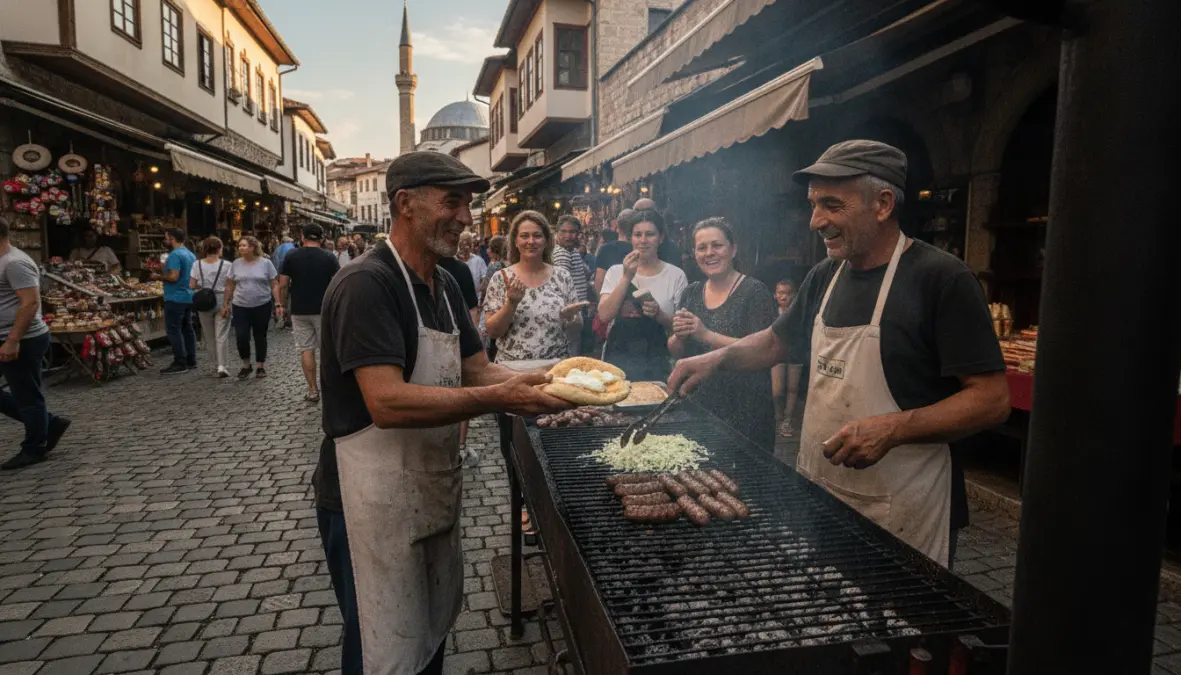
For the most authentic experience, head to Sarajevo’s Baščaršija district (try Željo or Ćevabdžinica Mrkva), Leskovac in Serbia (the self-proclaimed cevapi capital), or any traditional kafana throughout the region. Where to eat cevapi in balkans is less about specific restaurants and more about finding places where locals eat—street vendors and family-run establishments often serve the best balkan street food.
Cevapi represent something rare in our divided world: a food that genuinely unites people across borders and differences. Like injera unites Ethiopians, these humble grilled sausages remind us that shared culinary traditions can persist even when political unity fails. Whether you’re making homemade balkan skinless sausages in your own kitchen or planning a trip to taste them in their homeland, you’re participating in a tradition that spans centuries and continues to bring people together, one delicious bite at a time.