Plov: The Central Asian Pilaf That Unites Five Nations in One Dish
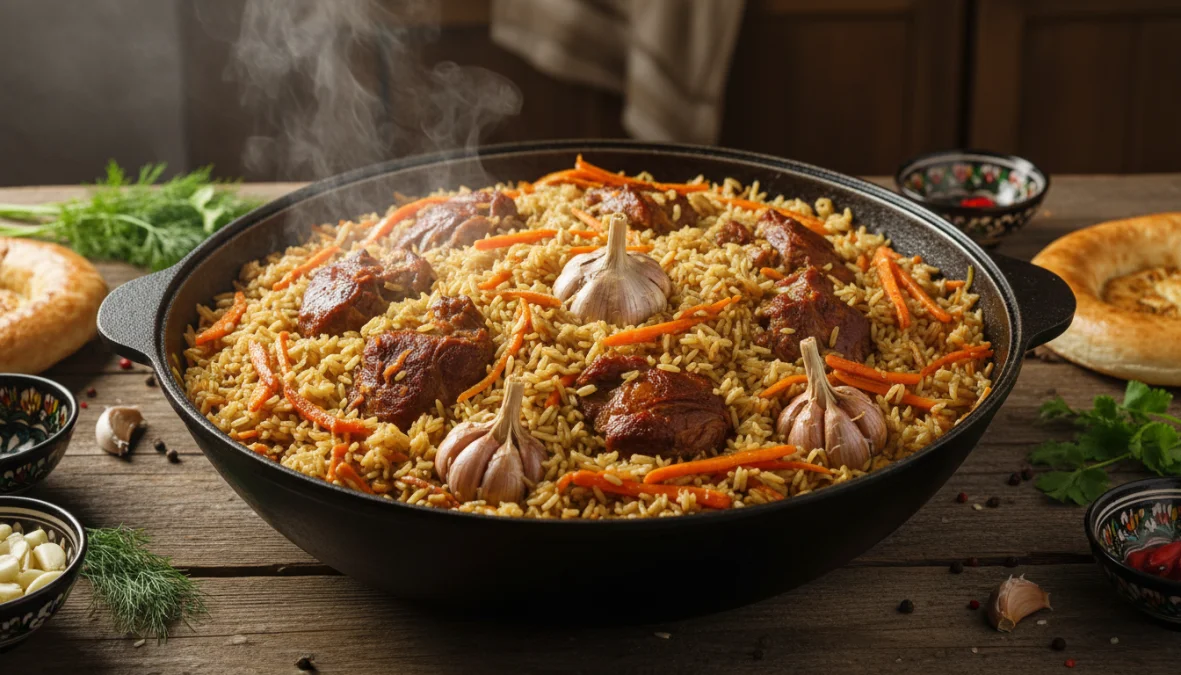
Picture this: a massive cast-iron kazan bubbling over an open flame, fragrant steam rising as layers of golden rice, tender lamb, and sweet carrots meld into a dish that’s fed families, celebrated weddings, and united nations for centuries. This is plov, the crown jewel of Central Asian cuisine and a culinary tradition that transcends borders, languages, and even political divides. From the bustling bazaars of Tashkent to the mountain villages of Tajikistan, this traditional pilaf central asia has perfected over millennia isn’t just food—it’s a living monument to plov cultural significance that binds five nations together. Much like Ethiopian injera unites a nation, plov serves as both sustenance and social glue in the heart of the Silk Road.
What Is Plov and Why It Matters in Central Asian Tradition
At its core, plov (also spelled pilaf, palov, or osh) is an authentic central asian rice dish combining rice, meat (traditionally lamb), carrots, onions, and a carefully calibrated blend of spices—primarily cumin—cooked together in a specific layered technique. But reducing plov to its ingredients would be like describing a symphony by listing its instruments. The plov central asian tradition represents centuries of silk road food culture, where Persian, Mongolian, Turkish, and Chinese culinary influences converged along ancient trade routes.
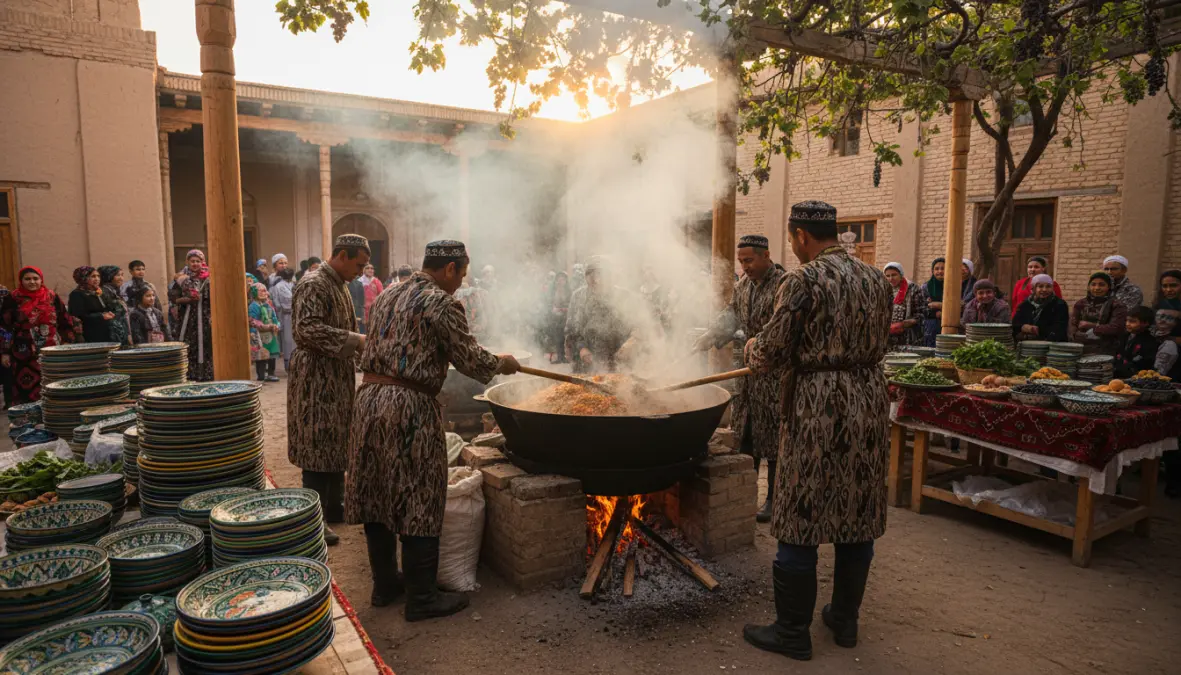
The plov cultural significance extends far beyond the dinner table. This is the dish served at weddings, where a single kazan might feed hundreds of guests. It’s prepared for religious holidays, funerals, and community gatherings. In Uzbekistan alone, there are over 60 documented regional variations. The preparation is often a communal affair, with the most respected male elder typically taking charge of the kazan cooking pot—a position of honor that acknowledges both culinary skill and social standing. The rice itself carries deep meaning across Asian cultures, as explored in the sacred symbolism of rice in Asian traditions.
Five nations—Uzbekistan, Tajikistan, Kazakhstan, Kyrgyzstan, and Turkmenistan—each claim plov as their national dish, and rather than creating division, this shared heritage has become a point of cultural pride. In Uzbekistan, uzbek plov tradition was even inscribed on UNESCO’s Representative List of the Intangible Cultural Heritage of Humanity, recognizing its role in fostering social cohesion and communal dining traditions that have survived empires, Soviet collectivization, and modernization.
The Five Nations United by Plov: Regional Variations and Traditions
Understanding plov five nations means appreciating how geography, history, and local tastes have created distinct interpretations of this beloved dish while maintaining its essential spirit. The difference between plov in uzbekistan and tajikistan might seem subtle to outsiders, but locals debate these variations with the passion of wine connoisseurs discussing terroir.
Uzbek plov tradition reigns supreme in terms of recognition and variety. Tashkent-style plov features a lighter, fluffier texture with meat and vegetables mixed throughout the rice, while Samarkand plov presents a more dramatic layered approach where the lamb and rice pilaf components remain distinct. The secret? Devzira rice—a reddish, partially milled variety grown in the Ferghana Valley that absorbs flavors magnificently while maintaining firm grains. Uzbek cooks emphasize the zirvak (the flavor base) and achieve that coveted golden crust on the bottom called qazmaq. The cumin and carrot rice combination reaches its apotheosis here, with carrots cut into precise julienne strips that caramelize to candy-like sweetness.
Just across the border, tajik oshi palov shares many similarities but incorporates more garlic, sometimes wrapping whole heads in the rice to steam. Tajiks also favor a wetter consistency compared to Uzbek versions, and the presentation often includes hard-boiled eggs nestled in the rice—a touch rarely seen in Uzbekistan. The cultural ritual remains identical: served on large communal platters, eaten by hand or with spoons, always accompanied by fresh salads and tea.
Kazakh plov diverges more dramatically, reflecting nomadic heritage. Horsemeat often replaces lamb, and the rice might be supplemented or replaced with other grains. The spicing tends toward milder profiles, and the dish sometimes incorporates dried fruits like raisins or barberries, creating sweet-savory complexity. Kyrgyz variations follow similar patterns, with altitude and pastoral lifestyle influencing ingredient availability—expect more mutton fat and heartier preparations suited to mountain climates.
Turkmen ash (their name for plov) often includes chickpeas and dried fruit, showing Persian influence more prominently. The Turkmen version tends to be oilier and richer, prepared in massive quantities for celebrations, embodying the same communal dining traditions that define hospitality throughout the region. Despite these differences, the underlying philosophy remains constant: plov is meant to be shared, prepared with care, and savored slowly—much like the Swedish fika tradition emphasizes the importance of slowing down to connect.
How to Make Authentic Central Asian Plov: Recipe and Techniques
Learning how to make traditional central asian plov requires understanding that this isn’t just a recipe—it’s a technique-driven dish where method matters as much as ingredients. What makes central asian plov unique compared to other rice dishes? The zirvak foundation and the absorption cooking method set it apart from steamed rice or pilaf varieties that cook rice separately from aromatics.
For an authentic central asian rice dish serving 6-8 people, you’ll need: 1 kg long-grain rice (ideally devzira or basmati), 800g lamb shoulder (cubed), 800g carrots (julienned), 2 large onions (sliced), 200ml vegetable oil or lamb fat, 2 whole heads of garlic, 2 tbsp cumin seeds, 1 tsp coriander seeds, salt, and black pepper. A proper kazan cooking pot is traditional, but a heavy-bottomed Dutch oven works for home cooks seeking the best authentic plov recipe from uzbekistan.
The traditional plov cooking techniques follow this sequence: Heat oil until shimmering, brown meat in batches, remove and set aside. Caramelize onions until golden, add carrots and cook until softened and beginning to caramelize (15-20 minutes—patience here is crucial). Return meat, add spices, and barely cover with water. This is your zirvak, which should simmer 40 minutes until meat is tender and liquid is rich and reduced. Similar to the complex layering found in mole poblano’s legendary preparation, plov rewards careful attention to each stage.
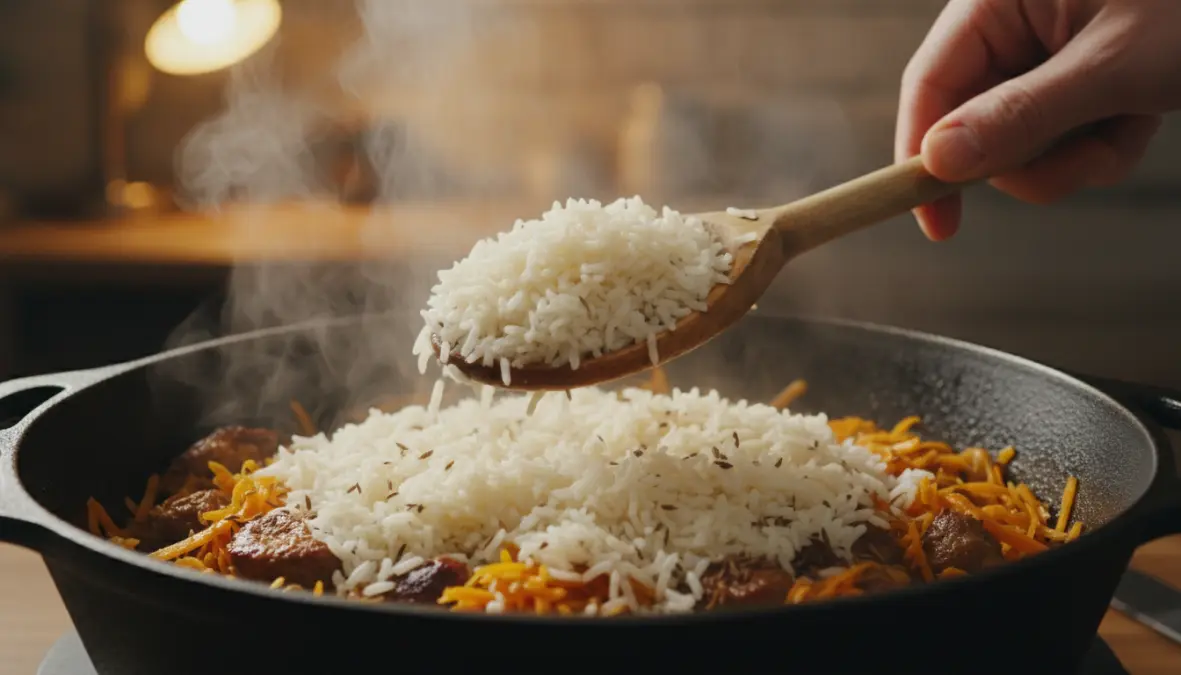
Meanwhile, rinse rice thoroughly until water runs clear. Once zirvak is ready, increase heat, add rinsed rice without stirring, and add hot water to cover rice by 2cm. Push whole garlic heads into the rice. Cook uncovered on high heat until water is absorbed to rice level, then reduce to lowest heat, cover tightly, and steam 25-30 minutes. Remove from heat and let rest 15 minutes before gently mixing. The Silk Road’s influence on culinary techniques, explored in the spice routes that shaped curry, manifests beautifully in these precise cooking methods.
The plov vs pilaf distinction? Most pilafs sauté rice in fat before adding liquid, while true plov layers raw rice atop the zirvak. This creates different textures and flavor integration—plov’s rice absorbs the meat and vegetable essence more completely, achieving a cohesion that makes each grain a complete flavor experience, somewhat akin to how risotto achieves its creamy integration through different techniques.
FAQ
What’s the difference between plov and pilaf?
While both are rice dishes cooked with meat and aromatics, plov uses a specific layering technique where raw rice is placed atop a meat-vegetable base (zirvak) and steamed together. Most pilafs sauté rice in fat first, then add liquid. Plov achieves deeper flavor integration through this absorption method, making it unique among rice preparations.
Which country has the best plov?
This sparks passionate debates across Central Asia! Uzbekistan claims the most diverse regional variations and UNESCO recognition, but Tajikistan, Kazakhstan, Kyrgyzstan, and Turkmenistan each have distinctive versions reflecting their culinary heritage. The “best” plov is often the one prepared by your grandmother or at your wedding celebration—it’s deeply personal and culturally specific.
What type of rice is used for plov?
Traditionally, devzira rice—a reddish, partially milled variety from Uzbekistan’s Ferghana Valley—is considered ideal for uzbek plov tradition. It absorbs flavors beautifully while remaining firm. Outside Central Asia, long-grain basmati or jasmine rice work well, though they require less water and shorter cooking times than devzira.
Can plov be made vegetarian?
While meat is fundamental to authentic central asian plov recipe traditions, vegetarian versions exist, particularly in modern adaptations. Replace meat with chickpeas, mushrooms, or additional vegetables, though the zirvak will lack traditional depth. Some cooks add dried fruits and nuts to compensate for missing meat richness, creating a different but delicious dish.
Plov represents more than culinary excellence—it’s a testament to how food can unite diverse peoples across vast landscapes. In an era of increasing cultural isolation, this traditional pilaf central asia has perfected reminds us that our most meaningful traditions are often those we share. Whether you’re stirring a kazan in Samarkand or attempting your first batch in a Brooklyn kitchen, you’re participating in a living tradition that has nourished bodies, celebrated joy, and brought communities together for over a thousand years. The next time you taste that perfect combination of tender lamb, sweet carrots, and aromatic rice, remember: you’re not just eating dinner—you’re experiencing why is plov important in central asia, one delicious spoonful of history at a time.