The Philosophy of Italian Aperitivo: More Than Just Pre-Dinner Drinks

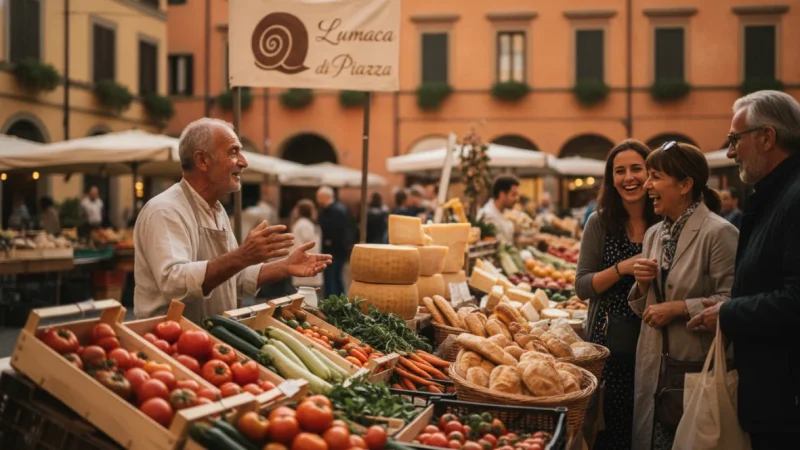
Picture this: it’s 7 PM on a warm evening in Milan. The piazzas fill with well-dressed locals clutching vibrant orange spritzes, nibbling on olives and chips, their laughter mixing with the golden hour light. This isn’t just happy hour—it’s italian aperitivo culture, a social ritual so deeply woven into the fabric of Italian life that it transcends mere drinking. It’s a philosophy, a moment of collective pause that embodies the dolce vita lifestyle and teaches us something profound about living well.
What Makes Italian Aperitivo a Cultural Philosophy
The aperitivo tradition began in Turin in 1786, when Antonio Benedetto Carpano invented vermouth—a fortified wine infused with herbs and spices. The term “aperitivo” comes from the Latin aperire, meaning “to open”—specifically, to open the stomach and stimulate appetite before dinner. But what started as a medicinal concept evolved into something far more meaningful: an Italian social ritual that celebrates community, conversation, and the art of unwinding.
Here’s what is the philosophy behind Italian aperitivo: it’s not about getting drunk or filling up on free food. It’s about creating a transitional moment between work and home, a sacred buffer zone where you reconnect with friends, colleagues, or even strangers at the bar. Unlike American happy hour—which often feels transactional, focused on discounted drinks consumed quickly—aperitivo is intentionally slow. It embodies the concept of dolce far niente (the sweetness of doing nothing) and represents Italy’s enviable work-life balance.
In Italian drinking culture, aperitivo serves as a social equalizer. Executives stand shoulder-to-shoulder with students, everyone participating in this democratic ritual. It’s about convivialità—that untranslatable Italian word meaning conviviality, warmth, and the joy of being together. Much like Swedish fika creates moments of connection, aperitivo transforms an ordinary evening into something memorable.
The Unspoken Rules of Aperitivo Hour in Italy
Understanding aperitivo etiquette is essential to experiencing this tradition authentically. The aperitivo hour Italy typically runs from 6 PM to 9 PM, with the sweet spot around 7-8 PM. Arriving too early marks you as a tourist; staying past 9:30 PM means you’ve probably transitioned into dinner territory.
Choosing your drink matters. While spritz culture has exploded internationally, true pre-dinner drinks Italy include classics like the Negroni (equal parts gin, Campari, and sweet vermouth), the Americano (Campari, vermouth, and soda), or a simple Campari and vermouth cocktail. In Venice, the Spritz Veneziano reigns supreme. These drinks share a crucial quality: they’re bitter, low in alcohol, and designed to stimulate appetite rather than intoxicate.
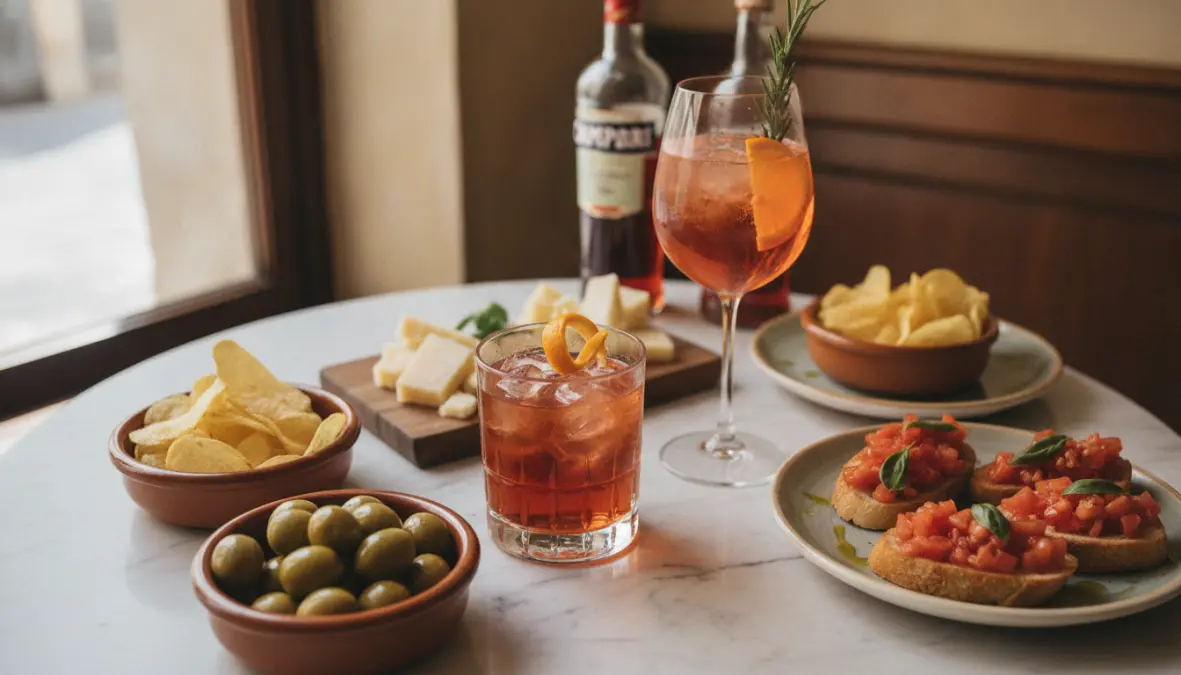
The food component requires finesse. Cicchetti and stuzzichini—small bites like olives, potato chips, cheese cubes, and bruschetta—should accompany your drink, but the unwritten rule is moderation. In northern Italy, particularly Milan, the “aperitivo ricco” includes elaborate buffets, but even then, you’re not meant to replace dinner. The difference between aperitivo and happy hour becomes crystal clear here: it’s about balance, not bargain-hunting.
Traditional Italian aperitivo drinks and snacks vary by region, but certain principles remain constant: dress casually but neatly (Italians notice), socialize genuinely (phones away), and never, ever get visibly drunk. The conversation should flow freely—politics, football, philosophy—but work talk is generally avoided. This is time to be human, not productive.
Regional Variations: From Milan to Sicily
Milan pioneered the aperitivo ricco in the 1980s, transforming it into an almost meal-sized affair with abundant buffets. Venice remains the spritz culture epicenter, where the orange-hued drink accompanies views of canals and Gothic architecture. Turin, aperitivo’s birthplace, maintains a vermouth-focused tradition with elegant cocktails served in historic cafés. Moving south, aperitivo becomes more relaxed and family-oriented—in Sicily, you might find arancini and panelle accompanying your drink, with multiple generations gathered in the piazza culture atmosphere. Each region adds its flavor while honoring the core philosophy.

Why Aperitivo Matters: Life Lessons from Italian Social Rituals
Beyond the Campari and conversation, italian aperitivo culture offers profound lessons for modern life. In our hyperconnected, always-on world, aperitivo insists on a radical idea: you deserve a daily pause. Not a mindless scroll through social media, but genuine face-to-face connection. Why Italians have aperitivo before dinner isn’t just about appetite—it’s about mental health, community bonds, and remembering that we’re social creatures.
Research on Italian longevity and well-being consistently points to social connections as a key factor. The Italian social customs embedded in aperitivo—showing up for friends, engaging in unhurried conversation, savoring simple pleasures—contribute to lower stress levels and stronger community ties. Similar to how Turkish meze culture emphasizes shared beginnings, aperitivo reminds us that eating and drinking are inherently communal acts.
The passeggiata—the evening stroll that often precedes or follows aperitivo—combines with this ritual to create a rhythm of life that prioritizes presence over productivity. You can’t optimize aperitivo. You can’t hack it or make it more efficient. That’s precisely the point. It’s a rebellion against hustle culture, a daily reminder that quality of time matters more than quantity of output.
How to experience authentic Italian aperitivo culture doesn’t require moving to Rome. You can adapt this philosophy anywhere: designate a transitional hour between work and evening, invite friends for how to host an Italian style aperitivo at home with simple drinks and snacks, turn off notifications, and practice the art of being present. The dolce vita lifestyle isn’t about location—it’s about intention and the Italian hospitality mindset of generosity and warmth.
FAQ: Common Questions About Italian Aperitivo Culture
What time is aperitivo in Italy?
The aperitivo hour Italy typically runs from 6 PM to 9 PM, with peak time around 7-8 PM. This sacred window bridges the workday and dinner, creating a transitional ritual. Timing varies slightly by region, but arriving around 7 PM is always safe.
What’s the difference between aperitivo and apericena?
Aperitivo features drinks with light snacks before dinner. Apericena (aperitivo + cena/dinner) is a more substantial affair with enough food to replace dinner, common in Milan. The aperitivo tradition purists argue apericena misses the point of appetite stimulation.
Do Italians get drunk during aperitivo?
No. Getting visibly intoxicated violates aperitivo etiquette. The drinks are intentionally low-alcohol and bitter, meant to stimulate appetite, not impair judgment. The focus is conversation and socializing, not drinking quantity. Moderation is key to this Italian social ritual.
Can you have aperitivo alone?
Yes, though it’s less common. Solo aperitivo at a favorite bar is perfectly acceptable, especially if you’re a regular. The bartender becomes your conversation partner. However, aperitivo’s soul lies in community, so going alone regularly might seem unusual in traditional settings.
What should I wear to aperitivo?
Casual but polished. Italians value bella figura—looking put-together. Clean jeans with a nice shirt, a casual dress, smart-casual attire works perfectly. Avoid gym clothes, beach wear, or overly formal business attire. When experiencing the best aperitivo traditions in Italy, remember: effort without ostentation.
The beauty of italian aperitivo culture lies in its democratic simplicity. You don’t need wealth, status, or special connections—just the wisdom to pause, the courage to connect, and the appreciation for life’s small, daily ceremonies. In a world that constantly demands more, faster, better, aperitivo whispers a different truth: sometimes the most revolutionary act is simply being present with others, a drink in hand, as the day gently releases into evening. That’s not just a drinking tradition—that’s a philosophy worth living by.