The Philosophy of French Terroir: How Soil and Place Define Culinary Identity
There’s something almost magical about biting into a perfectly aged Comté from the Jura mountains or sipping a mineral-driven Chablis that tastes unmistakably of limestone and cool northern winds. The French have a word for this connection between place and flavor: terroir. But if you think it’s just about dirt and grapes, you’re missing the whole beautiful, complicated philosophy behind it. The french terroir philosophy goes far deeper than agricultural science—it’s a worldview that sees food and wine as inseparable from the land, climate, and human traditions that create them. It’s about sense of place food, about tasting geography in every bite, and understanding that authenticity can’t be replicated in a laboratory or factory farm somewhere else.
Understanding Terroir: More Than Just a Definition
Ask a French vigneron to define terroir, and you’ll probably get a passionate twenty-minute monologue rather than a simple answer. That’s because the terroir definition resists easy translation. Sure, it literally means “land” or “soil,” but reducing it to that misses the entire philosophy. The french terroir philosophy encompasses soil composition, microclimate, topography, grape varieties or crop species, and—crucially—the accumulated knowledge and techniques passed down through generations of farmers and winemakers.
Historically, the concept evolved from centuries of French agricultural observation. Burgundian monks in the Middle Ages noticed that vineyards separated by mere stone walls produced distinctly different wines. This wasn’t random—it was terroir at work. The philosophy recognizes that a Pinot Noir from one slope of the Côte d’Or tastes fundamentally different from one grown fifty meters away because the microclimate, sun exposure, drainage, and soil minerals vary.
But here’s what makes terroir truly French: it’s not just a geographic concept but a philosophical one. It’s the belief that place has a soul that expresses itself through what grows there. This sense of place food philosophy is why terroir remains essentially untranslatable—other languages can describe the components, but they can’t capture the cultural weight, the near-spiritual reverence the French have for this connection between land and product. Much like the Swedish fika tradition embodies cultural values beyond a simple coffee break, terroir represents a worldview that makes France, well, France.
From Vineyard to Kitchen: How Terroir Shapes French Gastronomy
While wine brought terroir into the global conversation, the concept permeates all of French gastronomy. The soil and wine relationship is just the beginning. In French gastronomic identity, everything from cheese to lentils carries the fingerprint of its origin.
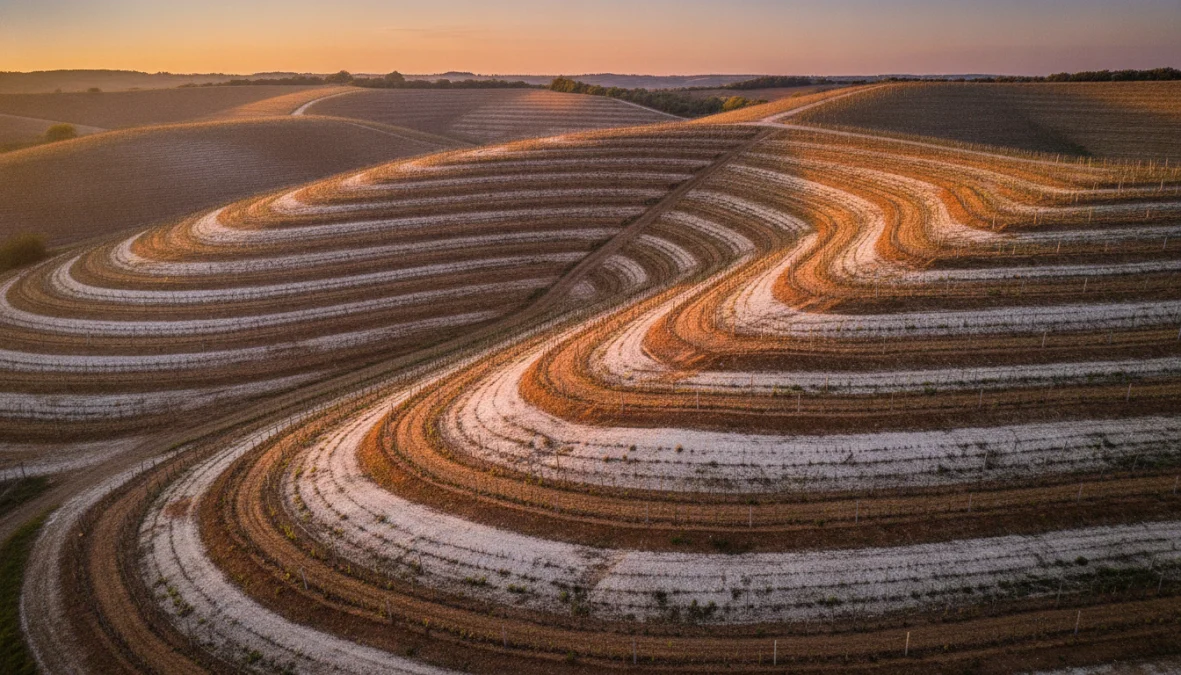
Take wine first, since it’s the classic example. How does terroir affect wine taste? The chalky soils of Champagne create wines with distinctive minerality and acidity. The iron-rich clay of Pomerol produces Merlots with velvety texture and concentration. The granitic hills of Beaujolais give Gamay its characteristic freshness and red fruit notes. These aren’t marketing claims—geological surveys and soil analyses back up what winemakers have known for centuries.
But terroir in cooking extends far beyond the bottle. The appellation d’origine contrôlée (AOC) system—now called AOP at the European level—legally protects foods tied to specific regions. Roquefort cheese must come from specific caves in southern France where particular molds occur naturally. Bresse chicken must be raised in a defined area of Burgundy with traditional methods. This isn’t just bureaucracy; it’s geographical indication as cultural preservation.
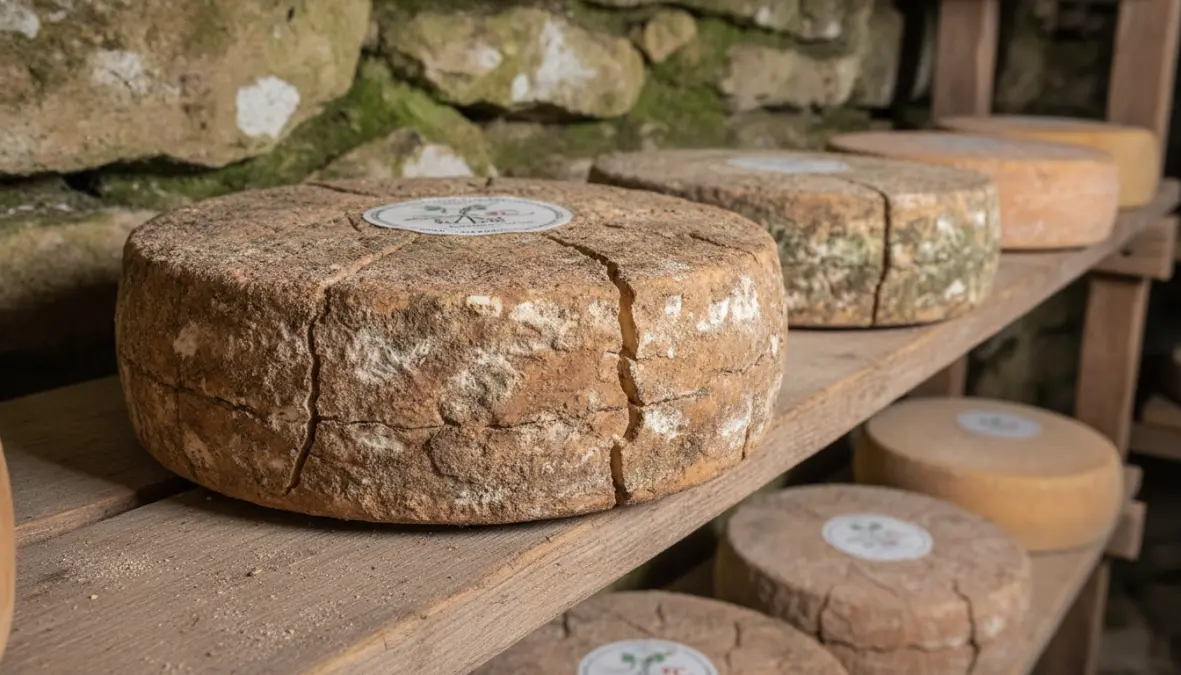
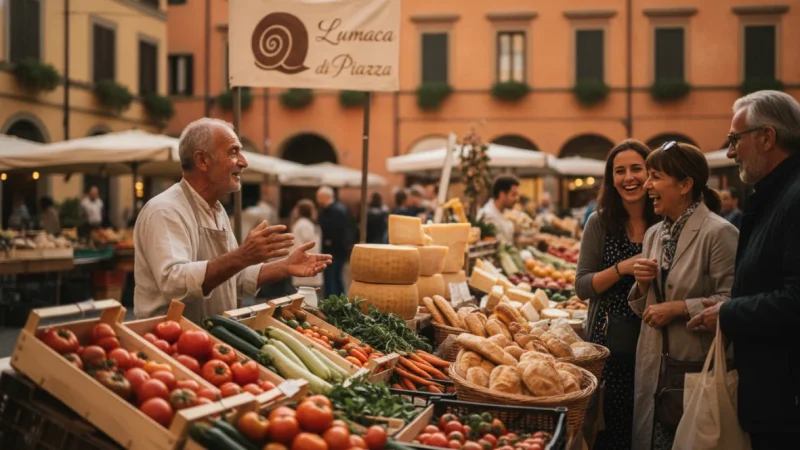
Regional French cuisine becomes a living map of terroir. Brittany’s salt-kissed pastures produce butter with a distinctive flavor that Parisian chefs can’t replicate. Dijon mustard owes its character not just to recipe but to local verjuice and growing conditions. Alpine cheeses like Beaufort develop their complex flavors from cows grazing on high-altitude meadows filled with diverse wildflowers you won’t find in valley farms.
The Science Behind the Soul: Soil Composition and Flavor
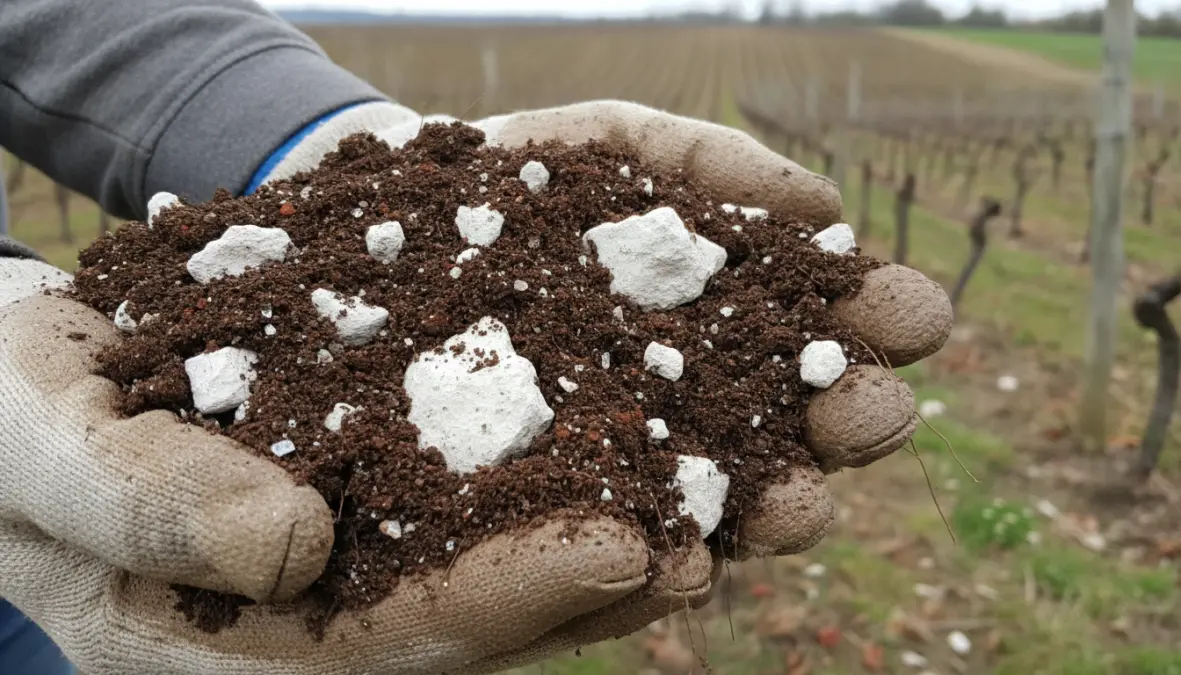
Let’s get into the dirt—literally. The soil and wine relationship isn’t mysticism; there’s real science explaining the relationship between soil and food flavor. Soil composition affects water retention, which influences how plants develop sugars and aromatics. Mineral content impacts nutrient uptake, which shapes flavor compounds in grapes, vegetables, and even the milk of animals grazing on specific pastures.
The limestone-rich soils of Champagne are highly alkaline and drain quickly, stressing vines in a way that concentrates flavors and maintains high acidity—perfect for sparkling wine. The granite soils of Beaujolais warm quickly, promoting early ripening and creating those fresh, fruity Gamay characteristics. The clay-limestone mix in Burgundy retains moisture while providing excellent drainage, creating ideal conditions for Pinot Noir’s delicate complexity.
This agricultural philosophy France pioneered recognizes that you can’t separate the product from the production environment. Modern soil science has confirmed what generations of French farmers intuited: terroir isn’t poetic license—it’s agricultural reality. The goût de terroir (taste of terroir) you detect in a great wine or artisanal cheese is the literal flavor of place, translated through plant and animal biology into something you can taste.
Regional Identity Through Terroir: A Culinary Map of France
France’s extraordinary biodiversity in food and wine is a direct result of terroir thinking. Each region maintains distinct culinary identity precisely because local products can’t—and shouldn’t—be replicated elsewhere.
Provence gives us lavender-scented lamb raised on aromatic garrigue, olive oil shaped by Mediterranean sun, and wines that taste of hot stones and herbs. Normandy’s cool, wet climate produces cream so rich it defines an entire cuisine, along with calvados that captures apple orchards in liquid form. Alsace’s position between French and German influences, combined with its unique microclimate, creates Rieslings and Gewürztraminers unlike any others, plus charcuterie traditions that reflect the terrain.
This regional French cuisine diversity isn’t accidental—it’s terroir philosophy in action. Like how borscht defines Eastern European identity or kimchi embodies Korean cultural values, French regional foods carry the identity of their terroir. The French gastronomic identity is really a collection of local identities, each rooted in specific geography.
The Modern Relevance of Terroir Philosophy
You might wonder: why is terroir important in French culture today, in an era of global supply chains and year-round strawberries? Precisely because of those things. The French culinary philosophy of terroir has become more relevant, not less, as a counterweight to industrial food homogenization.
The farm-to-table movement that’s swept through contemporary dining is essentially terroir philosophy exported worldwide. When California winemakers obsess over vineyard-specific bottlings, when Italian Slow Food activists protect regional products, when chefs anywhere celebrate local food systems and seasonal ingredients, they’re channeling French terroir thinking. The concept has proven exportable even if the word remains untranslatable.
Sustainable agriculture and terroir are natural allies. Artisanal food production that respects terroir typically involves lower-impact farming, preservation of agricultural biodiversity, and support for rural economies. When you protect a cheese’s AOC status, you’re also protecting the traditional grazing lands, animal breeds, and cheesemaking knowledge that created it. How terroir defines regional food identity becomes a preservation strategy for entire ecosystems and cultures.
Of course, terroir faces modern challenges. Climate change is shifting the very foundations—literally—of the concept. Champagne houses are buying land in England as warming makes southern England viable for sparkling wine production. Traditional viticulture practices must adapt to new weather patterns. The philosophy of place and food gets complicated when the place itself is changing.
There are critics who argue terroir is romanticized marketing, that blind tastings sometimes fail to distinguish terroir differences, or that the AOC system can stifle innovation. These debates are healthy—they keep the philosophy evolving rather than fossilizing into dogma.
But at its core, the connection between geography and culinary tradition that terroir represents offers something invaluable: a reminder that not everything should be optimized, standardized, or made available everywhere all the time. Some things gain meaning precisely from their specificity, their rootedness in particular soil and particular traditions. In a globalized food system that often feels placeless, the french terroir philosophy insists that place still matters—that where something comes from shapes not just what it tastes like, but what it means. And that’s a philosophy worth savoring.