Bunny Chow: The History Behind Durban’s Iconic Curry-Filled Bread Bowl
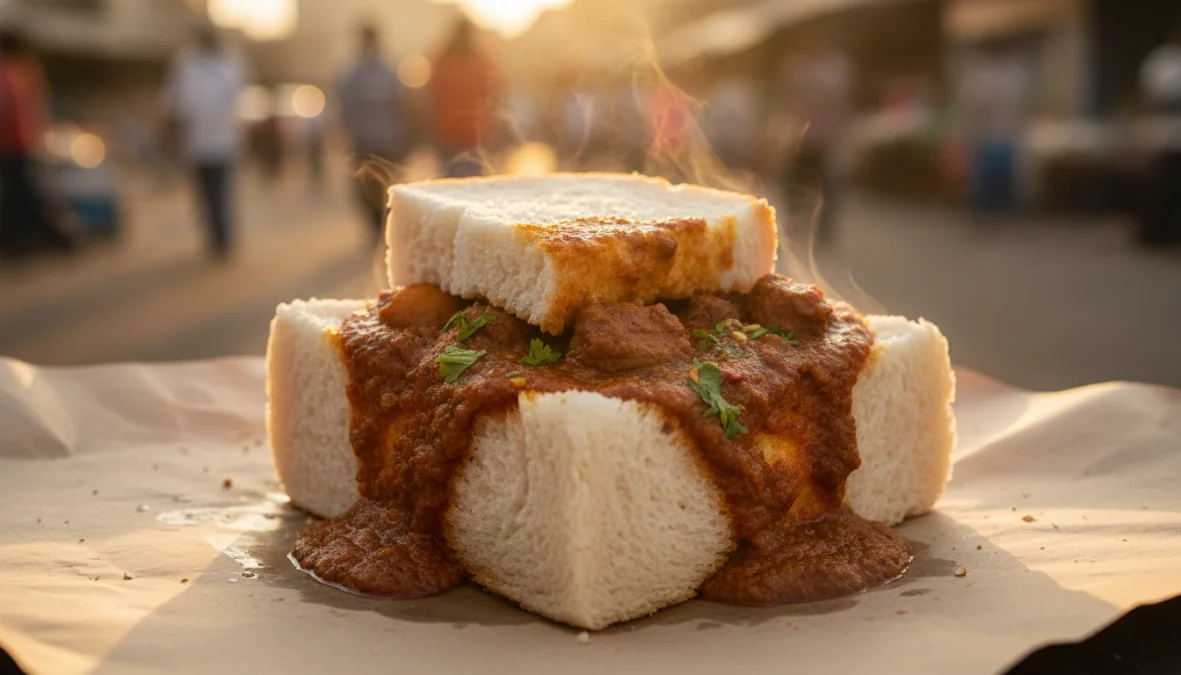
Picture this: you’re walking through the vibrant streets of Durban, the salty Indian Ocean breeze mixing with the intoxicating aroma of curry spices. A street vendor hands you what looks like a simple loaf of bread, but when you peek inside, you discover a steaming treasure trove of rich, spicy curry. This is bunny chow, and its story is far more complex and moving than its humble appearance suggests. Born from the cruel realities of apartheid-era segregation, this south african curry dish has transformed from a practical solution to oppression into an internationally celebrated symbol of resilience and cultural fusion.
What Is Bunny Chow? Understanding Durban’s Signature Street Food
At its core, bunny chow is beautifully simple: a hollowed bread bowl filled to the brim with curry. The concept involves taking a quarter loaf bread (or half loaf for the truly hungry), hollowing out the soft white interior, and filling the cavity with your choice of curry – traditionally bean, chicken, or mutton curry filling. The scooped-out bread, affectionately called the “virgin,” sits on top like a lid, ready to be used for mopping up every last drop of sauce.
What makes this durban street food so special isn’t just the food itself, but the ritual of eating it. Forget cutlery – bunny chow is meant to be eaten with your hands, tearing off pieces of bread-soaked curry in a gloriously messy, communal experience. The contrast between the crispy outer crust and the curry-saturated inner bread creates a texture symphony that’s become synonymous with Durban’s food identity. Whether you order a “quarter mutton” or a “half beans,” you’re participating in a culinary tradition that spans generations and carries the weight of history in every bite.
The Apartheid Origins of Bunny Chow: A Dish Born from Oppression
The bunny chow south african history is inseparable from the painful legacy of racial segregation. To understand how this dish came to be, we need to step back to the mid-1800s and trace the journey of indian indentured laborers who would forever change South Africa’s culinary landscape.
The Indian Community in Durban and Segregation Laws
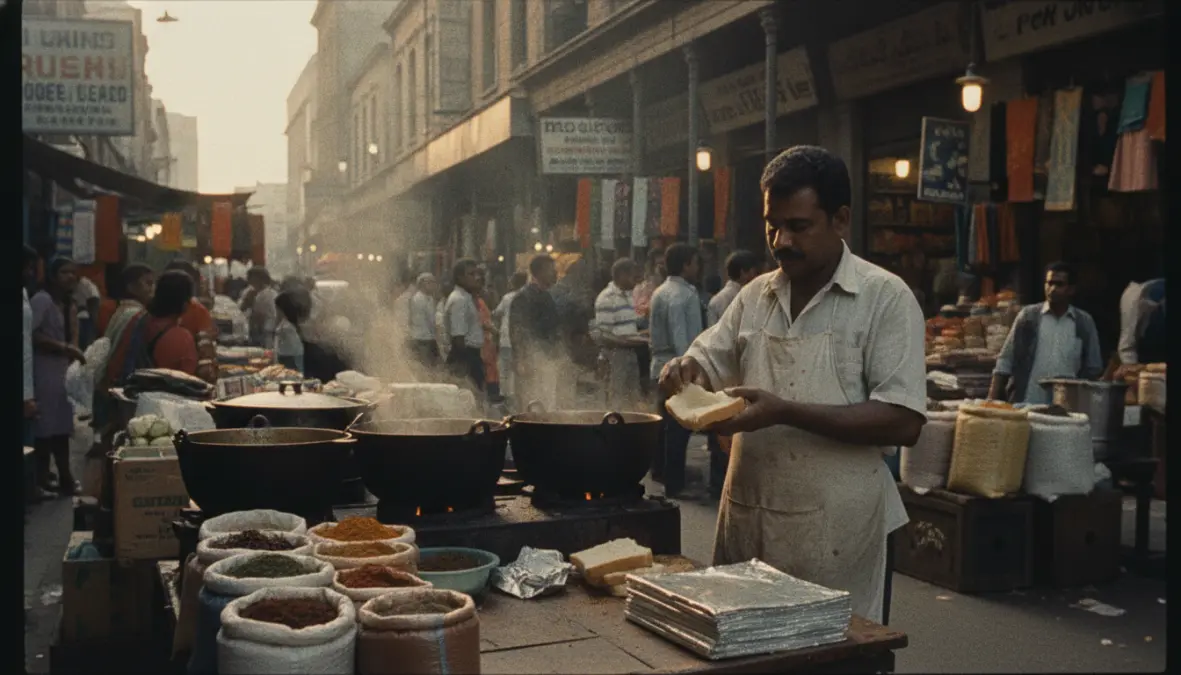
Beginning in 1860, thousands of Indian workers arrived in Durban to labor in the sugar cane fields under harsh indentured contracts. After completing their contracts, many chose to stay, establishing a vibrant Indian community that brought with them the rich culinary traditions of the subcontinent. These spice routes that shaped curry across continents would find new expression in South African soil, much like bobotie became a beloved Cape Malay dish through similar cultural fusion.
However, the apartheid era food landscape was defined by brutal segregation laws. The Group Areas Act and other discriminatory legislation meant that non-white South Africans were prohibited from entering restaurants designated for whites, couldn’t sit down to eat in most establishments, and faced constant harassment when trying to access basic services. For Indian workers in Durban’s bustling Grey Street Durban area and around the Victoria Street Market, grabbing a quick lunch meant navigating a minefield of racist restrictions.
How Bunny Chow Became a Solution to Segregation
Necessity, as they say, is the mother of invention. In the 1940s, enterprising Indian restaurant owners – primarily in the Grey Street precinct – devised an ingenious solution. They would hollow out a loaf of bread and fill it with leftover curry, creating a portable, self-contained meal that workers could carry away without needing plates, utensils, or a place to sit. This wasn’t just convenient; it was subversive. The bread served as both container and meal, eliminating the need for dishes that segregation laws often used as excuses to exclude non-white customers.
The origin of the name remains delightfully debated. The most accepted theory links “bunny” to “bania,” a term referring to the Indian merchant caste who likely first sold the dish. Others suggest it comes from the Afrikaans word for a hollowed-out loaf, or even from “rabbit food” due to the quarter loaf’s size. Regardless of etymology, bunny chow origins are firmly rooted in the indian south african cuisine tradition born from resistance and adaptation.
From Survival Food to Cultural Icon: Bunny Chow’s Evolution
When apartheid officially ended in 1994, bunny chow could have faded into history as a relic of oppression. Instead, it experienced a remarkable renaissance. This apartheid resistance food transformed into a source of cultural pride, celebrating the resilience and creativity of Durban’s Indian community while becoming beloved across all racial groups.
Today’s durban food history is incomplete without acknowledging bunny chow’s central role. The dish spread beyond its Indian origins, embraced by the broader Durban population and eventually becoming a tourist destination in itself. The kwaito township culture adopted it as street food par excellence, and modern bunny chow shops now dot the city, from humble corner stalls to hipster eateries offering gourmet variations.
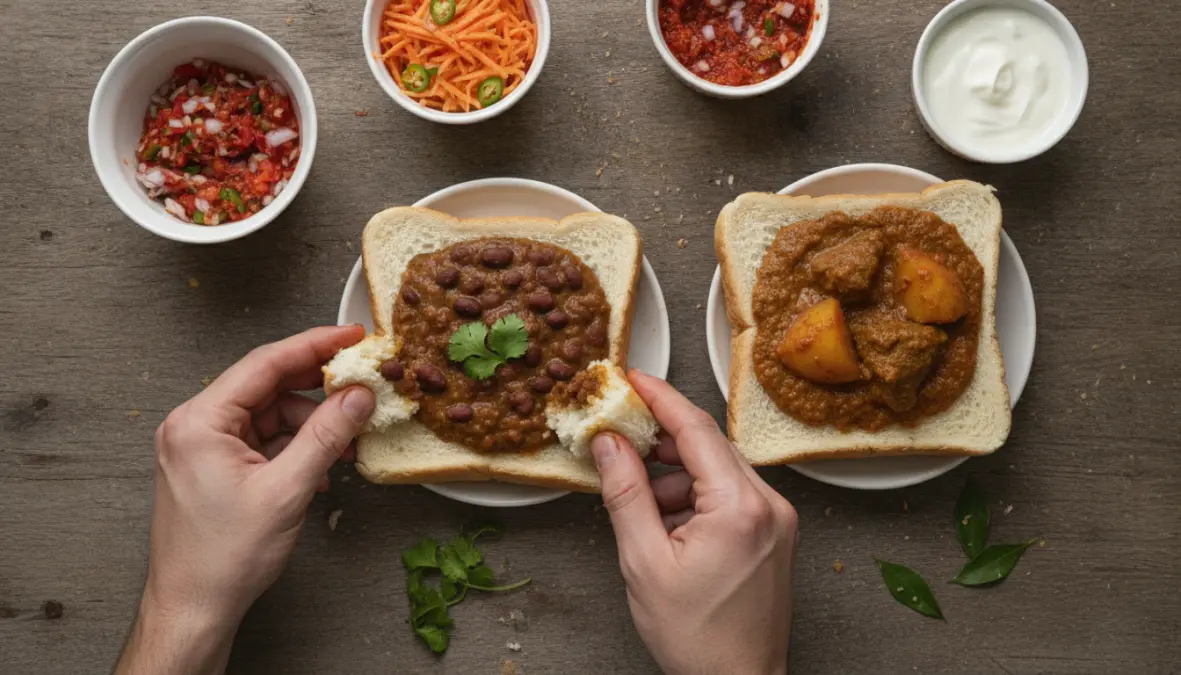
Yet the bunny chow recipe traditional remains remarkably unchanged. Authentic preparation still requires a specific type of white bread – crusty on the outside, soft within – and curry that’s been slowly simmered with the right balance of spices, tomatoes, and meat or beans. Accompaniments like tangy carrot salad, fiery sambals, and cooling raita provide contrast to the rich curry. The best bunny chow in South Africa can still be found at Durban institutions where recipes have been passed down through generations, places where the bread-to-curry ratio is taken as seriously as any Michelin-starred technique.
Where to eat authentic bunny chow in Durban? The Victoria Street Market remains a pilgrimage site, while establishments across the city compete for the title of best bunny chow. The dish has also inspired international attention, with food tourists specifically visiting Durban to experience this unique culinary creation that tells a story of culture, survival, and ultimately, triumph.
FAQ About Bunny Chow
Why is bunny chow called bunny chow?
The most widely accepted explanation links “bunny” to “bania,” referring to the Indian merchant caste members who first created and sold the dish in Durban during the 1940s. Alternative theories suggest connections to the loaf’s rabbit-like size or Afrikaans terminology, but the bania origin remains most credible given the dish’s roots in the Indian community.
Is bunny chow vegetarian?
Bunny chow comes in both vegetarian and non-vegetarian versions. Traditional options include bean curry (vegetarian), chicken, and mutton. The bean version is particularly popular and considered by many purists to be the most authentic option, making bunny chow accessible to vegetarians while maintaining its traditional character.
What’s the traditional way to eat bunny chow?
Authenticity demands eating bunny chow with your hands – no forks allowed! Tear off pieces of the bread from the sides and the scooped-out “virgin” on top, using them to scoop the curry. The bread progressively soaks up the sauce, creating different textures as you work your way through the meal. It’s messy, communal, and absolutely delicious.
Where did bunny chow originate?
Bunny chow originated in Durban, South Africa, specifically within the Indian community around Grey Street during the 1940s. It was created as a practical response to apartheid segregation laws that prevented non-white people from eating in restaurants, making it both a culinary innovation and a form of quiet resistance against oppression.
From its painful origins as apartheid era food to its current status as Durban’s culinary ambassador, bunny chow represents far more than curry in bread. It’s a testament to human creativity in the face of oppression, a delicious reminder that the best food often comes from necessity, and a symbol of how communities can transform survival into celebration. Next time you tear into that curry-filled bread bowl, remember you’re not just eating – you’re participating in a living history that refuses to be forgotten.