Asian Tea Ceremony Traditions: Exploring the Rich Cultural Heritage of China, Korea, and Taiwan
When most people think of Asian tea ceremonies, they immediately picture the Japanese tea ritual with its bamboo whisks and powdered matcha. But the reality is far richer and more diverse. The asian tea ceremony traditions span across multiple countries, each with its own philosophy, techniques, and cultural significance. From the birthplace of tea in China to the meditative rituals of Korea and the innovative tea culture of Taiwan, these ceremonies represent centuries of spiritual practice, social bonding, and artistic expression. Understanding these traditions means diving into a world where every movement matters, every utensil has meaning, and tea becomes a bridge between the physical and spiritual realms.
Introduction: The Pan-Asian Legacy of Tea Ceremonies
The story of asian tea ceremony traditions begins in ancient China, where tea was first cultivated over 5,000 years ago. What started as a medicinal drink evolved into a sophisticated cultural practice that spread throughout East Asia along trade routes and through cultural exchange. While the Japanese tea ceremony often steals the spotlight in Western consciousness, the truth is that east asian tea customs encompass a breathtaking variety of practices across multiple nations, each reflecting unique philosophical and spiritual values.
China gave the world not just tea itself, but the foundational principles of ceremonial tea preparation. Korea developed its own contemplative approach deeply intertwined with Buddhist meditation, while Taiwan took Chinese traditions and infused them with its own innovative spirit. Just as rice holds sacred significance across Asian cultures, tea ceremonies serve as essential cultural touchstones that preserve history, foster community, and provide pathways to mindfulness. These three traditions—Chinese, Korean, and Taiwanese—form the foundation of tea culture across East Asia, each deserving recognition and appreciation in its own right.
Chinese Tea Traditions: The Ancient Art of Gongfu Cha
The chinese tea ceremony, particularly the gongfu tea ceremony (also spelled kung fu cha), represents the mother tradition from which all other Asian tea practices evolved. The term “gongfu” translates to “making tea with skill” or “tea made with great effort,” and this perfectly captures the essence of this meticulous practice. Originating primarily in the Fujian and Guangdong regions during the Song Dynasty, gongfu cha elevates tea preparation to an art form that demands precision, patience, and deep knowledge.
At the heart of chinese tea traditions lies a philosophical foundation rooted in both Confucian and Taoist thought. Confucian rituals emphasize respect, hierarchy, and social harmony—all reflected in the careful etiquette of serving tea to elders and guests. Meanwhile, Taoist principles of naturalness and simplicity influence the aesthetic choices and the meditative quality of the ceremony. The cultural significance of tea in china extends far beyond mere refreshment; it’s a vehicle for demonstrating refinement, showing hospitality, and achieving a state of tranquil focus.
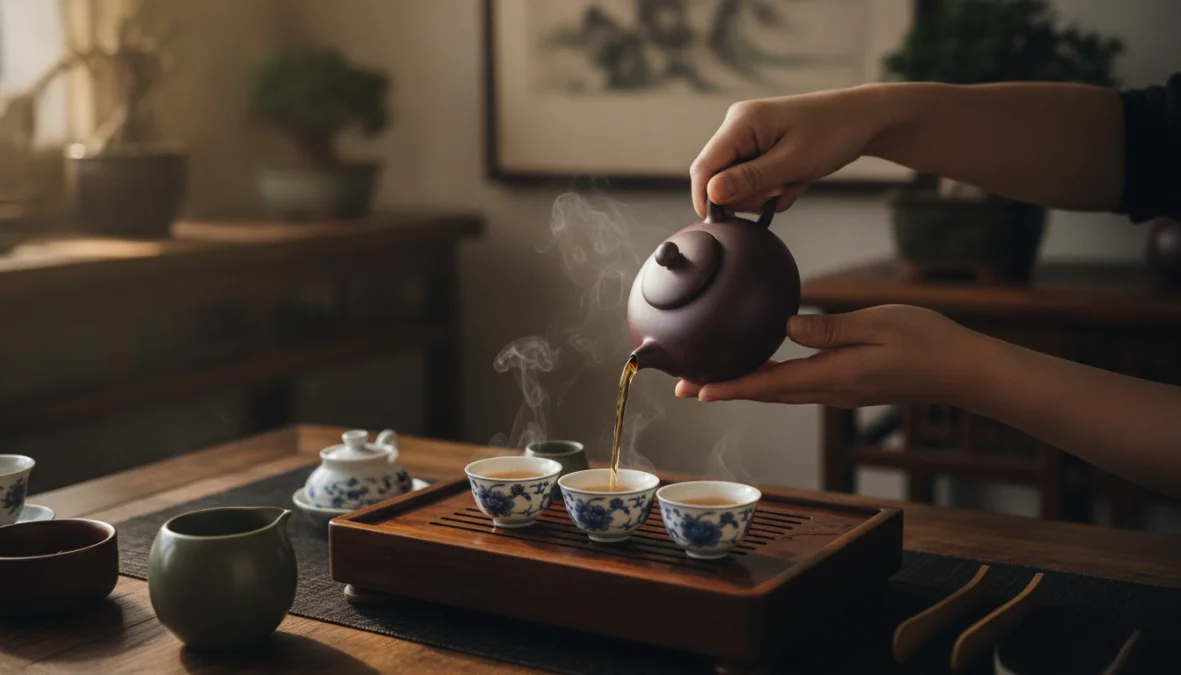
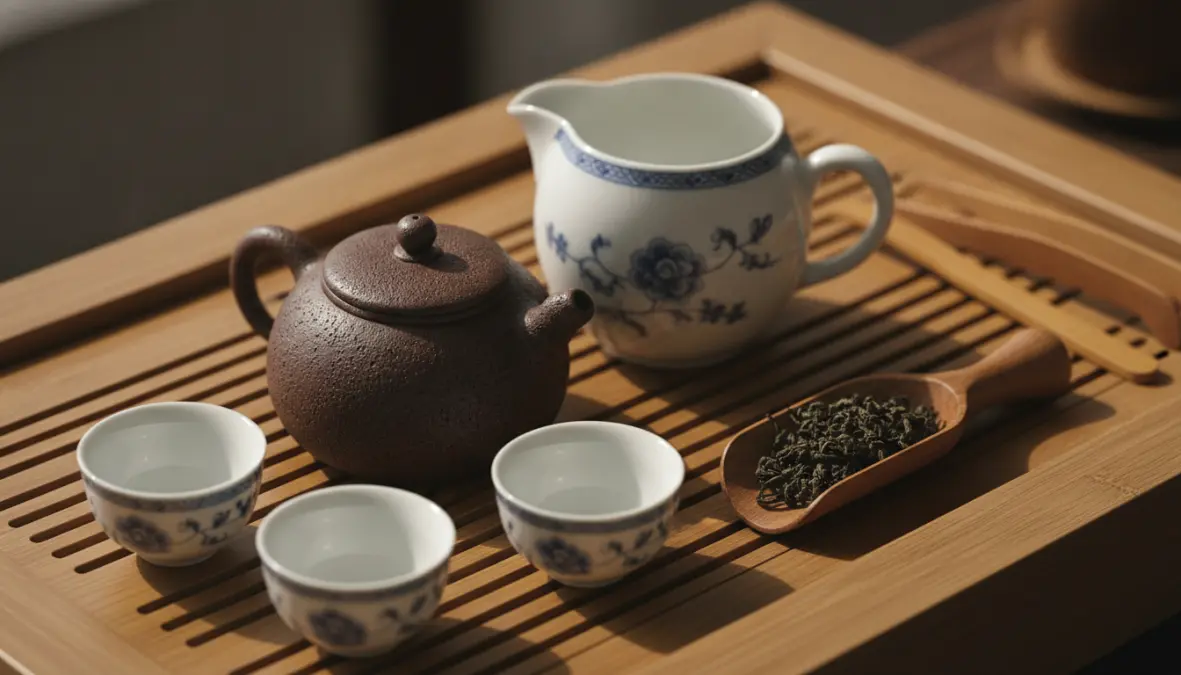
If you’re wondering how to perform a traditional chinese tea ceremony, the process involves specific tea utensils and precise techniques. Essential tools include a small clay teapot (often Yixing pottery), a tea tray with drainage, small cups called pinming cups, a tea pitcher for equalizing strength, and tools for handling hot vessels. The ceremony typically uses oolong or pu-erh teas, which benefit from multiple short infusions. The tea master first warms all vessels with hot water, rinses the tea leaves briefly, then performs a series of quick infusions—sometimes lasting only seconds—extracting different flavor profiles with each brewing. The precision of water temperature, steeping time, and pouring technique all contribute to the perfect cup. This ritual transforms ceremonial tea preparation into a form of mindfulness meditation, where complete attention to the present moment creates a shared experience of beauty and tranquility.
Korean and Taiwanese Tea Ceremonies: Distinct Cultural Expressions
Darye: Korea’s Meditative Tea Ritual
The korean tea ceremony, known as darye (다례), offers a distinctly different experience from its Chinese and Japanese counterparts. Heavily influenced by Zen Buddhism, darye emphasizes simplicity, humility, and deep meditation. While the Japanese tea ceremony developed theatrical elements and strict codification, the Korean approach maintains a more personal, flexible character focused on the inner spiritual experience rather than outward performance.
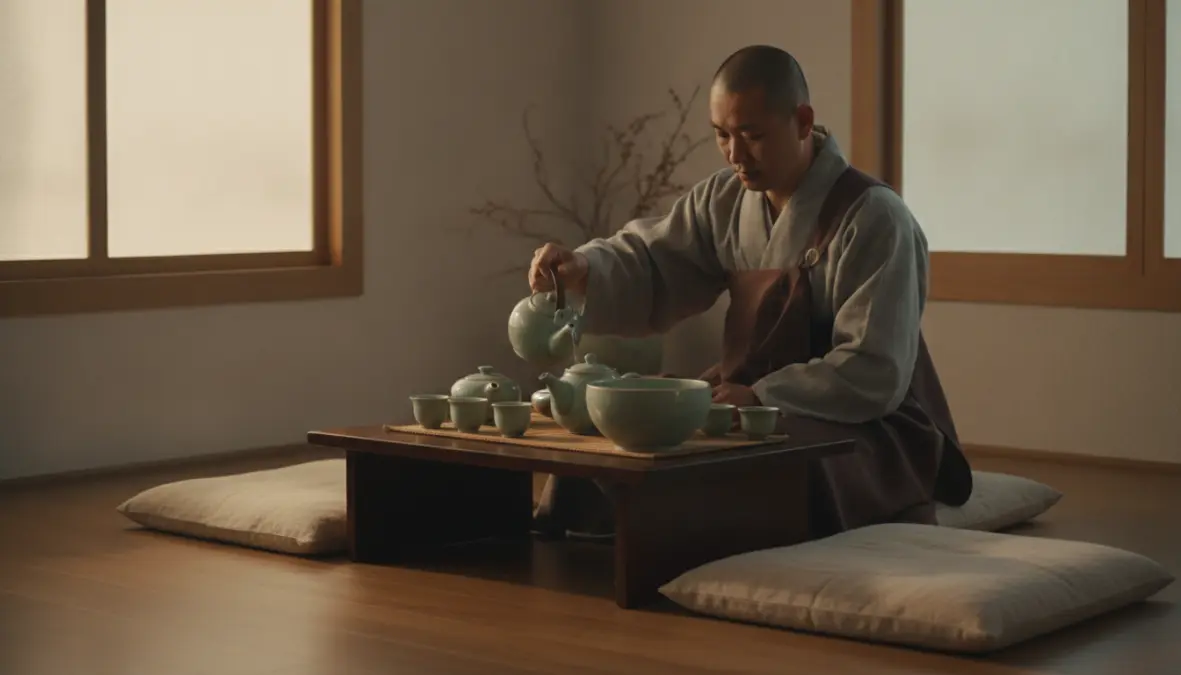
The traditional korean darye tea ceremony steps reflect this contemplative nature. The ceremony typically takes place in a quiet setting, often using traditional Korean green tea or sejak (a fine spring tea). The host begins by purifying the space and utensils, moving with deliberate slowness that encourages participants to release worldly concerns. Korean tea utensils include distinctive celadon or buncheong pottery, wooden tea trays, and bamboo scoops. Understanding korean tea ceremony etiquette and rituals means recognizing that silence is valued, movements are minimal and meaningful, and the focus remains on harmony between host and guest. Similar to how kimchi represents Korean cultural identity, darye serves as a living connection to Korea’s Buddhist heritage and philosophical traditions, particularly as preserved in temple ceremonies.
Taiwanese Tea Culture: Where Tradition Meets Innovation
While taiwanese tea culture inherits much from mainland Chinese traditions, it has evolved into something uniquely its own. Taiwan’s complex colonial history—including periods under Japanese rule—created a fascinating fusion of influences. The island’s geography and climate produce exceptional teas, particularly high-mountain oolong varieties that have become world-renowned. This pride in local tea production has fueled a vibrant contemporary tea scene that respects tradition while embracing innovation.
The taiwanese gongfu tea brewing method follows similar principles to Chinese gongfu cha but often with distinct regional preferences. Taiwanese practitioners might use slightly different timing, prefer certain teaware styles, or incorporate elements that reflect the island’s unique aesthetic. Oolong tea brewing is particularly central to Taiwanese practice, with varieties like Dong Ding, Alishan, and Oriental Beauty each requiring specific handling to reveal their complex flavor profiles. Modern Taiwanese tea houses blend traditional ceremony with contemporary design, creating spaces where young people gather for tea alongside older generations. This cultural continuity ensures that east asian tea customs remain living practices rather than museum pieces. Much like wagashi sweets complement Japanese tea ceremonies, Taiwanese tea culture often pairs tea with local delicacies, creating a complete sensory experience.
FAQ: Understanding Asian Tea Ceremony Traditions
What is the difference between Chinese and Japanese tea ceremonies?
The primary differences lie in philosophy and presentation. Chinese ceremonies, especially gongfu cha, focus on extracting the best flavor through multiple quick infusions, emphasizing the tea itself. Japanese tea ceremony (chanoyu) centers on the preparation of whisked matcha powder and follows highly codified movements emphasizing Zen principles of wabi-sabi (beauty in imperfection). Chinese ceremonies tend to be more flexible and conversational, while Japanese ceremonies follow strict ritualized sequences.
How long does a traditional Korean darye ceremony last?
A Korean darye ceremony typically lasts 30-60 minutes, though this can vary significantly. Unlike the more structured Japanese ceremony, darye emphasizes natural flow and meditation, so timing is less rigid. Temple ceremonies conducted by monks may extend longer as part of broader spiritual practice.
What tea is used in Taiwanese ceremonies?
Taiwanese ceremonies predominantly feature oolong teas, particularly high-mountain varieties grown at elevations above 1,000 meters. Popular choices include Alishan, Lishan, and Dong Ding oolong. These semi-oxidized teas showcase Taiwan’s terroir and are perfect for the multiple-infusion gongfu method.
Can foreigners participate in traditional Asian tea ceremonies?
Absolutely! Most tea practitioners welcome sincere interest from anyone, regardless of cultural background. Many tea houses, cultural centers, and temples offer sessions specifically for beginners and international visitors. The key is approaching with respect, openness, and willingness to learn the basic etiquette of whichever tradition you’re exploring.
The asian tea ceremony traditions of China, Korea, and Taiwan represent living cultural treasures that continue to evolve while honoring their ancient roots. Whether you’re drawn to the technical mastery of gongfu cha, the meditative silence of darye, or the innovative spirit of Taiwanese tea culture, these practices offer pathways to mindfulness, connection, and beauty in our fast-paced modern world. As with many spiritual practices and hospitality customs throughout Asia, tea ceremonies remind us that slowing down, paying attention, and sharing simple moments can be profoundly meaningful. Perhaps it’s time to brew a pot and discover which tradition speaks to your soul.