The Symbolism of Pomegranates in Mediterranean and Middle Eastern Cultures
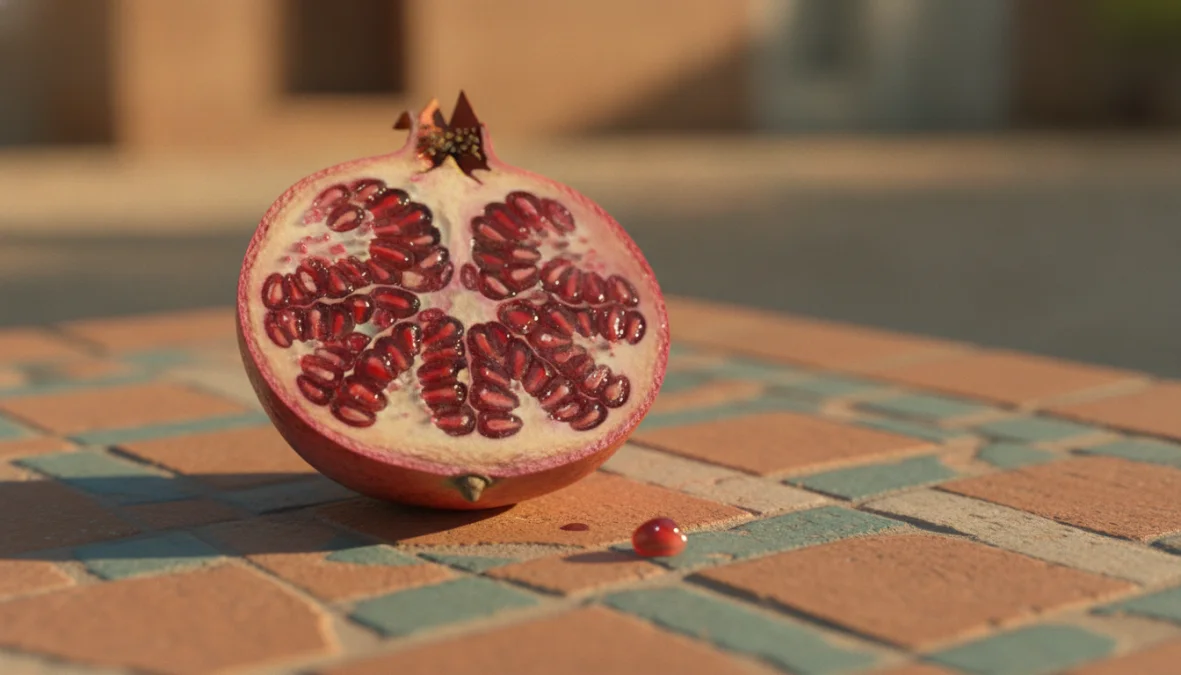
Split open a pomegranate and you’ll find hundreds of ruby-red seeds glistening like jewels—a sight that has captivated humans for thousands of years. This ancient fruit symbolism stretches across continents and centuries, making the pomegranate one of the most culturally rich foods in human history. From the sun-drenched coasts of Greece to the bustling markets of Tehran, pomegranate cultural symbolism weaves through mythology, religion, and everyday traditions in ways that still resonate today. Whether representing fertility, abundance, eternal life, or the mysteries of death and rebirth, this crimson fruit has earned its place as a sacred symbol in Mediterranean and Middle Eastern cultures.
Pomegranate Symbolism in Ancient Mythology and Religion
The pomegranate religious meaning runs deep through some of humanity’s oldest belief systems. This section explores how different civilizations attributed divine qualities to this remarkable fruit, creating stories and traditions that have survived millennia. The pomegranate mythology we encounter across cultures reveals universal human concerns: the cycles of life and death, the hope for abundance, and the connection between the earthly and divine realms.
Greek and Roman Mythology: Persephone and the Underworld
When asking what does pomegranate symbolize in Greek mythology, the answer inevitably leads to one of the most famous myths: the story of Persephone. According to legend, Hades, god of the underworld, abducted Persephone and tricked her into eating six pomegranate seeds. This simple act bound her to the underworld for six months each year, while she could return to her mother Demeter for the remaining months. This Persephone myth elegantly explained the changing seasons—when Persephone descended to Hades, winter arrived as Demeter mourned her daughter’s absence.
The pomegranate seeds in this tale represent both binding and transformation, death and rebirth. The fruit became synonymous with the transition between worlds, making it a powerful symbol in Greek mythology that transcended simple agricultural abundance. Romans adopted similar symbolism, viewing pomegranates as emblems of prosperity and marital fidelity, much like other fertility symbols found across cultures.
Judeo-Christian Traditions and Islamic Symbolism
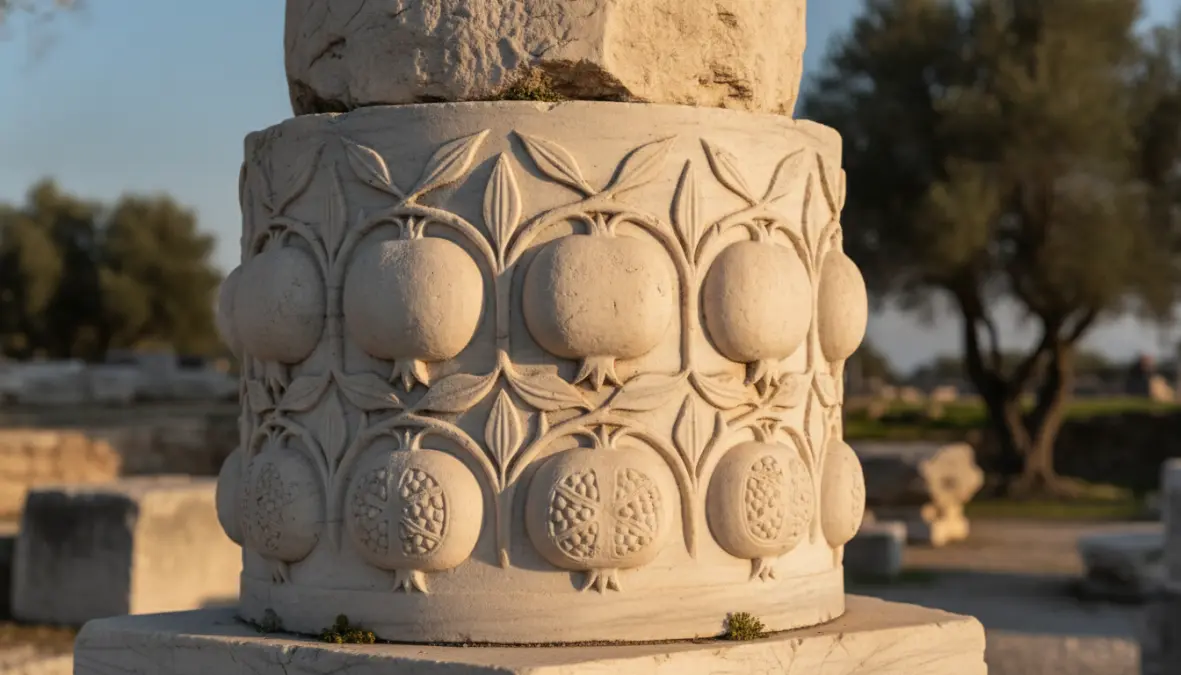
In Jewish traditions, pomegranates hold profound significance. According to tradition, the fruit contains exactly 613 seeds, corresponding to the 613 commandments (mitzvot) in the Torah. During Rosh Hashanah, the Jewish New Year, many families eat pomegranate seeds while expressing the hope that their good deeds in the coming year will be as numerous as the seeds. The fruit also adorned the vestments of the High Priest and decorated Solomon’s Temple, as described in the Hebrew Bible, signifying righteousness and divine favor.
Regarding pomegranate meaning in Islamic culture, the Quran mentions pomegranates three times as one of the fruits of Paradise. Islamic tradition considers it a sacred fruit, with some hadith suggesting that eating pomegranates purifies the heart of envy and hatred. The geometric beauty of the fruit’s interior has inspired countless Turkish motifs and decorative patterns throughout Islamic art and architecture. Understanding why are pomegranates important in Persian culture reveals similar themes: the fruit symbolizes fertility, abundance, and the promise of eternal life in Zoroastrian traditions that predate Islam.
Cultural Significance of Pomegranates in Mediterranean and Middle Eastern Societies
Beyond religious texts, the cultural significance pomegranate holds in everyday life reveals how deeply this fruit is woven into the social fabric of Mediterranean cultural symbols and Middle Eastern traditions. From weddings to artworks, the pomegranate appears as a constant reminder of life’s blessings and the hope for prosperity.
Wedding Traditions and Fertility Symbolism
The pomegranate’s reputation as a fertility symbol makes it a natural centerpiece in wedding celebrations across the Mediterranean and Middle East. In Greece, brides traditionally break a pomegranate on their doorstep after the wedding ceremony, with the scattered seeds symbolizing the wish for many children and a prosperous household. Turkish wedding customs include similar practices, where the number of seeds that scatter is believed to predict the couple’s fortune.
Armenian traditions also embrace pomegranate fertility symbol meaning, with the fruit appearing in wedding decorations and ceremonies. Persian wedding tables (sofreh aghd) almost always include pomegranates among the traditional items, representing fertility, abundance prosperity, and the sweetness of married life. These customs aren’t merely historical curiosities—many families in these regions continue these traditions today, connecting contemporary celebrations to ancient wisdom. Much like bread’s role in sacred traditions, pomegranates carry symbolic weight that transcends their nutritional value.

Artistic and Decorative Representations
The visual appeal of pomegranates has made them ubiquitous in Mediterranean and Middle Eastern art. Byzantine mosaics frequently featured pomegranates as symbols of resurrection and eternal life. Islamic art embraced the fruit’s geometric perfection, incorporating stylized pomegranate patterns into tilework, textiles, and architectural decoration throughout the Ottoman Empire and Persia.
Persian carpets often display elaborate pomegranate motifs, where the fruit represents fertility and abundance while demonstrating the weaver’s skill. In Renaissance European art, pomegranates appeared in religious paintings, often held by the Christ child or Virgin Mary, symbolizing resurrection and the unity of the church. These artistic representations demonstrate how pomegranate symbolism in ancient Mediterranean civilizations evolved and spread, influencing cultures far beyond the fruit’s native range. The pomegranate’s presence in art parallels how other foods carry cultural meaning, similar to Greek culinary traditions that tell stories through ingredients.
FAQ: Common Questions About Pomegranate Symbolism
What does the pomegranate symbolize in different cultures?
Pomegranates symbolize fertility, abundance, and prosperity across most Mediterranean and Middle Eastern cultures. In Greek mythology, they represent death and rebirth through the Persephone story. Jewish traditions associate them with righteousness and divine commandments, while Islamic culture views them as fruits of Paradise. Persian and Turkish cultures emphasize their connection to fertility and eternal life.
Why is the pomegranate associated with fertility?
The pomegranate’s hundreds of seeds naturally suggested fertility and abundance to ancient peoples. The fruit’s productive nature—one pomegranate yielding so many seeds—made it a perfect symbol for hoped-for children and prosperity. This association appears in wedding traditions across Greece, Turkey, Armenia, and Persia, where pomegranates are broken to wish newlyweds many descendants.
What is the biblical meaning of pomegranates?
In Judeo-Christian scripture, pomegranates decorated the Temple of Solomon and the vestments of priests, symbolizing divine favor and righteousness. The fruit appears in the Song of Solomon as a symbol of beauty and fertility. Jewish tradition holds that pomegranates contain 613 seeds, matching the number of commandments in the Torah, making them especially significant during Rosh Hashanah celebrations.
How is the pomegranate used in modern Mediterranean traditions?
Contemporary Mediterranean families continue ancient pomegranate traditions, particularly during holidays and weddings. Greeks still break pomegranates at New Year’s for good luck, while Jewish families eat pomegranate seeds during Rosh Hashanah. The fruit remains popular in Middle Eastern cuisine and decorative arts, maintaining its symbolic connection to abundance and celebration.
What do the seeds represent symbolically?
Pomegranate seeds symbolize fertility, numerous offspring, abundance, and in some traditions, the unity of believers or adherents to religious commandments. The seeds’ jewel-like appearance has also connected them to wealth, hidden treasures, and the rewards of paradise in various cultural interpretations.
The enduring power of pomegranate cultural symbolism demonstrates how a single fruit can carry the weight of human hopes, fears, and aspirations across thousands of years. From ancient temples to modern wedding celebrations, the pomegranate continues to represent our deepest wishes for fertility, prosperity, and eternal renewal. Next time you encounter this crimson fruit—whether in a market, a piece of art, or on your dinner table—remember that you’re connecting with a symbolic tradition as old as civilization itself. The pomegranate reminds us that some symbols transcend time and borders, speaking to universal human experiences that unite us across cultures and centuries.