Jollof Rice Wars: Why West Africa’s Most Beloved Dish Sparks National Pride
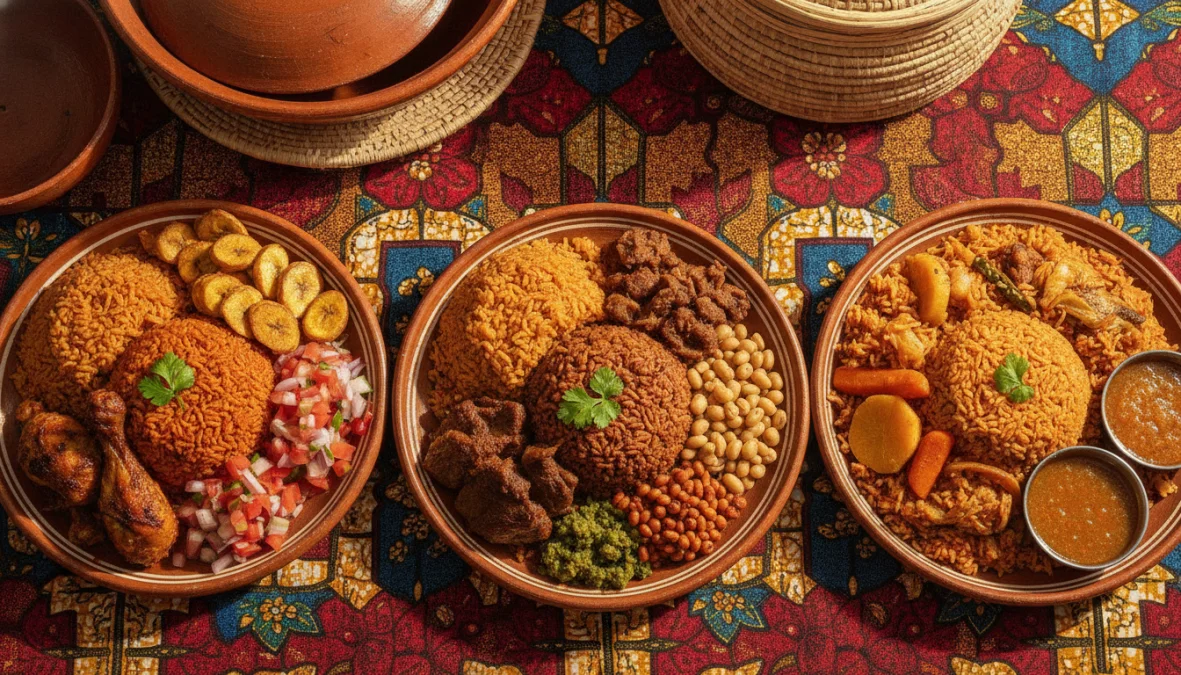
If you’ve ever scrolled through Twitter on a lazy Sunday afternoon and stumbled upon West Africans passionately arguing about rice—yes, rice—you’ve witnessed the legendary Jollof Wars. This isn’t just friendly banter about food preferences. This is national pride, cultural identity, and centuries of tradition all simmering together in one pot. The jollof rice west africa tradition has sparked debates that cross borders, unite diasporas, and occasionally break the internet with memes that would make even the most serious food critic crack a smile.
What Is Jollof Rice and Why Does It Unite (and Divide) West Africa
At its core, jollof rice is a vibrant one-pot dish that brings together rice, tomatoes, onions, and a medley of spices to create something that’s far greater than the sum of its parts. The beauty of this west african cuisine staple lies in its simplicity and its ability to feed crowds at celebrations, funerals, weddings, and everything in between. The cooking method is straightforward: rice absorbs a rich tomato-based sauce infused with scotch bonnet peppers, garlic, ginger, and various seasonings until each grain becomes tender and flavorful.
The jollof rice west africa tradition traces its roots back to the Wolof people of Senegal and Gambia, where the dish was originally known as “thieboudienne” or “benachin.” Historical accounts suggest this culinary treasure emerged sometime between the 14th and 16th centuries in the ancient Jolof Empire, which gives the dish its modern name. As trade routes expanded and communities migrated across West Africa, the recipe traveled with them, adapting to local ingredients and preferences in each new home.
Today, jollof rice has become a powerful symbol of national identity in countries like Ghana, Nigeria, Senegal, Sierra Leone, and Liberia. What started as a shared cultural heritage has evolved into the playful yet fierce “Jollof Wars”—a social media phenomenon where citizens from different nations champion their country’s version as the ultimate, authentic, can’t-be-beaten recipe. Much like how risotto holds special meaning in Italian culinary tradition, jollof has become inseparable from West African cultural expression.
The Main Contenders: How Each Country Makes Jollof Rice Unique
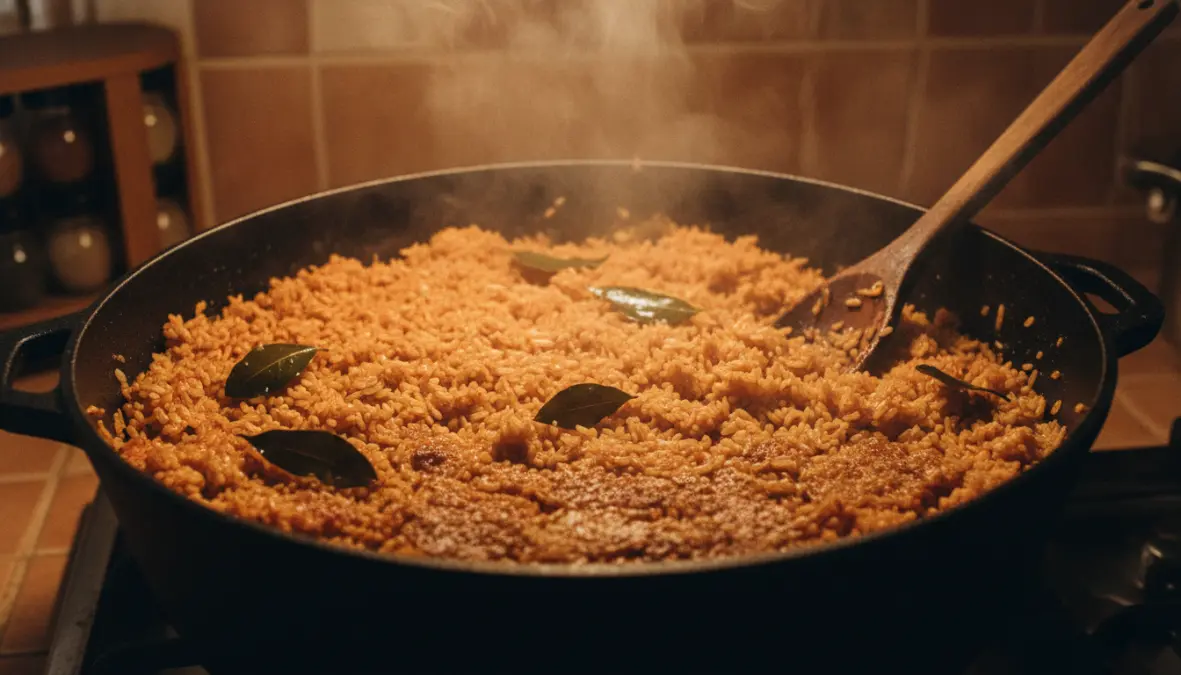
The fascinating aspect of the jollof rice west africa tradition is how each country has developed its own distinctive approach while maintaining the dish’s essential character. Nigerian jollof has earned legendary status for its smoky flavor, achieved through a technique that allows the rice to slightly burn at the bottom of the pot—what locals affectionately call “socarrat” or the prized crispy layer. Nigerian cooks typically use long-grain parboiled rice and add bay leaves for aromatic depth, creating what’s known as “party jollof” for its popularity at celebrations. The tomato base is often intensely concentrated, giving the rice a deep reddish hue that’s become Instagram-famous.
Across the border, Ghanaian jollof takes a different approach with its signature ingredient: shitor, a spicy black pepper sauce that adds layers of complexity and heat. Ghanaian cooks tend to favor a more aromatic profile, sometimes incorporating ginger and garlic more liberally, and the rice often comes out slightly softer with a bright orange color. The debate between Nigerian and Ghanaian versions has become so intense that it deserves its own examination.
Meanwhile, Senegalese jollof—or more accurately, thieboudienne—represents the dish’s ancestral form. This version is notably different because it traditionally includes fish (often grouper or red snapper), vegetables like cassava, cabbage, carrots, and eggplant, all cooked together with the rice in a tomato-fish broth base. The Senegalese approach emphasizes the completeness of a one-pot meal that provides protein, carbohydrates, and vegetables simultaneously. Some preparations use broken rice rather than long-grain, creating a unique texture that sets it apart from its coastal cousins.
Sierra Leonean jollof incorporates local ingredients like cassava leaves or potato leaves for added nutrition and earthiness, while Liberian jollof often features a smokier profile achieved through traditional cooking methods. These regional variations demonstrate how the same basic concept has been lovingly adapted to reflect local tastes, available ingredients, and cooking traditions—similar to how fufu varies across different West African countries.
Nigerian vs Ghanaian Jollof: The Fiercest Rivalry
The Nigerian jollof versus Ghanaian jollof debate has transcended kitchen conversations to become a full-blown cultural phenomenon. Twitter erupts regularly with hashtags like #JollofWars, where celebrities, politicians, and everyday citizens stake their claims. Nigerian superstar Wizkid once casually mentioned preferring Ghanaian jollof, causing a national uproar that dominated news cycles for days. Ghanaian actor Idris Elba has been enlisted as a judge in televised jollof cook-offs, adding celebrity firepower to the friendly feud.
The key differences fuel the debate: Nigerian jollof’s smoky undertones and firmer rice texture contrast sharply with Ghana’s aromatic, slightly softer approach. Nigerians argue that their party jollof’s crispy bottom layer (the “burn” that isn’t really burned) represents the pinnacle of technique, while Ghanaians counter that their version’s balanced spicing and consistency make it superior. The memes are endless—from diplomatic “peace treaties” proposed through jollof cook-offs to humorous jabs about whose grandmother makes the authentic version. This playful competition has actually strengthened regional bonds, giving young Africans in the diaspora a fun way to connect with their heritage.
Why Jollof Rice Means More Than Just Food to West Africans
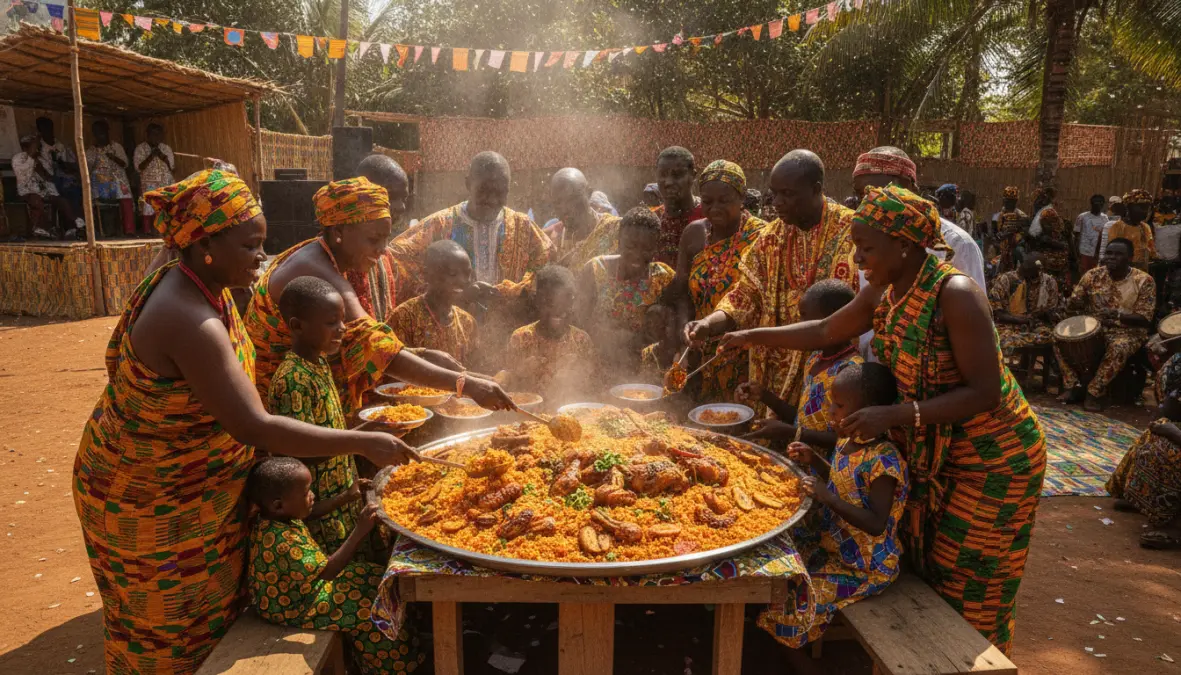
Understanding the west africa tradition surrounding jollof means recognizing it as more than a recipe—it’s a cultural cornerstone that carries profound social significance. Jollof rice is the dish that marks life’s important moments. No West African wedding is complete without mountains of jollof rice feeding hundreds of guests. Birthday celebrations, naming ceremonies, funeral receptions, and national holidays all center around this communal dish that brings people together around shared tables and memories.
The act of preparing jollof often involves multiple generations working together, with grandmothers teaching daughters and granddaughters the secrets of perfect seasoning ratios and heat management. These cooking sessions become opportunities for storytelling, cultural transmission, and bonding that reinforce family connections. In the diaspora, cooking jollof becomes an act of cultural preservation—a tangible link to homeland traditions when living thousands of miles away. The familiar aroma of tomatoes, peppers, and spices simmering together can transport someone instantly back to childhood kitchens in Lagos, Accra, or Dakar.
The Jollof Wars phenomenon, while entertaining, serves a deeper purpose in maintaining cultural vitality among younger generations. Social media debates about whose jollof reigns supreme have introduced countless young Africans to their culinary heritage in ways that feel modern and relevant. Just as kimchi represents Korean cultural identity, jollof rice embodies West African pride, resilience, and the ability to find joy and connection through shared meals. The playful competition actually strengthens pan-African identity by celebrating what unites the region—a common love for this magnificent dish—even while good-naturedly arguing about the details.
FAQ
Which country invented jollof rice?
The dish originated with the Wolof people in what is now Senegal and Gambia during the era of the ancient Jolof Empire (14th-16th centuries). The Senegalese version, thieboudienne, is considered the ancestral form from which other West African variations evolved as the recipe spread through trade and migration.
What is the difference between Nigerian and Ghanaian jollof?
Nigerian jollof typically features a smoky flavor with firmer rice grains and often includes bay leaves, while Ghanaian jollof incorporates shitor (pepper sauce) for a more aromatic profile with slightly softer rice. Nigerian versions tend toward a deeper red color, while Ghanaian jollof often appears brighter orange.
Why is jollof rice so popular in West Africa?
Jollof rice serves as the centerpiece of celebrations and gatherings across West Africa, symbolizing hospitality, community, and cultural identity. Its ability to feed large groups, its delicious flavor, and its deep connection to national pride have made it an irreplaceable part of West African culinary tradition.
What makes authentic jollof rice?
Authentic jollof requires rice cooked in a tomato-based sauce with onions, peppers (especially scotch bonnet), and spices in a single pot. The rice should absorb the sauce completely, resulting in flavorful, separate grains. While specific ingredients vary by country, the one-pot cooking method and tomato base remain essential to any authentic preparation.
The Jollof Wars will likely continue for generations, and honestly, that’s exactly how it should be. This spirited debate keeps traditions alive, brings communities together, and reminds us that food is never just food—it’s history, identity, and love served on a plate. Whether you’re Team Nigeria, Team Ghana, Team Senegal, or appreciating all versions equally, the real winner is anyone lucky enough to enjoy this magnificent dish that has united and delighted West Africa for centuries.