Cachapa: Venezuela’s Sweet Corn Pancakes and Indigenous Heritage
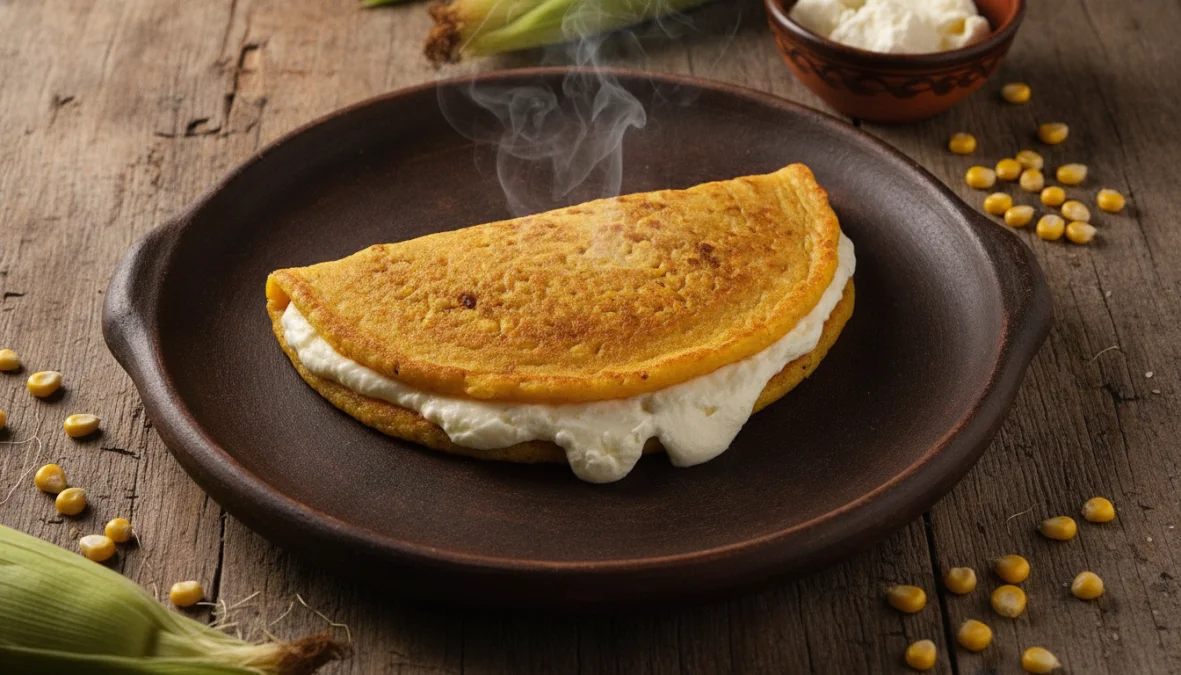
The sizzle of fresh corn batter hitting a hot griddle, the sweet aroma filling the air, and the sight of golden pancakes folding around creamy white cheese—this is the sensory experience that defines cachapa venezuelan tradition. More than just a delicious meal, cachapas represent centuries of culinary heritage, connecting modern Venezuelans to their indigenous ancestors through every sweet, tender bite. These sweet corn pancakes have become an edible symbol of national identity, serving as comfort food, street snack, and family gathering centerpiece all at once.
What Makes Cachapa a Cornerstone of Venezuelan Tradition
At first glance, a cachapa might remind you of a thick pancake or crepe, but this cachapa venezuelan tradition stands in a category entirely its own. Made from freshly ground sweet corn—not cornmeal or flour—cachapas have a naturally sweet flavor profile and a texture that’s both soft and slightly grainy, with crispy edges that caramelize beautifully on the griddle. Unlike their cousin the arepa, which uses pre-cooked corn flour (masarepa) and has a drier, bread-like consistency, cachapas remain moist and tender throughout, their sweetness balancing perfectly with savory fillings.
These sweet corn pancakes appear at Venezuelan tables throughout the day—enjoyed for breakfast with a cup of strong coffee, served as a satisfying dinner, or grabbed from street vendors as a quick snack. The versatility of cachapas mirrors their importance in daily Venezuelan life. In homes across the country, making cachapas often becomes a family affair, with multiple generations gathering around the kitchen to blend corn, cook the batter, and share stories while the cachapas bubble on the budare (traditional griddle).
The base ingredients remain beautifully simple: fresh corn kernels, a touch of salt, sometimes a bit of sugar to enhance the natural sweetness, and occasionally milk or water to achieve the right consistency. This simplicity is deceptive—the quality of fresh corn makes or breaks the dish. The cachapa venezuelan tradition insists on using tender, milky corn at its peak ripeness, creating that signature sweet flavor that processed alternatives simply cannot replicate. Much like how Polish pierogi represent cultural identity through simple ingredients, cachapas demonstrate how humble components can create profound cultural meaning.
From Indigenous Roots to Modern Venezuelan Tables
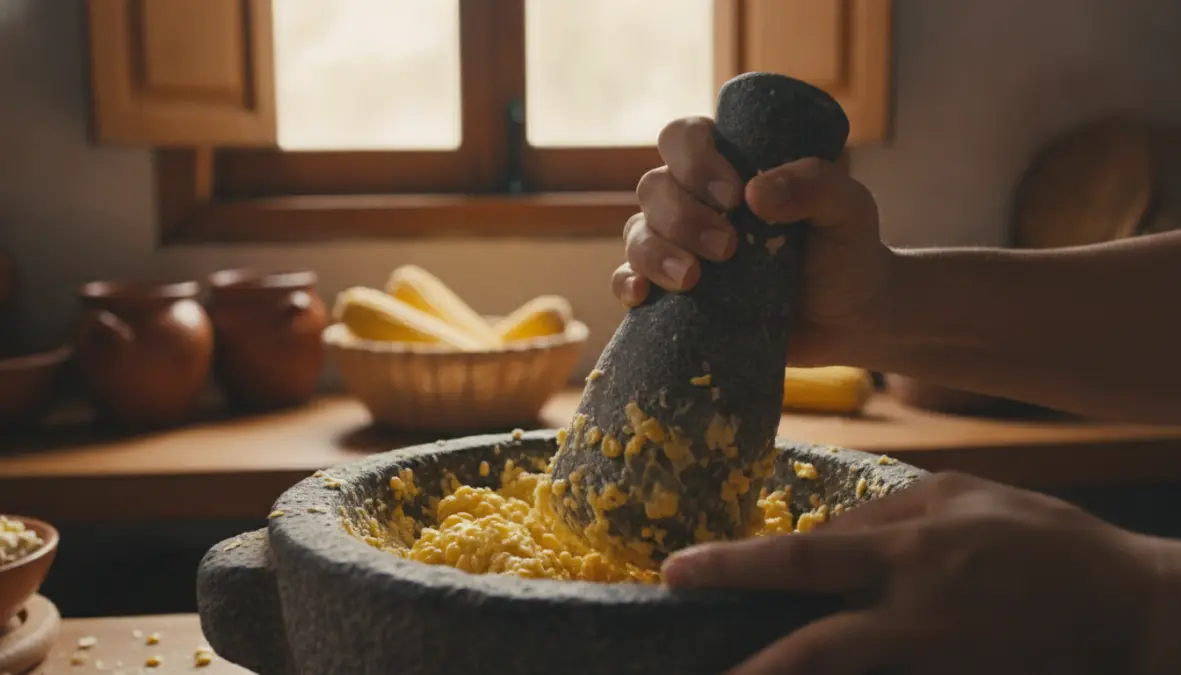
Long before Venezuela existed as a nation, indigenous peoples were cultivating corn throughout the region and creating early versions of cachapas. Pre-Columbian communities, including the Cumanagoto and Caracas tribes, revered corn as a sacred crop, integral to both their diet and spiritual practices. These early cachapas were cooked on hot stones or clay griddles, much simpler than today’s versions but recognizably the same concept—ground fresh corn transformed into portable, nutritious pancakes.
For these native communities, corn held significance beyond mere sustenance. Similar to how rice carries sacred meaning in Asian cultures, corn represented life, fertility, and the connection between earth and people. The transformation of corn kernels into cachapas was both practical cooking and ceremonial act, honoring the crop that sustained entire civilizations.
Through centuries of colonial influence and cultural mixing, the cachapa venezuelan tradition evolved while maintaining its indigenous core. Spanish colonizers introduced dairy products, which eventually led to the beloved combination of cachapa with cheese. African influences contributed cooking techniques and flavor preferences that shaped regional variations. Yet remarkably, the fundamental recipe—fresh corn, ground and cooked on a griddle—survived essentially unchanged, a testament to the dish’s perfection in its original form.
This preservation wasn’t accidental. As Venezuela formed its national identity, cachapas transitioned from indigenous staple to symbol of shared heritage, embraced by all Venezuelans regardless of background. The dish became a point of pride, featured at celebrations, family gatherings, and everyday meals. Today, when Venezuelans abroad taste cachapas, they’re transported home—not just to a place, but to a continuous thread of tradition stretching back millennia.
Traditional Preparation Methods and Regional Variations
The heart of traditional cachapa preparation is the budare, a flat, round griddle traditionally made from clay or cast iron. This tool, itself an indigenous invention, distributes heat evenly and creates the characteristic lightly charred exterior. Modern Venezuelan cooks might use regular griddles or non-stick pans, but purists insist the budare imparts an irreplaceable flavor and texture.
Regional variations across Venezuela add delightful diversity to the basic concept. In the eastern states, cachapas tend to be thinner and crisper, while Andean versions are often thicker and more substantial. Some regions add a touch of anise or incorporate different corn varieties, each bringing subtle flavor variations. The coastal areas might serve cachapas with fresh fish, while inland regions pair them with heartier meats.
The most traditional filling remains queso de mano, a soft, fresh Venezuelan cheese that melts slightly from the cachapa’s warmth without becoming completely liquid. This hand-made cheese (literally “hand cheese” from its shaping method) has a mild, slightly salty flavor that complements the corn’s sweetness perfectly. Other classic accompaniments include:
- Nata (Venezuelan cream): thick, slightly tangy, adding richness
- Chicharrón: crispy pork for textural contrast and savory depth
- Pernil: slow-roasted pork shoulder, especially popular for heartier meals
- Mantequilla: simple butter, letting the corn flavor shine
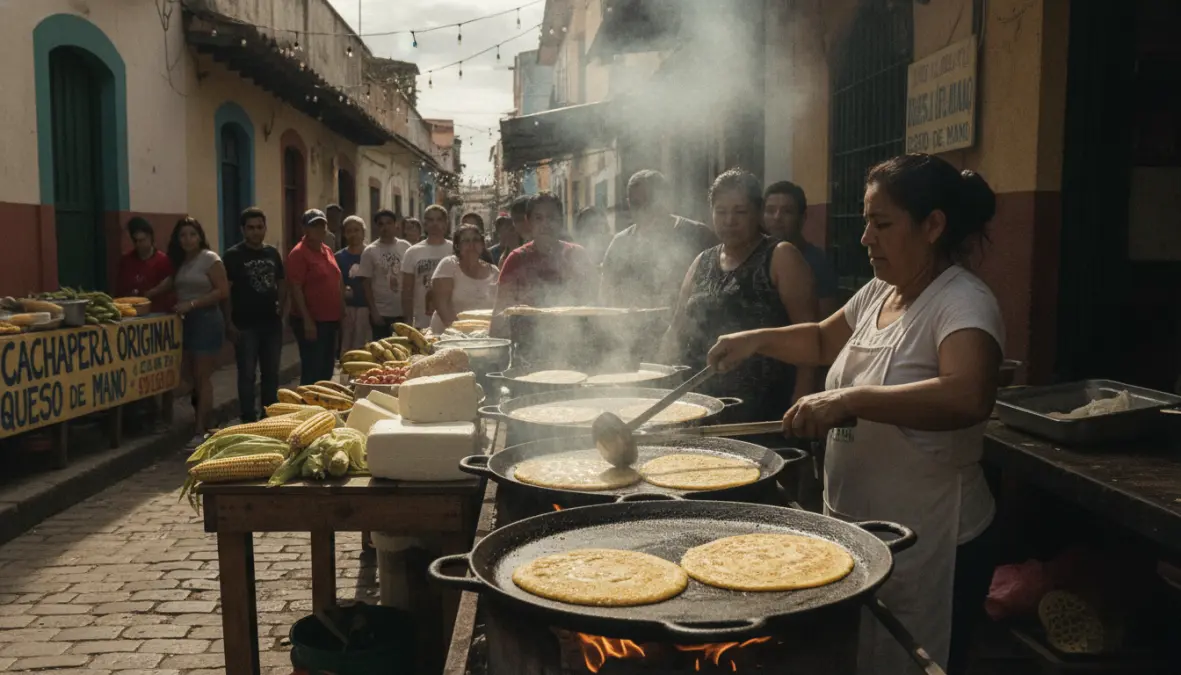
In traditional cachaperas—restaurants specializing in cachapas—the experience becomes theater. Cooks work multiple griddles simultaneously, expertly spreading batter, timing each pancake to golden perfection, and assembling orders with practiced efficiency. At home, the pace is gentler, with families making cachapas in smaller batches, often customizing each one to individual preferences. This communal aspect echoes the Swedish fika tradition, where the ritual of sharing matters as much as the food itself.
FAQ: Common Questions About Cachapa Venezuelan Tradition
What’s the difference between cachapa and arepa?
While both are Venezuelan corn-based staples, they’re quite different. Cachapas use fresh, sweet corn ground into batter, creating a sweet, soft pancake. Arepas use pre-cooked corn flour (masarepa), resulting in a denser, bread-like texture with a neutral flavor. Cachapas are always cooked flat and folded, while arepas are thick rounds that can be split and stuffed.
Can you make cachapa with canned corn or does it need fresh?
Authentic cachapa venezuelan tradition demands fresh corn for the best flavor and texture. However, if fresh corn isn’t available, you can use frozen corn kernels (thawed) as a reasonable substitute. Canned corn contains too much liquid and lacks the milky sweetness of fresh corn, producing inferior results. The corn should be tender and sweet—test by tasting a raw kernel before grinding.
Why is queso de mano the traditional cheese for cachapas?
Queso de mano has the perfect melting point and texture—it softens without becoming runny, maintaining structure while adding creamy richness. Its mild flavor doesn’t overpower the corn’s sweetness. If you can’t find it, fresh mozzarella, queso blanco, or mild white farmer’s cheese make acceptable substitutes, though traditionalists notice the difference.
How do you store and reheat cachapas?
Fresh cachapas taste best immediately, but you can store them refrigerated for 2-3 days or freeze them for up to a month. Separate layers with parchment paper to prevent sticking. Reheat on a griddle or skillet over medium heat until warmed through and crispy, or use a microwave for convenience (though this sacrifices the crispy texture). Add fresh cheese after reheating for best results.
Are cachapas gluten-free?
Yes! Traditional cachapas contain only corn, salt, and sometimes milk or sugar—all naturally gluten-free. This makes them an excellent option for those avoiding gluten. However, always check if dining out, as some modern variations might incorporate wheat flour or cross-contamination could occur in kitchens that also prepare wheat-based items.
The cachapa venezuelan tradition continues to thrive because it offers something rare—a direct, delicious connection to ancient heritage that remains relevant in modern life. Whether you’re enjoying one from a street vendor in Caracas or attempting your first homemade batch in a kitchen thousands of miles away, each cachapa carries centuries of history in its sweet, tender folds. Like indigenous maple syrup traditions in Canada or other culturally significant foods worldwide, cachapas remind us that the most meaningful dishes are those that feed both body and cultural soul. The next time you bite into that perfect combination of sweet corn and melting cheese, remember you’re not just eating—you’re participating in a tradition that has sustained and united people for thousands of years.