Bún Chả Hanoi: The Grilled Heritage of Vietnam’s Capital
Picture this: you’re walking through the narrow lanes of Hanoi’s Old Quarter around noon, and the air suddenly fills with the intoxicating aroma of charcoal-grilled pork. You follow your nose to find small plastic stools scattered along the sidewalk, locals hunched over bowls of noodles, dipping fresh herbs into a sweet-savory broth. You’ve just discovered bún chả, the dish that defines lunchtime in Vietnam’s capital and represents centuries of hanoi food culture. This isn’t just another bowl of noodles—it’s a culinary tradition that speaks to the soul of Hanoi itself.
The Heart of Hanoi’s Culinary Identity
The bun cha hanoi tradition dates back several generations, though its exact origins remain delightfully mysterious. What we do know is that this dish emerged as the quintessential lunch option for Hanoi’s working class, offering an affordable yet satisfying midday meal that could be quickly consumed before returning to work. Unlike the breakfast staple Vietnamese pho, which starts the day with its aromatic broth, bún chả became the undisputed champion of lunchtime.
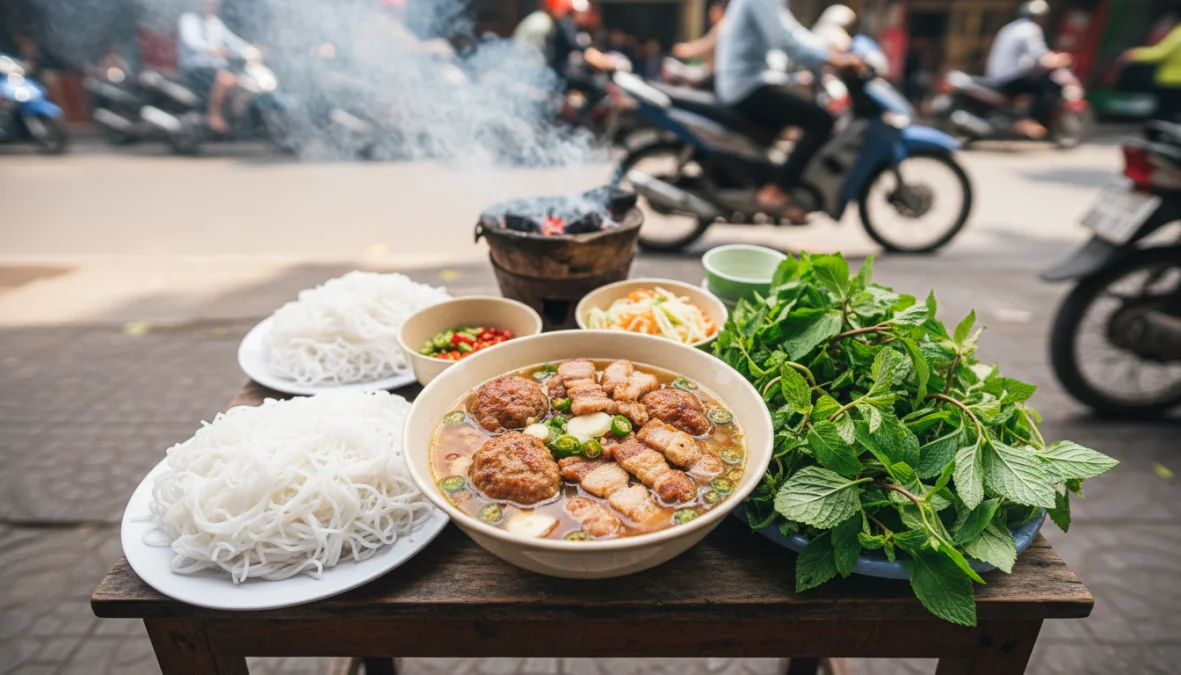
The hanoi culinary heritage wouldn’t be complete without bún chả, which distinguishes itself from other northern vietnamese dishes through its unique serving style: rather than combining everything in one bowl, the components arrive separately. You get a plate of vermicelli noodles, a bowl of dipping broth with grilled pork, and a generous platter of fresh herbs. This separation allows diners to customize each bite, creating a personal experience that reflects the dish’s democratic spirit.
For Hanoians, bún chả represents more than sustenance—it’s a connection to their city’s identity. The dish evolved in the streets, perfected by generations of vendors who worked from dawn to serve the lunchtime rush. It’s a social ritual where strangers share tables, businesspeople sit beside students, and everyone participates in the same delicious tradition. The emotional bond runs so deep that many Hanoians living abroad cite bún chả as the dish they miss most.
From Street Corners to Global Fame: The Bún Chả Experience
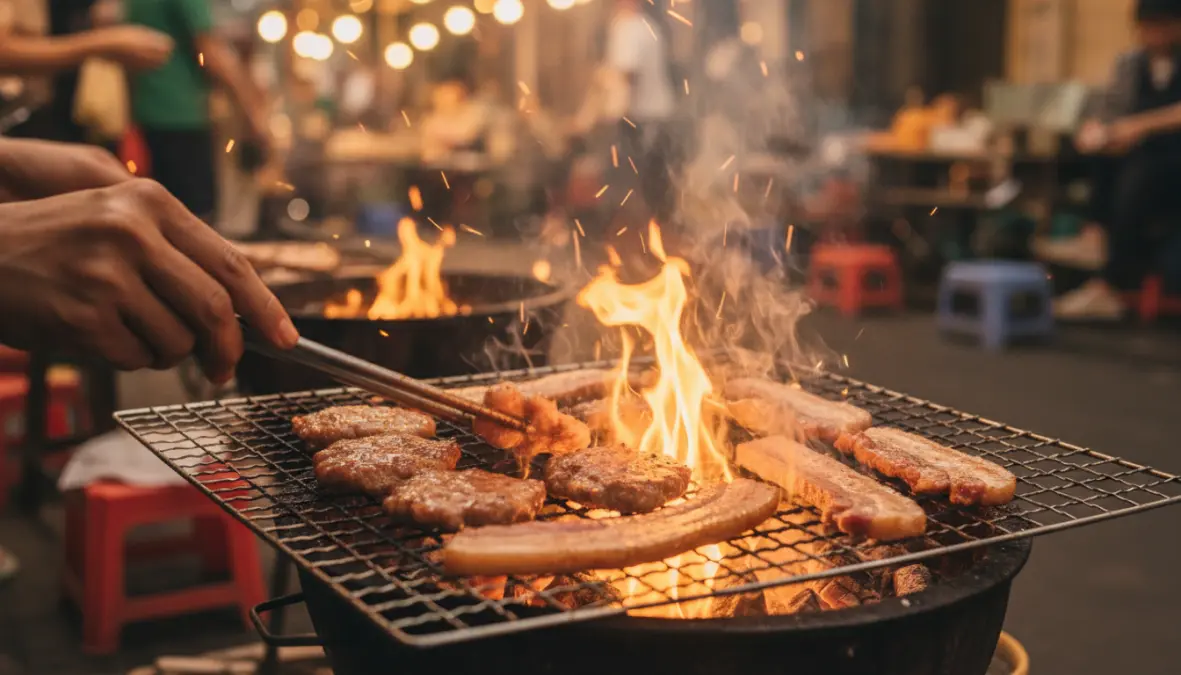
Authentic hanoi street food experiences don’t get better than finding a proper bún chả joint. These establishments typically consist of makeshift grills set up on sidewalks, tiny kitchens barely visible behind clouds of fragrant smoke, and those ubiquitous low plastic stools that define Vietnamese dining culture. The atmosphere is loud, chaotic, and absolutely perfect.
Everything changed in 2016 when President Obama and chef Anthony Bourdain sat down for bun cha obama at a modest eatery in Hanoi’s Old Quarter. Their $6 meal thrust this humble street food onto the world stage, transforming the restaurant into a pilgrimage site for food tourists. But while the “Obama bowl” brought international attention, traditional bun cha had already been winning hearts for decades throughout Vietnam’s capital.
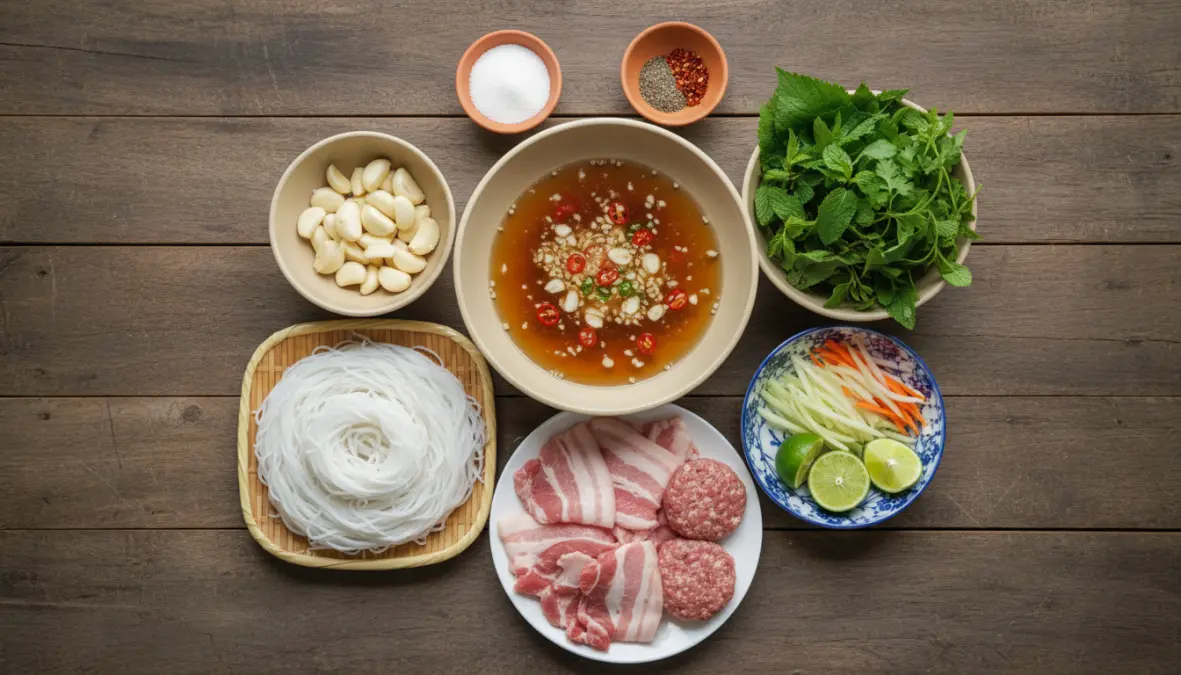
When you order bún chả, you receive several components: a bowl of vietnamese vermicelli noodles, a bowl of nuoc cham dipping sauce swimming with grilled pork patties and sliced pork belly, plus a plate piled high with lettuce, perilla leaves, cilantro, and other herbs. The etiquette is simple—grab some noodles with your chopsticks, dip them in the broth along with herbs and pickled vegetables papaya, and experience the perfect balance of smoky, sweet, sour, and fresh.
The best spots for where to eat bun cha in hanoi old quarter include the legendary Bún Chả Hương Liên (yes, the Obama restaurant), Bún Chả Đắc Kim on Hàng Mành Street, and countless unnamed vendors who’ve been perfecting their recipe for decades. Don’t be fooled by the lack of fancy décor—in Hanoi, the best bún chả often comes from the most unassuming places.
The Art of Grilling: What Makes Bún Chả Special
The magic of vietnamese grilled pork lies entirely in the grilling technique. True bún chả requires charcoal grilled meat, and not just any charcoal—traditional vendors swear by a specific type that burns hot and clean, imparting that distinctive smoky flavor without bitterness. The grill master must constantly fan the coals and flip the meat to achieve the perfect char without drying it out.
Two types of pork appear in your bowl: chả (seasoned pork patties) and nem (marinated slices of pork belly). The patties are hand-formed from ground pork mixed with fish sauce, sugar, garlic, and black pepper, while the belly slices undergo a similar marinade before grilling. The balance between these two textures—the tender, fatty belly and the firmer, more intensely flavored patties—creates the dish’s signature complexity. Watch a skilled vendor work their grill, and you’ll understand why what makes hanoi bun cha unique isn’t just the ingredients, but the years of practice required to master the flame.
Crafting Authentic Bún Chả at Home
Learning how to make authentic bun cha hanoi might seem intimidating, but with the right approach, you can recreate this magic in your own kitchen. The bun cha hanoi recipe starts with the meat: you’ll need about 500 grams of ground pork for the patties and 300 grams of pork belly, sliced thinly.
For the marinade, combine 3 tablespoons of fish sauce, 2 tablespoons of sugar, 4 minced garlic cloves, 2 minced shallots, a teaspoon of black pepper, and a tablespoon of neutral oil. Divide this mixture between your ground pork and pork belly slices, letting both marinate for at least 2 hours (overnight is better). Form the ground pork into small patties, about the size of a meatball pressed flat.
The nuoc cham dipping sauce requires precise balance: mix 3 parts water with 1 part fish sauce, add sugar to taste (it should be noticeably sweet), fresh lime juice, minced garlic, and sliced chilies if you like heat. Some recipes include a splash of rice vinegar. Add julienned carrots and pickled vegetables papaya to the broth for texture and tang.
If you lack a charcoal grill, a gas grill works well, or even a very hot cast-iron pan. The key is achieving some char without overcooking. Grill the patties and belly slices until caramelized and slightly crispy at the edges, then drop them directly into the warm dipping sauce. Serve with vietnamese vermicelli noodles (bún), fresh herbs (mint, Thai basil, perilla, lettuce, cilantro), and enjoy the layered flavors that make this dish unforgettable. Much like Moroccan tagine, bún chả rewards patience and attention to balancing flavors.
Essential Ingredients and Where to Find Them
Authentic Vietnamese fish sauce is non-negotiable—look for brands like Red Boat or Three Crabs at Asian markets. The quality dramatically affects the final taste, so don’t substitute with soy sauce or other alternatives. Vietnamese rice vermicelli (bún) has a specific texture that’s lighter than other Asian noodles; find it in the dried noodle section of Asian grocers or online.
Fresh herbs are crucial but can be challenging. While mint, cilantro, and lettuce are everywhere, perilla leaves (also called shiso) and Vietnamese coriander might require specialty stores. In a pinch, Thai basil and extra mint can substitute, though the flavor profile shifts slightly. Rice vinegar and quality lime juice help balance the sweetness, while julienned green papaya (available in many Asian markets) adds authentic crunch to your dipping sauce.
FAQ: Everything You Need to Know About Bún Chả Hanoi
What’s the difference between bún chả and bún thịt nướng?
Understanding bun cha hanoi vs bun thit nuong is simple: bún chả is specifically Hanoian, featuring pork served in a warm dipping broth with separate noodles. Bún thịt nướng, popular in southern Vietnam, presents grilled pork on top of noodles in a bowl, often with more vegetables and a drier presentation. The southern version typically includes spring rolls too.
When is bún chả traditionally eaten?
Bún chả is quintessentially a lunch dish in Hanoi. Most vendors open around 10 AM and sell out by mid-afternoon. Eating it for breakfast or dinner would strike locals as odd—it’s designed for the midday meal, providing energy without being too heavy.
Is bún chả spicy?
Not inherently. The traditional bun cha recipe with fish sauce focuses on sweet, sour, and umami flavors. Chilies appear on the side, allowing diners to adjust heat levels personally. Some prefer it fiery, others keep it mild—Vietnamese cuisine celebrates individual preference.
Can you prepare bún chả in advance?
The marinade benefits from overnight preparation, and you can grill the meat a few hours ahead, reheating it briefly before serving. However, the dipping sauce tastes best freshly mixed, and noodles should be cooked right before eating to prevent them from clumping.
What drinks pair with bún chả?
Hanoians typically drink iced tea (trà đá) or local bia hơi (fresh beer) with bún chả. The light, refreshing beverages cleanse the palate between bites without overwhelming the delicate balance of flavors. Some opt for sugarcane juice for a sweet contrast.
Like other cultural culinary traditions—from Polish pierogi to Turkish meze—bún chả represents more than ingredients on a plate. It’s a living tradition that connects past and present, street corners and dining tables, locals and curious travelers. Whether you’re planning your culinary adventure through hanoi old quarter cuisine or recreating these flavors at home, remember that the best bún chả is always shared with good company, eaten without pretension, and savored slowly. Next time you find yourself in Vietnam’s capital, skip the tourist restaurants and follow the smoke to a sidewalk grill—that’s where the real bun cha hanoi tradition awaits.