British Afternoon Tea Tradition: From Victorian Etiquette to Global Tea Culture
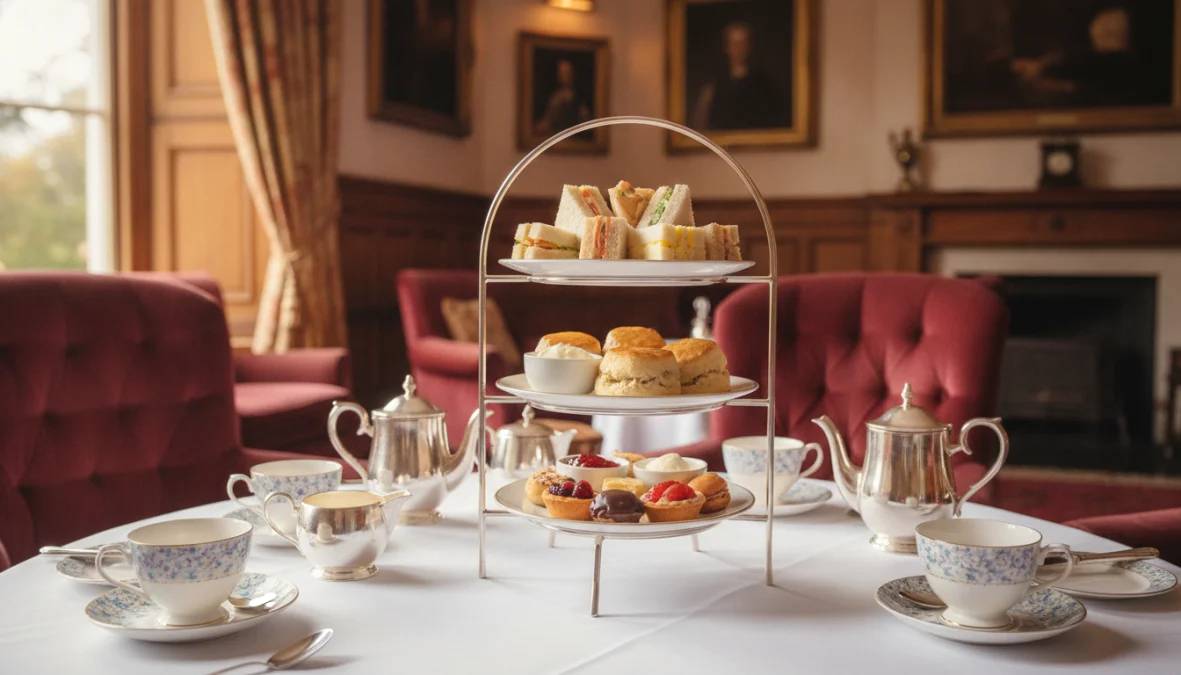
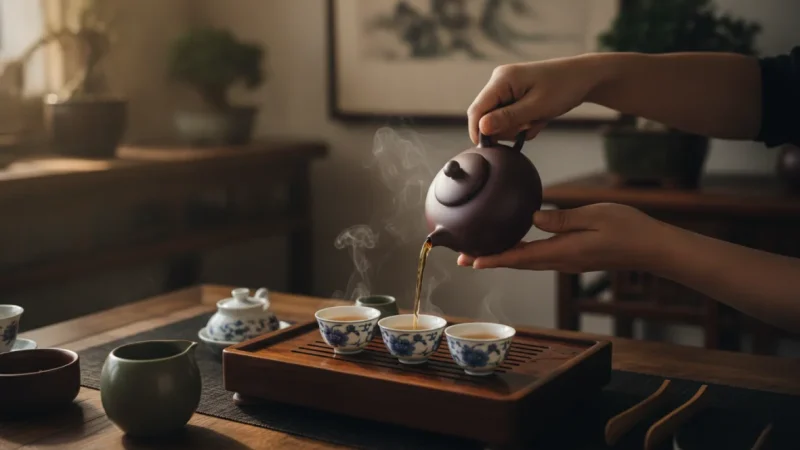
Picture this: delicate porcelain teacups clinking softly, the aroma of freshly brewed Earl Grey wafting through an elegant drawing room, and perfectly arranged tea sandwiches and scones on a gleaming three-tiered stand. The British afternoon tea tradition isn’t just about sipping tea—it’s a cultural phenomenon that transformed from an aristocratic habit into a global ritual. But how did afternoon tea start in Britain, and why did this simple practice become such an enduring symbol of British identity? Let’s explore the fascinating journey of this beloved tradition, from its Victorian origins to its colonial influence across continents.
The Origins and Evolution of British Afternoon Tea Tradition
The British afternoon tea tradition owes its existence to one hungry duchess. In the 1840s, Anna, the Duchess of Bedford, found herself experiencing what she called a “sinking feeling” during the late afternoon. With dinner not served until 8 or 9 PM in aristocratic households, the gap between lunch and evening meals felt interminably long. Her solution? Requesting tea, bread, butter, and cakes to be brought to her room around 4 PM. This private indulgence soon evolved into a social event as she began inviting friends to join her.
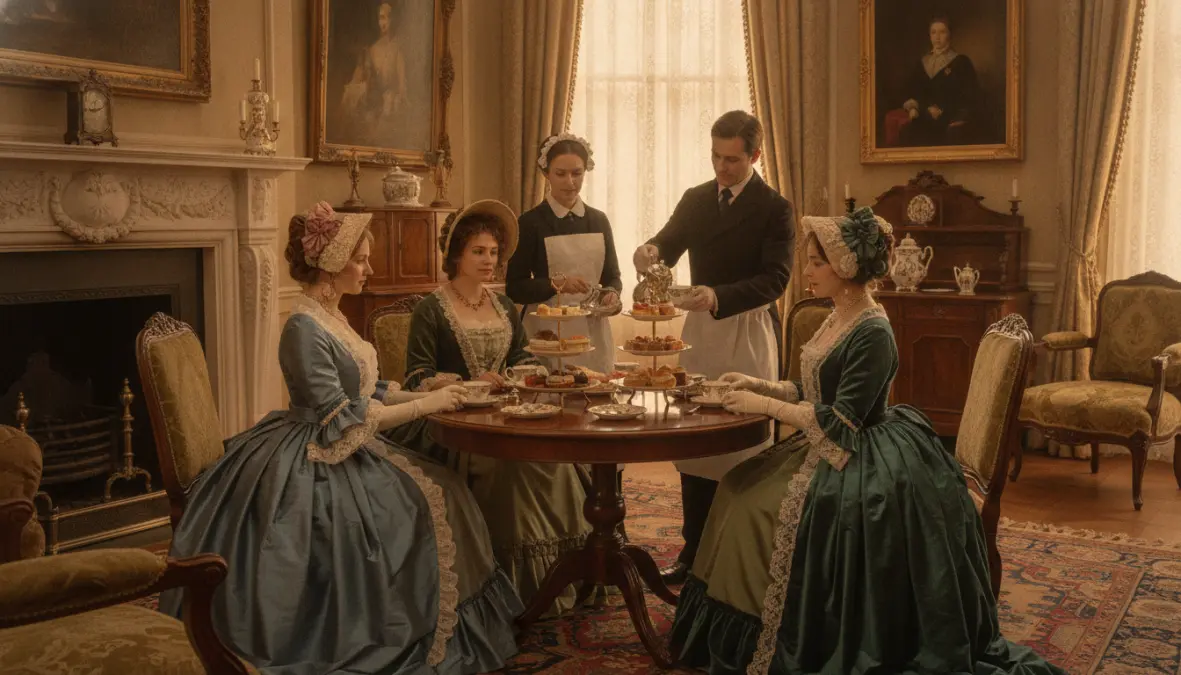
This wasn’t just about satisfying hunger—it reflected the broader tea culture history and social dynamics of Victorian England. The practice quickly spread among the upper classes, becoming a sophisticated social occasion where ladies could gather, exchange gossip, and display their finest china and linens. By the 1880s, afternoon tea had become a cornerstone of Victorian tea traditions, complete with elaborate rituals and etiquette rules.
It’s crucial to understand the high tea vs afternoon tea distinction. Contrary to popular belief, “high tea” wasn’t the fancier version—quite the opposite. High tea was a working-class meal served later in the evening (around 6 PM) at high dining tables, featuring heartier fare like meat, bread, and vegetables. Afternoon tea, served at low tables in drawing rooms, was the aristocratic practice we associate with delicate finger sandwiches and scones. When did afternoon tea become popular beyond the upper classes? The growing middle class of the late Victorian era adopted the custom, making it a widespread national tradition by the turn of the century.
Colonial Tea Culture and the British Empire’s Global Influence
The British afternoon tea tradition didn’t develop in isolation—it was intrinsically linked to the expansion of the British Empire. The British Empire tea trade transformed global commerce and agriculture, establishing vast tea plantations India Ceylon and beyond. Initially, Britain imported all its tea from China, but colonial ambitions led to the establishment of plantations in Assam (India) in the 1830s, Ceylon (now Sri Lanka) in the 1860s, and later Kenya.
This colonial tea culture had profound impacts on both colonizers and colonized. In India, British planters displaced indigenous populations and reorganized landscapes to accommodate tea cultivation. The afternoon tea colonial influence worldwide spread as British expatriates, administrators, and military personnel carried the ritual to every corner of the empire. From Hong Kong to Singapore, Nairobi to Calcutta, afternoon tea became a marker of British identity and imperial power.
Interestingly, local cultures often adapted rather than simply adopted the tradition. In India, the British tea ceremony merged with local customs to create chai culture—a distinctly Indian interpretation using spices, milk, and sugar in ways the British never intended. Singapore’s high tea buffets incorporated local pastries alongside traditional scones. These hybrid traditions demonstrate how food customs evolve through cultural exchange, much like dumplings adapted across different cultures worldwide.
How Colonial Trade Routes Shaped Modern Tea Preferences
The historical trade routes established during colonial times directly shaped what we consider “proper” British tea today. Earl Grey and Darjeeling became household names because of these connections. Darjeeling, from the Himalayan foothills, was marketed as the “champagne of teas” to British consumers. Assam provided robust, malty varieties perfect for breakfast. Ceylon tea, with its bright, crisp character, became another staple. These weren’t random preferences—they were the result of deliberate colonial agricultural policies and marketing strategies that continue to influence global tea consumption patterns. The British preference for strong black tea with milk stems from these colonial varieties, which differ significantly from the delicate green teas that dominated Chinese imports earlier.
Afternoon Tea Etiquette and English Tea Customs Today
While afternoon tea has evolved considerably since Victorian times, afternoon tea etiquette remains surprisingly relevant, especially in formal settings. Understanding these English tea customs can enhance the experience, whether you’re at the Ritz in London or a local tearoom.
The proper way to serve afternoon tea involves specific components arranged in a particular order on a three-tiered stand: savory finger sandwiches on the bottom, scones with clotted cream and jam on the middle tier, and sweet pastries on top. You’re meant to eat from bottom to top. When it comes to bone china teacups, hold the handle between your thumb and forefinger, with your middle finger supporting underneath—never stick your pinkie out (that’s actually considered pretentious!).
Key etiquette rules include:
- Pour tea for others before yourself, and pour milk after tea (the “milk in first” debate continues to divide purists)
- Break scones with your hands, never cut them with a knife
- Apply clotted cream first, then jam (the Cornish way) or jam then cream (the Devon method)—both regions claim superiority
- Stir tea gently in a back-and-forth motion, not circular, and never tap the spoon on the cup
- Place your napkin on your lap, folded once, and use it to dab (not wipe) your mouth
Today’s British tea ceremony exists in various forms. Luxury hotels like Claridge’s and The Savoy offer elaborate afternoon tea experiences with champagne options and live piano music. Casual tearooms across Britain provide more relaxed versions, while many people enjoy simplified home versions. The tradition has experienced a renaissance, with themed afternoon teas (everything from Disney to Jane Austen) attracting younger generations. Similar to how Swedish fika creates intentional breaks in the day, afternoon tea offers a moment of pause in our hectic modern lives.
FAQ: Common Questions About British Afternoon Tea
What’s the difference between high tea and afternoon tea?
Afternoon tea is a light, elegant meal served around 4 PM featuring sandwiches, scones, and pastries with tea. High tea vs afternoon tea confuses many, but high tea was actually a working-class dinner served at a high dining table around 6 PM with heartier foods like meat, bread, and vegetables. Despite the name, high tea is less formal than afternoon tea.
What time is afternoon tea traditionally served?
Traditional afternoon tea is served between 3:30 and 5 PM, with 4 PM being the classic time. This timing stems from the Duchess of Bedford’s original practice of filling the gap between lunch and late Victorian dinners. Most hotels and tearooms today maintain this schedule, though some offer all-day service for tourists.
What is proper afternoon tea etiquette?
Proper afternoon tea etiquette includes eating items from the three-tiered stand from bottom to top, holding your teacup correctly without raising your pinkie, breaking scones by hand rather than cutting them, and stirring tea gently without clinking the spoon. Dress smartly—many venues enforce smart casual dress codes.
Do British people still have afternoon tea daily?
Most British people don’t observe formal afternoon tea daily—it’s typically reserved for special occasions, celebrations, or tourist experiences. However, the simpler tradition of an afternoon tea break (a cuppa with biscuits) remains common in homes and workplaces. The British afternoon tea tradition survives more as a cultural touchstone than daily practice for most people.
The British afternoon tea tradition represents more than just a meal—it’s a window into Victorian society, colonial history, and the evolution of social customs. From the Duchess of Bedford’s private indulgence to a global phenomenon, afternoon tea demonstrates how food traditions can transcend their origins to become cultural ambassadors. Whether you’re experiencing it at a grand hotel or brewing your own pot at home, this tradition invites us to slow down, connect with others, and appreciate the ritual of shared food and conversation. Just as Turkish meze culture emphasizes communal dining, afternoon tea reminds us that the best meals are those shared with good company. Why not brew a pot of Earl Grey, arrange some sandwiches, and experience this delightful tradition yourself?