Pad Thai History: How a Government Campaign Created Thailand’s National Dish
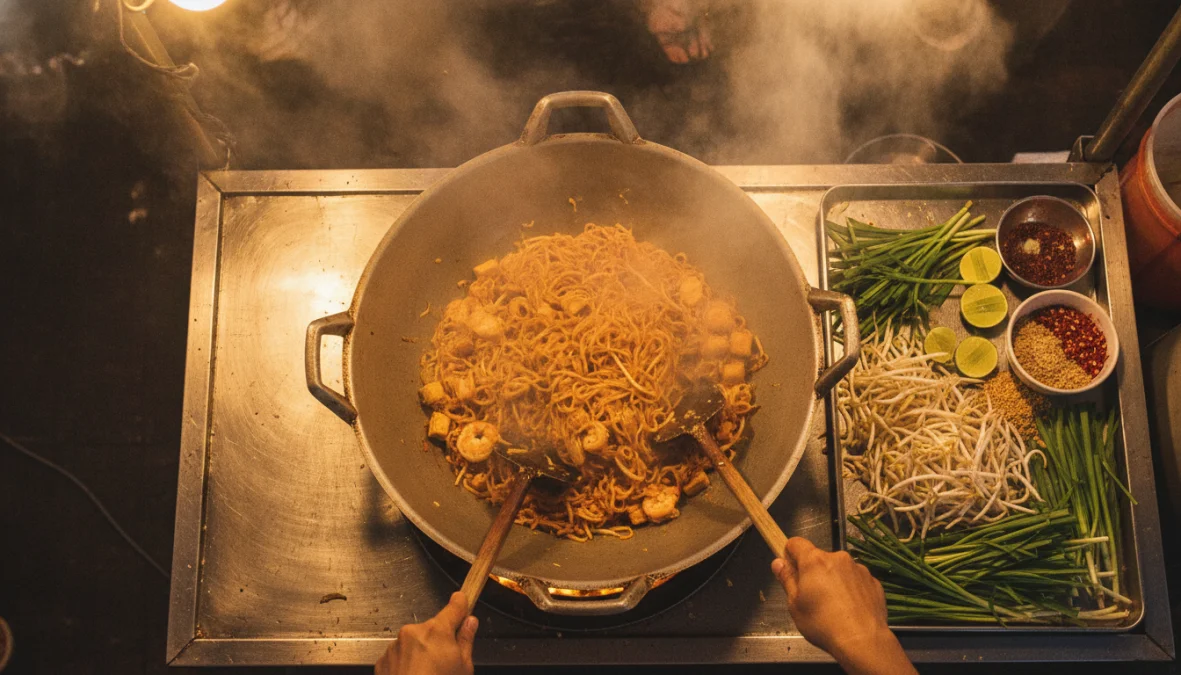
Picture this: you’re sitting at a bustling street corner in Bangkok, watching a vendor expertly toss rice noodles in a sizzling wok, flames licking the sides as tamarind, fish sauce, and palm sugar create that signature sweet-sour aroma. You might assume this scene has played out for centuries, but here’s the twist—pad thai history thailand is surprisingly recent, and its origins are anything but organic. This beloved dish, now synonymous with Thai cuisine worldwide, was actually born from a calculated government propaganda campaign in the late 1930s. Yes, you read that right: Thailand’s most famous culinary export was essentially a political invention, designed to unite a nation and reshape its identity during turbulent times.
The Invention of Pad Thai: A Dish Born from Nationalism
To understand the pad thai origin story, we need to rewind to Thailand during the late 1930s and early 1940s. The country faced a perfect storm of challenges: economic hardship, rice shortages, and an identity crisis as it navigated between Chinese cultural influence and Western colonial pressures. Enter Field Marshal Plaek Phibunsongkhram, a military leader who seized power and embarked on an ambitious nation-building project that would fundamentally reshape Thai society—including what people ate.
When was pad thai invented? The dish emerged around 1938-1940, during Phibunsongkhram’s regime. The pad thai invention wasn’t about culinary innovation; it was strategic nationalism. Thailand was experiencing a rice shortage, making the traditional rice-heavy diet unsustainable. Meanwhile, Chinese immigrants dominated the noodle business, and Phibunsongkhram wanted to reduce Chinese economic influence while creating a distinctly Thai identity. His solution? Promote rice noodles as a patriotic alternative—cheaper than rice, locally produced, and economically accessible to the masses.
The government reportedly held a national recipe contest to create a standardized noodle dish that could represent the nation. This wasn’t just about food; it was about answering the question of what it meant to be Thai in an era of rapid modernization and external threats.
Plaek Phibunsongkhram’s Nation-Building Strategy
Field Marshal Phibun, as he was commonly known, was obsessed with modernization and creating a unified Thai identity. He issued twelve cultural mandates that governed everything from how people dressed to what they ate. These weren’t gentle suggestions—they were state-enforced policies designed to transform Thai society. The pad thai government campaign was part of this broader “Thaification” strategy.
Phibunsongkhram’s policies deliberately promoted anti-Chinese sentiment while positioning Thailand as a modern, independent nation. By creating a “national dish” using rice noodles—a product associated with Chinese cuisine but rebranded as distinctly Thai—he accomplished multiple goals: reducing rice consumption, undermining Chinese business dominance, and giving Thais a culinary symbol they could rally around. Much like how other nations have used food to forge identity—similar to the stories behind Peruvian ceviche or Ukrainian borscht—pad thai became a tool of thai nationalism.
The Nationwide Pad Thai Campaign
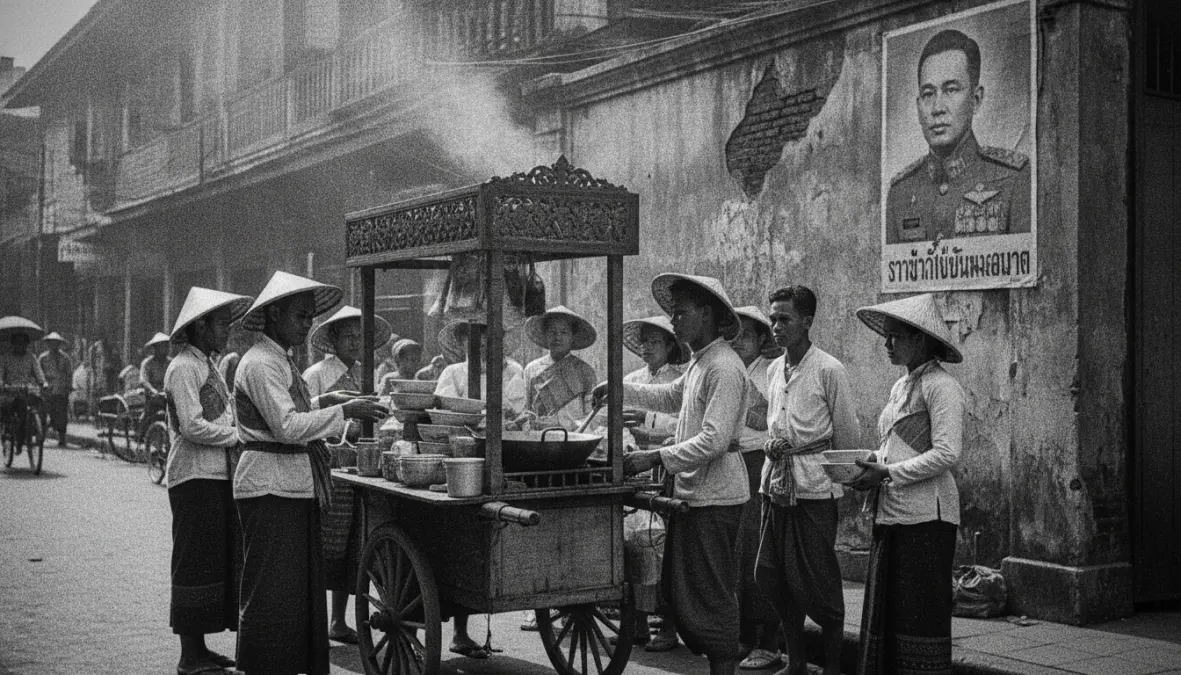
How did pad thai become popular? Through one of history’s most successful culinary propaganda campaigns. The government didn’t just create a recipe and hope for the best—they engineered its spread with military precision. Officials distributed recipe cards at markets, schools, and government offices. They promoted street vendors, even providing free carts to entrepreneurs willing to sell the dish. This government-backed network of street food thailand vendors became the delivery system for the new thailand national dish.
Propaganda campaigns encouraged citizens to eat pad thai as an act of patriotism. Consuming this dish meant supporting your country during difficult times, contributing to national unity, and embracing modern Thai identity. The campaign worked spectacularly—within years, pad thai went from non-existent to ubiquitous across the country.
From Political Tool to Cultural Icon: Pad Thai’s Evolution
Here’s where the story gets fascinating: what started as government-imposed propaganda evolved into something genuinely beloved. The pad thai cultural significance today far transcends its political origins. After World War II and Phibunsongkhram’s fall from power, pad thai didn’t disappear—it flourished.
Street vendors, who had learned to make the dish during the government campaign, continued perfecting it. They added personal touches, regional variations emerged, and the recipe evolved beyond its original standardized form. The thai noodles history shows how street food culture embraced and transformed pad thai into something authentically Thai, despite its manufactured beginnings.
The dish’s international fame came later, particularly as tourism to Thailand exploded in the latter half of the 20th century. Visitors seeking “authentic” thai cuisine found pad thai accessible, delicious, and representative of the sweet-sour-salty flavor profile that defines southeast asian noodles. Today, it stands alongside dishes like massaman curry as an ambassador of Thai culinary identity worldwide.
What Makes Traditional Pad Thai: Ingredients and Cultural Meaning
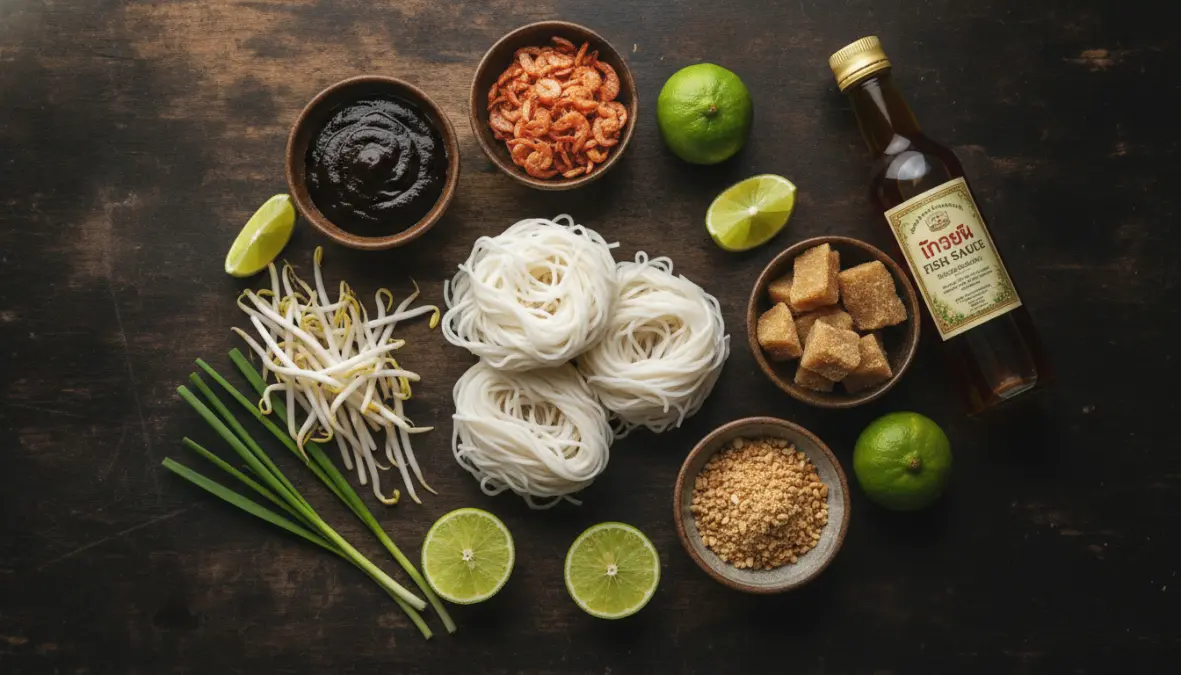
Understanding the traditional pad thai recipe reveals much about its political origins. The original government recipe emphasized ingredients that were economically accessible and locally available. Tamarind paste provided the signature sourness (and was cheaper than imported ingredients), fish sauce added umami depth, palm sugar balanced with sweetness, and dried shrimp offered protein without breaking the bank.
Why is pad thai considered Thailand’s national dish? Partly because these ingredients represented a deliberate choice to use Thai products rather than Chinese or Western imports. The balance of flavors—sweet, salty, sour, and sometimes spicy—embodied Thai culinary philosophy while remaining affordable during economic hardship.
The original recipe was simpler than many modern versions. It typically included rice noodles, eggs, tofu, dried shrimp, garlic chives, bean sprouts, and peanuts, all tied together with the tamarind-fish sauce-palm sugar sauce. Today’s variations might include fresh shrimp, chicken, extra vegetables, or lime wedges, but that core flavor profile remains remarkably consistent—a testament to how well-designed the original government recipe was.
FAQ
Was pad thai really invented by the government?
Yes, historical evidence strongly suggests pad thai was created or at least standardized and promoted through a government campaign under Field Marshal Phibunsongkhram in the late 1930s. While noodle dishes existed before, the specific pad thai we know today was a product of nationalist policy.
When was pad thai invented?
Pad thai emerged around 1938-1940 during the pad thai world war 2 history era, coinciding with Phibunsongkhram’s cultural mandates and nation-building campaigns.
Why is pad thai considered Thailand’s national dish?
It became the national dish through deliberate government promotion as a symbol of Thai identity, economic resilience, and cultural unity. Its widespread adoption and later international popularity cemented this status.
Is pad thai actually Chinese?
Pad thai uses rice noodles, which have Chinese origins, but the dish itself was specifically created to be distinctly Thai. It represents a rebranding of noodle-eating culture to serve Thai nationalist purposes rather than being an authentic Chinese recipe.
What does ‘pad thai’ mean?
“Pad” means “fried” in Thai, while “Thai” obviously refers to Thailand. So “pad thai” literally translates to “Thai-style stir-fry”—a name that emphasized its national identity from the very beginning.
The story of pad thai reminds us that culinary traditions aren’t always ancient and organic—sometimes they’re crafted, promoted, and shaped by historical forces. Yet what makes pad thai truly remarkable isn’t its manufactured origin, but how completely it was embraced and transformed by the Thai people into something authentically their own. Today, whether served from a Bangkok street cart or a New York restaurant, pad thai carries this complex history in every sweet, sour, savory bite—a dish born from propaganda that became genuine cultural heritage.