Sfogliatelle: Naples’ Baroque Pastry and the Monastery Origins of Layered Sweetness
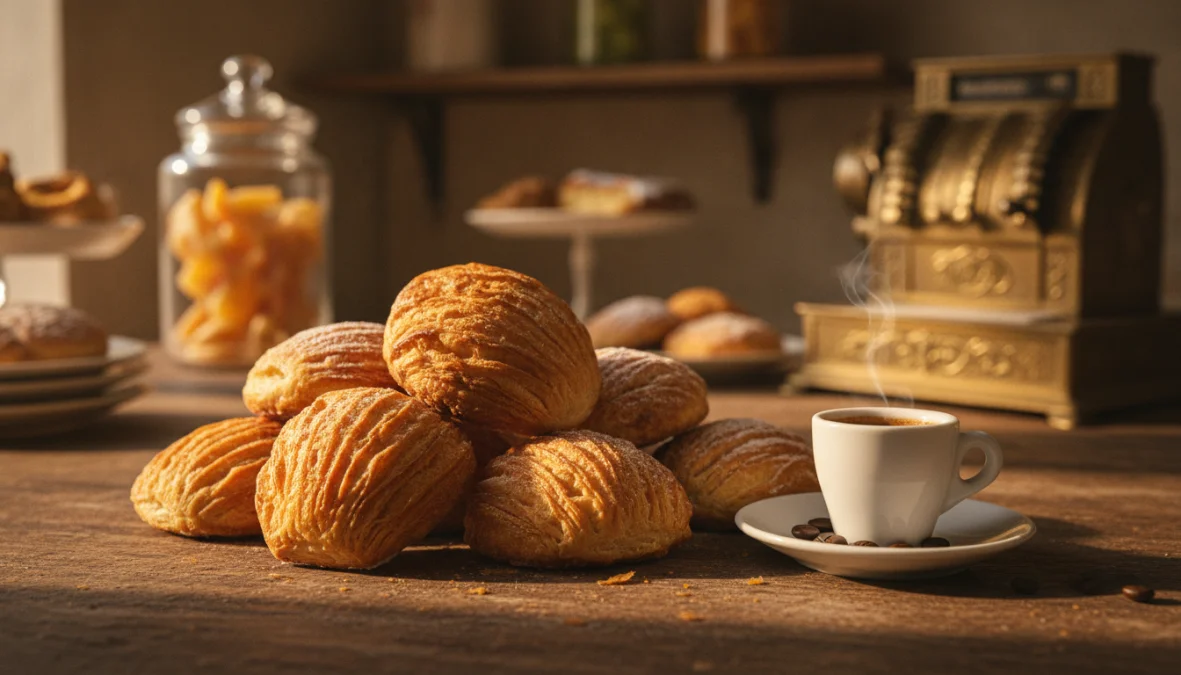
Picture this: you’re walking through the narrow streets of Naples on a crisp morning, and suddenly the air fills with the intoxicating aroma of butter, cinnamon, and caramelized sugar. You follow your nose to a tiny bakery where golden, shell-shaped pastries glisten in the display case, their crispy layers promising something extraordinary. Welcome to the world of sfogliatelle neapolitan tradition, where centuries-old monastery secrets meet the baroque soul of Southern Italy’s most passionate city.
From Santa Rosa Convent to Naples: The Divine Birth of Sfogliatelle
The story of sfogliatelle neapolitan tradition begins not in Naples’ bustling streets, but in the serene Santa Rosa convent perched on the cliffs of Conca dei Marini along the Amalfi Coast. Back in the 17th century, a resourceful nun faced a common kitchen dilemma: leftover semolina pudding that needed rescuing. Rather than waste it, she wrapped the filling in thin sheets of dough, shaped it like a monk’s hood, and baked it. The result? A crispy, layered revelation that would change Italian pastry history forever.
For nearly two centuries, these monastery pastries remained the convent’s delicious secret, known as “santarosa” in honor of their birthplace. The recipe’s journey to Naples reads like a pastry heist story: in 1818, pastry chef Pasquale Pintauro somehow acquired the coveted recipe and opened his bakery in Via Toledo. But Pintauro wasn’t just a copycat—he refined the technique, reduced the size for easier handling, and renamed them “sfogliatelle” (from “sfoglia,” meaning leaf or layer). His Pintauro bakery Naples became ground zero for what would explode into one of the city’s most iconic culinary symbols, transforming a humble conventual treat into a cornerstone of pasticceria napoletana.
The original monastery recipe featured semolina cooked in milk, candied fruits, and aromatic spices—ingredients that reflected both the nuns’ resourcefulness and the exotic trade goods flowing through Naples’ port. Today’s version maintains that spiritual connection to its origins, much like other religious culinary traditions such as sacred Easter breads across Europe.
Ricce vs Frolle: Understanding the Two Souls of Naples’ Layered Masterpiece
Here’s where things get interesting: sfogliatelle neapolitan tradition actually encompasses two distinct pastries that locals defend with almost religious fervor. The difference between sfogliatella riccia and frolla isn’t just technical—it’s philosophical.
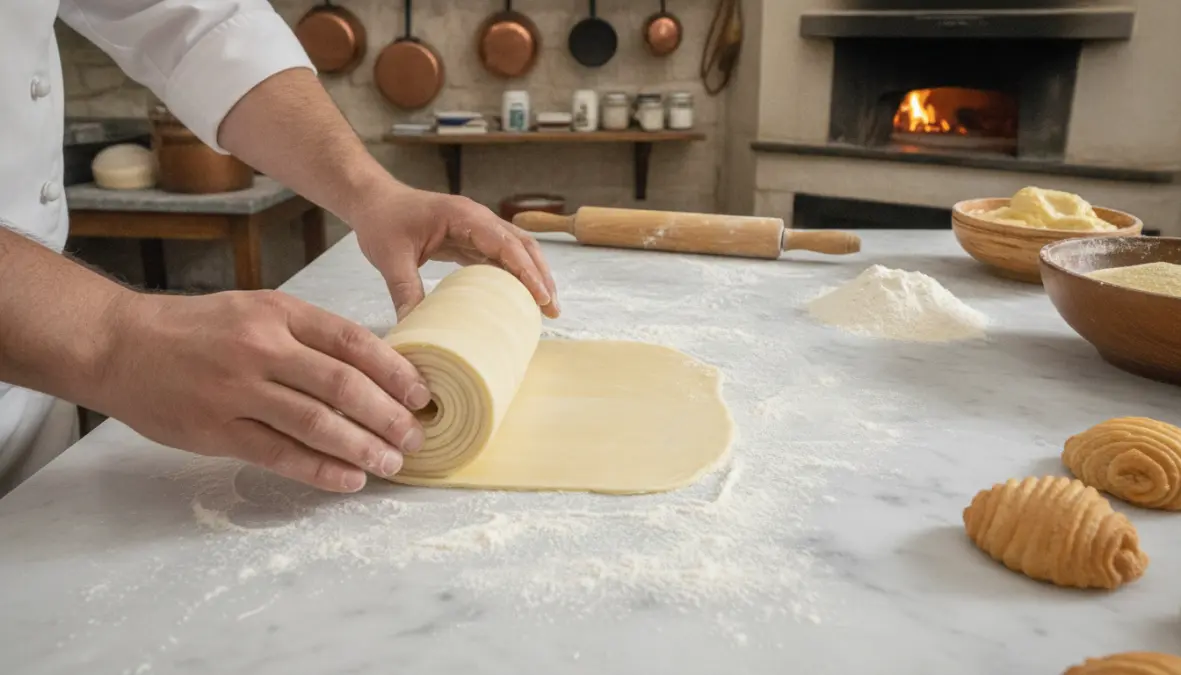
Sfogliatelle ricce (“curly” sfogliatelle) are the original showstoppers. These Italian layered pastries feature impossibly thin sheets of dough, each brushed with lard or butter, then rolled into a log and sliced to create the signature shell shape. When baked, they transform into crispy, golden spirals that shatter satisfyingly at first bite. The filling remains traditional: semolina custard filling enriched with ricotta, candied orange peel, cinnamon, and vanilla. The texture contrast is everything—crispy exterior meeting creamy, grainy interior in perfect harmony.
Sfogliatelle frolle, introduced later, take a gentler approach. They use shortcrust pastry (pasta frolla) instead of laminated dough, creating a softer, more cookie-like exterior. The shape resembles a rounded clamshell rather than the riccia’s dramatic spiral. The filling is typically identical, but the eating experience is entirely different—tender rather than shattering, comforting rather than dramatic. Think of it as the difference between a crispy croissant and a butter cookie, both delicious but serving different moods.
The Art of the Layers: What Makes Sfogliatelle Ricce So Special
The magic of sfogliatelle ricce lies in the laminated dough technique, a labor-intensive process that separates amateurs from masters. Traditional recipes call for creating up to 156 ultra-thin layers, each one contributing to that signature crunch. The dough begins as a simple mixture of flour, water, salt, and sometimes honey, rolled out until nearly transparent—so thin you could read through it.
Here’s the artisan’s secret: each layer gets brushed with strutto (pork lard) or butter before being wound into a tight cylinder. This fat creates steam pockets during baking, forcing the layers apart into those glorious crispy phyllo layers that give sfogliatelle their architectural beauty. The technique shares DNA with other laminated pastries worldwide, though the final form is uniquely Neapolitan. When a fresh sfogliatella riccia emerges from the oven, it should produce an audible crackle when broken—Neapolitans call it the “song” of a well-made sfogliatella.
This meticulous craft explains why authentic traditional Neapolitan desserts command respect. Making sfogliatelle ricce at home is possible but demands patience; the sfogliatelle recipe from Naples monastery tradition wasn’t meant for shortcuts. Some Americans know a similar pastry as lobster tail pastry, though the Italian original maintains a more refined, less sweet profile that lets the quality of ingredients shine.
Experiencing Sfogliatelle: Where Tradition Meets Modern Naples
Eating sfogliatelle properly is a ritual Neapolitans take seriously. First rule: always eat them warm, ideally fresh from the oven when the layers are at peak crispness and the filling still slightly molten. The classic pairing? A strong espresso, standing at the bar in true Italian fashion. This morning ritual of pastry and coffee mirrors the communal spirit found in traditions like Swedish fika, where food becomes a vehicle for connection.
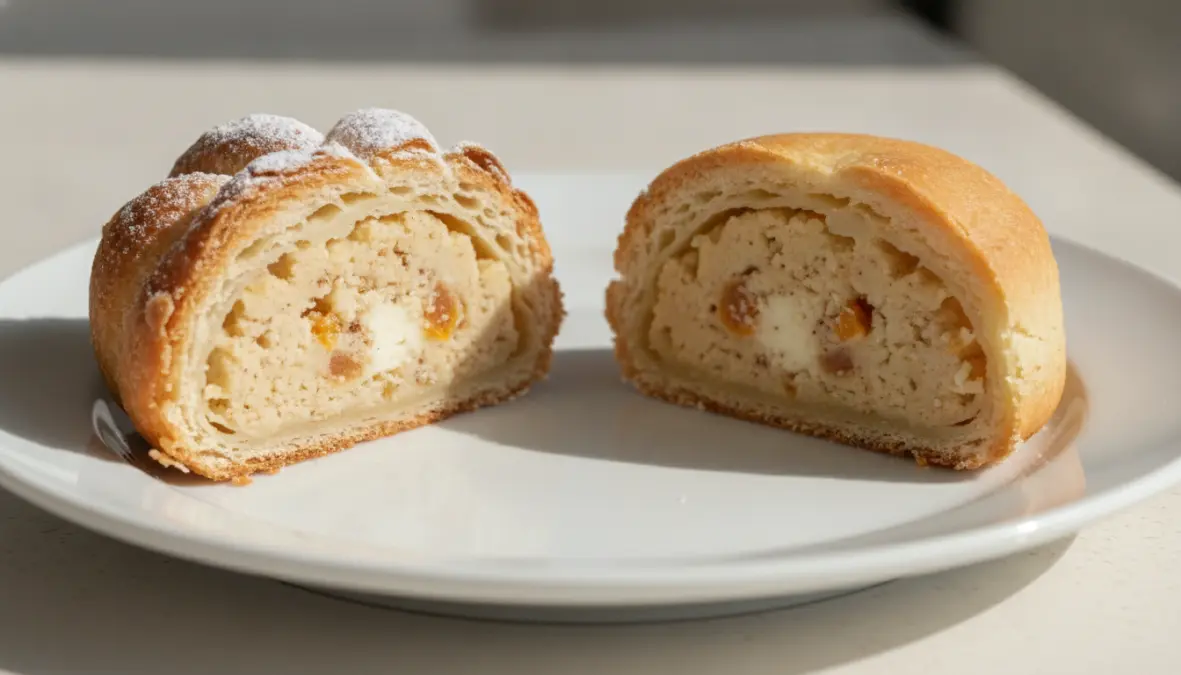
For those seeking the best sfogliatelle bakeries in Naples, pilgrimage sites include the original Pintauro on Via Toledo, Attanasio near the train station (open 24 hours for emergency sfogliatella needs), and Mary in Piazza Dante. Each has devoted followers who’ll argue their sfogliatella reigns supreme. Quality indicators? Look for pastries that feel light despite their richness, with distinct layers visible in cross-section, and filling that’s sweet but not cloying, with noticeable texture from the semolina.
Modern Naples pastry tradition has embraced innovation while respecting roots. You’ll find savory versions filled with ricotta and mortadella, miniature sfogliatelle for parties, even chocolate or pistachio variations. Some contemporary pastry chefs create fusion versions, though purists side-eye such experiments. Internationally, Italian bakeries from New York to Melbourne attempt their own versions, with varying success—the history of sfogliatelle pastry origin remains deeply tied to Neapolitan technique and ingredients.
These baroque Italian desserts perfectly embody Naples’ theatrical character—nothing understated or minimalist here, just layer upon layer of flavor, texture, and drama. Like the city itself, sfogliatelle are complex, occasionally messy, utterly unforgettable, and worth every calorie. They represent how bread and pastry traditions carry cultural identity across generations.
FAQ: Common Questions About Sfogliatelle
What’s the difference between sfogliatelle ricce and frolle?
Sfogliatelle ricce feature crispy, layered laminated dough with a dramatic shell shape, while frolle use tender shortcrust pastry in a rounder form. Both typically contain the same semolina-ricotta filling, but ricce offer a crunchy texture contrast while frolle are softer and more cookie-like. Ricce are considered more traditional and technically challenging to make.
Why are sfogliatelle associated with monasteries?
Sfogliatelle originated in the Santa Rosa convent in Conca dei Marini during the 17th century, created by nuns looking to use leftover semolina. The recipe remained within monastery walls for nearly 200 years before pastry chef Pasquale Pintauro brought it to Naples in 1818, transforming it into the commercial pastry we know today.
How should you eat a sfogliatella?
Always eat sfogliatelle warm when possible, as heat maximizes the contrast between crispy layers and creamy filling. Pair with espresso for the authentic Neapolitan experience. Be prepared for flakiness—eating sfogliatelle is messy business, and locals consider the shower of crumbs a badge of honor rather than something to avoid.
Can you find authentic sfogliatelle outside Naples?
While Italian bakeries worldwide attempt sfogliatelle, authentic versions remain rare outside Naples due to the technical skill required and the importance of fresh preparation. The best international versions come from pastry chefs trained in Naples or Italian immigrant communities with strong Neapolitan ties. When traveling to Italy, sfogliatelle are worth building your itinerary around.
Whether you’re a pastry pilgrim planning your Naples adventure or attempting to recreate these beauties at home, sfogliatelle represent something profound: how culinary traditions born in quiet monastery kitchens can evolve into symbols of an entire city’s identity. Every crispy layer tells a story of resourceful nuns, enterprising bakers, and generations of Neapolitans who refuse to compromise on their morning pastry. That’s the true magic of sfogliatelle neapolitan tradition—it’s not just about butter and dough, but about heritage folded into every glorious, flaky layer.