Lángos: Hungary’s Beloved Deep-Fried Flatbread and Summer Fair Tradition
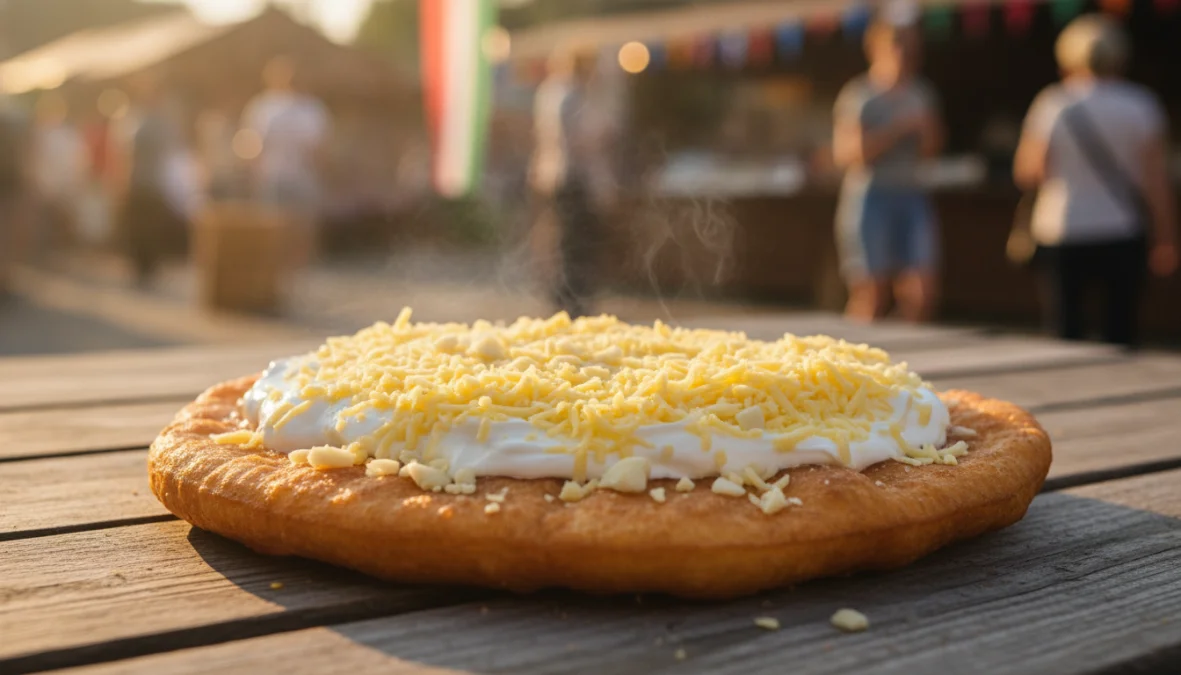
Picture this: you’re strolling through a bustling Hungarian summer fair, the air filled with laughter and music, when suddenly an irresistible aroma of fried dough and garlic stops you in your tracks. You’ve just encountered lángos, Hungary’s most beloved street food and a cornerstone of the langos hungarian tradition. This golden, crispy flatbread, piled high with sour cream and cheese, is more than just a snack—it’s a cultural experience that connects generations of Hungarians to their culinary heritage and summer memories.
What Is Lángos? Hungary’s Iconic Deep-Fried Flatbread
Lángos is a deep fried dough hungary specialty that has become synonymous with Hungarian identity. This hungarian fried bread consists of yeast-leavened dough that’s stretched into a flat, round shape and plunged into bubbling hot oil until it puffs up and turns golden brown. The result? A crispy exterior that shatters at first bite, revealing a pillowy, steamy interior that’s absolutely addictive.
The langos hungarian tradition dates back centuries, though not in its current form. Originally, lángos was a simple peasant bread baked at the mouth of brick ovens—its name derives from “láng,” the Hungarian word for flame. Housewives would use leftover bread dough, flattening it and baking it on the hot oven walls while waiting for the main bread to finish. The modern deep-fried version emerged in the 19th century when cooking oil became more accessible, transforming this humble home staple into the street food phenomenon we know today.
What makes lángos special isn’t just the preparation method—it’s the sensory experience. The exterior crackles between your teeth, while the inside remains wonderfully soft and chewy. When topped with the classic combination of garlic butter, tangy sour cream topping, and grated cheese, it becomes a symphony of textures and flavors that perfectly balances richness with the slight sweetness of the fried dough. Much like other traditional breads explored in bread traditions worldwide, lángos carries deep cultural meaning beyond its ingredients.
From Street Corners to Summer Fairs: Lángos in Hungarian Culture
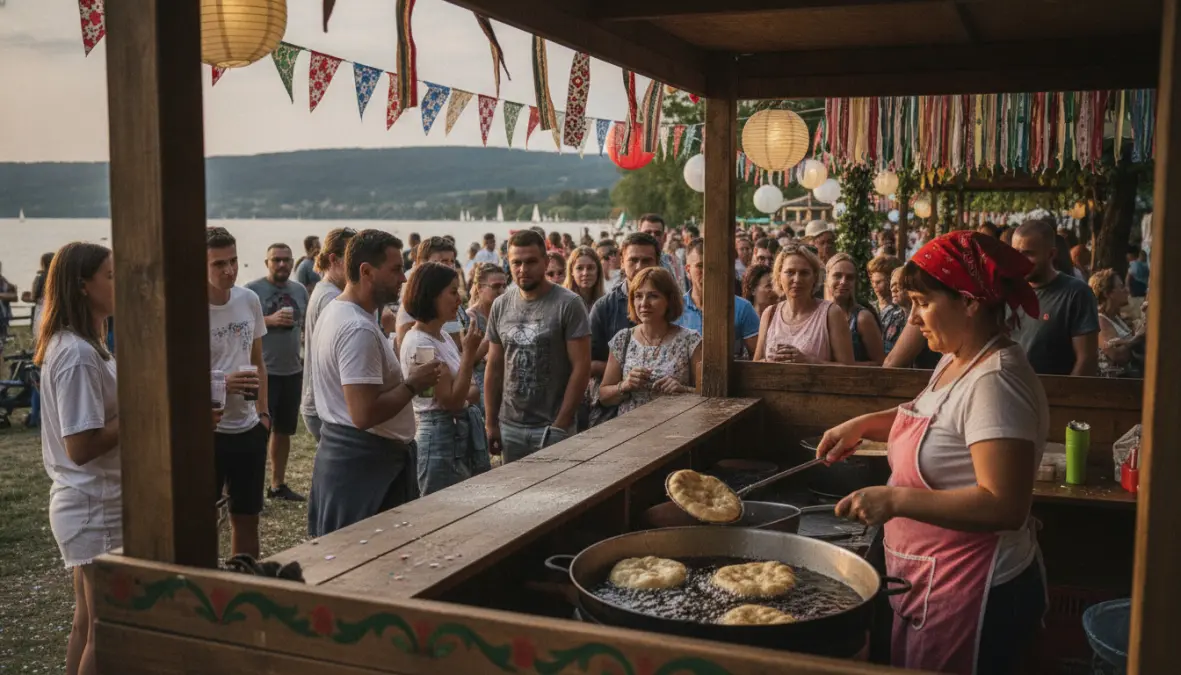
The hungarian street food scene is incomplete without lángos stands dotting every corner. But the true magic happens during summer, when this hungarian fair food becomes the undisputed star of outdoor festivals and markets. From May through September, Hungary comes alive with county fairs, music festivals, and local celebrations where the unmistakable sight of street vendors expertly frying lángos draws hungry crowds.
At balaton lake summer resorts, lángos stands are as essential as the beach itself. Lake Balaton, Hungary’s beloved “inland sea,” attracts millions of visitors who consider eating freshly fried lángos while watching the sunset an essential part of the experience. The tradition has become so intertwined with Hungarian summer that many locals measure their vacation success by how many times they enjoyed this treat.
The social aspect of the langos hungarian tradition cannot be overstated. Lángos stands become gathering spots where friends meet, families share memories, and strangers bond over their favorite toppings. The experience of waiting in line, watching the dough circles hit the hot oil, and receiving your piping-hot lángos wrapped in simple paper is a ritual that connects Hungarians to their childhood and national identity. In Budapest, beyond the famous thermal baths budapest attractions, tourists quickly discover that finding authentic lángos is a rite of passage.
For Hungarians, lángos represents comfort, nostalgia, and the carefree spirit of summer. For tourists, it’s an affordable, delicious gateway into hungarian cuisine that’s far more accessible than formal restaurant dishes. Unlike more refined culinary traditions like Japanese wagashi, lángos embraces its humble, joyful nature—it’s meant to be eaten standing up, with grease dripping down your fingers, surrounded by laughter and festival atmosphere.
Traditional Lángos Recipe and Classic Toppings
Understanding how to make traditional hungarian langos requires appreciating both the technique and the quality of ingredients that create this beloved treat.
The Authentic Dough and Frying Method
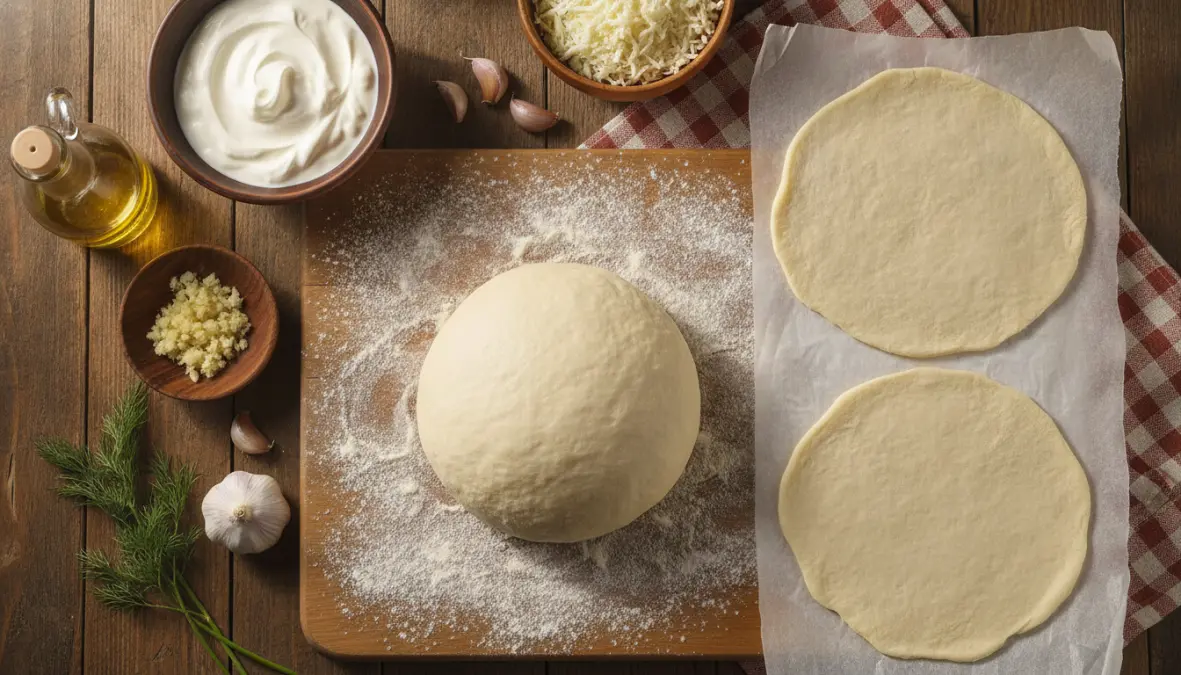
An authentic langos starts with a simple but crucial yeast dough foundation. The langos recipe traditional calls for all-purpose flour, fresh or active dry yeast, lukewarm water, a pinch of salt, and sometimes a small amount of mashed potato or potato water—the secret ingredient that adds extra fluffiness and helps achieve that perfect texture. Sugar feeds the yeast, ensuring proper fermentation and a subtle sweetness that balances savory toppings.
The dough must rise in a warm place until it doubles in size, typically 60-90 minutes. This fermentation develops flavor and creates the air pockets that make lángos so light inside. The real skill comes in the frying: small portions of dough are stretched by hand into rounds about 6-8 inches in diameter, then carefully slid into oil heated to exactly 180°C (350°F). Too cool, and the lángos absorbs oil and becomes greasy; too hot, and it browns before cooking through. Expert vendors can judge the perfect moment to flip the lángos and when to remove it—golden brown, puffed, and ready for toppings.
Classic and Modern Topping Combinations
The question of best langos toppings sour cream garlic combinations sparks passionate debate among Hungarians. The absolutely classic, non-negotiable base involves rubbing the hot lángos with fresh crushed garlic (or garlic oil), then generously spreading thick, tangy sour cream topping across the entire surface, followed by a snowfall of grated cheese—traditionally Emmental or a similar semi-hard cheese that melts slightly from the residual heat.
Beyond this holy trinity, langos toppings venture into creative territory. Popular savory additions include Hungarian sausage slices, ham, sautéed mushrooms, grilled vegetables, or even cabbage. Some vendors offer a “pizza lángos” with tomato sauce and mozzarella. For the adventurous, sweet versions topped with Nutella, jam, or powdered sugar provide a dessert alternative, though purists consider these modern innovations rather than tradition. When seeking where to eat langos in budapest, look for stands that offer the simple classic version—a sign they respect the tradition. Similar to Turkish meze culture, the beauty lies in the quality of simple, authentic preparations.
FAQ: Common Questions About Lángos
What does lángos mean in Hungarian?
The word lángos derives from “láng,” meaning flame in Hungarian. This etymology reflects the dish’s origins as bread cooked near the flames of brick ovens before evolving into today’s deep-fried version.
Is lángos eaten year-round or just in summer?
While you can find lángos throughout the year in markets and some restaurants, it’s most popular during summer at outdoor fairs and festivals. The tradition of langos at hungarian summer festivals makes it peak during warmer months, especially at lakeside resorts.
Can you make a crispy langos recipe at home?
Absolutely! Making traditional hungarian langos with cheese at home is entirely possible. You’ll need a large pot for deep frying and careful temperature control. The main challenge is achieving the same size and thinness as professional vendors, but the flavor will still be authentic and delicious.
What’s the difference between langos and fried dough?
The difference between langos and fried dough lies in both preparation and tradition. Unlike American funnel cake (which uses batter) or Native American fry bread, lángos uses yeast-leavened dough that rises before frying, creating a unique texture. The savory garlic and sour cream toppings also distinguish it from sweet carnival treats.
Where can I find authentic lángos outside Hungary?
Hungarian communities worldwide maintain the tradition, particularly in areas with significant Hungarian immigration like parts of Canada, the United States, and Austria. Look for Hungarian cultural festivals or restaurants specializing in Eastern European cuisine. The langos history and origin hungary travels wherever Hungarians settle, though nothing quite matches eating it fresh from a vendor beside Lake Balaton.
Whether you’re planning to taste lángos at a Budapest market, attempting to recreate it in your own kitchen, or simply learning about global food traditions similar to dumplings worldwide, this Hungarian treasure offers a delicious window into a culture that celebrates simple pleasures, communal joy, and the magic that happens when humble ingredients meet generations of tradition. So next time you find yourself at a Hungarian festival or street market, don’t hesitate—join the line, order yours with garlic and sour cream, and experience why this deep-fried flatbread has captured hearts for generations.