Francesinha: Porto’s Legendary Sandwich and Portuguese Working-Class Heritage
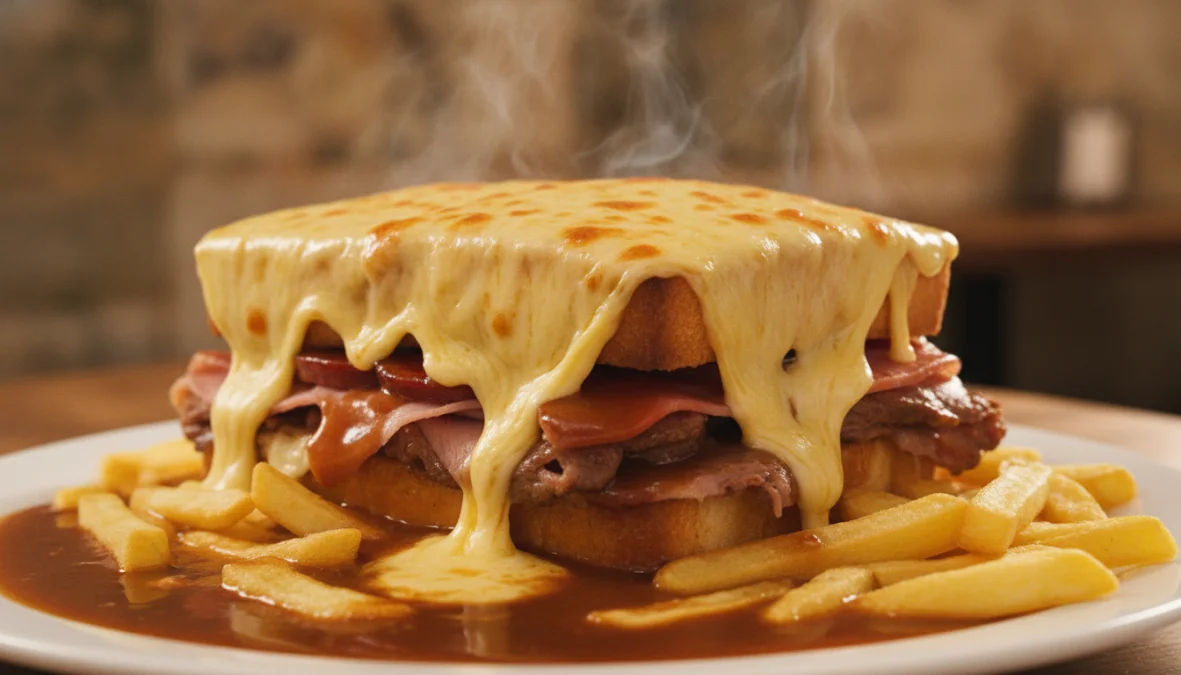
Picture this: you’re sitting in a bustling cervejaria in Porto, surrounded by workers on their lunch break, and a server places before you what looks like a mountain of meat, cheese, and sauce. This isn’t just any sandwich – this is the francesinha, Porto’s legendary culinary beast that represents decades of francesinha porto tradition and working-class pride. Dripping with queijo derretido and swimming in beer-laced sauce, this indulgent creation tells the story of Portugal’s second city better than any guidebook ever could.
The Origins and History of Porto’s Francesinha
The francesinha history begins in the 1960s with Daniel da Silva, a Portuguese immigrant who returned to Porto after living in France and Belgium. Inspired by the refined French croque-monsieur, da Silva had a revolutionary idea: why not create something more substantial, more indulgent, more suited to the hearty appetites of Porto’s dock workers and factory laborers?
The result was the francesinha – literally meaning “little French girl” or “Frenchie” – a cheeky nod to its European inspiration while being distinctly Portuguese in spirit. But there’s another theory about the name’s origin: some say it references the spicy, provocative nature of the dish, comparing it to the perceived libertine attitudes of French women at the time. Whatever the true etymology, the name stuck.
What started as a novelty quickly became a phenomenon. The portuguese sandwich tradition found its champion in this towering creation that perfectly matched Porto’s industrial character. Unlike Lisbon’s more delicate petiscos portugueses, the francesinha was unapologetically excessive – a meal designed for those who needed serious fuel for physical labor. By the 1970s, it had cemented its place in porto traditional food culture, served in cervejarias and tascas throughout the city, standing proudly alongside other regional specialties like tripas à moda do porto.
What Makes a Francesinha: Anatomy of Porto’s Most Indulgent Sandwich
Understanding the francesinha sandwich requires appreciating its magnificent architecture. At its foundation lies thick white bread, toasted to provide structural integrity for what’s to come. Between these slices, you’ll find a carnivore’s dream: wet-cured ham (presunto), linguiça portuguesa, fresh pork or beef sausage (salsicha), and a thin steak (bife). Some versions add mortadella or other cold cuts, because why not?
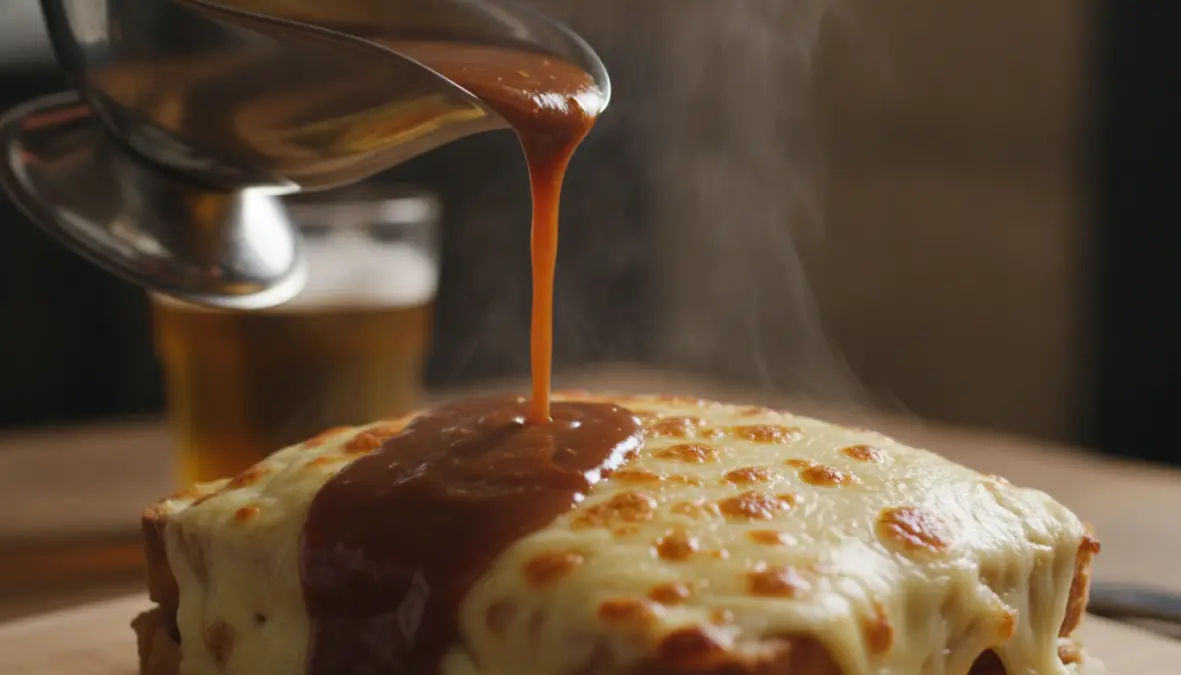
The entire construction is then blanketed with slices of cheese – typically a melting cheese that creates a gooey, golden blanket when grilled. But here’s where the francesinha recipe diverges from anything resembling restraint: the whole thing is drowning in a thick, beer-based sauce and surrounded by a mountain of French fries, which soak up the precious molho francesinha like edible sponges.
This isn’t refined cuisine – it’s portuguese working class cuisine at its most glorious. The francesinha embodies cozinha popular portuguesa: affordable, filling, and designed to sustain a full day of hard work. Compare it to a simple bifana (pork sandwich), and you’ll understand why the francesinha became the ultimate splurge meal for workers celebrating payday or weekends.
The Secret Sauce: Heart of the Francesinha
If you want to know how to make authentic francesinha, understanding the sauce is essential. The molho francesinha is where each establishment stakes its claim to superiority. While the base typically includes beer (often Super Bock), tomato, and a whisper of piri-piri for heat, the francesinha sauce recipe secrets vary wildly from one cervejaria to another.
Some chefs add whiskey or port wine for depth, others incorporate bay leaves, paprika, or even cognac. The consistency ranges from thin and pourable to thick and coating. These variations aren’t just differences – they’re matters of fierce local pride. Asking a chef for their exact sauce recipe is like asking for state secrets. This secrecy is part of porto food culture, where each establishment’s reputation rests on their unique interpretation. Much like how mole poblano represents Mexican culinary identity through complex sauce-making, the francesinha sauce carries Porto’s gastronomic soul.
Where to Experience Authentic Francesinha in Porto
Wondering where to eat francesinha in porto? The city offers numerous temples to this sandwich deity. Café Santiago, located near the Bolhão Market, is often cited as serving the best francesinha in porto – their sauce is legendarily rich and their portions unforgiving. Lado B Café offers a more modern take while respecting tradition, and Bufete Fase has been satisfying locals since the 1980s with no-nonsense, classic preparations.
Local etiquette suggests ordering a beer (cerveja) alongside your francesinha – it’s traditional and helps cut through the richness. Don’t expect to finish it quickly; this is a meal to tackle methodically, mixing bites of meat-loaded sandwich with sauce-soaked fries. And unlike grabbing a quick bifana at a street cart, eating a francesinha is a sit-down affair, a social ritual as much as a meal.
Francesinha as Cultural Symbol: More Than Just a Sandwich
To understand why is francesinha important to porto culture, you need to grasp the rivalry between Porto and Lisbon. While Lisbon has its delicate pastéis de nata and refined seafood traditions, Porto embraced something altogether more robust. The francesinha represents the city’s working-class roots, its industrial heritage, and its no-nonsense attitude.
The francesinha porto tradition is intimately connected to the city’s identity as a port and industrial center. Dock workers, factory employees, and laborers needed substantial, affordable fuel – and the francesinha delivered. This traditional portuguese working class food became a point of pride, a culinary middle finger to pretension and a celebration of excess done right.
Today, even as Porto gentrifies and attracts international tourism, the francesinha remains stubbornly itself. Unlike many traditional dishes that get “refined” or “elevated” for modern palates, the francesinha resists such transformation. Sure, you’ll find vegetarian or gourmet versions, but locals still flock to the same old spots for the same gut-busting experience their parents and grandparents enjoyed. This resistance to change mirrors other cultural food traditions worldwide, much like how pierogi maintains its place in Polish identity despite modernization.
The difference between the difference between francesinha and croque monsieur isn’t just about ingredients – it’s philosophical. The croque monsieur is elegant, restrained, café society. The francesinha is working-class defiance, abundance, and joy. It’s the francesinha origin and history as a working person’s reward, not an aristocrat’s snack.
In Porto’s cervejarias, eating a francesinha isn’t just lunch – it’s participating in a living tradition, one that connects modern diners to generations of workers who built this city with their hands and fueled themselves with meat, cheese, and that magical sauce. Whether you’re a tourist seeking authentic porto food culture or a local maintaining tradition, every bite of francesinha is a taste of Porto’s soul – messy, generous, and utterly unforgettable.