The Cultural Significance of Garlic in Mediterranean and Eastern European Traditions
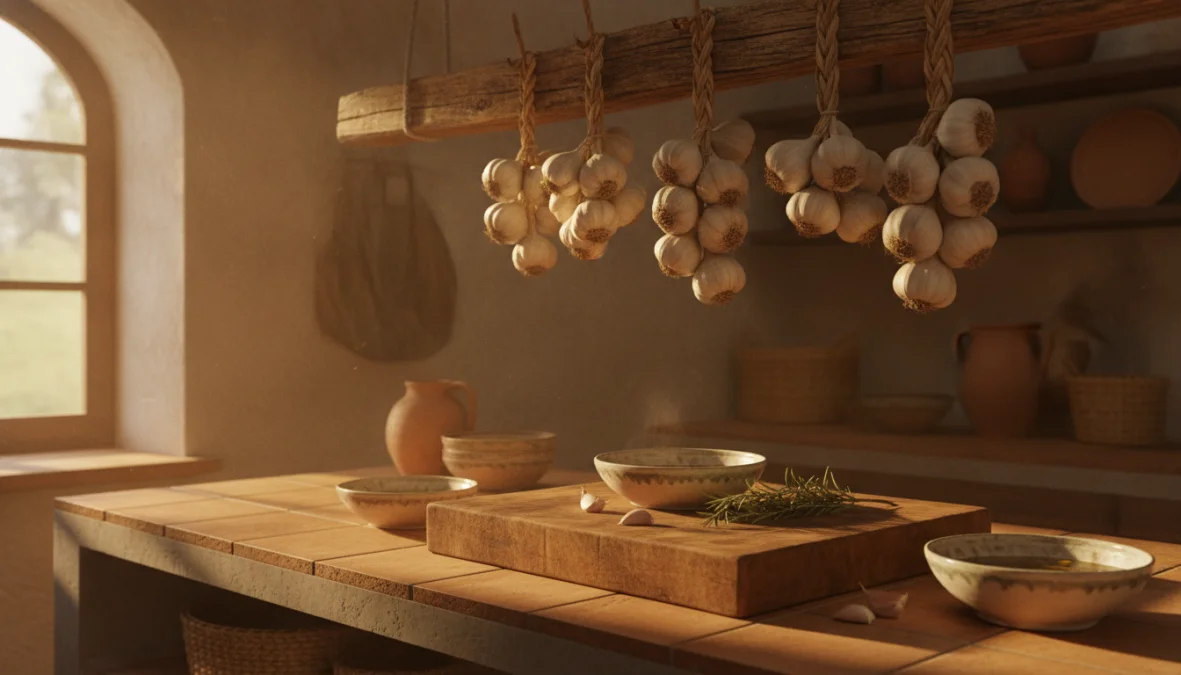
Few ingredients have shaped culinary traditions and cultural beliefs as profoundly as the humble garlic bulb. From the sun-drenched shores of the Mediterranean to the mystical forests of Eastern Europe, Allium sativum has transcended its role as mere seasoning to become a powerful symbol woven into the fabric of folklore, medicine, and daily life. The garlic cultural significance extends far beyond the kitchen—it’s been a guardian against evil, a source of strength for warriors, and a cornerstone of regional identity for thousands of years.
Garlic in Mediterranean Culture: Culinary Heritage and Ancient Symbolism
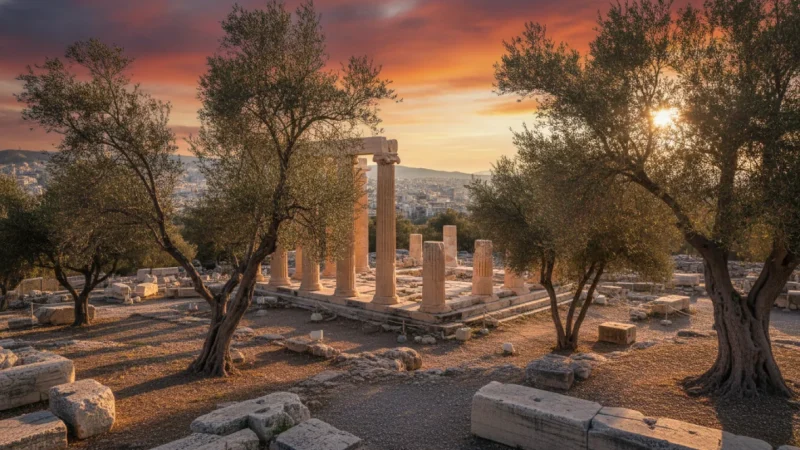
The Mediterranean’s love affair with garlic dates back to ancient civilizations, where this pungent bulb was revered for both its culinary and protective properties. In ancient Greece and Rome, garlic historical uses ranged from battlefield rations to medicinal remedies. Greek soldiers consumed garlic before battle, believing it granted courage and strength, while Roman legionaries included it in their daily provisions during long campaigns.
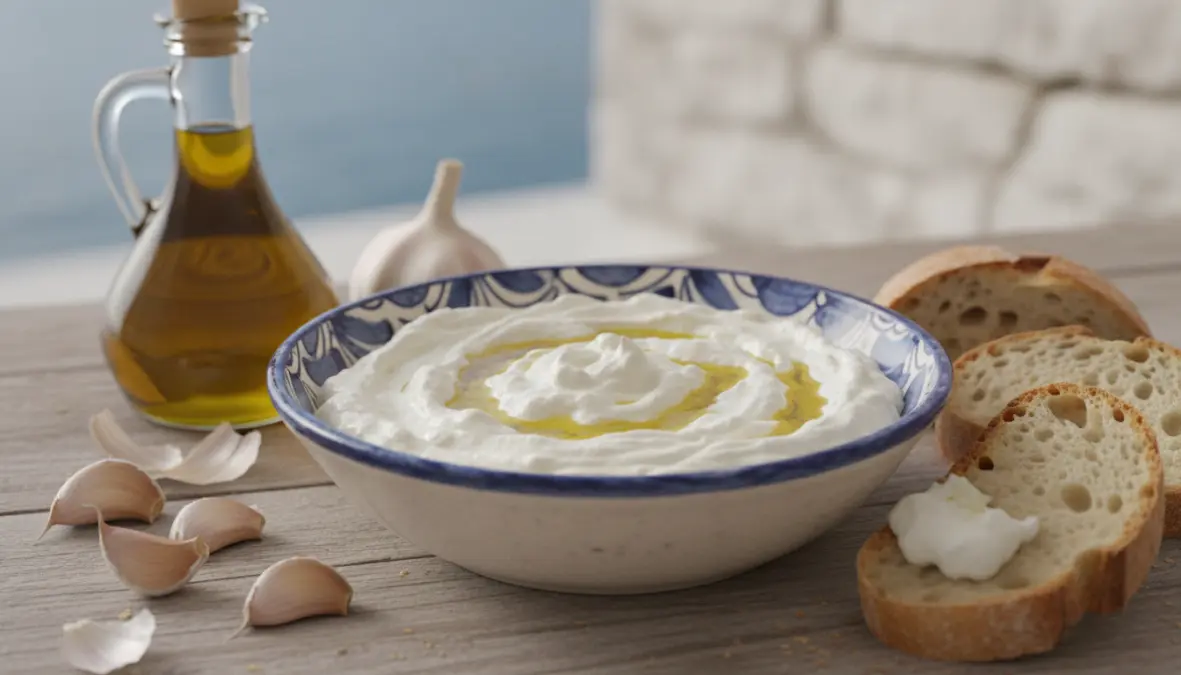
The transformation of garlic in Mediterranean culture from peasant food to celebrated ingredient tells a remarkable story. Traditional dishes like Greek skordalia (a robust garlic and potato dip), Italian aglio e olio (garlic and oil pasta), and Spanish ajo blanco (chilled garlic soup) showcase how Mediterranean communities elevated simple ingredients into culinary art. These recipes, passed down through generations, represent more than sustenance—they embody regional identity and culinary heritage.
Coastal communities developed particularly strong garlic traditions. Fishermen and sailors believed garlic possessed protective powers against storms and misfortune at sea. This belief in garlic symbolism as a guardian merged seamlessly with its practical use as a flavor enhancer and preservative for long voyages. Today, garlic festivals in Mediterranean countries like Italy’s Festa dell’Aglio in Voghiera and Spain’s Feria del Ajo celebrate this heritage, attracting thousands of visitors annually to honor the aromatic bulb.
From Ancient Medicine to Modern Kitchens
Long before modern science validated garlic’s health benefits, ancient physicians recognized its medicinal properties. Hippocrates, the father of Western medicine, prescribed garlic for respiratory problems and parasitic infections, while Galen recommended it for numerous ailments. Historical accounts suggest that workers building the Egyptian pyramids consumed garlic daily to maintain strength and endurance—a practice echoed by Greek Olympic athletes who ate garlic before competitions.
These garlic medicinal uses traditional medicine gradually evolved as garlic became increasingly prized for its culinary applications. The Mediterranean diet, now recognized globally for its health benefits, positions garlic as a fundamental ingredient rather than merely medicine. Regional dishes celebrate garlic’s versatility: from the forty-clove chicken of Provence to Sicilian pesto alla trapanese, each recipe honors centuries of garlic culinary traditions while contributing to the region’s gastronomic identity. Much like other culturally significant foods such as Greek moussaka, garlic-centered dishes carry layers of historical and social meaning.
Protective Powers and Mediterranean Folklore
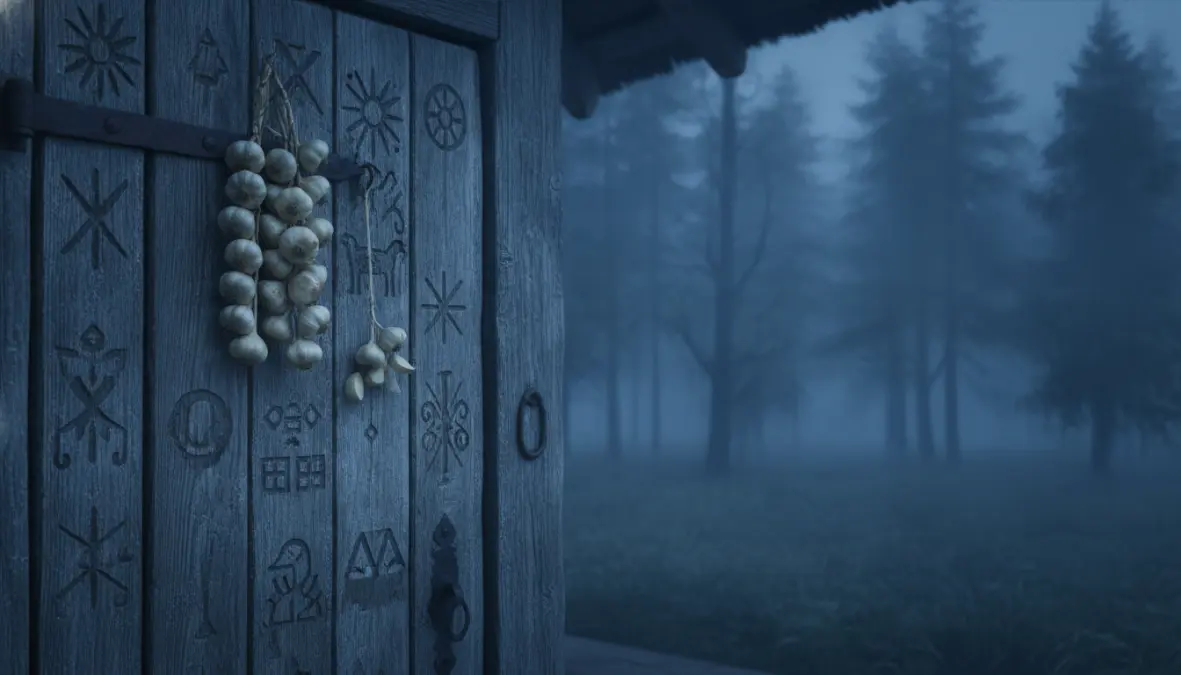
Mediterranean folklore attributes powerful apotropaic properties to garlic, particularly against the evil eye (malocchio in Italian, matiasma in Greek). Families hung garlic braids in doorways and kitchens, believing they repelled negative energy and malevolent spirits. This practice of garlic protection against evil eye remains visible in traditional homes throughout Greece, Italy, and Spain, though often now appreciated as decorative heritage rather than active spiritual defense.
Newborn protection rituals frequently incorporated garlic. Greek mothers placed garlic cloves near cradles, while Italian grandmothers tucked small sachets of garlic into baby clothes. These cultural rituals involving garlic varied by region: Spanish traditions emphasized garlic’s use during religious festivals, while Greek Orthodox communities incorporated it into certain blessing ceremonies. The persistence of these practices reflects garlic’s deep integration into Mediterranean spiritual and cultural practices.
Garlic in Eastern European Traditions: Folklore, Mythology and Apotropaic Magic
While Mediterranean cultures celebrated garlic’s culinary virtues, garlic Eastern European traditions emphasized its supernatural protective powers. Slavic and Balkan folklore positioned garlic as humanity’s primary defense against vampires, demons, and other nocturnal threats. The garlic cultural significance in these regions intertwined with Orthodox Christianity, pagan beliefs, and local mythology, creating a rich tapestry of protective rituals and ancient beliefs.
Bulgarian traditions incorporated garlic into Martenitsa celebrations, where spring festivals honored rebirth and protection. Romanian customs prescribed garlic hanging traditions in Eastern Europe during specific lunar phases to maximize protective potency. Polish households performed purification rituals using garlic smoke to cleanse spaces of negative influences. These practices weren’t mere superstition—they represented sophisticated folk medicine systems that addressed both physical and spiritual well-being, similar to how traditional dishes like borscht embodied regional identity and ancestral wisdom.
Orthodox Christian celebrations incorporated garlic in blessing ceremonies and feast preparations. Certain religious holidays required garlic-laden meals, believed to fortify both body and soul. This integration of garlic in Greek and Italian cuisine traditions—particularly in Greek communities with strong Eastern Orthodox ties—created a unique fusion where culinary delight met spiritual protection.
The Vampire Connection and Supernatural Beliefs
The question why garlic used in vampire folklore leads to fascinating Romanian and Serbian traditions. These cultures believed vampiric creatures like strigoi and upiri couldn’t tolerate garlic’s purifying essence. Families placed garlic cloves under pillows, rubbed them on windows and doors, and wore garlic necklaces during dangerous periods when supernatural activity supposedly peaked.
This garlic mythology wasn’t limited to vampires. Eastern European folklore credited garlic with repelling witches, warding off plague spirits, and protecting livestock from magical harm. The specificity of these practices reveals sophisticated belief systems: certain garlic varieties proved more effective, harvesting times mattered, and proper blessing rituals enhanced protective qualities. When Bram Stoker immortalized these traditions in Dracula, he drew from genuine cultural practices that had governed Eastern European life for centuries, transforming regional folklore into global popular culture.
The Enduring Legacy: Garlic’s Cultural Impact Today
Contemporary society witnesses a remarkable revival of traditional remedies and cultural practices surrounding garlic. Modern scientific research validating garlic’s antimicrobial, cardiovascular, and immune-boosting properties echoes what ancient Mediterranean and Eastern European cultures intuitively understood. This validation has sparked renewed interest in ancestral wisdom, encouraging younger generations to reconnect with their culinary heritage.
Contemporary garlic festivals in Mediterranean countries and Eastern Europe attract culinary tourists seeking authentic cultural experiences. These celebrations preserve traditional recipes, demonstrate ancient preparation techniques, and honor regional garlic varieties facing extinction from industrial agriculture. Fusion cuisine increasingly incorporates garlic culinary traditions with respect and innovation, creating dishes that honor heritage while embracing modernity—much like how bread traditions have evolved while maintaining cultural significance.
The garlic cultural significance persists in unexpected ways: families still hang garlic braids as cultural statements, chefs champion heirloom varieties, and communities organize heritage preservation projects documenting traditional garlic-related practices. Whether in Mediterranean sun or Eastern European snow, garlic remains what it’s always been—a powerful symbol connecting past to present, kitchen to cosmos, nourishment to protection. Its enduring presence in our cultures reminds us that the most profound traditions often grow from the humblest roots.