The Ancient Art of Irish Soda Bread: Baking Without Yeast in Celtic Tradition
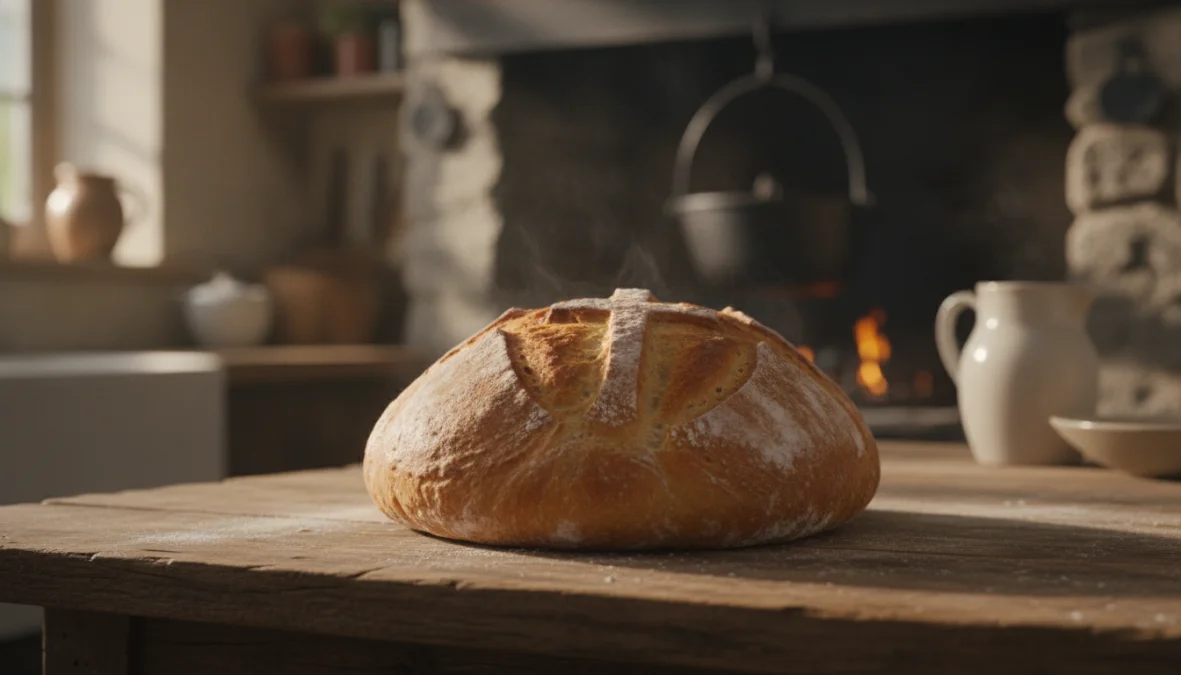
There’s something beautifully defiant about Irish soda bread. While the rest of Europe spent centuries cultivating yeast starters and perfecting fermentation techniques, the Irish created a bread that rises without waiting, bakes without fuss, and feeds families with just four humble ingredients. The irish soda bread tradition isn’t just about baking—it’s a story of resilience, resourcefulness, and the clever adaptation of necessity into culinary art. This dense, hearty loaf with its distinctive cross carved on top represents centuries of Irish ingenuity, born from hardship but celebrated as a cultural treasure that continues to grace tables from Dublin to Boston.
The Origins and History of Irish Soda Bread Tradition
The irish soda bread history begins in earnest during the 1840s, when bicarbonate of soda became widely available in Ireland. This seemingly simple chemical compound revolutionized baking for Irish families who had limited access to expensive brewer’s yeast and lacked the warm, controlled environments necessary for traditional bread fermentation. The timing was particularly significant—arriving just before the Great Famine, soda bread became a lifeline for rural communities.
Understanding the irish soda bread origins requires looking at Ireland’s socio-economic landscape. The country’s soft wheat didn’t contain enough gluten for traditional yeast breads that dominated continental Europe. Meanwhile, buttermilk—a byproduct of Ireland’s butter-making tradition—was abundant in every household. When bicarbonate of soda met buttermilk, the chemical reaction produced carbon dioxide, creating the leavening effect without any biological fermentation. This bread without yeast could be mixed and baked within an hour, perfect for families who couldn’t afford to wait or waste fuel maintaining fires for lengthy rising times.
The poverty that gripped rural Ireland actually accelerated soda bread’s adoption. While wealthy European households employed professional bakers and maintained elaborate ovens, Irish cottagers perfected hearth cooking techniques using three-legged pots called bastibles suspended over open fires. This democratic approach to baking meant anyone with flour, salt, baking soda, and buttermilk could produce fresh bread daily. Similar sacred bread traditions across different cultures can be explored in The Cultural Significance of Bread Around the World.
Celtic Baking Methods Before Commercial Yeast
Before bicarbonate of soda arrived, celtic baking methods relied on even more primitive leavening techniques. Ancient Irish bakers occasionally used alkaline wood ashes mixed into dough to create a slight rise, though most bread was unleavened flatbread cooked on hot stones or iron griddles. These griddle baking traditions produced farl—the quartered flatbreads still popular in Ulster—cooked directly over fire without any oven.
The transition from these ancient traditional irish baking techniques to soda bread wasn’t revolutionary but evolutionary. Irish cooks simply replaced ash alkalinity with the more reliable and palatable bicarbonate of soda, maintaining their quick-baking methods while achieving better texture and flavor. The bastible pot oven became the perfect vessel, creating a sealed environment that trapped steam and produced a crusty exterior while keeping the interior moist.
Understanding Traditional Soda Bread: Science and Symbolism
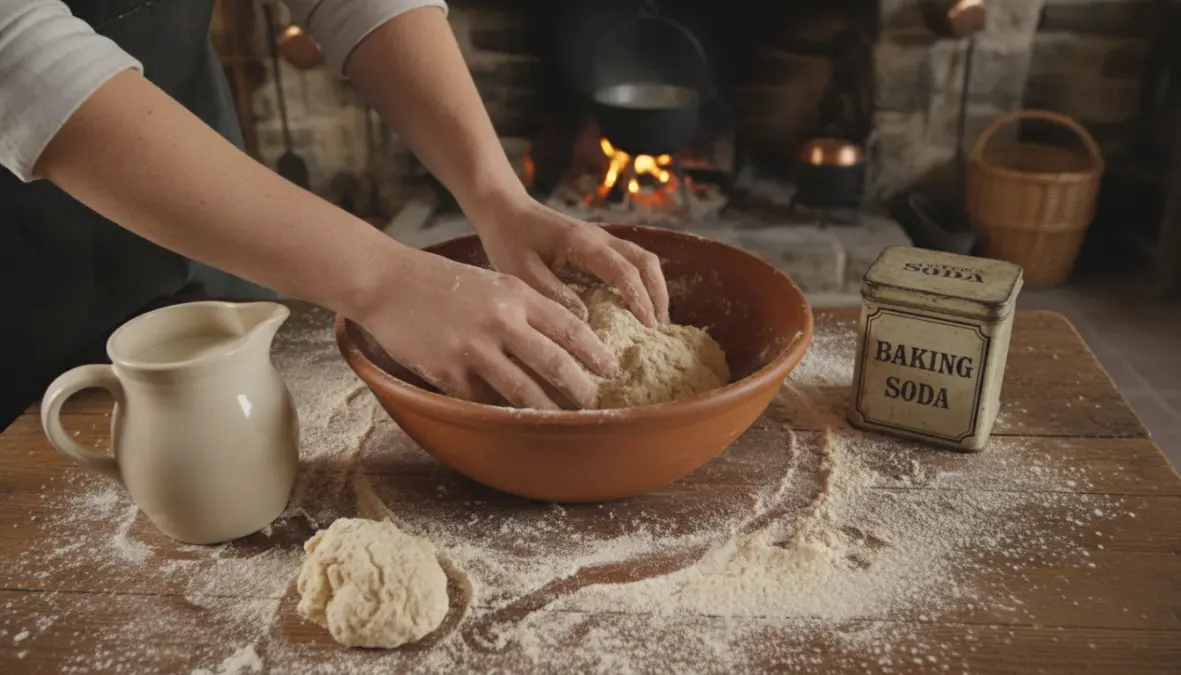
The magic behind a traditional soda bread recipe lies in beautifully simple chemistry. When acidic buttermilk meets alkaline bicarbonate of soda, they react immediately to produce carbon dioxide bubbles. These bubbles become trapped in the wheat flour matrix, causing the dough to rise. Unlike yeast bread, which requires hours of fermentation to develop gluten and create complex flavors, soda bread works instantly—mix, shape, score, and bake.
This fundamental difference between yeast bread and soda bread explains why authentic Irish soda bread has a denser, more cake-like crumb. There’s no gluten development from kneading, no long fermentation creating air pockets. What you get instead is honest, straightforward bread that tastes of its ingredients—slightly tangy from buttermilk, subtly sweet from wheat, with a tender crumb that’s perfect for soaking up stew or spreading with butter.
The iconic cross on bread carved into every loaf serves multiple purposes in soda bread culture. Practically, it helps heat penetrate the thick dough, ensuring even baking. But symbolically, it carried deeper meaning in Celtic tradition. Some believed the cross let fairies escape from the bread (trapping them would bring bad luck), while others saw it as blessing the household. The cross also made breaking the bread easier—you could pull apart quarters without needing a knife, practical in homes where utensils were scarce.
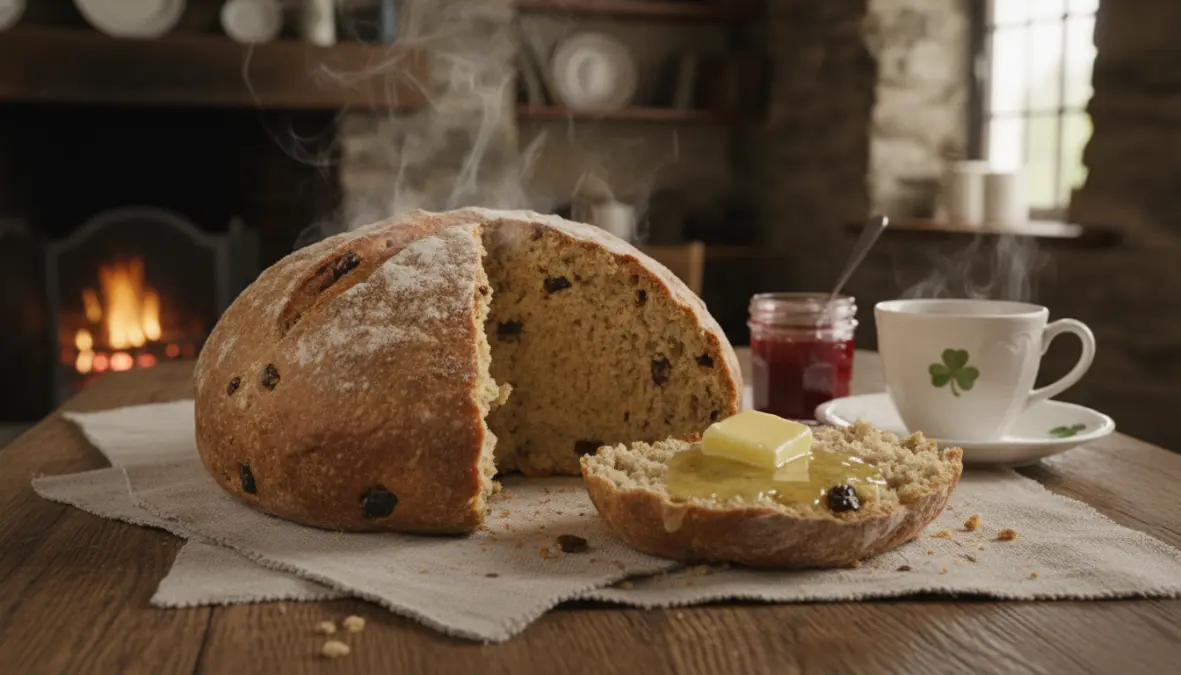
Here’s where authenticity matters: traditional Irish soda bread contains absolutely no sugar, no eggs, no butter, and certainly no raisins. Those sweet, cake-like versions found in American bakeries represent an Americanized adaptation far removed from the rustic original. Authentic soda bread is savory, dense, and wholesome—more similar to hearth breads like Lithuanian rye bread in its unpretentious simplicity than to any sweet quick bread.
The Four Essential Ingredients and Their Cultural Significance
Each of the traditional irish soda bread ingredients tells a story. Wheat flour, typically wholemeal in authentic recipes, came from Ireland’s soft wheat varieties—lower in gluten than continental wheat, but perfect for quick breads. White flour versions emerged later as a luxury, but brown soda bread remained the working-class staple.
Buttermilk, far from being a specialty item, was simply what remained after churning butter—every dairy household had it in abundance. Its acidity was essential for activating the soda, and its richness added flavor and tenderness. In homes without buttermilk, sour milk worked equally well, nothing was wasted.
Bicarbonate of soda democratized baking in Ireland. Unlike yeast, which required careful cultivation, or commercial baking powder, which was expensive, simple baking soda was affordable and shelf-stable. Combined with salt—used for both flavor and to control the rise—these four ingredients represented accessible nutrition for even the poorest families, embodying the resourcefulness central to Irish culinary identity.
Preserving Irish Soda Bread Culture in Modern Times
The irish soda bread tradition thrives today, experiencing renewed appreciation as part of the global movement toward traditional foods and ancient irish bread making traditions. In Ireland, bakeries still produce daily batches using time-honored methods, while home bakers maintain family recipes passed through generations. The bread has become a symbol of Irish identity, particularly celebrated on St. Patrick’s Day worldwide.
Regional variations reveal the diversity within Irish baking culture. Ulster farls—griddle-baked quarters—differ significantly from the round loaves of southern Ireland. Some regions prefer white flour, others insist on wholemeal. Certain families add a handful of oats or seeds, though purists argue this strays from authenticity. These debates themselves demonstrate how deeply soda bread culture remains embedded in Irish identity.
For those wanting to experience how to make authentic irish soda bread, the process is refreshingly straightforward. Mix your dry ingredients (flour, salt, soda), make a well, pour in buttermilk, and bring together with minimal handling—overworking creates tough bread. Shape into a round, score your cross deeply (about halfway through), and bake in a hot oven until the bottom sounds hollow when tapped. The entire process, from cupboard to table, takes about 45 minutes.
Modern bakers experimenting with traditional celtic bread baking techniques often discover that soda bread offers something commercial yeast breads cannot—immediacy and simplicity. No planning ahead, no starter maintenance, no precise temperature control. Just honest ingredients and basic technique producing satisfying results. This accessibility explains why soda bread recipes consistently rank among the most searched Irish traditional foods, alongside other cultural treasures explored in articles about European bread traditions.
The bread’s cultural significance extends beyond sustenance. In Irish diaspora communities worldwide, baking soda bread connects generations to their heritage. The smell of a fresh loaf emerging from the oven carries memories of grandmothers’ kitchens, of simpler times, of roots that reach deep into Celtic soil. Like other traditional foods that carry identity—from Canadian maple syrup traditions to Nordic open-faced sandwiches—Irish soda bread transcends mere recipe to become cultural artifact.
FAQ: Irish Soda Bread Tradition
Why is it called Irish soda bread?
The name comes from using baking soda (bicarbonate of soda) as the leavening agent instead of yeast, combined with its deep roots in Irish culinary tradition. The bread became synonymous with Ireland due to its widespread adoption across the country during the 19th century, when bicarbonate of soda first became commercially available and affordable for rural families.
What makes Irish soda bread different from regular bread?
Irish soda bread uses a chemical reaction between baking soda and buttermilk for leavening, rather than yeast fermentation. This creates a denser, cake-like texture and eliminates rising time. Traditional versions contain only four ingredients—flour, salt, baking soda, and buttermilk—without the eggs, butter, or sugar found in many conventional breads, resulting in a savory, hearty loaf.
Did ancient Celts eat soda bread?
No, ancient Celts couldn’t have eaten soda bread since bicarbonate of soda wasn’t commercially available until the 1840s. However, they did bake simple flatbreads using Celtic baking methods with alkaline wood ashes occasionally used for slight leavening. Irish soda bread represents an evolution of these ancient techniques using modern ingredients that maintained the quick-baking philosophy.
Why does Irish soda bread have a cross on top?
The cross serves practical and symbolic purposes. Practically, it allows heat to penetrate the thick dough for even baking. Symbolically, Irish folklore held that the cross let fairies escape (avoiding bad luck), blessed the bread, and conveniently divided it into quarters for easy breaking and sharing in homes without proper knives.
Is traditional Irish soda bread sweet?
Authentic Irish soda bread is not sweet. Traditional recipes contain no sugar, making it a savory bread meant to accompany meals. The sweet versions with raisins, sugar, and butter are American adaptations that diverge significantly from the simple, rustic loaf Irish families have baked for generations. The authentic version’s slight tang comes purely from buttermilk.
Irish soda bread endures not despite its simplicity, but because of it. In an age of artisanal sourdough starters and complex fermentation schedules, this humble loaf reminds us that great bread doesn’t require elaborate technique—just good ingredients, cultural wisdom, and the understanding that sometimes the most meaningful traditions emerge from making the most of what we have. Whether you’re connecting with Irish heritage or simply seeking how to make authentic irish soda bread that fills your kitchen with warmth and your table with sustenance, this ancient art offers a delicious lesson in culinary resilience that tastes as relevant today as it did in Celtic kitchens generations ago.