The Art of Lebanese Mezze: A Complete Guide to Small Plates Philosophy and Sharing Culture
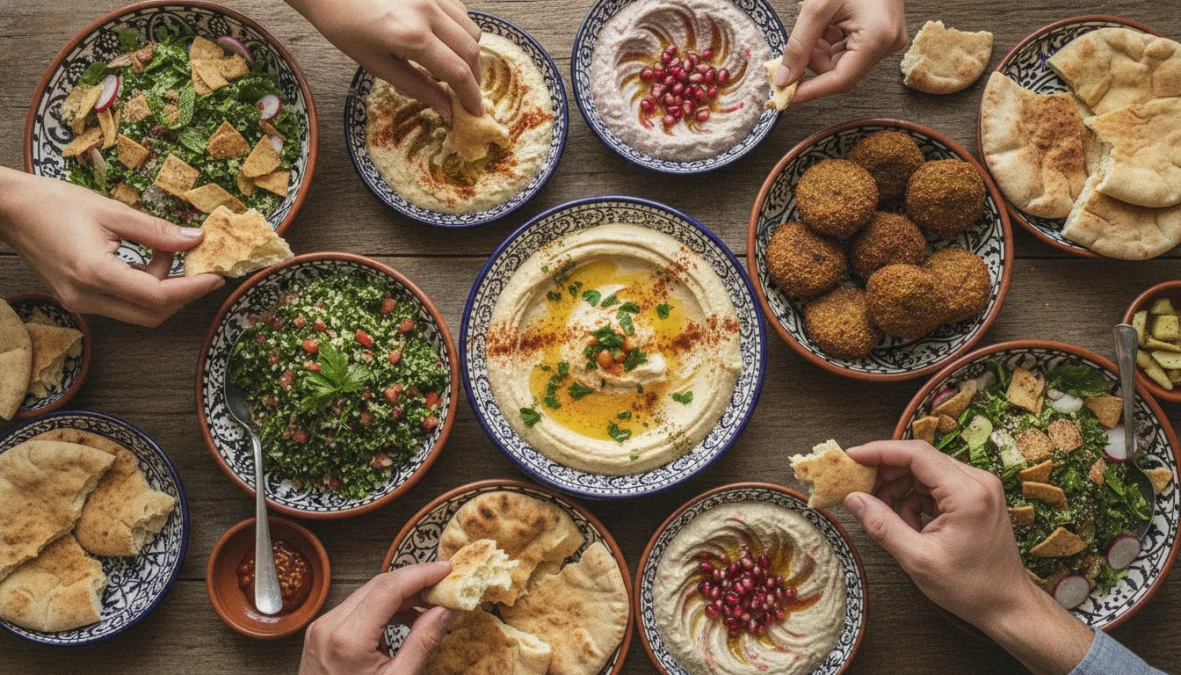
Picture this: you’re sitting around a table with friends and family, sharing stories and laughter while an endless parade of small plates keeps arriving. There’s no rush, no formality—just the simple pleasure of good food and great company. This is the essence of lebanese mezze tradition, a culinary philosophy that transforms eating into an art form of connection and hospitality. Unlike the Western concept of appetizers that merely whet your appetite before the “real” meal, mezze is the meal—a celebration of abundance, variety, and the joy of eating together.
Understanding Lebanese Mezze Tradition: More Than Just Appetizers
The lebanese mezze tradition has roots that stretch back centuries through the Levant, evolving from ancient Persian and Ottoman dining customs into something uniquely Lebanese. The word “mezze” itself comes from the Persian “maza,” meaning taste or snack, but don’t let that fool you into thinking these are mere middle eastern appetizers. In lebanese cuisine culture, mezze represents a completely different dining philosophy.
What sets mezze apart is the concept of time. While Western meals follow a linear progression (appetizer, main course, dessert), mezze unfolds in waves throughout an extended gathering. It’s not uncommon for a proper mezze session to last three or four hours, with dishes appearing gradually as conversation flows. This isn’t gluttony—it’s the mezze sharing culture at work, where the meal serves as a backdrop for what really matters: building relationships and strengthening community bonds.
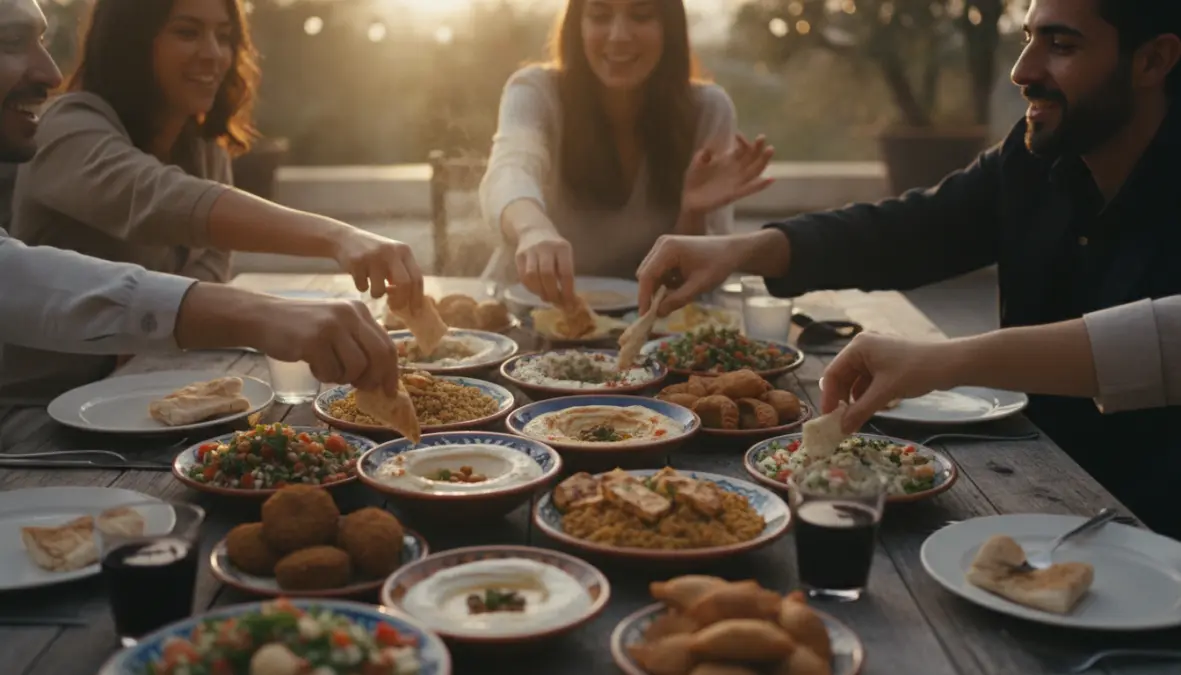
In Lebanese society, offering mezze demonstrates hospitality at its finest. The generosity of the spread reflects the host’s respect for their guests, and the variety ensures everyone finds something they love. This communal dining experience breaks down barriers—when everyone’s hands reach into the same plate of hummus with warm pita, formality melts away and genuine connection takes its place. Much like Turkish meze culture, the Lebanese approach emphasizes togetherness over individual portions.
Anatomy of an Authentic Mezze Platter: Essential Dishes and Composition
Understanding authentic mezze dishes means recognizing that a proper mezze platter tradition follows a careful balance of flavors, textures, and temperatures. A complete mezze spread typically features 10-20 different lebanese small plates, though family gatherings might include even more. The secret lies in variety: creamy and crunchy, spicy and cooling, raw and cooked—every element plays a specific role.
Fresh pita bread acts as both utensil and accompaniment, arriving at the table still warm from the oven. It’s essential for scooping, wrapping, and soaking up all those delicious dips and sauces. The bread itself becomes part of the ritual, with diners tearing off pieces and using them to pinch bites from communal plates.
Cold Mezze: The Foundation of Your Spread
Cold mezze dishes typically arrive first, setting the tone for the entire meal. Hummus, the creamy chickpea and tahini dip, anchors nearly every spread. Authentic Lebanese hummus is incredibly smooth, often topped with olive oil and pine nuts. Baba ganoush, made from smoky roasted eggplant, provides a richer, earthier counterpoint.
Tabbouleh, the vibrant parsley salad with bulgur, tomatoes, and lemon juice, adds freshness and acidity. Traditional Lebanese tabbouleh contains far more parsley than bulgur—it should be green, not brown. Fattoush, another salad featuring crispy pita chips, pomegranate molasses, and seasonal vegetables, brings textural contrast.
Other cold essentials include labneh (strained yogurt with olive oil), muhammara (walnut and red pepper dip), and various pickled vegetables known as mouneh—preserved foods that showcase Lebanese food preservation traditions. These pickles provide sharp, tangy notes that cleanse the palate between richer dishes.
Hot Mezze: Elevating the Experience
Once guests have settled into the rhythm of eating and conversation, hot mezze makes its entrance. Kibbeh, whether fried into golden footballs or baked in layers, showcases the Lebanese mastery of combining bulgur and meat. Falafel, crispy on the outside and herb-flecked inside, appeals to both vegetarians and meat-eaters alike.
Other hot favorites include sambousek (cheese or meat-filled pastries), grilled halloumi cheese, and spicy sujuk sausages. These warm dishes keep the meal dynamic and give guests something new to discuss and enjoy. They’re strategically timed to reignite appetite and maintain the convivial atmosphere, similar to how Moroccan tagine traditions use slow-cooked dishes to sustain extended gatherings.
The Mezze Sharing Culture: Etiquette and Modern Adaptations
Traditional mezze sharing culture follows unwritten rules that enhance the communal experience. Plates are placed in the center of the table, and everyone eats directly from them using pieces of pita bread rather than individual utensils. This practice isn’t just practical—it’s symbolic of trust and intimacy within the group.
Lebanese hospitality dictates that the host continually encourages guests to eat more, and a good guest graciously accepts while pacing themselves for the long haul. It’s considered polite to sample everything offered, showing appreciation for the host’s effort. The arak bottle (an anise-flavored spirit mixed with water) often circulates throughout the meal, though wine, beer, or ayran (a salty yogurt drink) also pair beautifully with mezze.
In modern Western contexts, you can adapt the traditional lebanese food experience while preserving its spirit. Start with 6-8 dishes if you’re new to hosting mezze, combining cold and hot plates. Aim for 4-8 guests—enough for lively conversation but intimate enough for everyone to participate. Set aside at least two hours with no other plans, because rushing defeats the entire purpose.
Create an authentic atmosphere by playing Arabic music softly, using low lighting, and arranging cushions for relaxed seating. Like Swedish fika, mezze celebrates the art of slowing down and being present with others—a practice increasingly valuable in our fast-paced world.
FAQ
What is the difference between mezze and meze?
They’re the same concept with different spellings reflecting regional variations. “Mezze” is more commonly used in Lebanese and Arabic contexts, while “meze” appears in Turkish and Greek usage. The lebanese mezze tradition emphasizes abundance and hospitality with numerous dishes.
How many mezze dishes should I serve?
A traditional mezze platter tradition includes 10-20 dishes, but beginners can start with 6-8 plates. Include at least 3-4 cold mezze (hummus, baba ganoush, tabbouleh, labneh) and 2-3 hot dishes (kibbeh, falafel, sambousek) for a balanced spread.
Can mezze be a full meal?
Absolutely! In Lebanese culture, mezze often serves as the entire meal, especially during social gatherings. The variety and quantity of lebanese small plates provide complete nutrition and satisfaction without requiring a separate main course.
What drinks pair best with Lebanese mezze?
Arak (anise-flavored spirit) is the traditional choice, served with water and ice. Lebanese wines, especially whites and rosés, complement the flavors beautifully. Non-alcoholic options include ayran (yogurt drink), jallab (date syrup drink), or simply fresh lemonade with orange blossom water.
Is mezze always vegetarian?
No, though many authentic mezze dishes are naturally vegetarian. A complete spread includes meat-based options like kibbeh, sujuk, and grilled meats alongside vegetable-forward dishes. This variety ensures everyone finds something to enjoy, regardless of dietary preferences.
The enduring appeal of Lebanese mezze lies in its rejection of modern dining’s efficiency obsession. In a world that increasingly values speed over substance, mezze insists that meals should nourish both body and soul. By embracing this tradition—whether at a Lebanese restaurant or your own table—you’re participating in an ancient ritual that reminds us food tastes better when we share it with people we care about.