The Philosophy of French Terroir: How Place Defines Flavor and Identity
There’s something almost mystical about the way the French talk about their food and wine. It’s not just about what’s in the glass or on the plate—it’s about where it comes from, the soil that nurtured it, the hands that shaped it, and centuries of tradition distilled into a single sip or bite. This reverence for place has a name: terroir. While English speakers might casually translate it as “sense of place,” the french terroir philosophy runs far deeper, representing an entire worldview about how geography, culture, and identity intertwine to create flavors that simply cannot be replicated elsewhere.
Understanding the Terroir Concept: More Than Just Geography
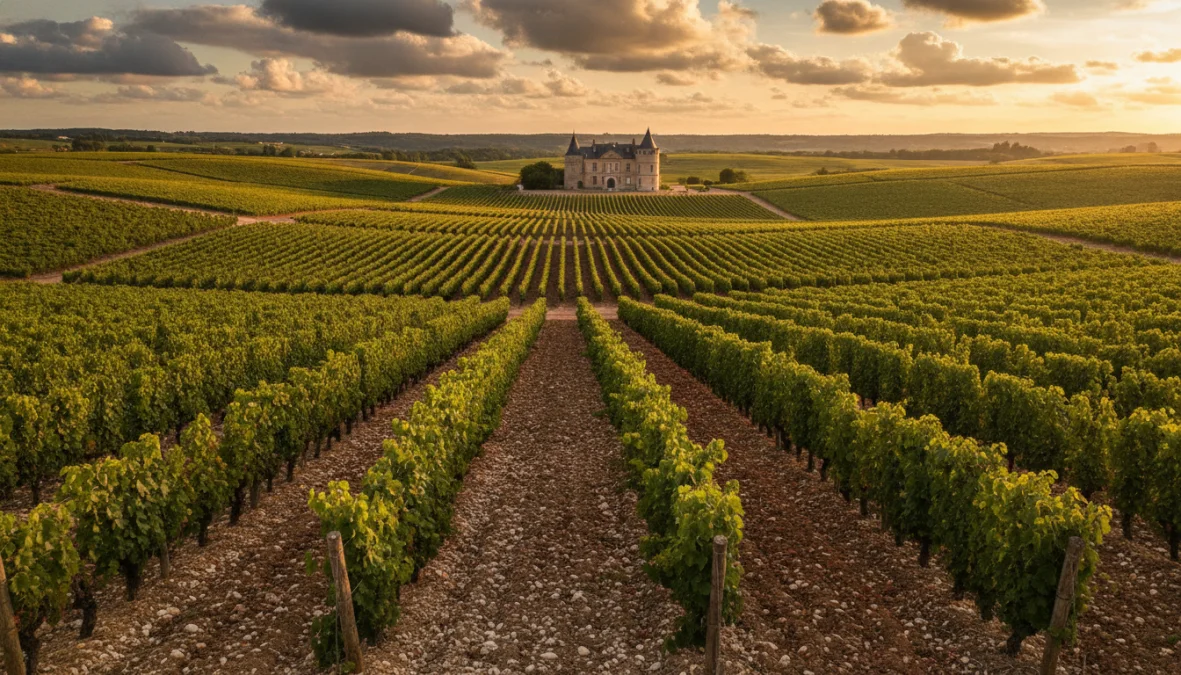
If you’ve ever tried to explain the terroir concept to someone unfamiliar with French wine culture, you’ve probably felt a bit stuck. The terroir definition isn’t as simple as pointing to a map. In its fullest sense, terroir encompasses four interconnected elements: soil composition, microclimate, topography, and—perhaps most importantly—human tradition and viticulture practices.
The soil provides minerals and drainage that directly influence what plants absorb. A chalky limestone in Champagne produces wines with entirely different terroir characteristics than the granite slopes of Beaujolais. The microclimate—rainfall patterns, temperature variations, sun exposure—determines ripening and flavor development. Topography affects everything from water runoff to how wind flows through vineyards. But here’s where the french terroir philosophy truly diverges from Anglo-Saxon interpretations: the human element isn’t separate from terroir—it’s integral to it.
French vignerons don’t see themselves as imposing techniques onto nature; they’re interpreting what the land offers. Generations of accumulated knowledge about when to prune, how to train vines, when to harvest—this becomes part of the terroir itself. It’s why two winemakers with adjacent plots can produce remarkably different wines: they’re different translators of the same landscape. This holistic view transforms terroir from a simple agricultural term into something approaching philosophy—a recognition that place, time, and tradition are inseparable from flavor and identity.
From Vineyard to Table: Terroir in French Wine and Gastronomy
The French wine philosophy formalized this connection between place and product through the appellation d’origine system, later evolving into the Appellation d’Origine Contrôlée (AOC), now known as AOP (Appellation d’Origine Protégée) under EU regulations. This isn’t just a fancy label—it’s a legal framework ensuring that products genuinely reflect their regional characteristics and aren’t produced using methods that would compromise their connection to place.
Consider the stark differences between Champagne and Burgundy. Champagne’s chalky soils and cool climate produce grapes with high acidity perfect for sparkling wine production—a technique refined over centuries in those specific conditions. Meanwhile, Burgundy’s fragmented geology creates a patchwork of microclimates where Pinot Noir expresses itself differently from one hillside to the next. When you ask “how does terroir affect wine taste,” these examples provide concrete answers: Champagne’s minerality and persistent bubbles versus Burgundy’s earthy complexity are direct expressions of their respective terroirs.
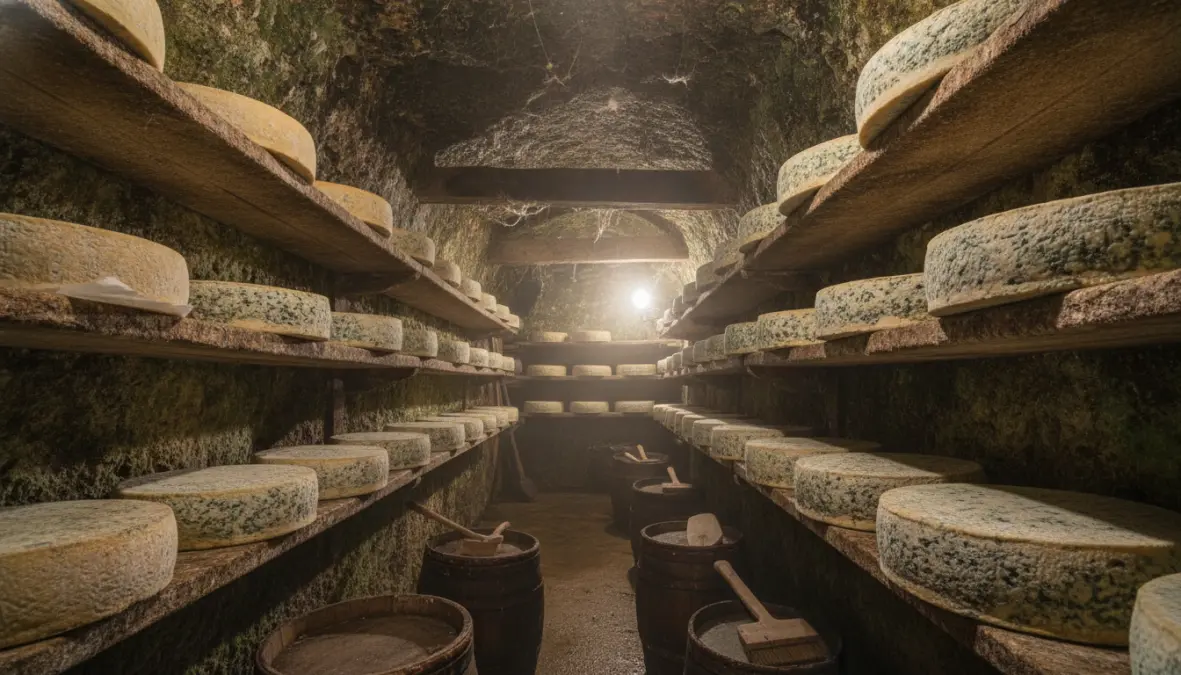
But French gastronomy terroir extends far beyond wine. The same philosophy governs cheese production—Roquefort must be aged in the specific caves of Combalou, where unique molds create its distinctive blue veining. Normandy butter carries the richness of maritime pastures where cows graze on grass flavored by sea air. Puy lentils from volcanic soils in Auvergne have a peppery complexity you won’t find elsewhere. Much like borscht defines Eastern European identity or kimchi embodies Korean cultural heritage, terroir-driven French products carry the identity of their landscapes.
Producers don’t just follow recipes—they cultivate what the French call goût de terroir, that elusive “taste of place” that signals authenticity. This isn’t about perfection; it’s about truthfulness. A wine from a challenging vintage that honestly reflects that year’s weather tells a more compelling story than a manipulated, homogenized product. This philosophy of artisanal production values character over consistency, celebrating the quirks that make each harvest, each wheel of cheese, uniquely tied to its moment and location.
The Appellation System: Codifying Place and Tradition
The appellation contrôlée system emerged in the early 20th century as both a legal protection and a philosophical statement. It established that certain products could only be called by specific names if produced in designated areas following traditional methods. Champagne can only come from Champagne; Roquefort only from Roquefort-sur-Soulzon. But these geographic indication rules go deeper than boundaries on a map.
AOC regulations specify grape varieties, planting densities, pruning methods, yield limits, aging requirements, and even harvesting techniques. For Châteauneuf-du-Pape, only hand-harvesting is permitted. Cognac must age in French oak barrels for minimum periods. These aren’t arbitrary restrictions—they’re codifications of practices developed over generations because they best express each region’s terroir. The system essentially says: this is not just what we make, but how and why we make it this way.
Of course, modern controversies swirl around the system. Critics argue it can stifle innovation or become more about protecting economic interests than preserving tradition. Debates rage over whether climate change necessitates adjusting traditional practices, or if such changes would undermine the very concept of terroir. These tensions reveal how the system functions as both practical regulation and cultural heritage preservation—a delicate balance that continues evolving.
Why Terroir Matters: Cultural Identity and the Future of Food
In an era of global supply chains and industrialized agriculture, the french terroir philosophy represents something increasingly precious: a deliberate resistance to standardization. When you can buy the same tomato variety grown hydroponically anywhere in the world, terroir-driven products insist that place still matters. This isn’t mere nostalgia—it’s a philosophical stance about what food should be and what our relationship to it should look like.
The concept of sense of place wine and food challenges the industrial model’s promise of perfect consistency. Terroir embraces variation as truthfulness rather than flaw. A rainy year produces different wines than a hot one—and that’s valuable information about the year, the place, the intersection of natural forces. Similar to how Swedish fika represents intentional slowing down or Vietnamese pho defines morning rituals, terroir connects us to rhythms larger than ourselves.
Contemporary debates around terroir have intensified. Climate change is shifting growing conditions—Champagne now occasionally faces challenges from excessive ripeness rather than insufficient sugar. Biodynamic and organic movements argue they better preserve authentic terroir expression by avoiding chemical interventions. Meanwhile, skeptics question whether consumers can actually taste terroir or if it’s sophisticated marketing. Scientific studies show mixed results: some demonstrate measurable differences in wine composition based on soil minerality; others suggest human perception of terroir involves considerable psychological priming.
Yet the french terroir philosophy has profoundly influenced global food movements. The explosion of craft beer, single-origin coffee, farm-to-table restaurants, and artisanal cheese makers worldwide all echo terroir’s core insight: that understanding where food comes from and how it’s made enriches both flavor and meaning. Countries have adopted their own geographic indication systems modeled on AOC. The question “what is terroir in French wine culture” has evolved into a broader conversation about preserving cultural heritage wine and food practices globally, from Scottish haggis traditions to Polish pierogi heritage.
Ultimately, terroir matters because it offers an alternative to placelessness. It suggests that not everything should be optimized for efficiency or consistency, that some value exists in maintaining connections between people, places, and the foods they produce. In protecting these connections, we preserve not just flavors but entire ways of understanding our relationship to land and community.
FAQ: Common Questions About French Terroir
What does terroir mean in simple terms?
Terroir refers to how a specific place’s environment—its soil, climate, topography, and traditional production methods—gives food and wine unique characteristics that can’t be replicated elsewhere. It’s the “taste of place” captured in what you’re eating or drinking.
Can terroir exist outside of France?
Absolutely. While France developed and codified the concept, terroir exists wherever distinctive environmental conditions and traditional practices combine to create unique products. Italian wine regions, Japanese tea cultivation, and Vermont cheese-making all demonstrate terroir principles, even if they use different terminology.
Is terroir scientifically proven or just marketing?
Both elements exist. Scientific research confirms that soil composition, microclimate, and viticulture practices measurably affect wine chemistry and flavor compounds. However, human perception of these differences involves cultural context and expectation, making terroir partly objective and partly interpretive—which doesn’t diminish its significance.
How does climate change affect terroir?
Climate change is shifting traditional growing conditions, forcing regions to adapt practices while trying to maintain their distinctive character. Warmer temperatures alter ripening patterns, potentially changing flavor profiles that defined appellations for centuries. This creates tension between preserving traditional methods and responding to new environmental realities.