The British Afternoon Tea Tradition: A Journey Through Class, Ceremony, and Cultural Evolution
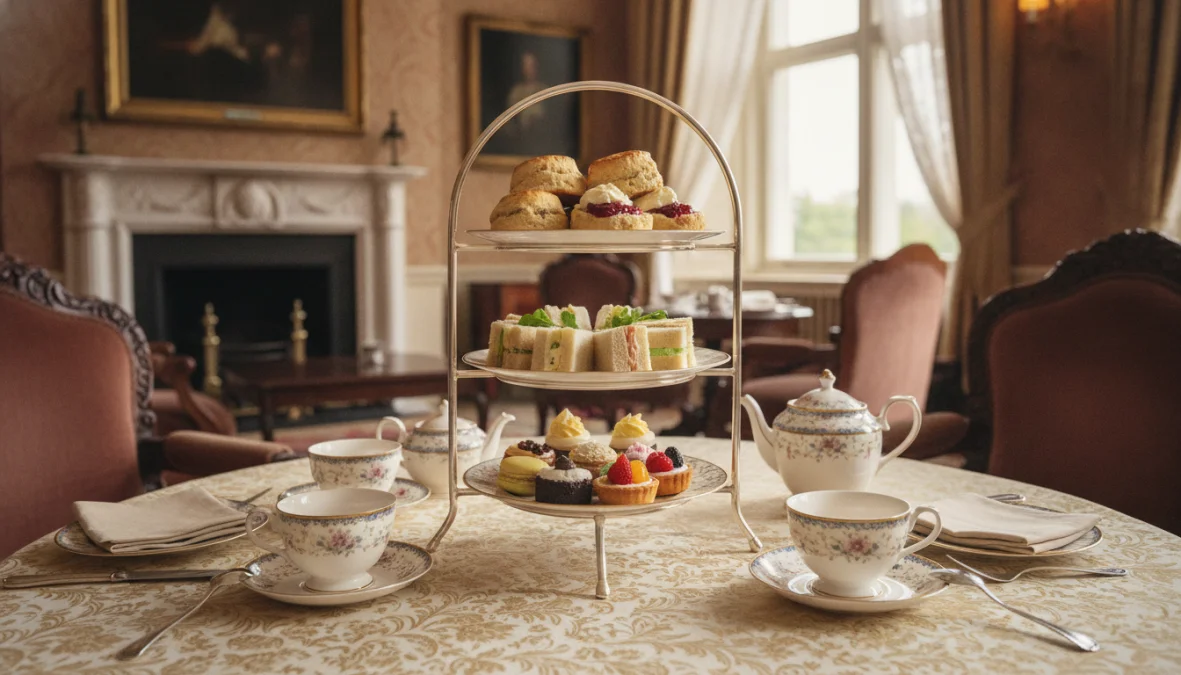
Picture this: delicate porcelain cups clattering gently against saucers, the sweet aroma of Earl Grey wafting through an elegant drawing room, and tiered stands laden with finger sandwiches and warm scones. The british afternoon tea tradition isn’t just about drinking tea—it’s a centuries-old social ritual that reveals fascinating insights into British culture, class dynamics, and how a simple craving transformed into one of the nation’s most beloved customs. Like other cultural food traditions such as Swedish fika or Turkish meze culture, afternoon tea represents far more than sustenance—it’s a window into national identity.
The Origins and Evolution of Afternoon Tea
So, how did afternoon tea start in britain? The story begins with Anna, the seventh Duchess of Bedford, who in the 1840s experienced what she described as a “sinking feeling” during the long stretch between lunch and dinner. During the victorian tea tradition era, dinner wasn’t served until 8 or 9 PM, leaving aristocrats famished by late afternoon. Anna’s solution was brilliantly simple: request tea, bread, butter, and cakes to be brought to her room around 4 PM.
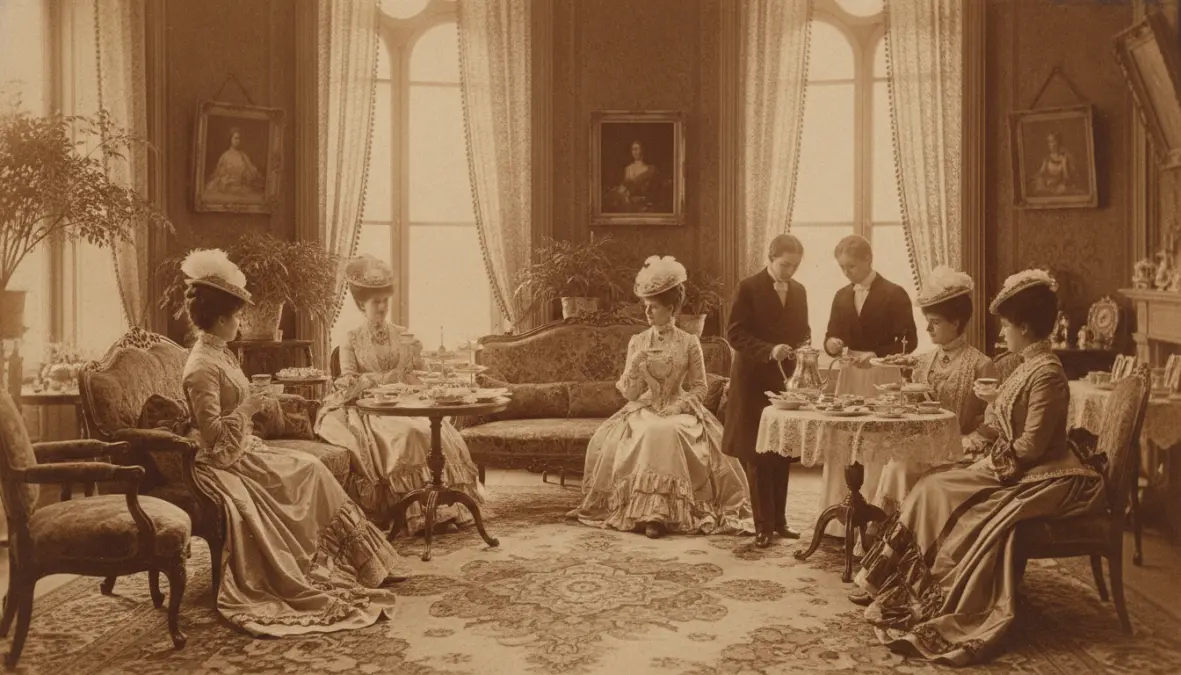
What started as a private indulgence quickly became a fashionable social event. Anna began inviting friends to join her for afternoon tea, and the practice spread through upper-class society like wildfire. The victorian tea tradition flourished during the 1880s and 1890s, becoming an essential part of fashionable life where ladies would don elaborate tea gowns and gather in drawing rooms to socialize, gossip, and display their finest china.
The afternoon tea history reveals an important class distinction that many people still confuse today. Understanding the difference between afternoon tea and high tea is crucial: afternoon tea was an upper class tradition served on low tables in drawing rooms between 3-5 PM, featuring delicate finger foods. High tea, conversely, was a working-class meal served at high dining tables around 6 PM, consisting of heartier fare like meat pies, cold cuts, and bread—essentially an early dinner for laborers returning from factories. Despite the name, “high tea” was actually the less refined option, though the terms have become muddled in modern usage.
The Ceremony and Etiquette of Traditional Afternoon Tea
The british tea ceremony involves far more than simply brewing a pot of tea. It’s a carefully orchestrated performance governed by unwritten rules and british tea customs that have been passed down through generations.
The Essential Elements and Service
A traditional afternoon tea follows a specific structure. The traditional british afternoon tea menu is presented on the iconic three tier stand, with each level serving a purpose: the bottom tier holds finger sandwiches (classic fillings include cucumber with butter, smoked salmon, egg mayonnaise, and ham), the middle tier presents freshly baked scones with clotted cream and jam, while the top tier showcases delicate pastries and cakes.
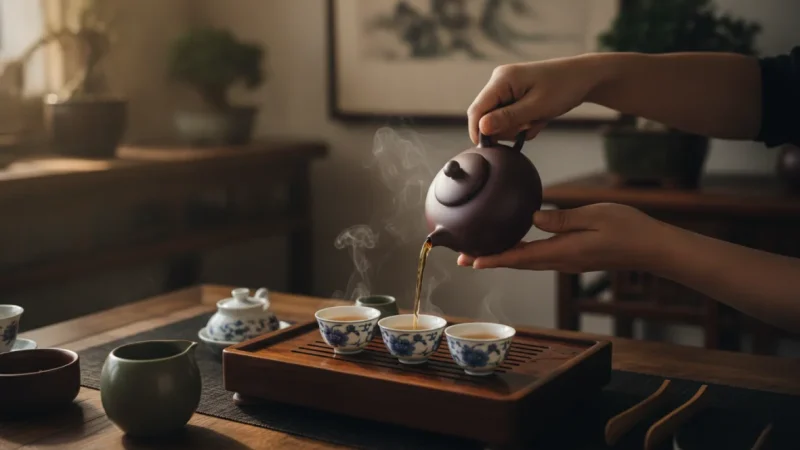
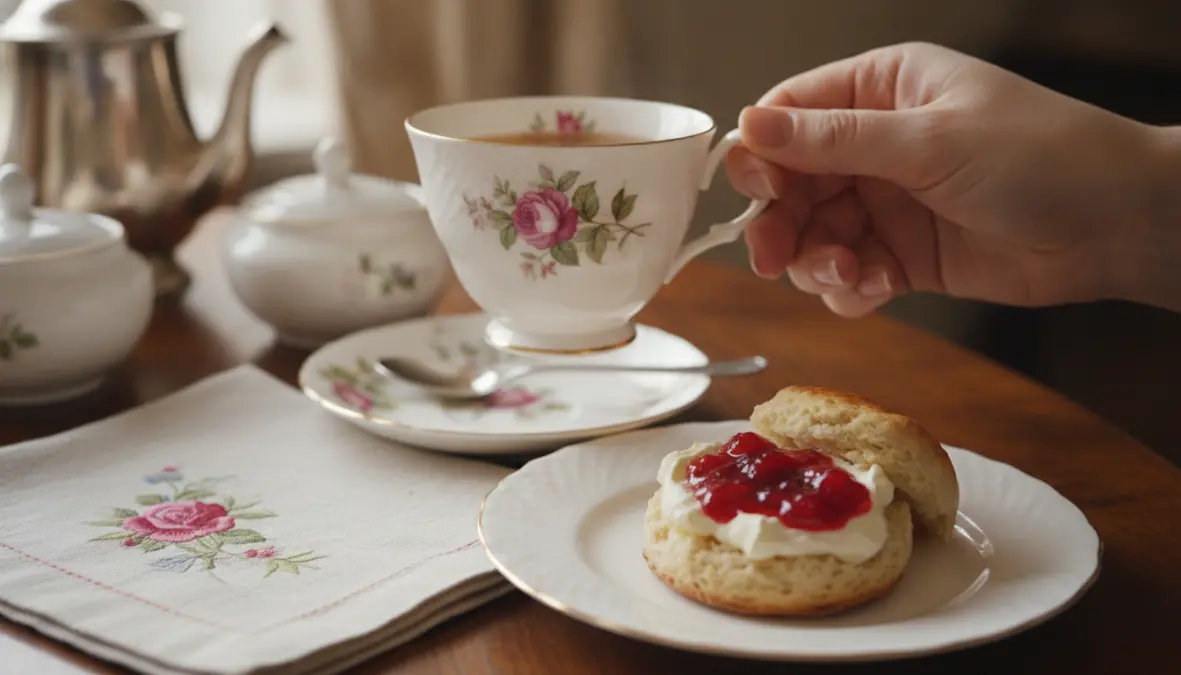
The proper way to serve afternoon tea begins with pouring the tea itself—typically offering a selection of black teas like Earl Grey, English Breakfast, or Darjeeling. The food is consumed in a specific order: savory sandwiches first to take the edge off hunger, followed by scones (the centerpiece), and finally the sweet pastries. Everything is served on fine china teacups with matching saucers, accompanied by crisp linen napkins and silver teaspoons. The traditional timing remains between 3-5 PM, occupying that strategic gap between lunch and dinner.
The Unwritten Rules of Tea Etiquette
The english tea etiquette can seem intimidating, but most rules stem from practicality. When holding your teacup, pinch the handle between your thumb and forefinger—never loop your finger through or stick your pinkie out (that’s actually considered pretentious). The age-old “milk first or last” debate has strong opinions on both sides: traditionally, milk was added first to prevent delicate porcelain from cracking, though modern tea time culture generally adds milk after pouring tea.
The victorian afternoon tea etiquette rules dictate specific scone protocol: break them with your hands (never cut with a knife), then apply jam first, followed by a dollop of clotted cream on each bite-sized piece. The napkin should be placed on your lap, never tucked into your collar. While historical dress codes required elaborate tea gowns—elegant, loose-fitting dresses that allowed ladies to relax without their restrictive corsets—modern afternoon tea accepts smart casual attire, though many upscale venues still encourage a certain level of formality.
Afternoon Tea as a Reflection of British Class and Modern Adaptations
The evolution of afternoon tea tradition mirrors broader changes in British society. What began as an exclusive upper class tradition has democratized significantly, though it still carries echoes of its aristocratic origins. The practice became a marker of social status—having the leisure time, fine china, and domestic staff to host elaborate afternoon teas signaled wealth and refinement.
Understanding why is afternoon tea important in british culture requires recognizing its role in national identity. Much like asado in Argentine culture or Moroccan tagine traditions, afternoon tea represents British hospitality, civility, and social bonding. It embodies the British preference for ritual, order, and maintaining pleasant social interactions over refreshments.
Iconic establishments like The Ritz, Claridge’s, and The Savoy have maintained impeccable traditional afternoon tea services, offering experiences that transport guests back to Victorian elegance—albeit at premium prices (typically £50-75 per person). However, local tearooms across Britain offer more accessible versions, preserving the tradition at various price points.
Contemporary british tea customs have evolved creatively. Themed afternoon teas celebrating everything from popular films to seasonal holidays have emerged. Vegan and gluten-free options cater to modern dietary preferences. Some venues offer champagne afternoon tea, adding a boozy twist to tradition. The tea time culture has even gone global, with luxury hotels worldwide offering their interpretations—sometimes incorporating local elements, similar to how wagashi complements Japanese tea ceremonies.
The british afternoon tea tradition remains relevant because it fulfills a timeless human need: creating space for unhurried conversation and connection. In our increasingly fast-paced world, the ritualized pause that afternoon tea provides feels almost revolutionary—a deliberate slowing down to savor not just tea and treats, but companionship itself.
FAQ
What is the difference between afternoon tea and high tea?
Afternoon tea is a light meal served between 3-5 PM featuring sandwiches, scones, and pastries on a three-tier stand. High tea is a more substantial early evening meal (around 6 PM) with heartier foods like meat, bread, and vegetables. Despite the name, high tea was historically the working-class option, not the fancy one.
What time is afternoon tea traditionally served?
Traditional afternoon tea is served between 3:00 PM and 5:00 PM, with 4:00 PM being the classic time. This timing fills the gap between lunch (typically at 1 PM) and dinner (served at 8-9 PM in Victorian times). Most modern venues maintain this traditional window.
Do you put milk in tea first or last?
Historically, milk was added first to protect delicate porcelain from cracking when hot tea was poured. Modern etiquette suggests adding milk last, allowing you to control the desired strength and color. Both methods have passionate advocates, making this a friendly ongoing debate in British tea culture.
What should you wear to afternoon tea?
Dress code varies by venue. Traditional establishments like The Ritz require smart attire—no jeans, trainers, or sportswear. Women often wear dresses or smart separates; men wear jackets and trousers. Casual tearooms accept smart casual. When in doubt, check the venue’s specific requirements beforehand.
How much does a traditional afternoon tea cost?
Prices vary significantly by location and prestige. Local tearooms charge £15-30 per person, mid-range hotels £35-50, while prestigious London establishments like The Ritz, Savoy, or Claridge’s charge £50-75+ per person. Champagne or specialty teas increase costs. Booking ahead is essential for popular venues.
Whether you’re planning to experience afternoon tea at a grand hotel or recreating the tradition at home, remember that the british afternoon tea tradition ultimately celebrates something wonderfully simple: taking time to pause, connect with others, and enjoy life’s small pleasures. In a world that constantly rushes forward, perhaps we could all benefit from adopting this decidedly civilized custom.