Summer Solstice Food Traditions Around the World: Ancient Rituals and Modern Celebrations
When the sun reaches its highest point in the sky on the longest day of the year, cultures across the globe have been celebrating with feasts, fires, and sacred foods for thousands of years. Summer solstice food traditions connect us to ancient agricultural cycles, honoring the abundance of the harvest season and the peak of solar power. From Scandinavian herring platters to Mediterranean herb-infused breads, these culinary rituals remind us that food isn’t just sustenance—it’s a bridge between earth, sky, and community.
The Sacred Connection Between Summer Solstice and Food
The summer solstice marks a pivotal moment in the agricultural calendar, when daylight reaches its maximum and the earth’s fertility is at its zenith. For ancient communities, this astronomical event signaled the beginning of the harvest season and represented a sacred threshold between growth and gathering. Solstice cultural celebrations developed around the world as a way to honor the sun’s life-giving power and ensure continued abundance.
Food became central to these celebrations because it embodied the tangible results of solar energy—the ripening strawberries, the first new potatoes, the fragrant herbs reaching peak potency. Solstice harvest rituals weren’t merely about consumption; they were acts of gratitude, offerings to deities, and communal affirmations of survival and prosperity. The symbolism runs deep: light foods for the lightest night, circular breads representing the sun’s disc, and fresh herbs believed to possess magical properties when gathered at the exact moment of solstice.
Pagan rituals across Europe, Asia, and the Americas all recognized this cosmic moment with specific dietary customs. The Celts lit bonfires and baked honey cakes, while indigenous peoples of North America timed their berry-picking ceremonies to coincide with the sun’s peak. These ancient practices remind us that summer solstice food traditions are humanity’s oldest form of seasonal eating, connecting our ancestors’ spiritual beliefs with the practical realities of survival.
European Midsummer Food Traditions: From Scandinavia to the Mediterranean
Europe’s diverse midsummer food traditions reflect both geographical differences and shared cultural threads. The midsummer festival remains one of the most important celebrations in many European countries, with food playing an absolutely central role in the festivities.
Nordic Midsummer Feasts: Herring, Strawberries, and Seasonal Abundance
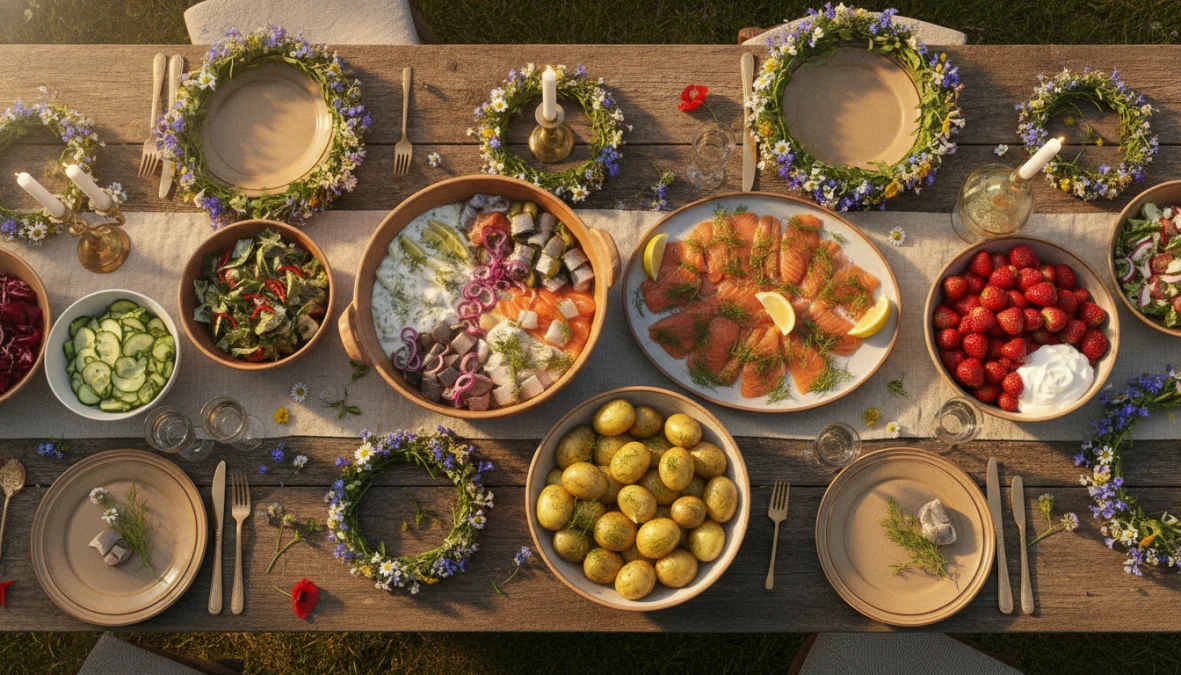
In Sweden, Finland, and Norway, summer solstice celebrations center around the smorgasbord—a lavish spread of cold dishes that showcase the season’s freshest offerings. Pickled herring prepared in multiple styles (mustard, onion, dill) takes pride of place alongside gravlax (salt-cured salmon with dill and sugar), reflecting Scandinavia’s deep maritime heritage. These traditional solstice recipes emphasize preservation techniques that allowed communities to enjoy summer’s bounty throughout the harsh northern winters.
New potatoes boiled with fresh dill represent one of the season’s most anticipated treats—the first potato harvest coincides perfectly with midsummer, and their delicate, earthy flavor symbolizes the earth’s generosity. Strawberries with cream form the quintessential dessert, their ruby color echoing both the celebratory mood and ancient associations with fertility. The midsommarkrans, a wreath-shaped cake decorated with flowers and berries, brings edible flowers into the feast, while aquavit—a caraway-flavored spirit—accompanies the meal, often served ice-cold in tiny glasses.
What makes Nordic midsummer feast customs distinctive is their emphasis on lightness and freshness. After months of preserved foods, the summer solstice offers the first taste of truly seasonal abundance, and the menu reflects this celebration of renewal.
Southern European Solstice Celebrations: Fire, Herbs, and Sacred Breads
Mediterranean countries bring fire and herbs to their solstice tables. In Spain, the Hogueras de San Juan (Bonfires of Saint John) combine Christian and pagan traditions, with grilled sardines being the star of beach celebrations along the coast. These small, oily fish are cooked over open flames, their smoky aroma mingling with the scent of burning wood—a ritual purification through fire.
Italy’s San Giovanni traditions involve gathering erbe di San Giovanni (St. John’s herbs) at dawn on the solstice. Basil, mint, rosemary, sage, and rue are believed to possess heightened magical and medicinal properties when collected at this precise moment. These herbs find their way into torta d’erbe, a savory pie filled with wild greens and ricotta—a dish that captures the essence of summer in every bite. Similar to sacred bread traditions found throughout European cultures, Italian bakers also prepare special solstice breads infused with herbs and flowers.
Portuguese celebrations feature grilled sardines and caldo verde (kale and potato soup), while Greek islanders bake special ritual breads decorated with sun symbols, carrying forward traditions that predate Christianity by millennia.

Summer Solstice Food Rituals Beyond Europe: Global Harvest Celebrations
Summer solstice dishes and celebrations extend far beyond European borders, with cultures worldwide developing their own unique ways to honor this cosmic moment through food. What’s fascinating is how each tradition adapts available seasonal ingredients to express universal themes of gratitude and renewal.
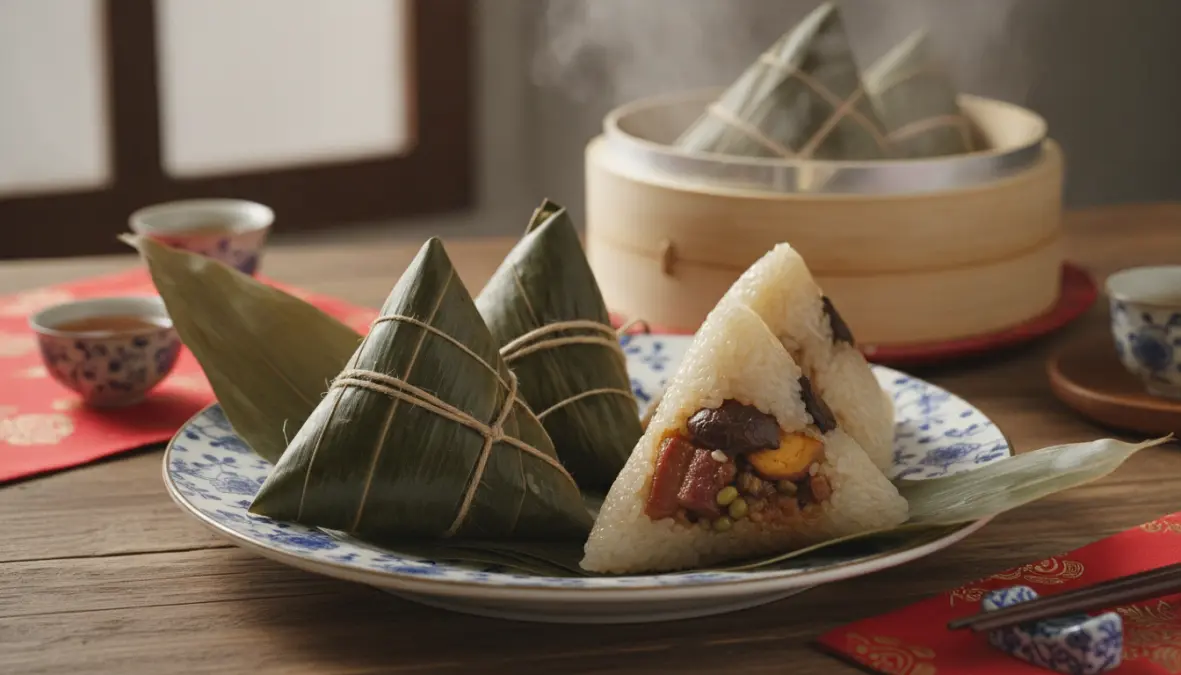
In China, the Dragon Boat Festival often falls near the summer solstice and features zongzi—glutinous rice dumplings wrapped in bamboo leaves and filled with various sweet or savory ingredients. These pyramid-shaped parcels represent offerings to ancient poets and river deities, connecting water, rice, and remembrance in a single bite. The tradition shares conceptual similarities with dumpling traditions found across Asia, where wrapped foods carry symbolic significance.
Indigenous North American communities have long celebrated the summer solstice with ceremonies honoring the ripening of berries and the growth of the Three Sisters (corn, beans, and squash). These solstice harvest rituals often include:
- First berry ceremonies among Pacific Northwest tribes, where strawberries, blueberries, and salmonberries are blessed and shared
- Green corn dances when the first corn reaches edible maturity
- Salmon feasts timed to the fish’s seasonal migrations
- Sacred tobacco offerings and herbal preparations
These practices, much like indigenous maple syrup harvesting traditions, demonstrate deep ecological knowledge and spiritual connection to seasonal cycles.
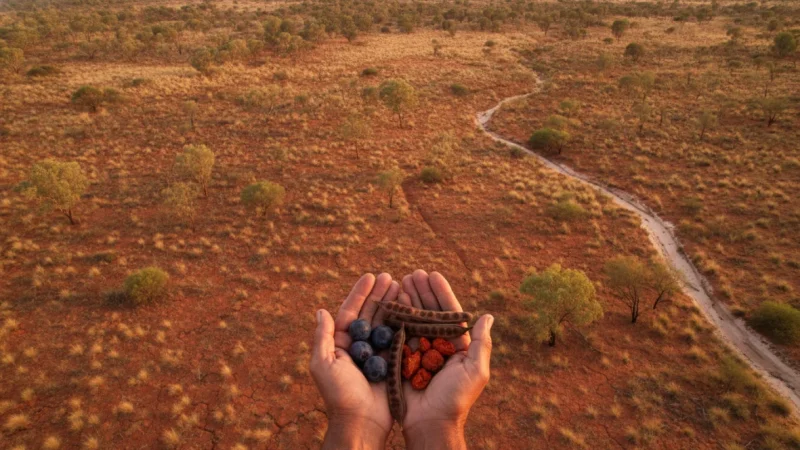
In the Southern Hemisphere, where the summer solstice falls in December, solstice cultural celebrations take different forms. Aboriginal Australians don’t celebrate the solstice in the same way as Northern cultures, but they observe sophisticated seasonal calendars with specific foods tied to celestial events. Andean communities in South America, despite experiencing their winter solstice during this period, still honor sun deities with special foods including quinoa preparations, potato varieties, and corn-based beverages that celebrate the sun’s eventual return.
FAQ: Summer Solstice Food Traditions
What foods are traditionally eaten during summer solstice?
Traditional foods eaten during summer solstice vary by region but generally include fresh seasonal produce like strawberries, new potatoes, and herbs. In Scandinavia, expect pickled herring and gravlax; in Mediterranean countries, grilled fish, herb-filled pies, and special breads dominate. Many cultures feature circular or sun-shaped foods to honor the solar connection.
Why is food important in solstice celebrations?
Food represents the direct result of the sun’s energy and the earth’s fertility. Traditional feast days like the summer solstice use food as both practical nourishment and spiritual offering, creating community bonds while honoring agricultural cycles that determined survival for our ancestors.
What herbs are traditionally gathered on summer solstice?
St. John’s wort, vervain, yarrow, mugwort, lavender, chamomile, and various aromatic herbs like basil, rosemary, and sage are traditionally collected at dawn on the summer solstice. These herbs were believed to possess peak medicinal and magical properties when gathered at this precise astronomical moment.
How can I celebrate summer solstice with food today?
For those wondering how to celebrate summer solstice with food, start by embracing seasonal, local ingredients. Prepare a meal featuring the freshest produce available—strawberries, herbs, new potatoes, or whatever is reaching peak ripeness in your area. Consider cooking outdoors over fire, gathering wild herbs (responsibly), or baking sun-shaped bread. The key is mindfulness about seasonal eating and gratitude for abundance, whether you follow midsummer celebration recipes from around the world or create your own modern ritual inspired by ancient wisdom.
Whether you’re planning a traditional Scandinavian smorgasbord or simply grilling sardines on the beach, summer solstice food traditions offer us a delicious way to reconnect with natural rhythms and honor the longest day of the year. These ancient practices remind us that cultural gastronomy is never just about taste—it’s about meaning, community, and our eternal dance with the seasons. As you consider what to eat on the longest day of the year, remember that you’re participating in rituals thousands of years old, linking hands across time with countless generations who looked up at the same midsummer sun and celebrated with gratitude and joy.