The Global Journey of Dumplings: Exploring Dumpling Traditions Worldwide
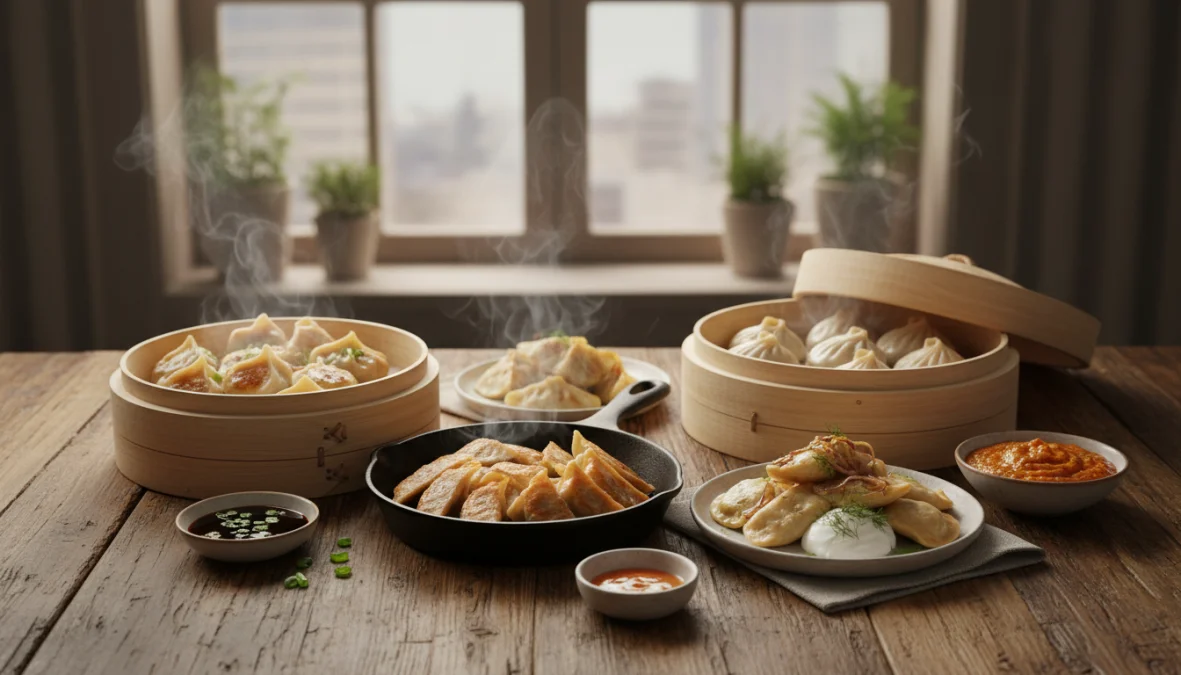
Few foods can claim a passport as well-traveled as the humble dumpling. From bustling street markets in Shanghai to cozy kitchens in Warsaw, dumpling traditions worldwide tell a story of migration, adaptation, and the universal human desire to wrap delicious fillings in comforting dough. Whether steamed, boiled, fried, or baked, these little pockets of joy have conquered every continent, each culture adding its own unique twist to this ancient culinary concept.
The Ancient Origins: Where Dumpling History Began
The dumpling history we know today most likely traces back to ancient China during the Han Dynasty, over 1,800 years ago. Legend credits Zhang Zhongjing, a renowned Chinese medicine practitioner, with creating the first dumplings. As the story goes, he wrapped mutton, herbs, and warming spices in dough to help treat frostbitten ears during a harsh winter. These “tender ear” remedies evolved into the jiaozi we recognize today.
The genius of dumpling origins lies in their simple brilliance: a dough wrapper protecting a flavorful filling. This practical concept preserved ingredients, made portions portable, and stretched expensive proteins with affordable starches. As trade routes expanded along the Silk Road, the dumpling concept traveled with merchants, missionaries, and migrants, adapting to local ingredients and tastes at each stop. In Chinese culture, dumplings quickly became symbols of wealth and family unity, with their shape resembling ancient gold ingots—a tradition that persists during Lunar New Year celebrations when families gather to fold hundreds together.
Dumpling Traditions Worldwide: Regional Dumpling Styles Across Continents
Understanding dumpling varieties worldwide means appreciating how a single concept spawned countless interpretations. The beauty of regional dumpling styles lies in their diversity—each reflecting local ingredients, cooking methods, and cultural values. From the dim sum carts of Hong Kong to the hearty pierogi of Eastern Europe, traditional dumplings offer a delicious window into cultural dumpling dishes that define communities.
Asian Dumpling Varieties: Beyond Chinese Jiaozi
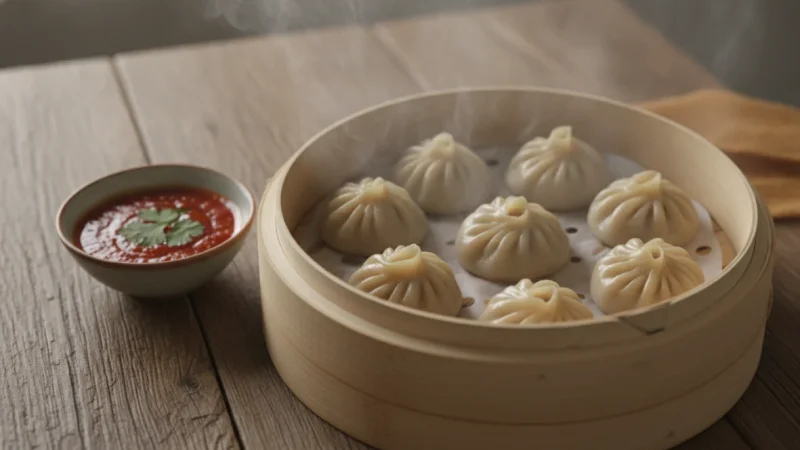
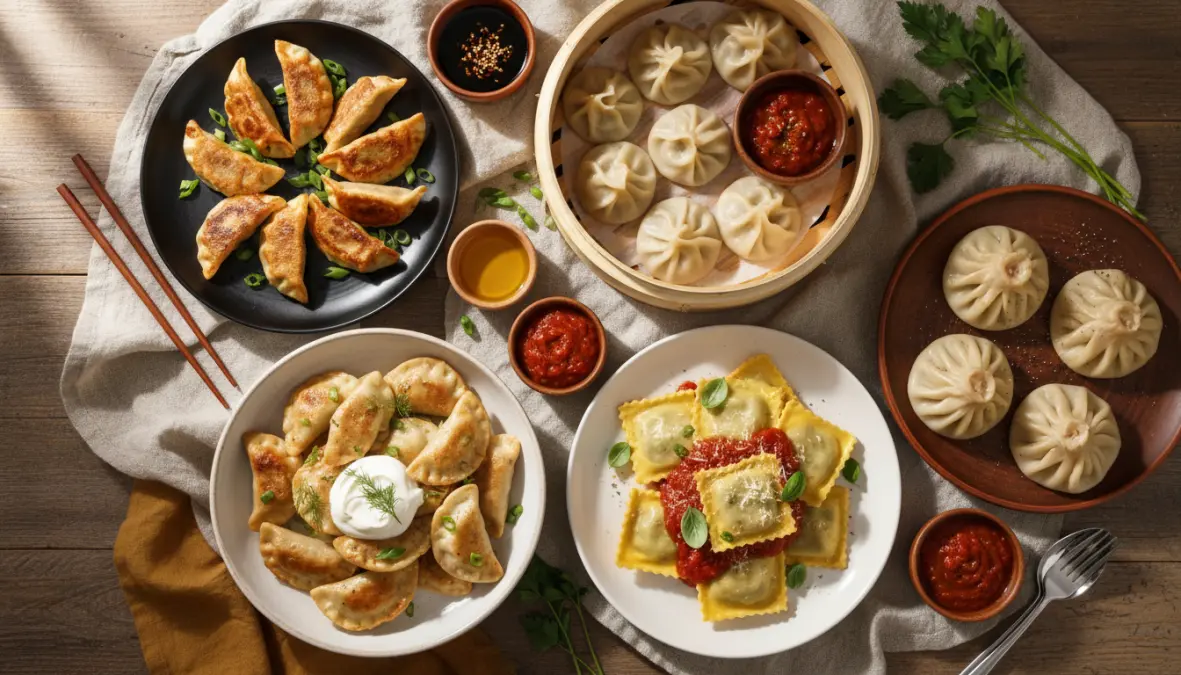
Asia’s dumpling landscape is remarkably diverse. Chinese jiaozi are the classic crescent-shaped dumplings, typically filled with pork and cabbage, boiled or pan-fried to golden perfection. Baozi are fluffy steamed buns with sweet or savory fillings, while xiaolongbao (soup dumplings) contain hot broth that bursts in your mouth—a Shanghai specialty requiring expert folding technique.
Japan’s gyoza descended from Chinese jiaozi but developed their own identity: thinner wrappers, garlic-forward filling, and the signature crispy bottom achieved through steam-frying. Korean mandu incorporate glass noodles and tofu alongside meat, often served in comforting soups. Tibetan and Nepalese momo feature thicker wrappers and are traditionally steamed, served with spicy tomato-based chutneys. Central Asian manti are larger, often topped with yogurt and sumac, showing how dumplings spread around the world and adapted to regional preferences. Each variation reflects international dumpling types shaped by geography, available ingredients, and centuries of culinary evolution.
European, Middle Eastern, and Beyond: Global Dumpling Interpretations
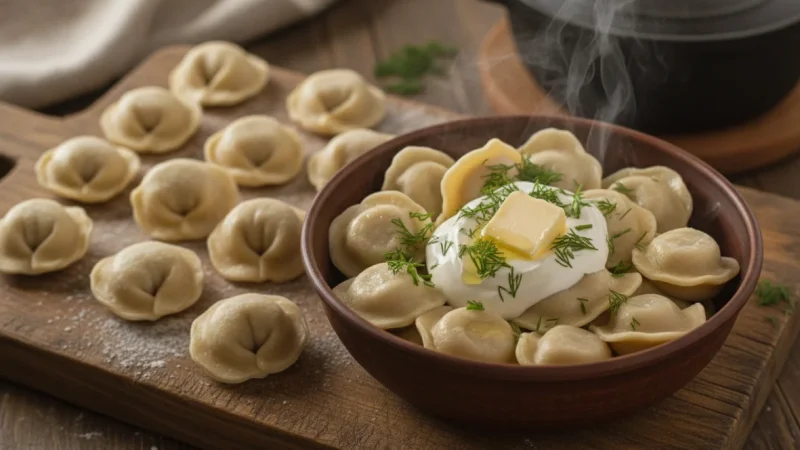
The question of what are the most popular dumplings worldwide inevitably leads to Europe. Polish pierogi are half-moon pockets filled with potatoes, cheese, mushrooms, or fruit, boiled then often pan-fried with onions. Russian pelmeni are smaller, meat-filled dumplings served in broth or with sour cream, while Ukrainian vareniki offer sweet options like cherry filling. Georgian khinkali are twisted at the top like little purses, filled with spiced meat and broth—eating them properly means holding the top knot and sipping the juice first.
Jewish kreplach appear in chicken soup during holidays, connecting the history of dumplings from China to Europe through diaspora and cultural exchange. Italian ravioli and tortellini show Mediterranean interpretations with pasta dough and ricotta or meat fillings. Latin American empanadas, though technically pastries, share the dumpling DNA—dough encasing savory or sweet fillings, baked or fried. These traditional dumpling recipes from different countries demonstrate humanity’s shared culinary instinct while celebrating regional uniqueness.
The Cultural Significance and Modern Evolution of Dumplings
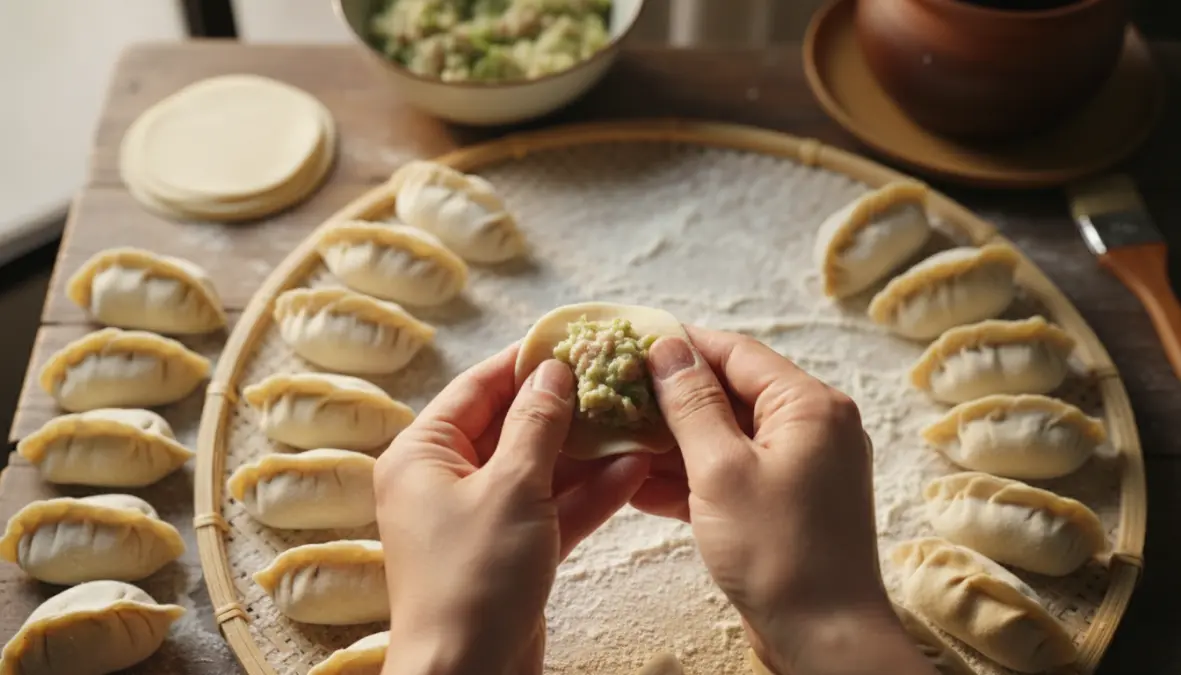
The cultural significance of dumplings in different countries extends far beyond mere sustenance. In Chinese tradition, eating dumplings on New Year’s Eve brings prosperity because their shape resembles ancient currency. The act of making dumplings together strengthens family bonds—multiple generations gathering to fold, crimp, and share stories. In Poland, pierogi appear at Christmas Eve dinner, each filling carrying symbolic meaning. Korean families prepare mandu for special occasions, the labor-intensive process becoming a meditation and celebration simultaneously.
These authentic dumpling traditions by region preserve cultural identity across generations and geography. Yet dumplings continue evolving. Modern fusion restaurants experiment with unexpected fillings—kimchi and cheese, Thai curry chicken, even dessert dumplings with chocolate and fruit. The global dumpling restaurant culture has exploded, from trendy dim sum brunches to pierogi food trucks. Social media showcases xiaolongbao soup explosions and perfectly pleated gyoza, turning traditional foods into viral sensations.
This evolution of dumplings across cultures doesn’t diminish their authenticity—it proves their enduring appeal. Whether handmade by grandmothers using recipes passed down through centuries or innovated by chefs pushing culinary boundaries, dumplings remain comfort food that connects us to both heritage and community.
Next time you bite into a dumpling—whatever variety calls to you—remember you’re tasting thousands of years of history, migration, and cultural exchange. These little packages carry big stories, and exploring dumpling traditions worldwide means discovering the delicious threads that connect humanity across continents and centuries. Why not start your own dumpling journey today? Whether you’re steaming momo, pan-frying gyoza, or boiling pierogi, you’re participating in one of the world’s most beloved culinary traditions.