Risotto alla Milanese: The Golden History of Italy’s Most Iconic Rice Dish
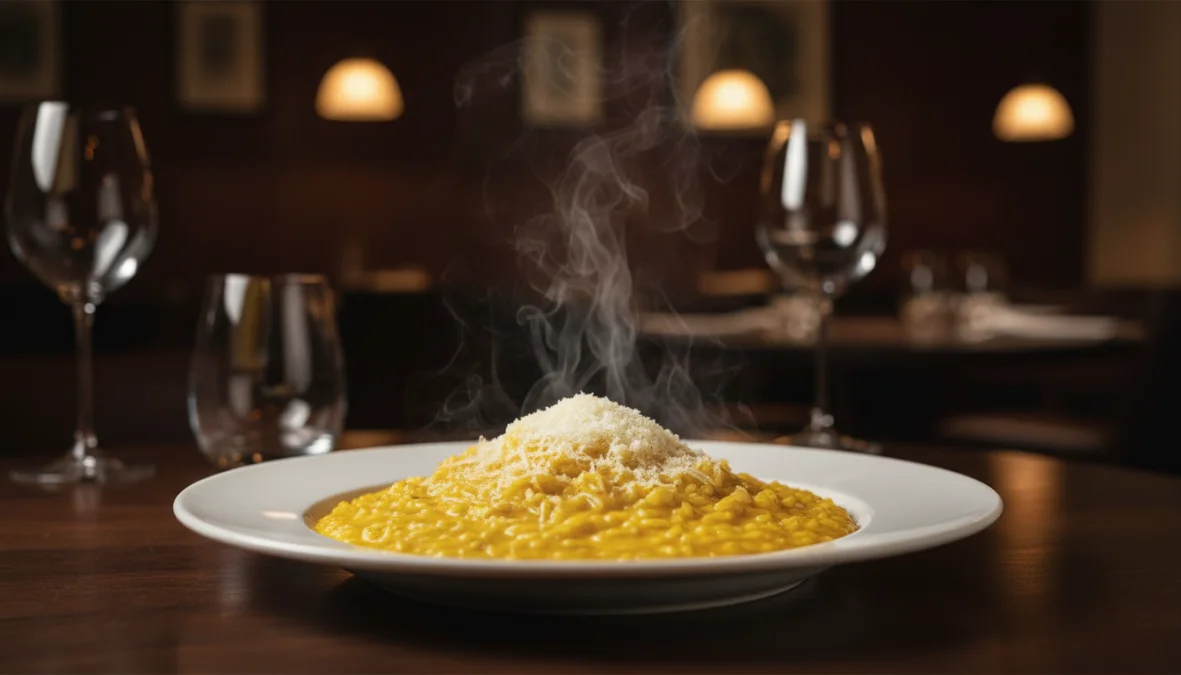
Picture this: a creamy, golden-yellow rice dish that shimmers on the plate like captured sunlight, perfuming the air with the heady aroma of saffron and rich broth. This is risotto alla milanese, a culinary masterpiece that has graced Milanese tables for centuries. But how did this humble rice dish become synonymous with Milan itself? The risotto milanese history is a fascinating tapestry woven from medieval legends, agricultural innovation, and the evolution of Lombardy rice dishes into symbols of regional identity.
The Origins of Risotto alla Milanese: Legend Meets History
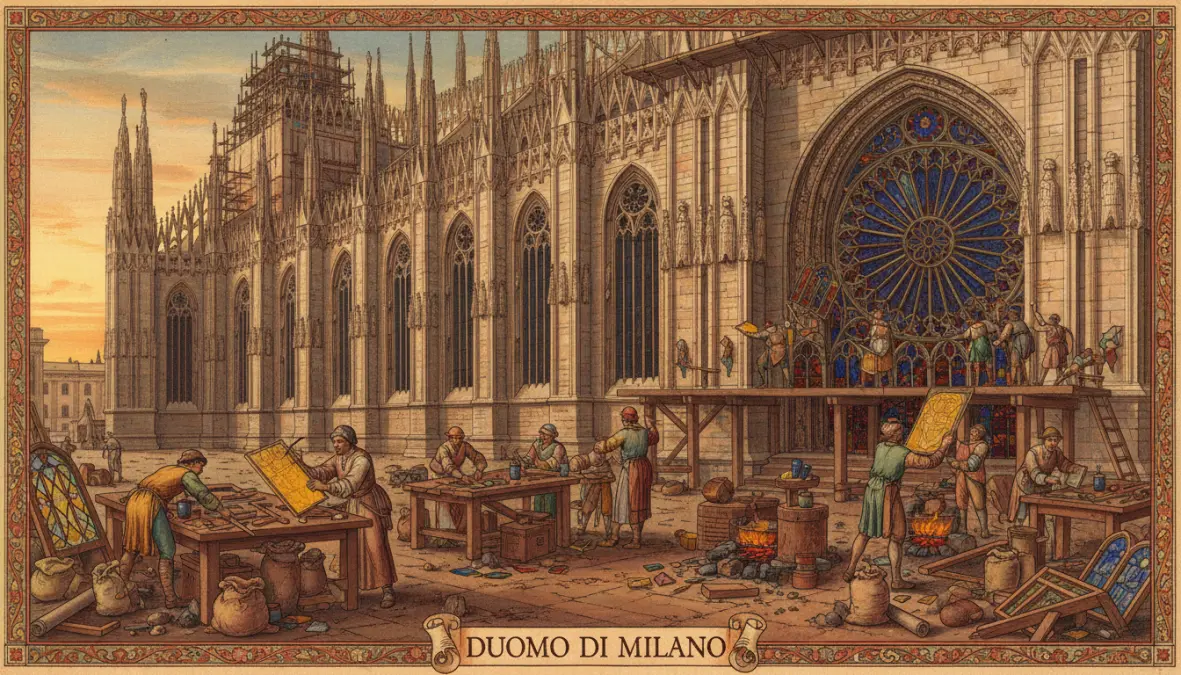
The risotto alla milanese origin story begins with one of Italy’s most enchanting culinary legends. According to popular folklore, the dish was born on September 8, 1574, during a wedding banquet celebrating the marriage of the daughter of master glassmaker Valerius of Flanders. The story goes that a young apprentice, nicknamed “Zafferano” (Saffron) for his habit of adding the precious spice to glass pigments for the Milan Duomo’s stained glass windows, decided to play a culinary prank. He secretly added saffron to the wedding risotto, transforming it into a radiant golden dish that became an instant sensation.
While this tale beautifully explains who invented risotto alla milanese, historians suggest the truth is more complex. The dish likely evolved gradually during the Renaissance period when Milan was flourishing under the Sforza family’s rule. The Sforzas were instrumental in promoting rice cultivation across the Pianura Padana, transforming wetlands into productive rice paddies. Italian rice cultivation had actually arrived earlier through Arab traders in Sicily and Spanish merchants, but it was in Lombardy that rice became a staple crop during the 15th and 16th centuries.
The Valerius Legend and the Duomo Connection
The Milan Duomo construction spanned nearly six centuries, and the Valerius legend connects this architectural marvel with culinary innovation. Whether or not the apprentice story is true, it reflects an important historical reality: saffron was indeed used in various aspects of medieval and Renaissance life, from medicine to art. The spice’s association with the Duomo—Milan’s most iconic monument—elevates risotto alla milanese from mere food to cultural symbol. The romantic narrative of a young artisan accidentally creating a masterpiece resonates with Milan’s identity as a city where art, craft, and innovation intersect.
Rice Cultivation in Medieval Lombardy
The practical foundation for traditional risotto milanese required extensive agricultural transformation. Cistercian monks played a crucial role in this process, engineering sophisticated irrigation systems that turned Lombardy’s marshy plains into fertile rice fields. By the late 1400s, rice cultivation had become so important that the Sforza dukes issued regulations governing its production. This agricultural revolution provided the essential ingredient that would make risotto possible, though the dish as we know it wouldn’t be codified until much later. The abundance of carnaroli rice and other Italian varieties created the perfect conditions for rice-based cuisine to flourish.
The Evolution of Traditional Risotto Milanese: From Peasant Food to Haute Cuisine
Understanding traditional risotto milanese recipe history means tracing its journey through social classes. Initially, rice dishes were peasant fare—inexpensive, filling, and practical. However, the addition of luxury ingredients like saffron, bone marrow, and aged cheese gradually elevated the dish to aristocratic tables. The transformation accelerated during the 18th and 19th centuries as Milanese cuisine developed its distinctive identity within milanese cuisine history.
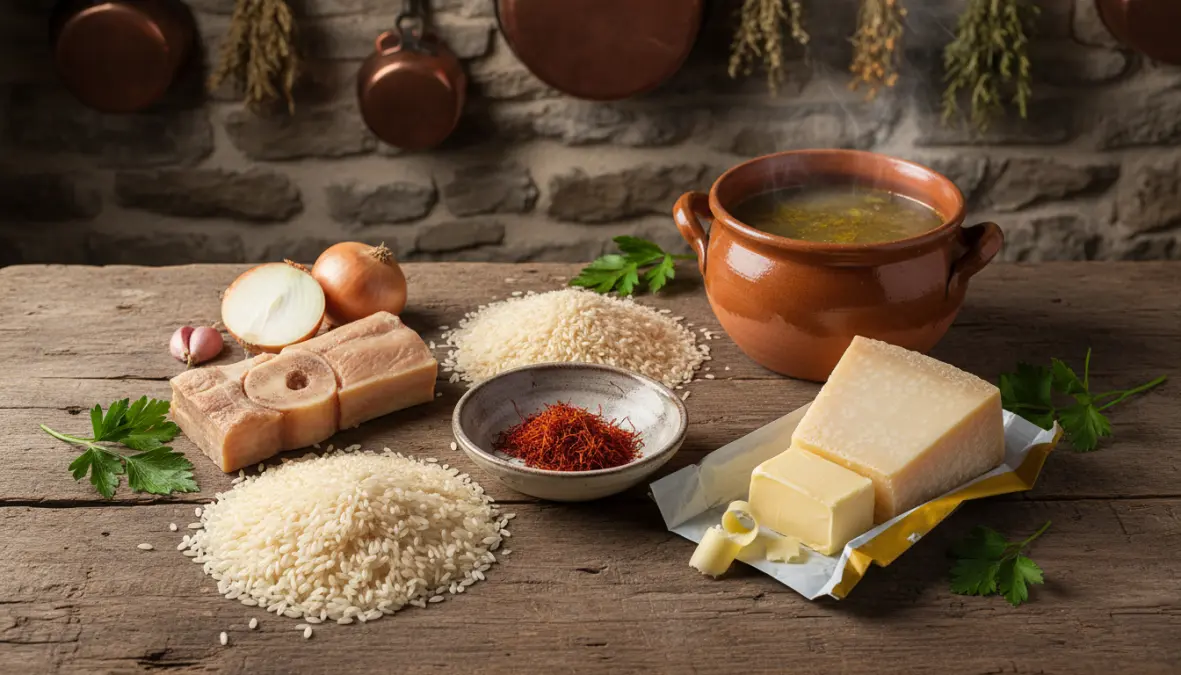
The legendary cookbook author Pellegrino Artusi mentions risotto in his seminal work “Science in the Kitchen and the Art of Eating Well,” though his version differs from today’s Milanese standard. The authentic recipe remains a subject of passionate debate among Milanese cooks. Purists insist on specific elements: a rich meat broth (preferably beef), generous amounts of butter and bone marrow risotto for creaminess, genuine saffron threads (never powder), and finishing with grana padano cheese or Parmigiano-Reggiano. The rice must be toasted properly, the broth added gradually, and the final texture should be all’onda—flowing like a wave when the pan is shaken.
The classic pairing with ossobuco (braised veal shanks) represents the pinnacle of Milanese dining. This combination showcases the sophistication of Lombardy rice dishes and demonstrates how risotto milanese became famous beyond regional borders. The golden rice provides the perfect canvas for ossobuco’s rich, savory flavors, creating a harmonious balance that has captivated food lovers for generations.
The Role of Saffron: From Luxury Spice to Essential Ingredient
To understand why is saffron used in risotto milanese, we must look at the Lombardy saffron trade during medieval times. Saffron arrived in Italy through multiple routes—from Spain via Aragonese merchants, from the Middle East through Venetian traders, and eventually from local cultivation in regions like Abruzzo. This extraordinarily expensive spice (requiring over 150 flowers to produce just one gram) was a status symbol, demonstrating wealth and sophistication. Its use in risotto transformed a simple rice dish into a luxury item worthy of noble banquets. The history of saffron in italian cuisine shows it wasn’t just about flavor—the vibrant color symbolized prosperity and celebration, making origins of yellow risotto milan inherently tied to special occasions and festive gatherings. The choice between saffron threads and powder continues to spark debate, with traditionalists insisting only pistilli (threads) provide the authentic flavor and aroma.
Risotto alla Milanese Today: Cultural Significance and Global Recognition
Today, risotto milanese history continues to shape Italian culinary identity. The dish holds official recognition as a PAT (Prodotto Agroalimentare Tradizionale), certifying its importance to Italian gastronomic heritage. For Milanese residents, this golden risotto represents more than just dinner—it’s comfort food that evokes home, tradition, and regional pride. Local trattorie and Michelin-starred restaurants alike feature it prominently, each claiming to preserve the most authentic version.
The global recognition of traditional risotto milanese has led to countless reinterpretations, from fusion versions incorporating exotic ingredients to modernist deconstructions. Yet Milanese cooks remain protective of their culinary treasure. Annual food festivals and sagre celebrate the dish, with contests judging who makes the most authentic version. Restaurants specializing in traditional milanese cuisine history draw tourists and locals alike, eager to taste this iconic dish prepared according to time-honored methods.
The key principles for respecting tradition include using proper Italian rice varieties like Carnaroli or Vialone Nano, maintaining the correct creamy consistency without being soupy, incorporating quality saffron for both color and flavor, and finishing with cold butter and aged cheese stirred vigorously to create the signature creaminess. The risotto giallo storia teaches us that great dishes aren’t just recipes—they’re living traditions that connect us to centuries of cultural heritage.
Whether enjoyed alongside ossobuco or savored on its own, risotto alla milanese remains a testament to how simple ingredients—rice, saffron, butter, and cheese—can create something extraordinary when prepared with skill and respect for tradition. This golden dish continues to shine as brightly on modern tables as it supposedly did at that legendary wedding feast centuries ago, proving that the best culinary stories blend myth, history, and delicious reality into something truly unforgettable.