Nowruz Haft Sin: The 7 Symbolic Dishes That Welcome Persian New Year
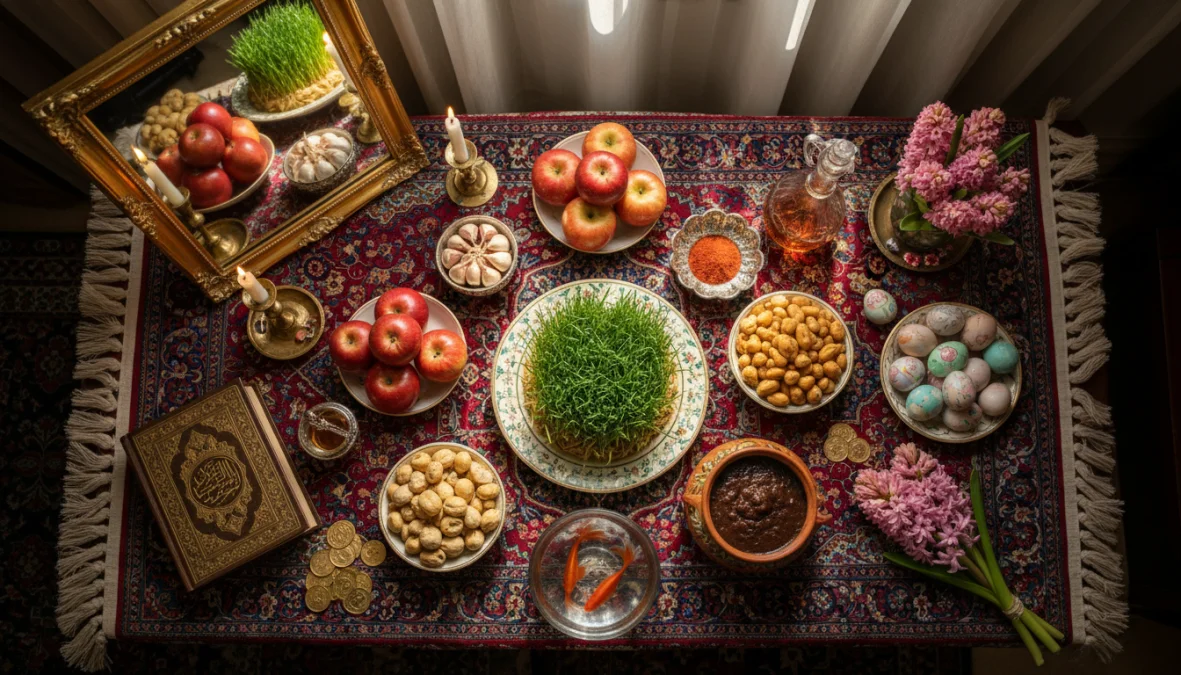
Picture this: it’s late March, and families across Iran and beyond are gathered around a stunning table filled with symbolic items, all beginning with the letter ‘S’ in Farsi. This isn’t just decoration—it’s the nowruz haft sin, the visual and spiritual centerpiece of Persian New Year celebrations. For over 3,000 years, this tradition has marked the spring equinox with hope, renewal, and blessings for the year ahead. Whether you’re discovering this beautiful custom for the first time or looking to honor your iranian heritage, understanding the haft sin table opens a window into one of the world’s most enduring cultural celebrations.
What is Haft Sin and Why It Matters for Nowruz
The term “Haft Sin” literally translates to “Seven S’s” in Persian, referring to the seven items starting with the letter ‘S’ (سین in Farsi) that form the foundation of this ceremonial table. The haft sin table serves as the focal point of nowruz traditions, symbolizing the renewal of nature and the triumph of light over darkness that accompanies the persian new year.
Rooted in zoroastrian traditions dating back millennia, the Haft Sin reflects ancient Persian beliefs about the harmony between humanity and nature. Each element represents a wish for the coming year—from health and prosperity to love and wisdom. This practice predates Islam’s arrival in Persia, making it one of the oldest continuously practiced secular traditions in the world.
Families typically begin setting up their haft seen table about two weeks before the spring equinox (usually March 20-21), giving enough time to grow fresh sprouts and prepare special items. The table remains in place for thirteen days, staying up through the entire nowruz celebration period until Sizdah Bedar, when families venture outdoors to conclude the festivities. During this time, the table becomes a gathering place for family members to reflect, make wishes, and welcome the new year together—a powerful reminder of continuity in persian culture.
The Seven S Items: Symbolic Meaning and Haft Sin Table Setup
Understanding what are the 7 items on haft sin table and their deeper meanings is essential to appreciating this tradition. Each of the seven s items carries specific symbolism that connects the physical world to spiritual aspirations:
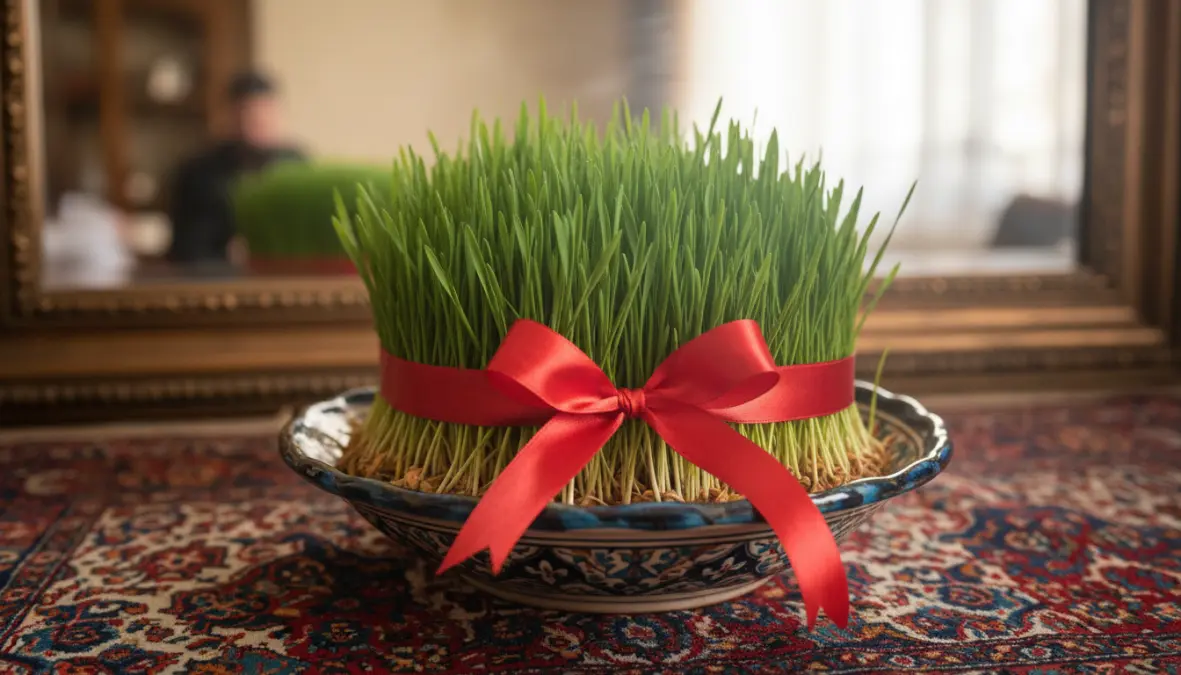
- Sabzeh (سبزه) – Wheat, barley, or lentil sprouts grown in a dish, representing rebirth and renewal of nature
- Samanu (سمنو) – A sweet pudding made from wheat germ, symbolizing affluence and the sweetness of life
- Senjed (سنجد) – Dried oleaster fruit, representing love and affection
- Sir (سیر) – Garlic, symbolizing health and medicine
- Sib (سیب) – Red apples, representing beauty and health
- Somaq (سماق) – Sumac berries, symbolizing the sunrise and the victory of good over evil
- Serkeh (سرکه) – Vinegar, representing age, patience, and wisdom
The haft sin table symbolism explained extends beyond these core seven items. Most families add supplementary elements that enhance the table’s meaning and beauty. A mirror reflects images and symbolizes reflection and self-awareness. Candles represent enlightenment and happiness (traditionally one for each child). Decorated eggs symbolize fertility and new life. A goldfish bowl represents life and movement within the universe. Coins signify prosperity and wealth. Hyacinth flowers (sonbol) bring a sweet fragrance and mark spring’s arrival. Many families also place a holy book—whether the Quran, Bible, Torah, or poetry of Hafez—representing wisdom and spiritual guidance.
When considering how to set up haft sin table for nowruz, there’s no single correct arrangement. While respecting the symbolism, families exercise creative freedom in their presentation. Some use ornate cloths and elaborate displays, while others prefer minimalist arrangements. The key is ensuring all seven S items are visible and accessible, typically arranged on a decorative cloth spread on a table or floor. The mirror usually sits in the back center, with candles placed on either side. The sabzeh wheat grass often serves as a centerpiece, with other items arranged around it. The goldfish bowl, if included, needs a stable position to prevent spills during the excitement of the new year moment.
How to Prepare Your Own Haft Seen Table
Creating your own Haft Sin is easier than you might think, even outside Iran. The traditional haft sin items list includes mostly accessible ingredients. For the crucial sabzeh, start growing wheat, lentil, or mung bean sprouts 10-14 days before Nowruz. Simply place seeds on a damp cloth or shallow dish with wet cotton, keep moist daily, and place in indirect sunlight. Within a week, you’ll have vibrant green sprouts. Tie them with a colorful ribbon for a festive touch.
Samanu sweet pudding requires more effort—it’s made by slowly cooking wheat sprouts until they transform into a dark, sweet paste through enzymatic action. Persian grocery stores often sell ready-made samanu during Nowruz season. For senjed dried fruit, check Middle Eastern markets or online specialty shops. The remaining items—garlic, apples, sumac, and vinegar—are available in most supermarkets. Sumac, a tangy red spice common in Persian cuisine, can be found in the spice section or Mediterranean food aisles.
For decoration, choose a beautiful cloth as your base—traditional Persian patterns are ideal but not mandatory. Visit local florists for hyacinths (they bloom perfectly around spring equinox). Paint hard-boiled eggs in vibrant colors, or use decorative wooden eggs. Place everything on your table a few days before the equinox, arranging items thoughtfully. Take photos to document your creation, and don’t worry about perfection—the intention and love behind your preparation matter most in honoring this ancient tradition.
Nowruz Traditions Beyond the Haft Sin
While the nowruz haft sin table is the visual heart of persian spring festival celebrations, it’s part of a rich tapestry of customs that span several weeks. The festivities actually begin on the last Wednesday before Nowruz with Chaharshanbe Suri, the Festival of Fire. Families gather at sunset to jump over bonfires while chanting “Give me your beautiful red color and take back my sickly pallor,” symbolically releasing the past year’s difficulties and embracing renewal.
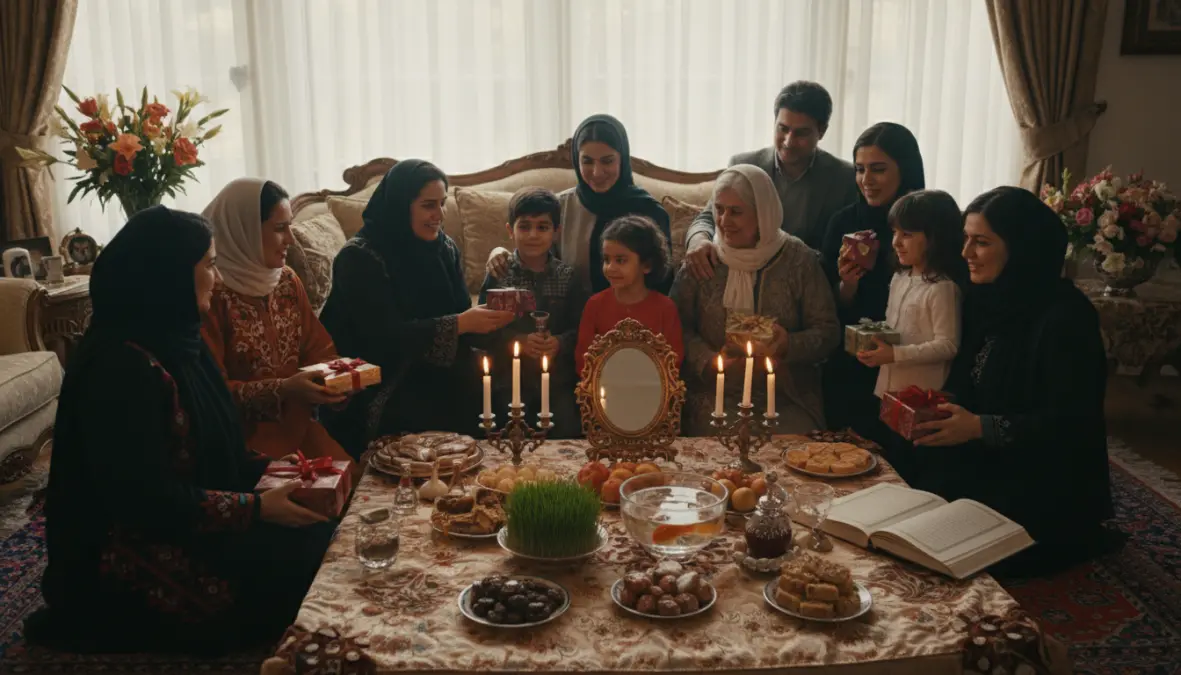
On Nowruz day itself, the exact moment of the spring equinox (called Tahvil) is highly anticipated. Families gather around their Haft Sin table, dressed in new clothes, waiting for this precise astronomical moment when spring officially begins. When it arrives, family members embrace, exchange gifts, and wish each other a happy new year. Elders typically give younger family members crisp new bills as gifts.
The following days involve “did o bazdid”—visits between family members, friends, and neighbors, with the younger visiting the elder first. Traditional foods play a crucial role: sabzi polo mahi (herbed rice with fish), kuku sabzi (herb frittata), and reshteh polo (noodle rice) are commonly served. On the thirteenth day, Sizdah Bedar, families pack picnics and spend the entire day outdoors, believing that staying home on this day brings bad luck. They take their sabzeh from the Haft Sin table and release it into running water, symbolically returning the growing sprouts—which have absorbed the household’s negativity—back to nature. These nowruz traditions collectively create a celebration that honors both iranian heritage and the universal human connection to nature’s cycles.
FAQ
What does each Haft Sin item represent?
Each item carries specific symbolism: sabzeh (rebirth), samanu (affluence), senjed (love), sir (health), sib (beauty), somaq (sunrise/good over evil), and serkeh (patience/wisdom). Together, these seven s items represent comprehensive wishes for prosperity, health, love, and spiritual growth in the coming year, creating a holistic blessing for families.
Can I add items not starting with S?
Absolutely! While the seven S items are essential, most families add supplementary elements like mirrors, candles, eggs, goldfish, coins, hyacinths, and holy books. These additions enhance the table’s beauty and meaning. The haft sin table is both a preserved tradition and a personal expression, allowing families to incorporate elements meaningful to their specific beliefs and circumstances.
How long does the Haft Sin table stay up?
The haft seen table remains displayed for thirteen days, from setup (usually a week or two before the equinox) through Sizdah Bedar on the thirteenth day of the new year. On this day, families take the sabzeh outdoors and release it into running water, symbolically completing the nowruz celebration cycle and preparing to return to regular life.
Is Haft Sin only Iranian or celebrated in other countries?
While rooted in persian culture, Nowruz and the Haft Sin tradition are celebrated across a wide geographic area including Afghanistan, Tajikistan, Uzbekistan, Kurdistan, Azerbaijan, and parts of Turkey, Iraq, and Pakistan. Each region adds its own cultural variations while maintaining the core symbolism, making it a shared heritage that transcends modern borders and connects millions of people.
As the spring equinox approaches each year, the ritual of preparing a Haft Sin table continues to connect generations, preserve ancient wisdom, and celebrate renewal. Whether you’re honoring your heritage or embracing a new cultural tradition, setting up your own Haft Sin table invites you into a 3,000-year-old conversation about hope, nature, and new beginnings. This Nowruz, consider creating your own table—no matter how simple—and experience firsthand why this beautiful tradition has endured through millennia. Nowruz Mobarak!
