Vatapá: The Sacred Afro-Brazilian Bahian Stew With Deep Candomblé Roots
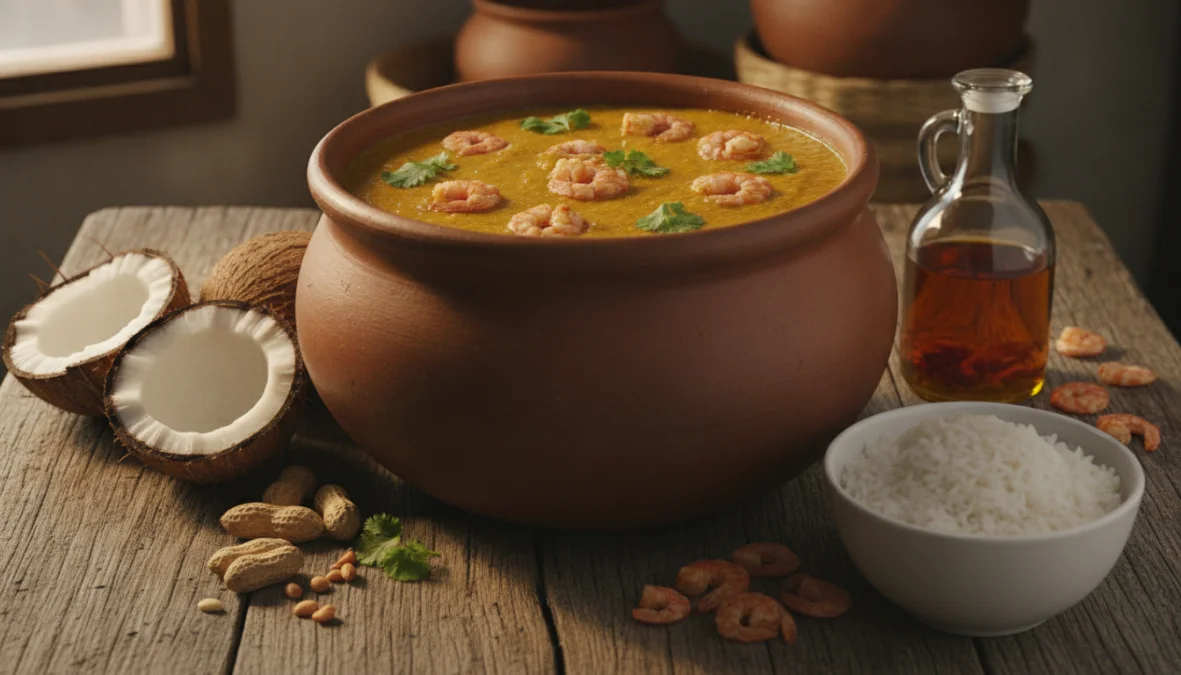
Picture this: a creamy, golden-orange stew with the aroma of roasted peanuts, coconut, and a hint of the sea. It’s comfort food that carries centuries of history in every spoonful, a dish that feeds both body and soul. This is vatapá, one of Bahia’s most treasured culinary gifts to the world. Beyond its irresistible flavor lies a profound spiritual dimension that connects modern Brazilian kitchens to ancient Yoruba traditions and the sacred practices of Candomblé. Understanding the vatapa bahian tradition means diving into a beautiful fusion of African resilience, Indigenous wisdom, and Portuguese influence—all simmering together in one sacred pot.
What is Vatapá? Understanding Brazil’s Sacred Bahian Stew
Vatapá (pronounced vah-tah-PAH) is much more than just another entry in the catalog of afro-brazilian cuisine. This thick, creamy stew from Salvador Bahia represents the soul of the region itself. The foundation of any authentic bahian stew recipe includes soaked bread or manioc flour as a thickening agent, dendê palm oil for that distinctive orange hue and nutty flavor, coconut milk for creaminess, ground peanuts or cashews, dried shrimp, and a blend of onions, tomatoes, ginger, and cilantro.
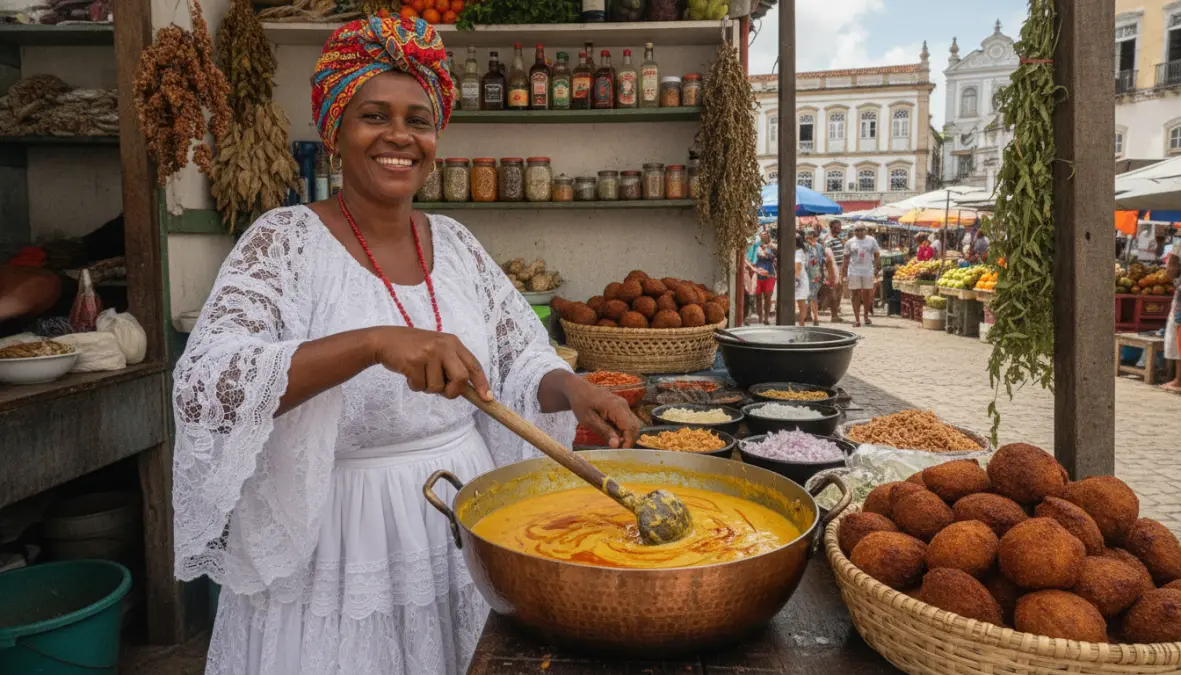
What makes vatapá truly unique is its dual identity. Walk through the streets of Salvador and you’ll find it as popular street food, typically served as a filling for acarajé (black-eyed pea fritters) alongside caruru (okra stew). But step into a terreiro—a sacred Candomblé temple—and you’ll discover vatapá in its most reverent form: as an offering to the orixás, the divine spirits of this Afro-Brazilian religion. This duality mirrors the experience of feijoada, Brazil’s black bean stew, which similarly carries both everyday and deeply cultural significance.
The etymology of “vatapá” itself traces back to African linguistic roots, though the exact origin remains debated among scholars. What’s undeniable is how the salvador bahia traditions have preserved this dish across generations, keeping alive the connection between culinary practice and spiritual devotion.
The Sacred Connection: Vatapá in Candomblé and Orixá Offerings
To truly appreciate the vatapa bahian tradition, you must understand its role in candomblé offerings. Candomblé emerged when enslaved Africans, primarily from Yoruba and Dahomey (modern-day Nigeria and Benin), preserved their spiritual practices under the oppressive conditions of colonial Brazil. Through creative syncretism, they maintained their devotion to the orixás while superficially adopting Catholic saints.
Among the orixá food offerings, vatapá holds special significance for Iansã (also known as Oyá), the fierce female orixá of winds, storms, and transformation. Iansã is associated with the marketplace, which explains why vatapá—often sold by Bahian women in traditional dress—carries her energy. The preparation of vatapá as a sacred offering differs from everyday versions: it’s made with specific prayers, prepared with ritual cleanliness, and often excludes certain ingredients or includes variations depending on which orixá will receive it.
The sacred foods in Candomblé rituals are never random; each ingredient carries symbolic weight. The coconut milk represents Oxalá’s purity, the dendê oil embodies Exu’s vitality and communication, and the shrimp connect to Yemanjá’s oceanic domain. Understanding brazilian religious food traditions reveals how African spiritual philosophy survived through culinary preservation—similar to how sacred breads carry religious meaning across European cultures.
The African Heritage and Cultural Fusion
The yoruba heritage in vatapá runs deep. African cooks adapted recipes they remembered from home, substituting available Brazilian ingredients for those they’d left behind. Dendê oil, harvested from African oil palms that were cultivated in Brazil, became the flavor backbone. Indigenous Brazilians contributed manioc and local peppers, while Portuguese colonizers introduced bread and certain cooking techniques.
This fusion represents resilience and creativity under brutal circumstances. Enslaved Africans couldn’t recreate their homeland dishes exactly, but they preserved the essence—the cooking methods, the communal preparation, the spiritual significance. The vatapá connection to yoruba culture demonstrates how food becomes a vessel for memory and resistance, transforming ingredients into living history.
Traditional Vatapá Recipe and the Essential Role of Dendê Palm Oil
Learning how to make authentic bahian vatapá requires patience and respect for tradition. The traditional vatapá recipe with dendê oil begins with soaking stale bread in coconut milk, then blending it with roasted peanuts or cashews, dried shrimp, onions, garlic, and ginger. This mixture is cooked slowly in dendê palm oil, which is absolutely non-negotiable for authenticity.
Here’s the essential process: Heat dendê oil in a large pot, sauté chopped onions, garlic, and ginger until fragrant. Add tomatoes and cook until they break down. Blend soaked bread with coconut milk, ground nuts, and rehydrated dried shrimp (reserving some whole shrimp for texture). Add this creamy mixture to the pot, stirring constantly to prevent sticking. The consistency should be thick but pourable, like a creamy porridge. Season with salt, pepper, and malagueta peppers for heat. Cook on low heat for at least 30 minutes, stirring frequently.
The shrimp paste cuisine element is crucial—dried shrimp provide that distinctive umami depth that defines authentic vatapá. The coconut milk stew aspect creates the luxurious texture that makes this dish so comforting. Vatapá is traditionally served over white rice or as a filling for acarajé, often accompanied by pepper sauce and caruru. The difference between vatapá and caruru is significant: while both are afro-brazilian cuisine staples, caruru features okra as the main ingredient and has a distinct mucilaginous texture.
Finding ingredients outside Brazil can be challenging, but specialty Latin American or African markets often carry dendê oil, dried shrimp, and malagueta peppers. No substitutions truly replicate dendê’s unique flavor, though some cooks use a mix of palm oil and annatto for color—though purists would disapprove!
FAQ: Common Questions About Vatapá and Bahian Traditions
Is vatapá always vegetarian for religious offerings?
Not necessarily. While some candomblé offerings require vegetarian versions depending on the specific orixá being honored (Oxalá, for example, receives only white foods without dendê), vatapá for Iansã typically includes shrimp and sometimes fish. The candomblé sacred dishes and their meanings vary according to each orixá’s preferences and prohibitions, making it essential to understand the specific spiritual context.
What makes dendê oil essential to authentic vatapá?
Dendê oil isn’t just an ingredient—it’s the soul of the dish. This bright orange-red palm oil carries a distinctive nutty, earthy flavor that defines vatapa bahian tradition. Beyond taste, dendê holds spiritual significance in Candomblé, representing axé (vital life force). The afro-brazilian religious food traditions consider dendê sacred to certain orixás, particularly Exu, making it irreplaceable in ceremonial preparations.
Can you find vatapá outside of Bahia?
While vatapá is most authentic in salvador bahia traditions, you’ll find it throughout Brazil wherever Bahian communities have settled. Major cities like São Paulo and Rio de Janeiro have excellent Bahian restaurants. Internationally, Brazilian communities in places like Portugal, Japan, and the United States serve vatapá, though quality varies significantly depending on ingredient availability and the cook’s connection to tradition.
What’s the difference between vatapá and other Bahian dishes like moqueca?
Vatapá is a thick, bread-thickened stew with ground nuts and shrimp, while moqueca is a lighter fish or seafood stew without bread or nut paste. Both use coconut milk and dendê oil, reflecting their shared bahian cuisine african influences, but their textures and primary ingredients differ significantly. Caruru, another related dish, features okra as the star ingredient with a distinctive slippery texture, while vatapá’s creaminess comes from bread and nuts.
The vatapa bahian tradition reminds us that food is never just sustenance—it’s memory, resistance, spirituality, and identity simmered together. Whether you encounter it as street food wrapped in an acarajé or prepared with prayers in a terreiro, vatapá carries the resilience of African ancestors who transformed suffering into something beautiful and nourishing. Like other sacred food traditions around the world—from rice in Asian cultures to Moroccan tagines—vatapá proves that the most profound cultural expressions often happen in the kitchen, one carefully stirred pot at a time.