The Art of Neapolitan Pizza: UNESCO Heritage and Sacred Dough Techniques
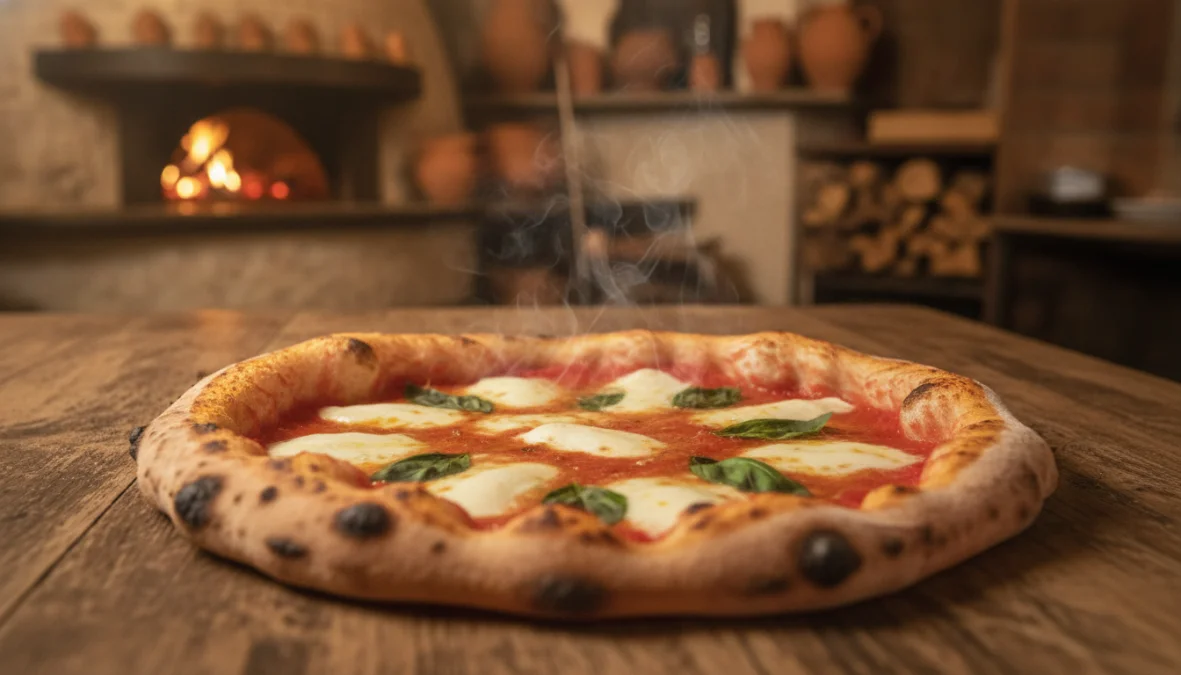
When you bite into a perfectly charred, bubbling Neapolitan pizza fresh from a wood-fired oven, you’re not just eating dinner—you’re participating in a living tradition that stretches back centuries. The neapolitan pizza tradition isn’t just about flour, water, and tomatoes; it’s a cultural phenomenon so significant that UNESCO recognized it as part of humanity’s intangible heritage. This isn’t hyperbole or marketing fluff. It’s a testament to how a simple flatbread became a ritual, an art form, and a symbol of identity for an entire city. Much like sacred bread traditions around the world, Neapolitan pizza carries deep cultural meaning that transcends mere sustenance.
Neapolitan Pizza UNESCO Recognition: Why This Tradition Matters
In December 2017, the Neapolitan pizza UNESCO designation officially recognized “The Art of Neapolitan Pizzaiuolo” (L’Arte del Pizzaiuolo Napoletano) as an intangible cultural heritage of humanity. This wasn’t simply about acknowledging a delicious food product—it was about preserving an entire ecosystem of knowledge, gestures, and social practices that define Naples pizza heritage.
What exactly did UNESCO recognize? The committee highlighted the ritualistic aspects of pizza-making: the specific hand movements passed down through generations, the oral traditions shared between master pizzaiuoli and apprentices, and most importantly, the convivial social dimension. Pizza-making in Naples is performance art, taking place in open kitchens where the pizzaiuolo becomes the centerpiece of community gathering. This recognition acknowledges that the Neapolitan pizza history represents more than culinary technique—it’s about human connection.
The impact has been profound. This UNESCO designation has galvanized efforts to preserve authentic techniques against the tide of commercialization and mass production. It’s provided legitimacy to certification bodies like the Associazione Verace Pizza Napoletana (AVPN) and encouraged younger generations in Naples to embrace this heritage profession. Similar to how Lithuanian rye bread traditions have been preserved through cultural recognition, the UNESCO status has become a shield protecting the neapolitan pizza tradition from dilution and misrepresentation.
The Sacred Techniques Behind Authentic Neapolitan Pizza
Making authentic Neapolitan pizza isn’t just following a recipe—it’s adhering to a strict codex of techniques that define what makes traditional pizza napoletana legitimate. The Associazione Verace Pizza Napoletana, founded in 1984, established precise rules that govern every aspect of production, and obtaining Neapolitan pizza certification requires mastering these sacred techniques.
Understanding how to make authentic Neapolitan pizza dough starts with the ingredients: only type 00 or type 0 wheat flour (like Caputo flour, the gold standard), natural Neapolitan yeast or brewer’s yeast, water, and sea salt. No oils, no sugars, no shortcuts. The Neapolitan pizza dough fermentation process requires patience—dough must rise for 8 to 24 hours at room temperature, developing the characteristic flavor and texture that makes Neapolitan pizza unmistakable.
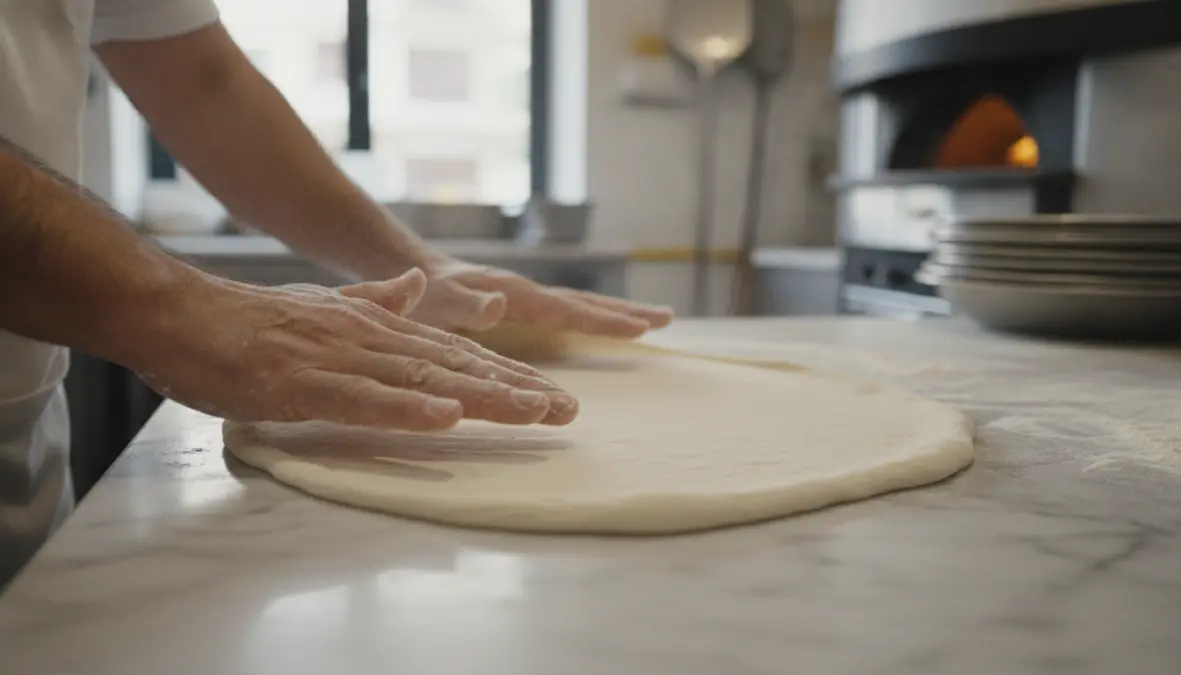
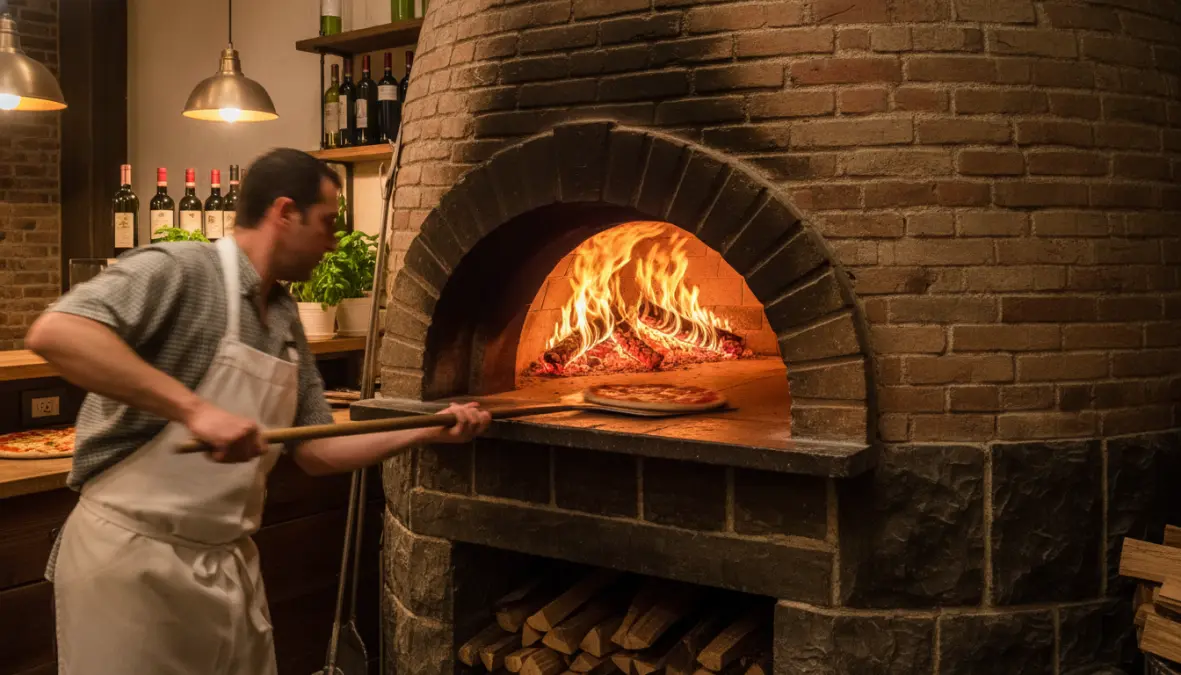
The pizza dough techniques involve specific hand movements. The dough is never rolled with a pin; instead, it’s shaped using a technique called “lo schiaffo” (the slap), where the pizzaiuolo uses fingertips to press from the center outward, leaving a slightly thicker cornicione (crust edge). The pizza peel technique requires swift, confident movements to transfer the dressed pizza into the scorching wood-fired oven, which must reach between 430-480°C (806-896°F).
When discussing authentic Neapolitan pizza ingredients and method, only two pizzas are officially recognized: the Pizza Margherita (tomato, mozzarella di bufala or fior di latte, basil, extra virgin olive oil) and the Pizza Marinara (tomato, garlic, oregano, extra virgin olive oil). The tomatoes must be San Marzano tomatoes or similar varieties grown in volcanic soil. These aren’t arbitrary rules—they’re the result of centuries of refinement.
Understanding what makes Neapolitan pizza traditional also means knowing the cooking time: 60 to 90 seconds in that blistering oven. This brief exposure creates the characteristic leopard-spotting on the crust, a slightly charred exterior with a soft, tender interior. The wood fired Neapolitan pizza making techniques create a unique flavor profile impossible to replicate in conventional ovens. The high heat and wood smoke infuse the pizza with complexity that gas or electric ovens simply cannot achieve.
The pizza napoletana STG (Specialità Tradizionale Garantita) designation provides additional European Union protection, ensuring that pizzas labeled “Pizza Napoletana” meet these exacting standards. It’s a parallel system to the AVPN certification, creating multiple layers of quality assurance for consumers seeking the real thing.
FAQ: Understanding the Neapolitan Pizza Tradition
What makes Neapolitan pizza different from other pizzas?
Neapolitan pizza is characterized by its specific dough preparation (high hydration, long fermentation), hand-stretching technique, limited approved toppings, and cooking method (wood-fired oven at extremely high temperature for 60-90 seconds). The result is a soft, pliable pizza with a puffy, slightly charred crust that you typically eat with a fork and knife, unlike the crispy, foldable slices of New York-style pizza.
How can I identify authentic Neapolitan pizza?
Look for the telltale signs: a soft, elastic crust with characteristic “leopard spots” (dark char marks), a slightly wet center (this is intentional, not undercooked), a puffy cornicione, and minimal toppings. Authentic places will display AVPN certification, use a wood-fired oven visible to customers, and typically serve only Margherita and Marinara variations alongside a few other traditional options.
What is AVPN certification?
The Associazione Verace Pizza Napoletana is a non-profit organization that certifies pizzerias worldwide adhering to traditional Neapolitan standards. Certification requires using specific ingredients, following prescribed techniques, and maintaining strict quality controls. AVPN-certified pizzerias can display the official seal, assuring customers they’re getting genuinely traditional pizza napoletana.
Can Neapolitan pizza be made outside Naples?
Absolutely. The UNESCO recognition Neapolitan pizza making celebrates the technique and tradition, which can be learned and practiced anywhere. Hundreds of AVPN-certified pizzerias operate worldwide, from Tokyo to São Paulo. However, purists argue that the water, climate, and intangible atmosphere of Naples contribute something irreplicable—much like how traditional foods carry the essence of their homeland.
Why is the dough technique so important?
The dough is the foundation of everything. Proper pizza dough techniques—from fermentation time to hand-stretching methods—determine the pizza’s texture, digestibility, and flavor. A well-made Neapolitan dough should be light, airy, and easy to digest despite its size. The technique ensures consistency and honors the accumulated wisdom of generations of pizzaiuoli who perfected these methods through trial and error.
The neapolitan pizza tradition reminds us that some things resist the relentless march toward standardization and efficiency. In a world of fast food and factory production, this centuries-old craft persists because communities value it enough to protect it. Whether you’re in Naples or halfway around the world at an AVPN-certified pizzeria, each authentic Neapolitan pizza connects you to this unbroken chain of tradition. Perhaps it’s time to seek out that connection yourself—your taste buds and your appreciation for cultural heritage will thank you.