Couscous: The North African Grain That Became UNESCO Heritage
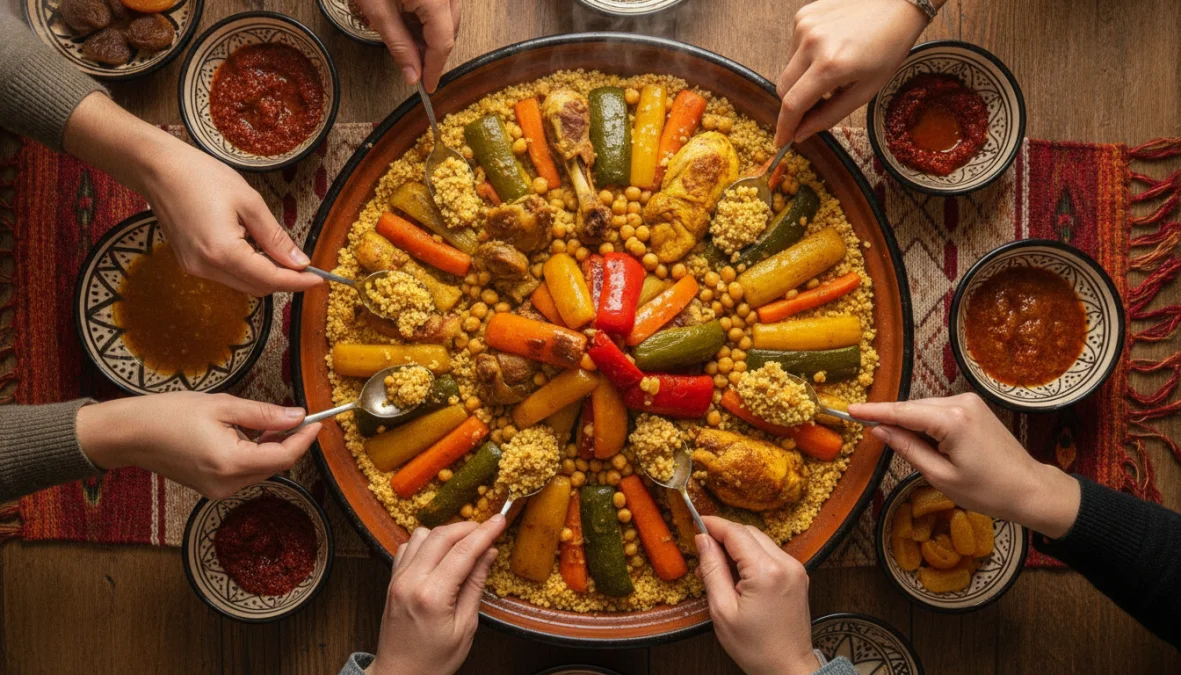
There’s something magical about a steaming plate of couscous north african tradition bringing together family and friends around a shared table. This tiny grain, no bigger than a peppercorn, carries centuries of history, cultural identity, and the warmth of communal dining rituals that have shaped the Maghreb region for generations. When UNESCO recognized couscous as intangible cultural heritage, it wasn’t just celebrating a dish—it was honoring an entire way of life that continues to unite communities across North Africa and beyond.
The Ancient Origins of Couscous in North African Tradition
The story of couscous north african tradition begins with the Berbers, the indigenous people of North Africa who have been hand-rolling semolina grains for over a thousand years. Archaeological evidence suggests that couscous preparation dates back to at least the 9th century, though many historians believe its origins stretch even further into antiquity. The berber food culture developed this ingenious method of transforming durum wheat semolina into tiny, perfectly steamed pearls long before it became a staple across the maghreb culinary traditions.
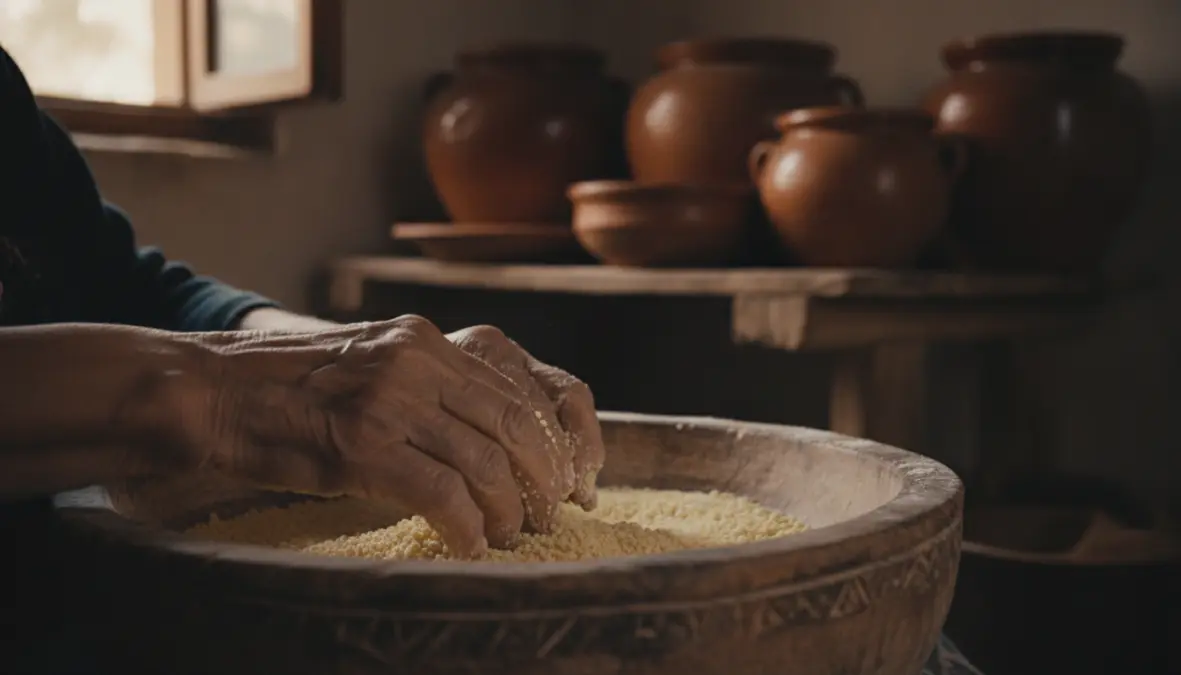
In berber traditions, the preparation of couscous was—and still is—a communal affair, typically performed by women who gather to hand-roll the semolina with water and flour. This labor-intensive process, known as traditional couscous preparation methods, involves a rhythmic hand motion that’s passed down through generations, much like the indigenous knowledge systems that preserve culinary heritage in other cultures. The technique requires patience, skill, and a deep understanding of texture and moisture—knowledge that mothers teach their daughters in kitchens across Morocco, Algeria, Tunisia, and Libya.
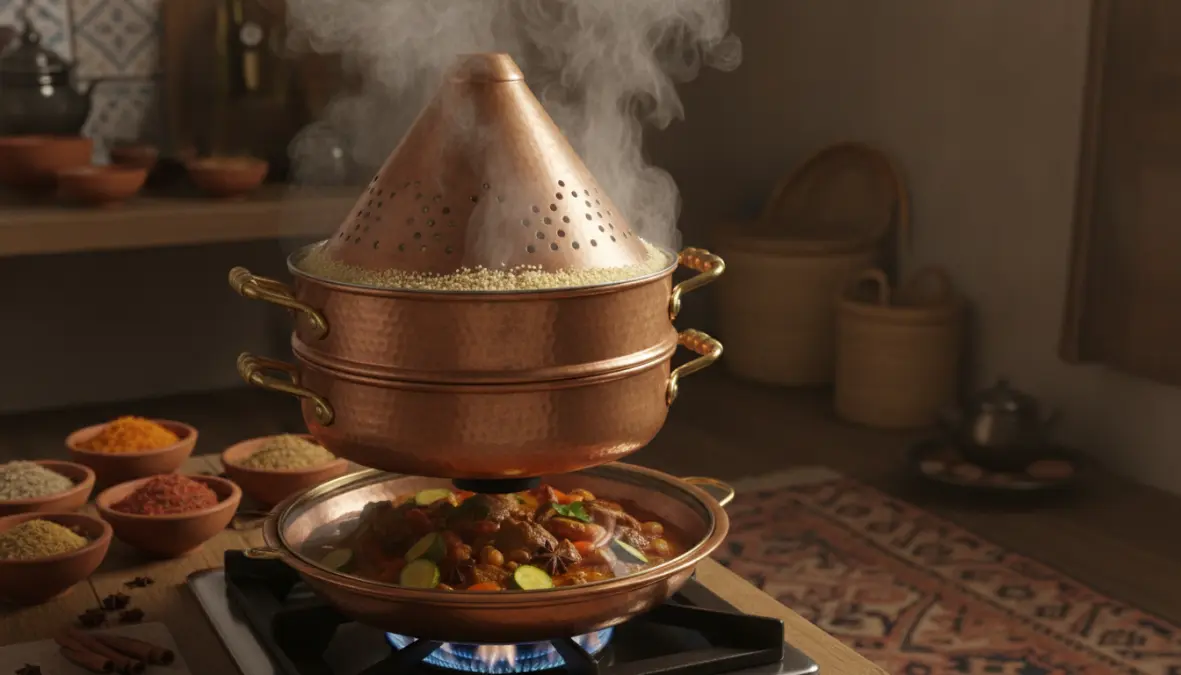
The social significance of couscous extends far beyond mere sustenance. Friday couscous has become a sacred tradition in many North African households, where families gather after midday prayers to share this beloved dish. The act of steaming couscous in a traditional couscoussier—a specialized double-boiler pot—fills homes with aromatic steam, signaling hospitality and togetherness. This cultural importance mirrors the way other traditional foods serve as cultural anchors, similar to staple dishes that define entire regions.
Why Couscous Earned UNESCO Heritage Status
In December 2020, couscous UNESCO heritage status was officially recognized when Algeria, Mauritania, Morocco, and Tunisia jointly submitted a successful bid to UNESCO. This marked a rare moment of cultural unity, as these nations came together to celebrate their shared culinary heritage. But why is couscous UNESCO heritage worthy? The answer lies in its profound couscous cultural significance as more than just food—it’s a living tradition that embodies identity, knowledge transmission, and social cohesion.
UNESCO’s recognition specifically highlighted the “knowledge, know-how and practices related to the production and consumption of couscous.” The organization noted how couscous preparation involves intergenerational transmission of skills, with older generations teaching younger family members the precise techniques of rolling, drying, and steaming. These maghreb culinary traditions represent exactly what intangible cultural heritage aims to protect: practices that give communities a sense of identity and continuity.
The couscous cultural importance north africa extends to its role in major celebrations—weddings, religious holidays, and family gatherings all feature couscous as the centerpiece. The communal aspect of both preparing and eating couscous reinforces social bonds and promotes dialogue between generations. Women often prepare couscous collectively, transforming the kitchen into a space of storytelling, laughter, and cultural transmission. This communal spirit resonates with other food traditions that emphasize togetherness, much like cultural practices that prioritize shared moments over individual consumption.
Traditional Couscous Recipe and Regional Variations Across the Maghreb
Understanding how to make traditional north african couscous requires appreciating both the universal techniques and the regional diversity that makes each version unique. At its core, traditional couscous recipe preparation involves steaming semolina grain dishes multiple times in a couscoussier placed above a simmering stew. The steam from the meat, vegetables, and spices below flavors the couscous while cooking it to fluffy perfection.
The couscous tradition in morocco algeria tunisia reveals fascinating regional variations. Moroccan couscous typically features seven vegetables symbolizing good luck, served with tender lamb or chicken and aromatic spices like saffron and cinnamon. The dish is often paired with a separate bowl of rich broth, allowing diners to moisten their couscous to preference. Sweet and savory combinations are common, with caramelized onions and raisins adding depth.
Algerian couscous tends toward heartier preparations, with generous portions of lamb, chickpeas, and root vegetables. The red sauce, enriched with tomatoes and sometimes fiery harissa, gives Algerian versions their distinctive color and robust flavor. In eastern Algeria, couscous mesfouf—a sweet version with butter, sugar, and dates—appears at celebrations.
Tunisian couscous stands out for its bold spicing and smaller grain size. The liberal use of harissa, caraway, and coriander creates intensely flavored dishes. Fish couscous from coastal regions showcases Tunisia’s Mediterranean influence, while the interior regions favor lamb prepared with turnips and cardoons. Libyan couscous often incorporates coastal seafood or features distinctive spice blends reflecting the country’s unique position at the crossroads of north african cuisine and Mediterranean traditions.
These regional variations share common ground with how dishes evolve across regions while maintaining core identity. The couscous grain itself may remain constant, but the authentic maghreb couscous recipe you encounter depends entirely on whose kitchen you’re invited into—each family guards their own secrets, passed down through generations of history of couscous in berber culture.
FAQ
What exactly is couscous?
Couscous is a traditional North African dish made from tiny steamed balls of crushed durum wheat semolina. While often mistaken for a grain, it’s actually a pasta-like product that’s hand-rolled or industrially produced, then steamed multiple times until light and fluffy. It serves as both the base carbohydrate and the name of the complete dish when served with meat, vegetables, and broth.
Why is couscous important in North African culture?
Couscous represents far more than food in maghreb culinary traditions—it’s a symbol of hospitality, family unity, and cultural identity. The preparation process brings generations together, with knowledge transmitted from elders to youth. Friday couscous gatherings reinforce family bonds, while the dish’s presence at weddings, religious celebrations, and community events marks it as central to social cohesion across the Maghreb region.
How is traditional couscous prepared?
Authentic traditional couscous preparation methods involve steaming couscous in a couscoussier—a special pot with a perforated steamer basket sitting above a base where meat and vegetables simmer. The couscous steams multiple times, being removed, fluffed, moistened, and returned to the steamer. This process, repeated two or three times, creates the characteristic light, fluffy texture that instant couscous cannot replicate.
What’s the difference between couscous from different Maghreb countries?
While the base technique remains similar, each country has distinctive styles. Moroccan couscous emphasizes sweet-savory balance with dried fruits and mild spices. Algerian versions feature robust red sauces and hearty portions. Tunisian couscous is smaller-grained and heavily spiced with harissa. Libyan couscous often incorporates fish in coastal areas. These variations reflect local ingredients, historical influences, and family traditions that make the couscous tradition in morocco algeria tunisia endlessly diverse.
The journey of couscous from ancient berber food culture to UNESCO-recognized heritage demonstrates how food transcends mere nutrition to become a living expression of identity and continuity. Whether you’re savoring it from a communal bowl in a Moroccan home or preparing it in your own kitchen, each grain of couscous carries the weight of centuries and the warmth of countless gatherings. Like other dishes that define cultural identity, couscous reminds us that our most meaningful traditions often happen around the table, where food becomes the language of love, memory, and belonging.