The Philosophy of Slow Food Movement: Reclaiming Tradition in Modern Times
Picture this: you’re rushing through a drive-thru, wolfing down a burger while stuck in traffic, barely tasting what you’re eating. Now imagine the opposite—sitting at a table with friends, savoring a meal made from ingredients you know by name, taking time to actually experience your food. This stark contrast captures the essence of the slow food movement philosophy, a cultural revolution that started in a small Italian town and has since challenged how the entire world thinks about eating. It’s not just about what we put on our plates; it’s about reclaiming joy, community, and tradition in an increasingly fast-paced world.
The Origins and Core Philosophy of the Slow Food Movement
The slow food history begins in Bra, a charming town in Italy’s Piedmont region, where in 1986, food activist Carlo Petrini slow food vision took root. But the movement’s defining moment came three years later when McDonald’s announced plans to open a restaurant near Rome’s historic Spanish Steps. Petrini and his colleagues saw this as more than just another fast-food outlet—it symbolized the homogenization of taste, the erasure of local food cultures, and the triumph of speed over quality.
Their response? A manifesto that would reshape how millions think about food. The slow food movement philosophy centers on three interconnected principles: Good, Clean, and Fair. “Good” means food should be delicious and pleasurable, celebrating terroir and regional distinctiveness. “Clean” demands sustainable production that doesn’t harm the environment or our health. “Fair” insists on social justice—fair prices for producers and fair working conditions throughout the food chain.
What makes this philosophy radical is its insistence that food is never just fuel. It’s identity, culture, memory, and community. Every regional cheese, every heirloom tomato variety, every traditional preparation method tells a story about who we are and where we come from. The movement opposes the standardization of taste that makes a meal in Tokyo indistinguishable from one in Toronto, arguing that culinary biodiversity is as vital as ecological biodiversity.
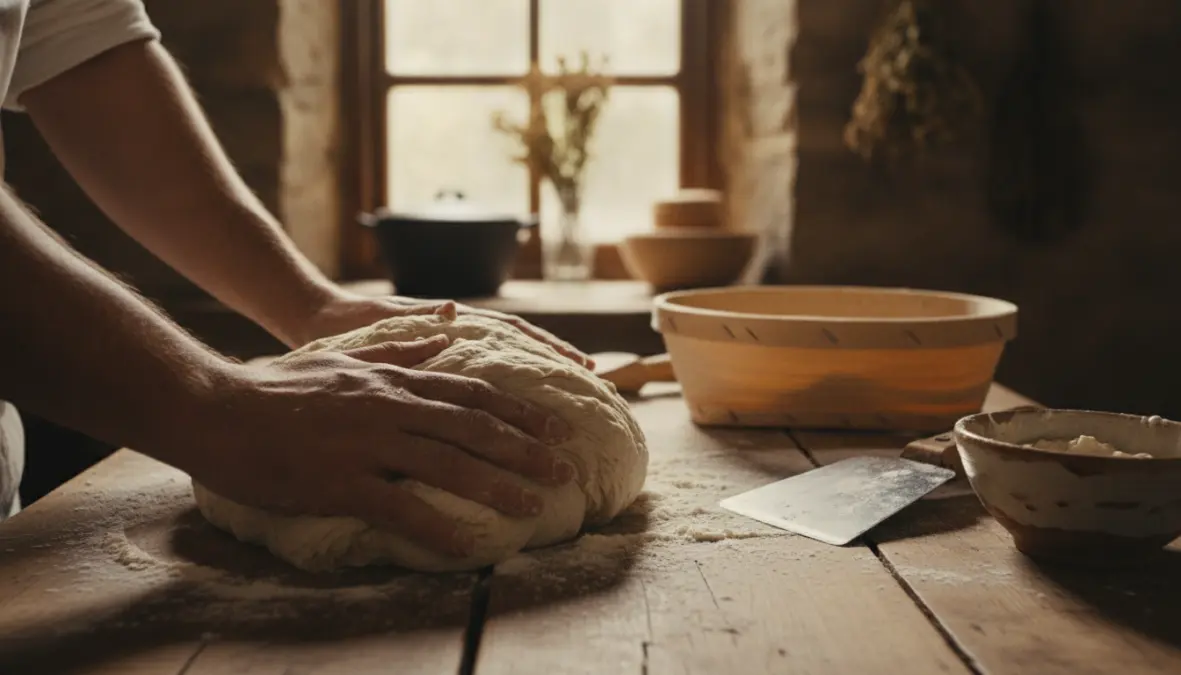
Slow Food Principles vs Fast Food Culture: A Philosophical Divide
The battle between slow food vs fast food isn’t simply about speed—it’s a fundamental clash of values that defines our relationship with what we eat. Understanding what is the philosophy behind slow food movement requires examining these opposing worldviews.
Fast food culture treats meals as interruptions, obstacles between us and whatever we need to do next. Efficiency reigns supreme: standardized ingredients, mechanized production, predictable flavors worldwide. The goal? Maximum calories, minimal time, lowest cost. This approach has environmental consequences—industrial agriculture, monocultures, heavy pesticide use—and social ones, including exploited workers and communities losing their food sovereignty.
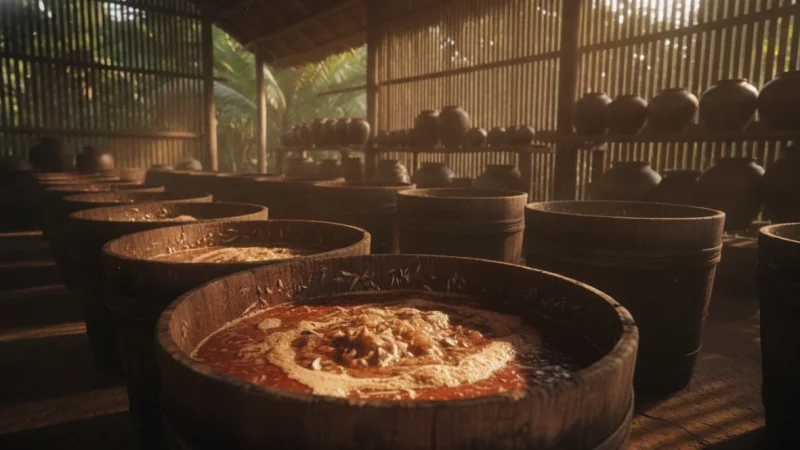
In contrast, slow food principles embrace time as a value rather than an enemy. Artisanal food production recognizes that good things—properly aged cheese, slowly fermented bread, carefully cultivated heirloom vegetables—cannot be rushed. Just as with Indonesian rendang or Moroccan tagine, certain preparations demand patience and respect for tradition.
The conscious eating philosophy at the heart of the movement encourages mindful consumption—knowing where your food comes from, understanding its cultural significance, and appreciating the hands that produced it. This creates a direct relationship between eater and producer, supporting local food systems rather than anonymous global supply chains. When you buy tomatoes from a farmer whose family has grown that specific variety for generations, you’re not just purchasing produce; you’re preserving biodiversity preservation and supporting food sovereignty.
The sustainable food movement recognizes that our food choices have political weight. Every meal is a vote for the kind of world we want. Fast food’s race to the bottom—cheaper, faster, more uniform—degrades soil, eliminates crop diversity, and disconnects us from the rhythms of nature. Slow food asks: what if we measured wealth not by convenience, but by flavor, health, and community? What if Sunday dinner with ingredients from the farmers’ market, prepared together, created more value than a rushed takeout meal eaten alone?
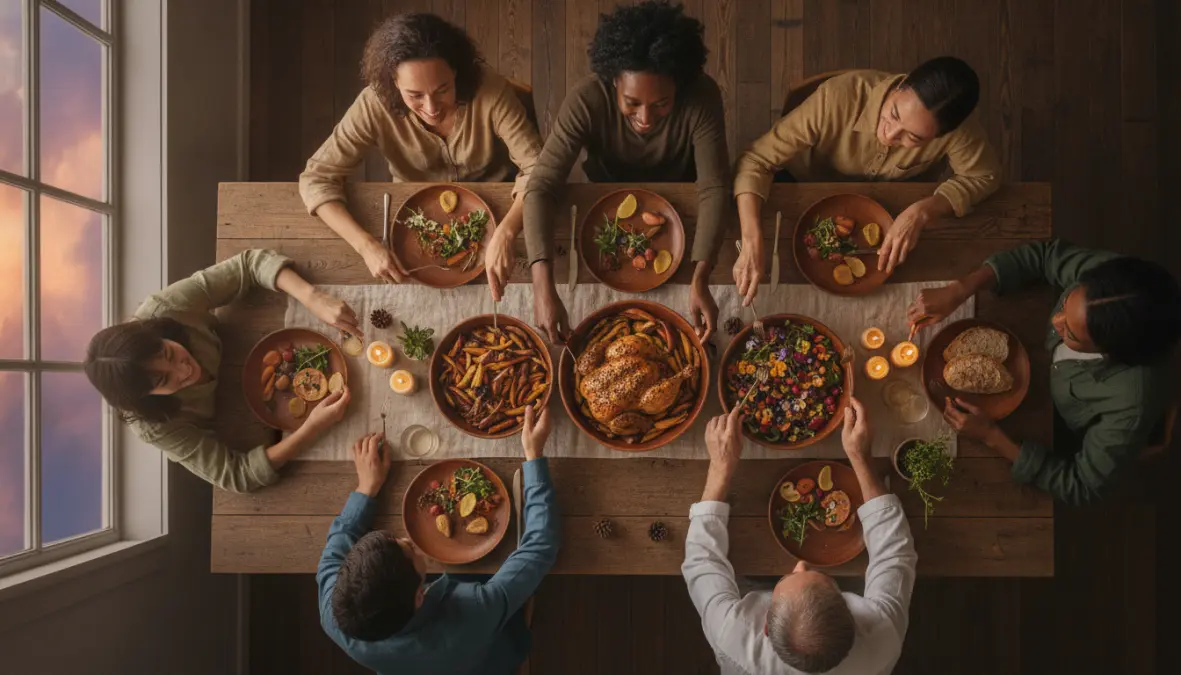
Reclaiming Traditional Food Culture in the Modern World
The movement’s philosophy translates into concrete action through initiatives that demonstrate how slow food movement preserves culinary traditions. The Ark of Taste project catalogues endangered food products—from Lamon beans in Italy to Navajo-Churro sheep in the American Southwest—preventing their extinction. The Presidia program goes further, creating sustainable markets for these products so producers can actually make a living preserving traditional food culture.
These aren’t museum pieces. They’re living traditions that connect us to our gastronomy heritage while addressing modern challenges. When children participate in programs like Orto in Condotta (School Gardens), learning where food comes from and how to grow it, they’re gaining knowledge that mainstream education often ignores. The Terra Madre network brings together thousands of food communities worldwide, proving that slow food movement impact on modern society extends far beyond Italy.
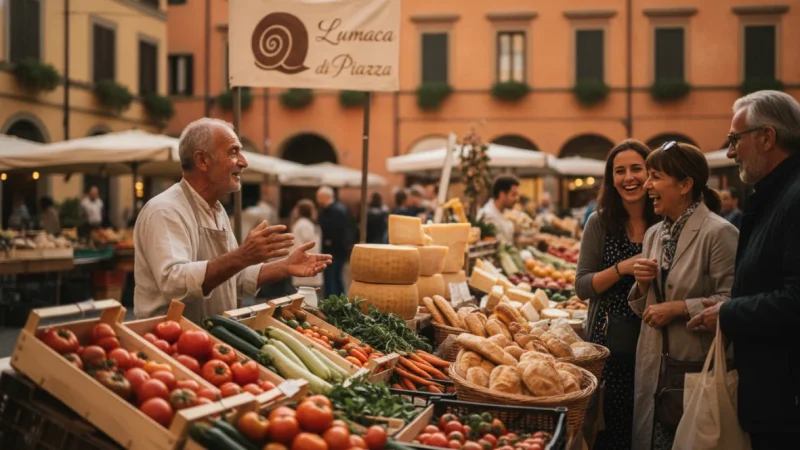
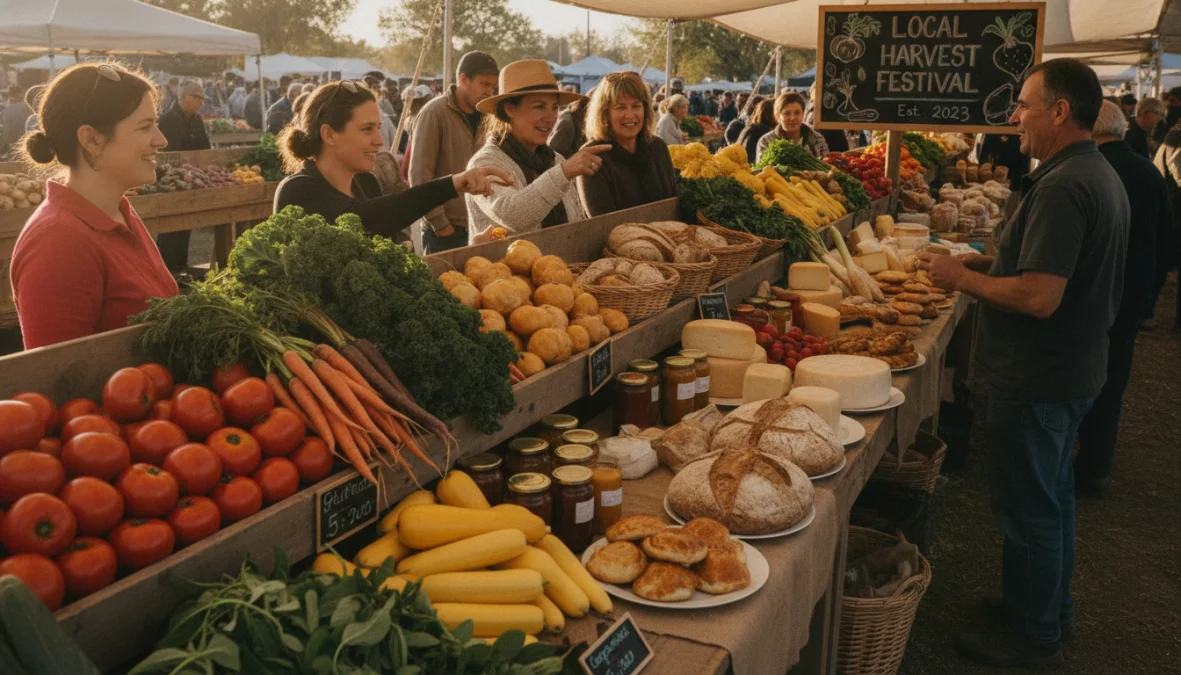
So how to practice slow food principles at home? Start small. Visit a farmers’ market and talk to producers. Learn one traditional recipe from your family or region. Share meals with others, making eating a social rather than solitary act. Choose seasonal ingredients that reflect where you live, much like the philosophy behind Swedish fika or Nordic smørrebrød celebrates local ingredients and communal moments.
The benefits of slow food philosophy in daily life extend beyond nutrition. Studies show that people who practice mindful eating report greater satisfaction, better digestion, and stronger community connections. When we slow down, we rediscover that food is pleasure, not merely fuel. The movement frames this as political action—every time we choose quality over convenience, we’re voting for a different food system and a different kind of society.
FAQ
What are the main principles of slow food?
The slow food movement rests on three core principles: Good (quality, flavorful, seasonally appropriate food), Clean (production that doesn’t harm the environment), and Fair (fair prices and conditions for producers). These principles emphasize biodiversity, traditional knowledge, and direct connections between producers and consumers.
Who founded the slow food movement and why?
Carlo Petrini founded the slow food movement in Italy in 1986, formalizing it in 1989 as a response to McDonald’s opening near Rome’s Spanish Steps. He saw fast food as a threat to regional culinary traditions, local food cultures, and biodiversity, creating the movement to preserve these endangered food ways.
How does slow food differ from fast food philosophy?
Fast food prioritizes speed, uniformity, and low cost, viewing meals as functional necessities. Slow food treats eating as a cultural, social, and pleasurable experience, valuing quality, diversity, sustainability, and the time required to produce and enjoy good food. It’s about mindfulness versus efficiency.
Is slow food only for wealthy people?
While some artisanal products cost more, slow food philosophy is accessible to everyone. It’s about choosing seasonal local produce, cooking at home, reducing waste, and valuing quality over quantity. Growing your own herbs, shopping at farmers’ markets, and connecting with food communities are affordable ways to participate.
How can I practice slow food principles in daily life?
Start by slowing down during meals—no screens, actually tasting your food. Buy from local farmers when possible, learn about seasonal ingredients, cook traditional recipes, and share meals with others. Even one farmers’ market visit per week or one homemade meal using regional ingredients embodies the philosophy.
The slow food movement philosophy offers more than a critique of modern eating habits—it provides a roadmap for reclaiming something precious we’ve lost in our rush toward efficiency. In a world that constantly demands we move faster, the radical act of slowing down to savor a meal made with care, from ingredients with a story, becomes an act of resistance and joy. Whether you’re enjoying Turkish meze with friends or preparing traditional sweets that require patience and skill, you’re participating in a movement that values tradition, community, and the simple pleasure of eating well. The question isn’t whether we have time for slow food—it’s whether we can afford not to make that time.