The Jewish Pickling Tradition: How Eastern European Jews Preserved Their Culinary Heritage
The sharp tang of a perfectly brined pickle, the crunch of lacto-fermented sauerkraut, the garlicky kick of a sour cucumber—these aren’t just flavors, they’re edible memories of a culture that turned necessity into culinary art. The jewish pickling tradition is more than a preservation technique; it’s a story of survival, adaptation, and the remarkable ways communities maintain their identity through food. For Ashkenazi Jews who endured the brutal winters of Eastern Europe, pickling wasn’t optional—it was the difference between sustenance and starvation, and it became a defining feature of their cuisine that traveled across oceans and generations.
The Origins and Cultural Significance of Jewish Pickling
The jewish pickling tradition emerged from the harsh realities of life in the shtetls and towns of Eastern European regions—Poland, Russia, Lithuania, Ukraine, and beyond. When winter descended for months on end, fresh vegetables became impossible to obtain. Families needed preservation methods that could sustain them through long, frozen seasons, and fermentation provided the perfect solution. Unlike other preservation methods that required expensive ingredients or elaborate equipment, pickling needed only salt, water, and time.
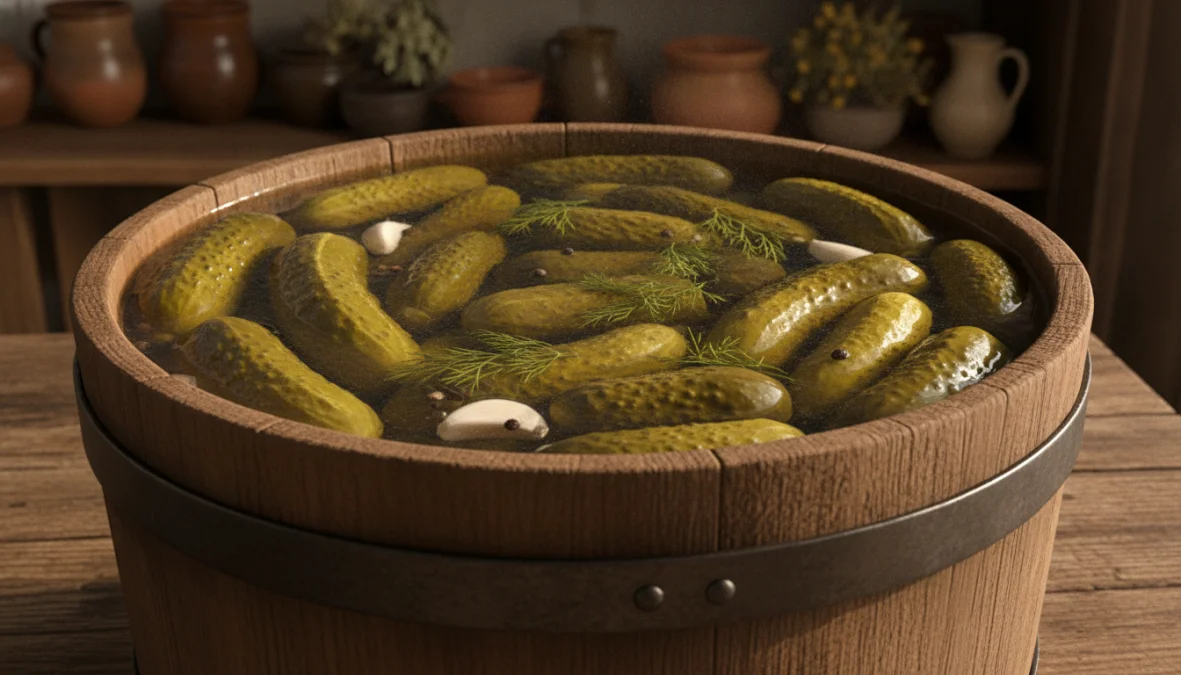
The shtetl pickling methods developed in these communities weren’t just practical—they aligned perfectly with kosher dietary laws. Since fermentation relies on naturally occurring bacteria rather than animal-derived agents, pickled vegetables remained parve (neither meat nor dairy), fitting seamlessly into Jewish dietary restrictions. This made fermented vegetables an incredibly versatile food that could accompany any meal. The practice became so integral to Ashkenazi food preservation culture that barrels of pickles were often stored in cellars alongside potatoes and grains as essential winter provisions.
When Jews migrated to America in the late 19th and early 20th centuries, they brought these traditional Jewish pickles with them. The pickle became a symbol of home, of tradition, of identity maintained in a new world. Much like how borscht defines Eastern European identity, pickles became an edible connection to ancestral roots.
Traditional Methods and Techniques of Jewish Fermentation
The magic of Jewish fermentation lies in lacto-fermentation, a natural process that transforms fresh vegetables into tangy, probiotic-rich delicacies. Unlike modern pickles that use vinegar for quick preservation, traditional Jewish pickles rely on salt brine and time to encourage beneficial bacteria to do the work. This is what gives authentic Jewish pickles their distinctive sour complexity that vinegar-based versions simply can’t replicate.
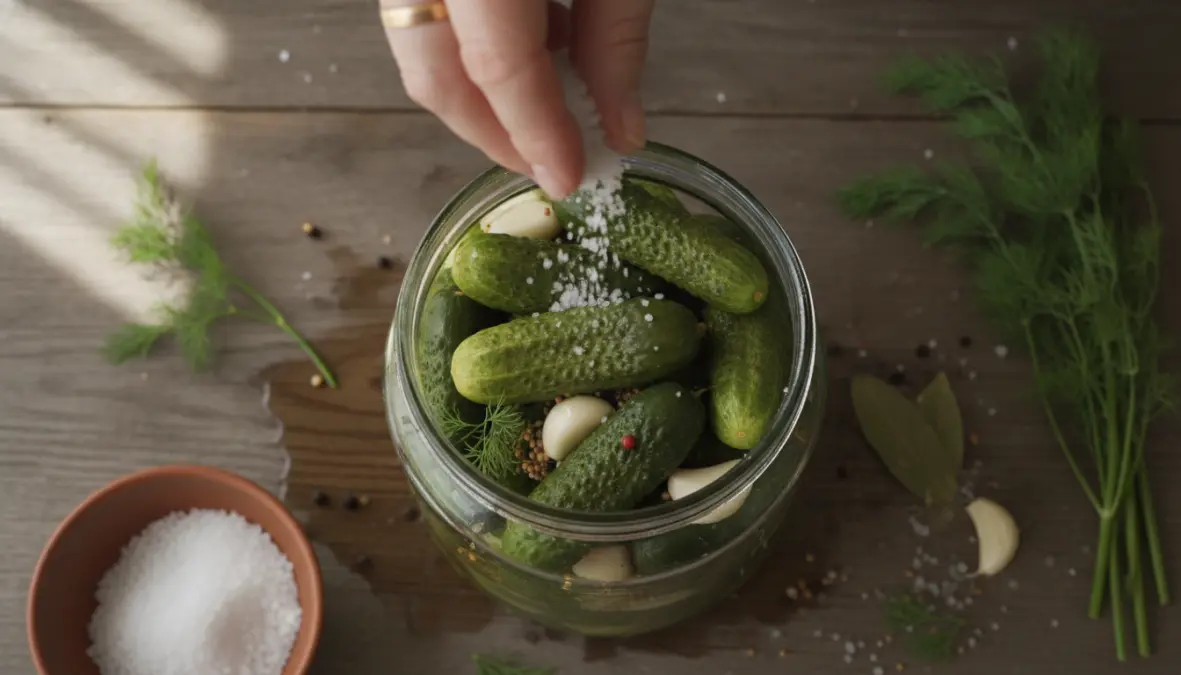
Understanding how to make traditional Jewish pickles starts with grasping the simple brilliance of Jewish brine recipes. The basic formula involves dissolving kosher salt (typically about 3-5% salt to water ratio) in cold water, then adding aromatics like fresh dill, garlic cloves, peppercorns, mustard seeds, and sometimes bay leaves or horseradish. The vegetables—most commonly cucumbers for dill pickles, cabbage for sauerkraut, but also beets, carrots, green tomatoes, and peppers—are submerged completely in this garlic brine.
The brine curing process happens at room temperature, where naturally occurring Lactobacillus bacteria convert sugars in the vegetables into lactic acid. This acid creates the sour flavor while preventing harmful bacteria from growing. Traditional barrel fermentation in large wooden barrels was common in shtetl communities, where entire families would pickle vegetables in bulk. The barrels were kept in cool cellars where fermentation would proceed slowly over weeks or even months.
Regional variations in Eastern European Jewish pickling recipes reflected local preferences and available ingredients. Polish Jews often favored strong garlic flavors, Russian traditions might include more dill and caraway seeds, while Lithuanian methods sometimes incorporated oak leaves to maintain crispness. The history of pickling in Jewish culture shows that recipes were closely guarded family secrets, passed from grandmother to mother to daughter.
Traditional Ashkenazi fermentation techniques emphasized these key elements:
- Salt quality: Kosher or sea salt without additives (iodized salt would cloud the brine)
- Water purity: Chlorine-free water was essential, as chlorine kills beneficial bacteria
- Temperature control: Cool temperatures (60-70°F) produced the best flavor and texture
- Complete submersion: Vegetables had to stay under brine to prevent mold
- Patience: Full-sour pickles required 4-6 weeks, half-sours about 1-2 weeks
The question of why Jews pickle cucumbers and vegetables has multiple answers: necessity, nutrition, and preservation of culture itself. Fermented vegetables provided crucial vitamins during winter months when fresh produce was unavailable, making them as essential to survival as understanding food preservation across cultures, similar to how rice holds sacred significance in Asian traditions.
The Legacy of Jewish Pickles in Modern Cuisine
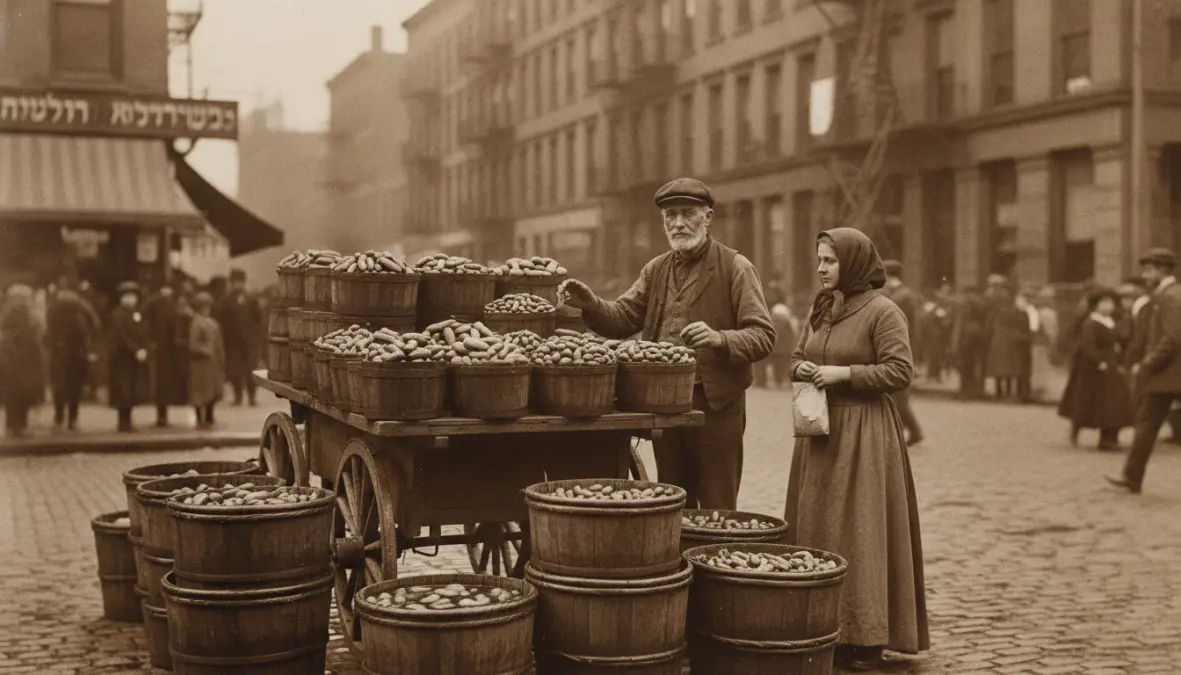
The jewish pickling tradition didn’t just survive immigration—it thrived and became iconic in American food culture. The Lower East Side of Manhattan became famous for its pickle vendors, with pushcarts lining the streets where immigrants could buy pickles straight from the barrel for a penny. These weren’t just snacks; they were comfort, nostalgia, and community connection sold by the piece.
Legendary establishments like Guss’ Pickles (founded in 1910) and other family businesses turned traditional Jewish pickles into commercial success stories while maintaining authentic brine curing methods. Jewish delis across America made pickles an essential accompaniment to pastrami sandwiches and matzo ball soup, cementing their place in American culinary consciousness. The pickle became as synonymous with Jewish-American food culture as shared plates are to Turkish meze traditions.
Today’s renewed interest in fermentation and gut health has sparked a revival of Ashkenazi food preservation techniques among younger generations. Home fermentation has become trendy, with people seeking out authentic Jewish sour pickle recipes and experimenting with barrel fermentation (or more practically, large glass jars). The health benefits of probiotics have given scientific validation to what grandmothers knew instinctively—fermented vegetables are good for you.
Modern cookbooks dedicated to Jewish cooking increasingly emphasize these traditional preservation techniques, and pickling traditions in shtetl communities are being documented and celebrated before they’re lost to time. Families continue passing down their specific brine recipes, maintaining the living connection to ancestors who perfected these methods out of necessity and transformed them into culinary heritage.
FAQ
What makes Jewish pickles different from other pickles?
The key difference lies in the fermentation method. Authentic traditional Jewish pickles use lacto-fermentation with salt brine rather than vinegar, creating naturally sour pickles through bacterial fermentation. This produces a more complex, tangy flavor and beneficial probiotics. Additionally, kosher pickles prepared according to Jewish tradition use specific spices like dill and garlic and must be made with kosher-certified ingredients, though the term “kosher pickle” on store shelves often just refers to the dill-garlic flavor style.
Why are pickles so important in Jewish culture?
Pickles were essential for survival in the harsh Eastern European climate where fresh vegetables were unavailable for months. Beyond practical preservation methods, pickles became a cultural identifier, a taste of home, and a symbol of resourcefulness and continuity. The history of pickling in Jewish culture is intertwined with identity, migration, and the transmission of family traditions across generations.
What vegetables did Eastern European Jews traditionally pickle?
While cucumbers are most famous, Jewish communities pickled diverse vegetables including cabbage (for sauerkraut), beets, carrots, green tomatoes, peppers, onions, and turnips. Each vegetable had its season and purpose, maximizing the preservation of whatever the harvest provided.
Are all kosher pickles Jewish pickles?
No. “Kosher pickle” has become a generic term for garlic-dill style pickles in American markets, regardless of whether they’re made using traditional Ashkenazi fermentation techniques or with vinegar. True kosher pickles made the traditional Jewish way are naturally fermented in brine. The kosher certification on a jar refers to rabbinical supervision ensuring ingredients meet kosher standards, not necessarily that they’re made using traditional Jewish methods. This represents an important difference between kosher and Jewish pickles.
The jewish pickling tradition reminds us that cuisine is never just about sustenance—it’s about memory, resilience, and the ways we carry our ancestors with us. Every crunchy bite of a properly fermented pickle connects us to generations who understood that preservation wasn’t just about keeping food from spoiling, but about keeping culture alive. Whether you’re seeking an authentic Jewish sour pickle recipe or simply appreciating the tangy crunch alongside your sandwich, you’re participating in a tradition that has survived centuries, crossed continents, and continues to nourish both body and soul.