Bobotie: Discovering South Africa’s Most Beloved Cape Malay Dish
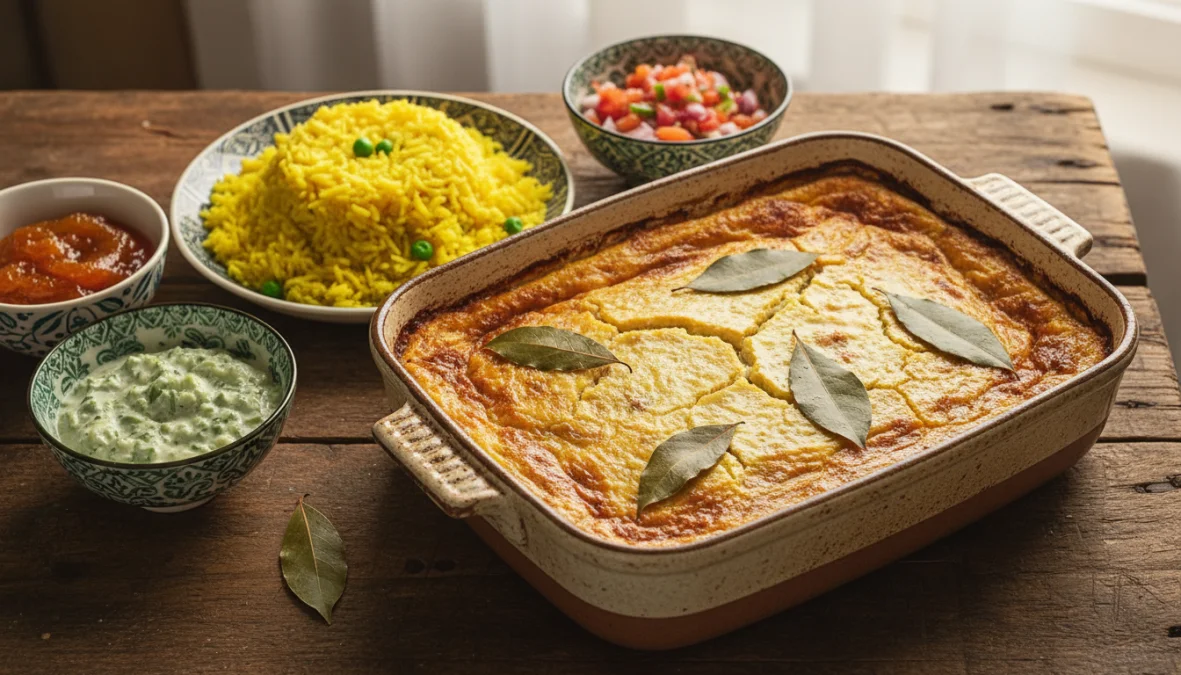
Picture this: a golden-crusted casserole emerges from the oven, its surface glistening with a silky egg custard, hiding beneath layers of aromatic spiced mince studded with raisins and almonds. The air fills with warming curry spices, a hint of sweetness, and that unmistakable blend of savory and fruity notes that can only mean one thing—you’re about to experience bobotie south african dish, the culinary heart of Cape Malay cuisine and one of South Africa’s most treasured national dishes.
Whether you’re a food adventurer seeking your next favorite meal or simply curious about what makes this spiced mince dish so special, bobotie offers a delicious window into South Africa’s rich multicultural heritage. Let’s dig into what makes this dish truly unforgettable.
What Is Bobotie? Understanding South Africa’s Iconic Spiced Mince Dish
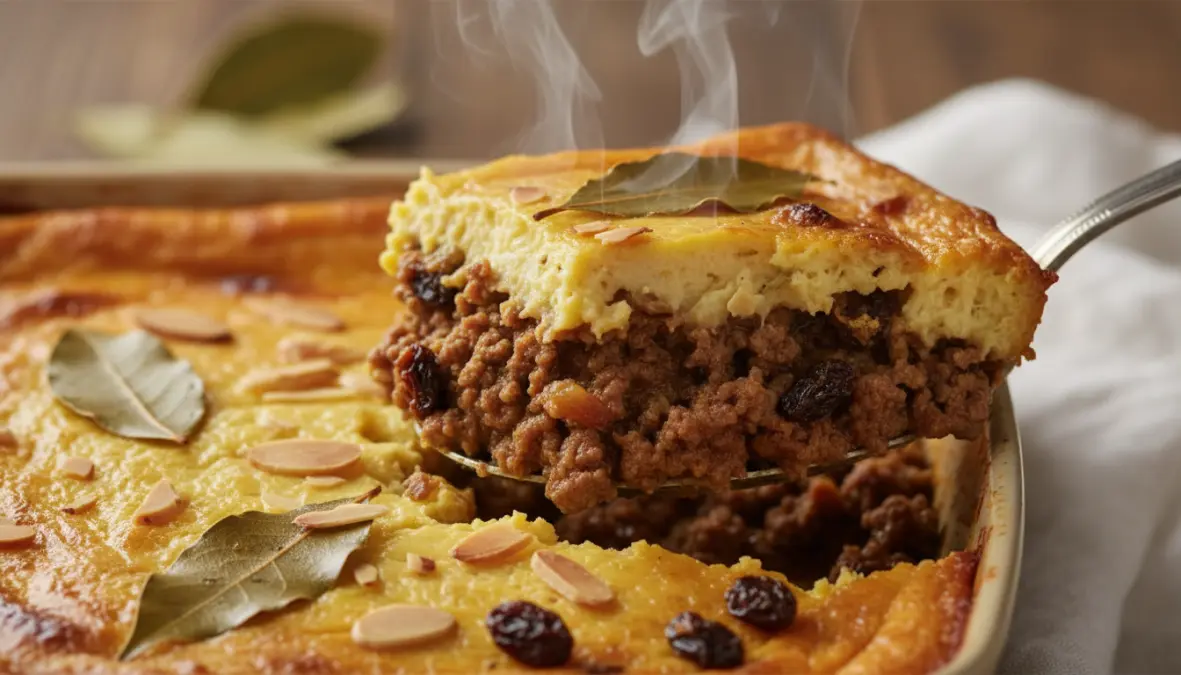
At its core, bobotie south african dish is a baked casserole featuring seasoned minced meat—typically beef or lamb—mixed with curry spices, dried fruit, and bread soaked in milk, then topped with a savory egg custard and baked until golden. But this simple description barely scratches the surface of what makes traditional bobotie so captivating.
The magic lies in its complex flavor profile: simultaneously sweet and savory, with south african spiced mince creating warmth rather than heat, complemented by the natural sweetness of raisins or dried apricots and the tang of fruit chutney. Fresh bay leaves are traditionally pressed into the custard topping before baking, infusing the dish with subtle herbal notes. The result is a comforting, aromatic meal that perfectly balances richness with brightness.
Bobotie holds a special place in South African hearts as more than just food—it’s a symbol of cultural fusion and resilience. Often served alongside fragrant yellow rice (colored with turmeric), sambals, and fruit chutney, it represents the coming together of different culinary traditions into something uniquely South African. The dish’s sweet-savory complexity mirrors the country’s own diverse cultural tapestry, making it a beloved fixture at family tables and restaurants alike.
The Cape Malay Roots: How Indonesian and Dutch Influences Created Bobotie
The story of bobotie is inseparable from the history of the Cape Malay community in South Africa. Beginning in the 17th century, Dutch colonizers brought enslaved people from Indonesia, Malaysia, and other parts of Southeast Asia to work in the Cape Colony. These individuals, despite facing immense hardship, preserved their Islamic faith and culinary traditions, adapting them to the ingredients and circumstances of their new home.
The Cape Malay community, concentrated in Cape Town’s colorful Bo-Kaap district with its iconic rainbow-painted houses, became the guardians of a unique cuisine that blended Javanese, Malay, and Indonesian cooking techniques with Dutch, British, and indigenous African influences. Cape Malay cuisine is characterized by its masterful use of spices—curry powder, turmeric, coriander, cumin, and cinnamon—combined with the European tradition of baking and the Southeast Asian love of balancing sweet and savory flavors.
This malay curry dish evolved in Cape Town kitchens over centuries, incorporating local ingredients like South African fruits for chutney, indigenous herbs, and the cooking methods introduced by successive colonial powers. The Dutch influence is evident in the baked casserole format and the milk-soaked bread used to bind the meat, while the British colonial period added to the dish’s refinement and popularization across different communities.
Today, cape town food culture celebrates bobotie as a testament to cape malay heritage, and the dish has transcended its origins to become a unifying national favorite served in homes and restaurants throughout South Africa.
From Bobotok to Bobotie: The Indonesian Connection
The direct ancestor of bobotie is widely believed to be bobotok or botok, an Indonesian dish where spiced minced meat or fish is wrapped in banana leaves and steamed. Understanding what is bobotie made of becomes clearer when you trace this lineage—both dishes feature finely minced meat heavily seasoned with aromatic spices and often include coconut milk or other binding agents.
However, the transformation from bobotok to bobotie reflects the adaptations forced by circumstance and opportunity. Without readily available banana leaves, the Cape Malay cooks turned to baking dishes. European dairy replaced coconut milk, and the custard topping of eggs and milk became the dish’s signature crown. The history of bobotie in south africa is thus a story of culinary creativity born from displacement, showing how traditional recipes evolve while retaining their cultural essence.

Essential Bobotie Ingredients and How to Make Traditional Bobotie
Understanding bobotie ingredients is key to appreciating why this dish tastes so distinctive. A south african bobotie recipe typically calls for minced beef or lamb (sometimes a combination), though modern versions use chicken or even vegetarian substitutes. The meat is browned with finely chopped onions and garlic, then mixed with a blend of curry spices that forms the dish’s aromatic foundation.
Bread soaked in milk serves as a binder, keeping the meat mixture moist and tender during baking. This is a crucial element—without it, the bobotie becomes dry. Raisins or chopped dried apricots add pockets of sweetness, while slivered almonds contribute texture and nutty richness. A tablespoon or two of fruit chutney (often apricot or peach) and a splash of vinegar or lemon juice provide the essential sweet-tart balance.
The spice blend typically includes curry powder, turmeric (which adds earthiness and golden color), ground coriander, cumin, and sometimes cinnamon or ginger. Fresh or dried bay leaves are pressed into the egg topping before baking, their subtle flavor infusing the custard.
For those wondering how to make authentic south african bobotie, the process follows these key steps: sauté onions until soft, add garlic and spices to bloom their flavors, brown the mince, then mix in the soaked bread, dried fruit, chutney, and seasoning. Transfer this mixture to a greased baking dish, smooth the top, and pour over a mixture of beaten eggs and milk. Nestle bay leaves into the custard, then bake at around 180°C (350°F) until the topping sets and turns golden—roughly 30-40 minutes.
The traditional serving accompaniments are just as important as the main dish. Fragrant yellow rice cooked with turmeric, raisins, and sometimes cinnamon sticks provides a perfect neutral-sweet base. Sambals (spicy condiments), banana slices, coconut flakes, and various fruit chutney options allow each diner to customize their plate. This combination of bobotie with yellow rice and chutney creates a complete sensory experience that’s both comforting and exciting.
The Secret to Authentic Flavor: Spice Blend and Balance
The best bobotie recipe cape malay style hinges on mastering the spice blend. Unlike Indian curries that often emphasize heat, Cape Malay curry powder tends toward warmth and complexity rather than fire. A proper blend includes coriander, cumin, turmeric, fenugreek, and sometimes fennel seeds, with only a modest amount of chili.
The key to authentic flavor lies in balance: the sweetness from raisins and chutney should complement, not overpower, the savory spiced meat. The egg custard topping adds richness while tempering the spices with its creamy mildness. Many cooks emphasize the importance of blooming dried spices in hot oil before adding the meat, as this releases essential oils and deepens flavor complexity.
Fresh ingredients matter too—using freshly ground spices rather than stale curry powder makes a noticeable difference. And don’t skimp on the bay leaves; their subtle, almost medicinal aroma is part of what makes bobotie taste unmistakably authentic. Getting this balance right is what distinguishes a good bobotie from a truly memorable one.
FAQ: Common Questions About Bobotie
What does bobotie taste like?
Bobotie offers a unique sweet-savory flavor profile with warming curry spices, fruity sweetness from raisins or apricots, and a rich, creamy texture from the egg custard topping. It’s mildly spiced rather than fiery hot, with complex layers of flavor that include tangy chutney notes and aromatic bay leaf. The texture is similar to a spiced meatloaf but more moist and custard-like.
Can I make bobotie with chicken or vegetarian?
Absolutely! While traditional bobotie uses beef or lamb, chicken works beautifully—just use minced or finely chopped chicken breast or thigh. For vegetarian versions, substitute lentils, chickpeas, or plant-based mince while keeping the same spice profile and cooking method. The key is maintaining the moisture and texture with the bread-milk mixture and ensuring your protein base can absorb the spice flavors.
What is the best side dish for bobotie?
The classic accompaniment is fragrant yellow rice with turmeric and raisins, but bobotie also pairs wonderfully with sambals (chili condiments), Mrs. Ball’s chutney, sliced bananas, desiccated coconut, and fresh salad. Many South Africans also serve it with roasted vegetables or a simple green salad to balance the richness.
Where can I try authentic bobotie in Cape Town?
For authentic cape town food experiences, head to restaurants in the Bo-Kaap neighborhood, such as Biesmiellah or Bo-Kaap Kombuis. Many traditional Cape Malay eateries throughout the city offer this dish, and food tours of Bo-Kaap often include bobotie tastings alongside the area’s colorful history.
Whether you’re planning to recreate this dish at home with a cape malay bobotie traditional recipe or seeking an easy bobotie recipe south african style for your first attempt, bobotie rewards both adventurous cooks and curious eaters. This humble casserole carries centuries of history in every spiced, fruity, custardy bite—a true taste of South Africa’s multicultural soul. Why not bring a piece of Cape Malay heritage to your table tonight?