Kaiseki: The Japanese Art of Multi-Course Seasonal Dining Explained
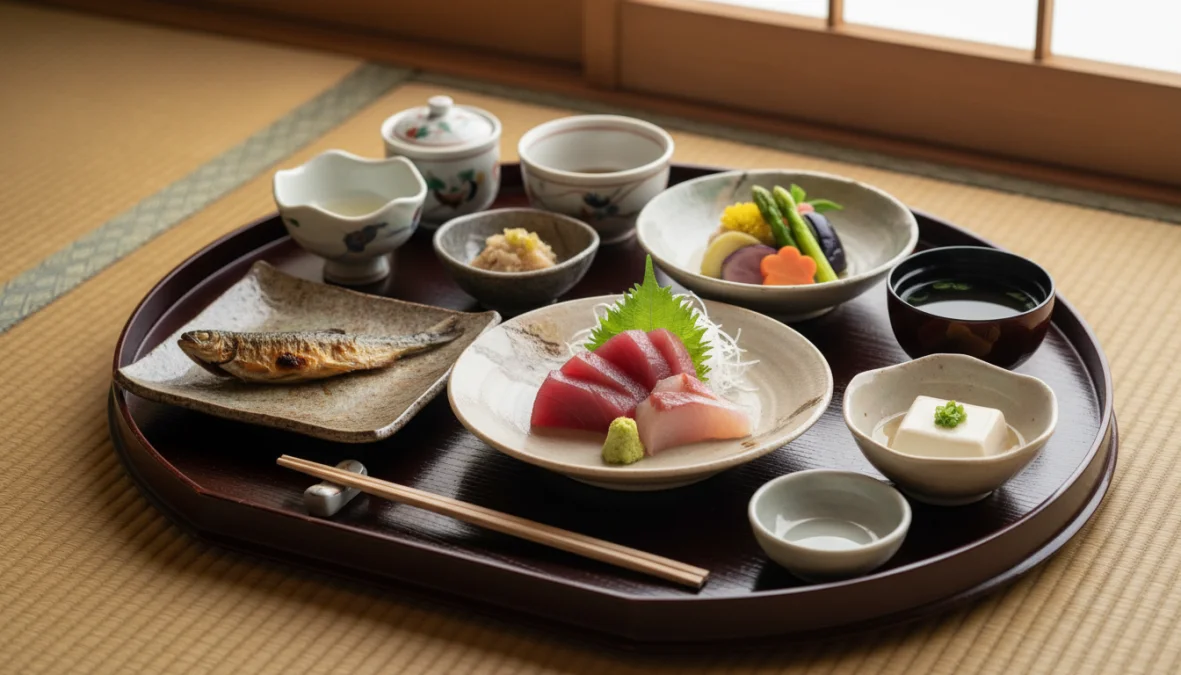
Picture this: you’re seated in a serene Japanese dining room, the gentle rustle of bamboo outside accompanies the careful placement of an exquisite ceramic dish before you. On it, a single bite-sized morsel arranged like a miniature landscape painting. This isn’t just dinner—it’s kaiseki japanese cuisine, a culinary art form that transforms eating into a meditation on seasonality, craftsmanship, and the fleeting beauty of the moment.
What Is Kaiseki? Understanding Japan’s Most Refined Culinary Tradition
At its essence, kaiseki japanese cuisine represents the pinnacle of Japanese culinary refinement. Often called kaiseki ryori (懐石料理), this Japanese multi-course meal is far more than fancy dining—it’s a philosophical statement about harmony, respect for ingredients, and the ephemeral nature of beauty itself.
The origins of traditional kaiseki trace back to sixteenth-century Kyoto, where Buddhist monks during the Japanese tea ceremony would place warm stones (kaiseki, literally “stone in the bosom”) against their stomachs to ward off hunger during long meditation sessions. Eventually, a light meal served before tea evolved into cha-kaiseki, designed to prepare guests for the ritual of tea. This tea ceremony connection is beautifully illustrated in traditional Japanese confections like wagashi sweets that often conclude such meals.
The philosophy underpinning kaiseki follows the principles of wa-kei-sei-jaku (harmony, respect, purity, and tranquility) borrowed from tea ceremony traditions. Every element—from ingredient selection to plating—embodies balance: balancing flavors (sweet, sour, salty, bitter, umami), textures (crispy, soft, gelatinous), and cooking methods (raw, grilled, steamed, simmered, fried). The foundation concept of ichiju-sansai (one soup, three dishes) expanded over centuries into the elaborate multi-course experience we recognize today.
The Kaiseki Dining Experience: Course Structure and Seasonal Philosophy
A kaiseki menu unfolds like chapters in a story, each course building upon the last. While variations exist, a traditional kaiseki course order typically includes these key stages:
- Sakizuke: An appetizer that sets the seasonal tone
- Hassun: The seasonal centerpiece featuring mountain and sea delicacies
- Mukozuke: Seasonal sashimi, pristinely fresh
- Takiawase: Simmered vegetables and proteins in harmonious arrangement
- Futamono: A lidded dish, usually a clear soup or steamed preparation
- Yakimono: Grilled seasonal fish, often the meal’s protein highlight
- Su-zakana: Vinegared dish to cleanse the palate
- Hiyashi-bachi: A chilled dish, particularly welcome in warmer months
- Shiizakana: A substantial cooked dish
- Gohan: Seasonal rice, often cooked with ingredients like chestnuts or bamboo shoots
- Ko no mono: Pickled vegetables
- Mizumono: Seasonal dessert, typically fruit or a delicate sweet
This kaiseki dining experience embodies omotenashi—the Japanese concept of wholehearted hospitality. Each course arrives precisely when the previous is finished, timed to perfection. The chef considers not just taste but temperature, texture, color harmony, and even the vessel’s seasonality.
The Role of Seasonality and Presentation
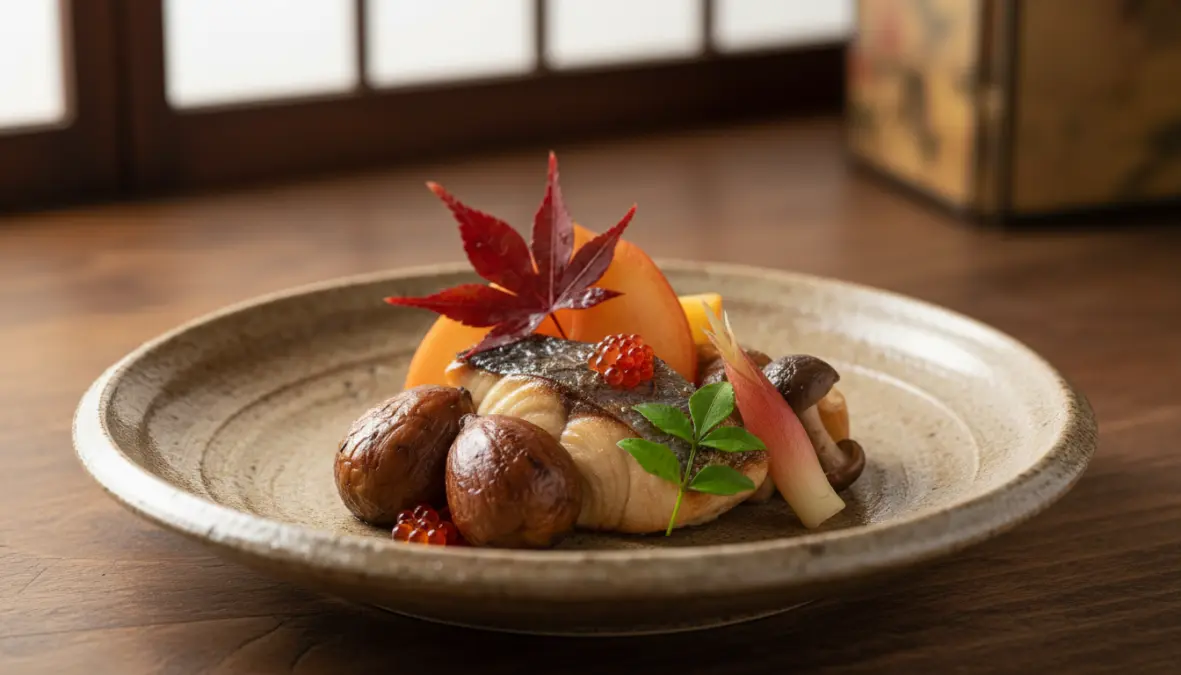
If there’s one defining characteristic of seasonal Japanese cuisine, it’s the obsessive devotion to shun—ingredients at their absolute peak. Kaiseki seasonal ingredients change not just seasonally but sometimes monthly. Spring might feature bamboo shoots and cherry blossoms, summer brings sweetfish and hamo eel, autumn showcases matsutake mushrooms and chestnuts, while winter celebrates crab and yellowtail.
Presentation follows the principle of wabi-sabi aesthetic—finding beauty in imperfection and transience. Chefs use ceramics that echo the season: cool glass in summer, warm lacquerware in winter. The five colors (white, black, red, yellow, green), five flavors, and five cooking methods principle ensures complete sensory engagement. This isn’t Instagram food—this is edible philosophy, where a single ginkgo leaf positioned just so speaks volumes about autumn’s fleeting glory.
Experiencing Kaiseki: What to Expect at a Kaiseki Restaurant
Ready to experience traditional kaiseki yourself? Understanding what to expect helps you fully appreciate this rarefied dining form. Authentic kaiseki restaurants range from exclusive ryotei (traditional high-end establishments) requiring introductions, to more accessible options in department stores or hotels.
When searching for the best kaiseki restaurants in japan, Kyoto remains the spiritual home, though Tokyo, Osaka, and Kanazawa also boast exceptional venues. Traditional ryotei often occupy beautiful old wooden buildings with tatami rooms and garden views. Some ryokan (traditional inns) offer overnight kaiseki experiences where the meal is part of a complete cultural immersion.
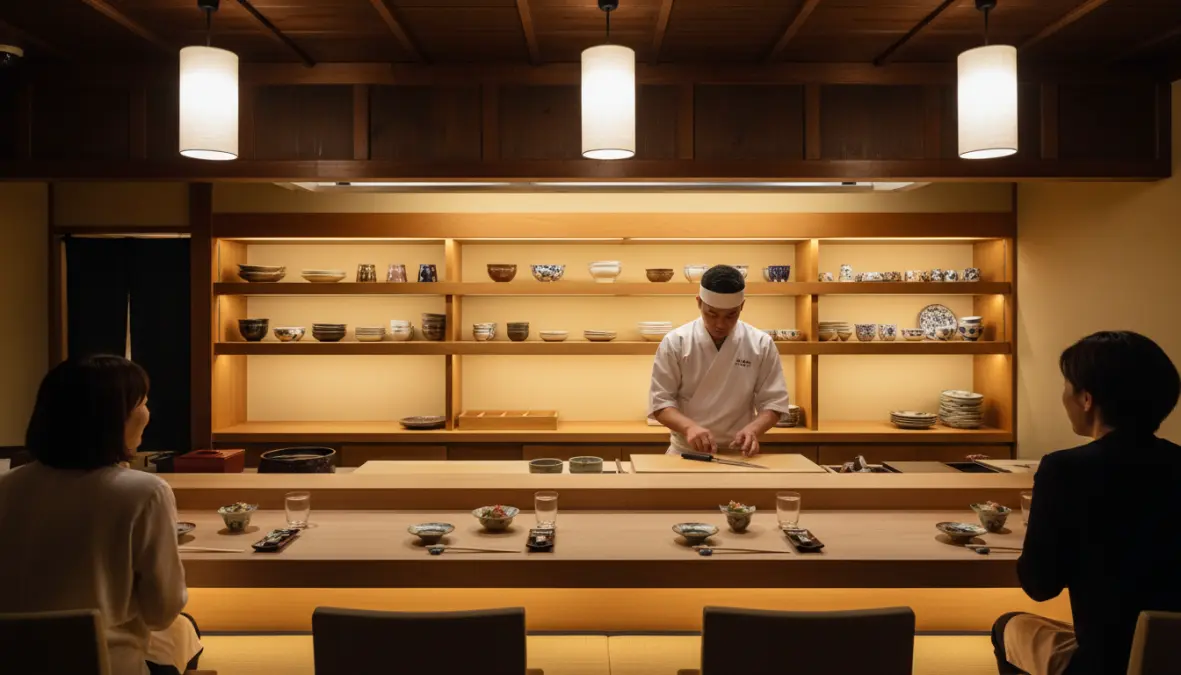
The kaiseki dining experience typically lasts two to three hours—this isn’t fast food. Expect intimate settings with counter seating where you can watch the chef work, or private rooms for groups. Kaiseki dining etiquette tips include arriving punctually (reservations are essential and often required weeks ahead), removing shoes when indicated, and avoiding strong perfumes that might interfere with delicate aromas.
Wondering how much does kaiseki cost? Budget anywhere from ¥8,000-15,000 ($60-110) for lunch at accessible venues, to ¥20,000-40,000+ ($150-300+) for dinner at prestigious establishments. Three-Michelin-starred kaiseki can exceed ¥50,000 per person. While pricey, remember you’re paying for ingredient quality, chef expertise, seasonal ceramic collections, and an experience that took centuries to refine.
Dress code varies but lean conservative—smart casual minimum, business attire safer for high-end venues. Some exclusive ryotei maintain traditional dress expectations. If unsure, confirm when booking.
FAQ: Common Questions About Kaiseki Japanese Cuisine
How much does a kaiseki meal cost?
Prices range dramatically based on restaurant prestige and location. Expect ¥8,000-15,000 for accessible lunch kaiseki, ¥15,000-30,000 for quality dinner experiences, and ¥40,000+ at top-tier establishments. Lunch typically offers better value with similar quality.
How long does a kaiseki meal take?
Plan for 2-3 hours minimum. Kaiseki emphasizes pacing and mindfulness—courses arrive sequentially with time to appreciate each. Rushing contradicts the entire philosophy.
What’s the difference between kaiseki and omakase?
This common question highlights an important distinction. Omakase means “I’ll leave it up to you”—the chef decides what you eat, common in sushi restaurants. Kaiseki vs omakase difference: kaiseki follows a structured multi-course format emphasizing seasonality and prescribed course order, while omakase is a more flexible approach applicable to various cuisines. You might experience omakase-style kaiseki where the chef selects your courses, combining both concepts.
Do I need to know Japanese to enjoy kaiseki?
Not essential, though it enriches understanding. High-end establishments increasingly offer English explanations or menus. The visual artistry and flavors communicate universally. That said, learning basic phrases like itadakimasu (before eating) and gochisosama deshita (after eating) shows respect.
Can vegetarians enjoy kaiseki?
Increasingly, yes. Traditional kaiseki heavily features seafood, but shojin kaiseki (Buddhist vegetarian kaiseki) offers elaborate plant-based alternatives. Many restaurants accommodate dietary restrictions with advance notice—mention requirements when booking.
Experiencing kaiseki japanese cuisine isn’t merely about satisfying hunger—it’s about witnessing an edible expression of washoku (traditional Japanese cuisine), recognized by UNESCO as intangible cultural heritage. Whether you’re planning your first kaiseki adventure or deepening your appreciation, remember that each meal represents not just a chef’s skill but centuries of refined cultural values. In our hurried modern world, kaiseki offers something increasingly rare: permission to slow down, observe closely, and savor the unrepeatable moment.