The Art of Lithuanian Rye Bread: Sacred Traditions and Ancient Baking Techniques
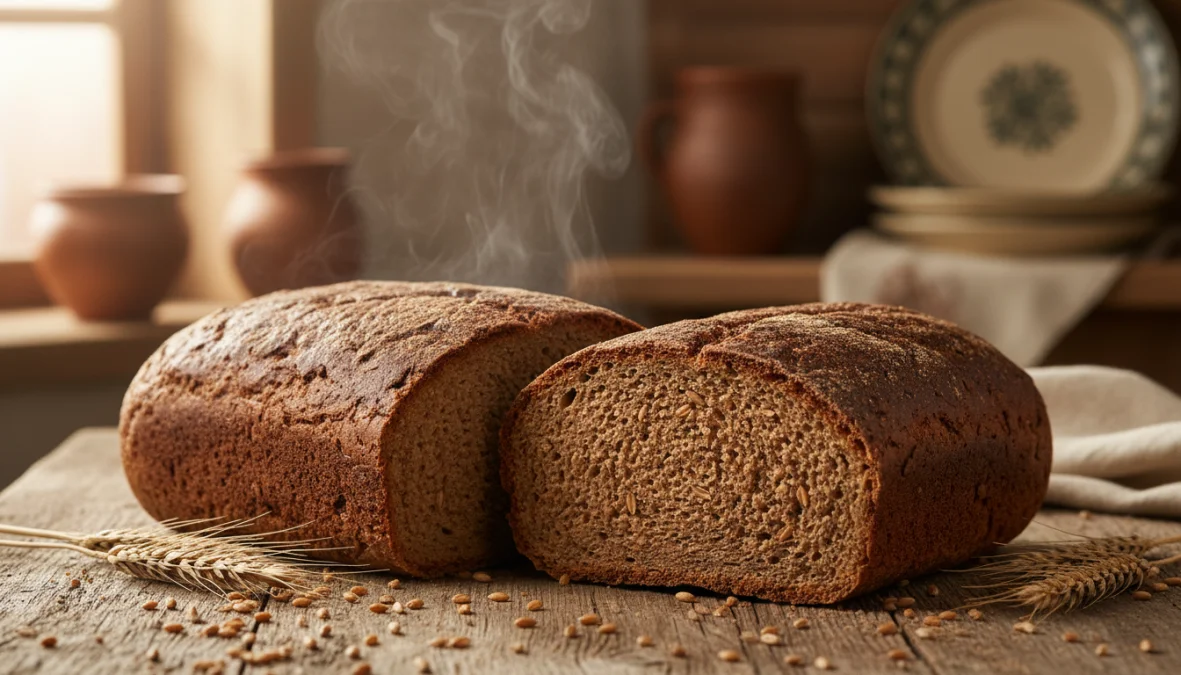
In the heart of the Baltic region, a dark, dense loaf has sustained generations for centuries, carrying with it stories of survival, spirituality, and national identity. Lithuanian rye bread isn’t just food—it’s a living connection to ancestors, a symbol of home, and a testament to the resilience of a culture that has weathered invasions, occupations, and modernization. The Lithuanian rye bread tradition represents one of Europe’s most sacred relationships between people and their daily bread, where every crusty, aromatic slice tells a story of patience, reverence, and timeless baking wisdom.
The Sacred Soul of Lithuanian Black Bread
To understand Lithuanian black bread, you must first understand that it transcends its role as mere sustenance. Lithuanians call bread their “second mother”—a phrase that captures the deep spiritual connection woven into Lithuanian food culture. This reverence isn’t poetic exaggeration; it’s lived practice. Drop a piece of bread on the floor, and tradition demands you pick it up, kiss it, and ask for forgiveness. Throwing bread away is considered not just wasteful, but genuinely sinful.
This sacred status permeates Baltic bread traditions in ways that might surprise outsiders. At Lithuanian weddings, newlyweds are greeted with bread and salt—the bread symbolizing prosperity and the salt representing life’s challenges. During funerals, mourners place bread in coffins to nourish the deceased on their spiritual journey. Even today, many Lithuanians won’t start a meal without bread on the table, and the eldest family member traditionally breaks the first piece.
The Lithuanian rye bread tradition became especially significant during Soviet occupation, when maintaining cultural practices was an act of quiet resistance. While other aspects of Lithuanian identity were suppressed, families continued passing down their bread-making techniques, preserving not just recipes but an entire worldview. The characteristic dark color of Lithuanian rye bread—achieved through long fermentation and sometimes the addition of molasses or caramelized sugar—became a symbol of endurance through dark times. Much like other sacred bread traditions worldwide, Lithuanian rye bread carries meaning far beyond nutrition.
Ancient Techniques Behind Authentic Lithuanian Rye Bread
What makes traditional Lithuanian cuisine so distinctive is its patience—and nowhere is this more apparent than in rye bread baking techniques that have remained largely unchanged for centuries. Creating authentic artisan rye bread the Lithuanian way requires time, attention, and a willingness to work with living organisms rather than controlling them.
The Slow Fermentation Process
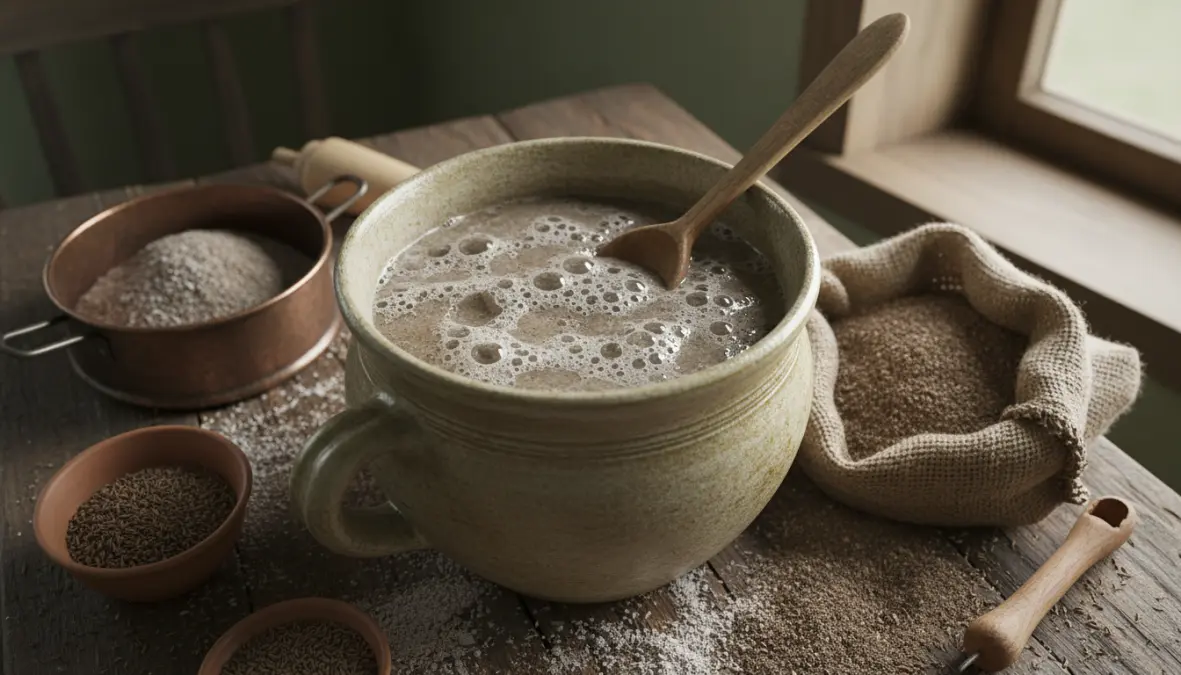
At the heart of every authentic Lithuanian loaf lives the sourdough starter, known locally as “raugas.” This isn’t the trendy sourdough you might find in urban bakeries—it’s often a generational treasure, passed from grandmother to granddaughter, sometimes kept alive for decades or even centuries. The fermentation process for sourdough rye bread typically spans 24 to 72 hours, creating complex flavors and that characteristic dense, moist texture.
Understanding how to make traditional Lithuanian rye bread begins with respecting the starter. Traditional Lithuanian households would keep their raugas in ceramic crocks, feeding it regularly with dark rye flour and water. Rural starters often differ from urban ones—countryside versions might incorporate wild yeasts from local grains and environment, creating unique flavor profiles specific to particular regions or even individual farmsteads. Temperature control is crucial; traditional bakers relied on intuition developed over years, knowing exactly where in the house to place their dough for optimal rising.
Traditional Baking Methods and Ingredients
When considering traditional Lithuanian rye bread ingredients, simplicity rules: dark rye flour (preferably stone-ground), water, salt, and often caraway or coriander seeds. That’s it. No commercial yeast, no improvers, no shortcuts. The difference between Lithuanian and German rye bread often comes down to flour darkness and fermentation length—Lithuanian versions typically use darker rye and longer fermentation, creating a more intense, almost sweet-sour complexity.
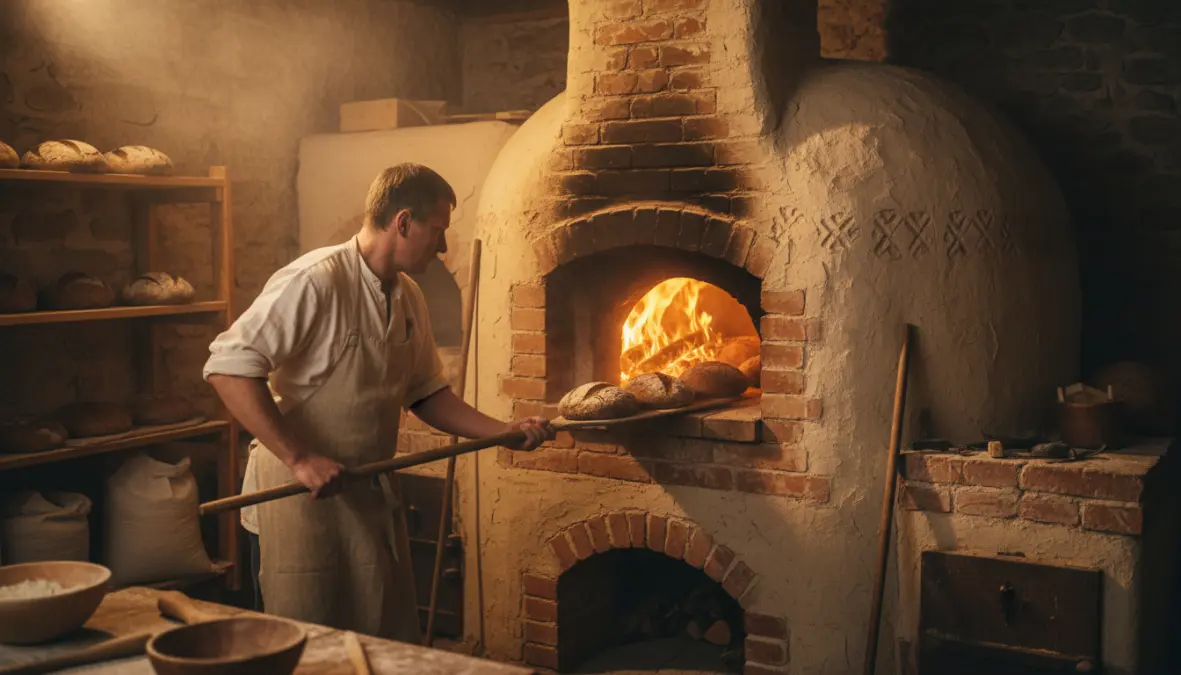
Traditional baking happened in wood-fired ovens, where bakers would judge temperature by holding their hand inside—if you could count to ten, it was ready. Many bakers used ceramic or clay pots, which helped create the thick, dark crust that protects the moist interior. The whole grain nature of traditional Lithuanian rye means the bread stays fresh for over a week, becoming chewier but never truly stale. This rustic bread was designed for peasant food traditions where baking happened weekly at most, and every crumb mattered.
Preserving Lithuanian Heritage Through Bread Making Today
The Lithuanian rye bread tradition faces the same challenges confronting traditional foodways everywhere: industrialization, changing lifestyles, and the seductive convenience of mass production. Yet something remarkable is happening—a revival driven by younger generations recognizing what risks being lost.
Artisan bakeries across Lithuania and in diaspora communities are returning to ancient Lithuanian bread baking methods, rejecting additives and fast fermentation in favor of time-honored techniques. The Lithuanian Bread Museum in Ramygala stands as a testament to this cultural heritage, showcasing traditional baking tools, regional variations, and the stories embedded in Lithuanian heritage recipes. While Baltic bread traditions haven’t yet received specific UNESCO recognition, growing appreciation for intangible cultural heritage has brought renewed attention to these ancient practices.
For those wanting to explore Lithuanian rye bread starter preparation at home, the journey begins with patience. Mix dark rye flour and water, let wild yeasts colonize the mixture over several days, and feed it regularly. Within a week or two, you’ll have a living starter ready for baking. Online communities now connect bakers worldwide, sharing tips on achieving that characteristic dense crumb and dark crust without traditional wood-fired ovens.
Outside Lithuania, authentic Lithuanian rye bread can be found in areas with Baltic communities—cities like Chicago, London, and Toronto often have bakeries maintaining traditional methods. The rise of farmers markets and artisan food movements has created new appreciation for slow-fermented, whole grain breads that our ancestors would recognize. Similar to how Easter bread traditions across Europe preserve cultural memory, Lithuanian rye bread keeps ancestral knowledge alive through everyday practice.
The sacred meaning of bread in Lithuanian culture extends beyond nostalgia—it represents a different relationship with food, one that values time, honors natural processes, and recognizes that some things cannot and should not be rushed. In an era of instant gratification, the 48-hour fermentation required for authentic Lithuanian black bread becomes an act of cultural preservation and quiet rebellion against the tyranny of convenience.
Whether you’re Lithuanian seeking connection to your roots, a bread enthusiast exploring bread symbolism across cultures, or simply someone who appreciates honest, nourishing food, the Lithuanian rye bread tradition offers profound lessons. It teaches that the best things require patience, that traditions survive through practice rather than preservation, and that a simple loaf of dark bread can carry the soul of a nation. Perhaps it’s time to slow down, mix some flour and water, and discover why Lithuanians have called bread their second mother for centuries.